Studios have never been shy about changing how a movie ends. A weak test screening or a nervous executive can send a crew back to reshoot the final minutes. Sometimes the new version helps. Other times it flattens what the filmmaker was going for.
Home video, restorations and a few stubborn directors have since brought several of those lost endings back. Here are seven films where the version first shown to audiences wasn’t the ending the filmmakers had in mind.
Blade Runner
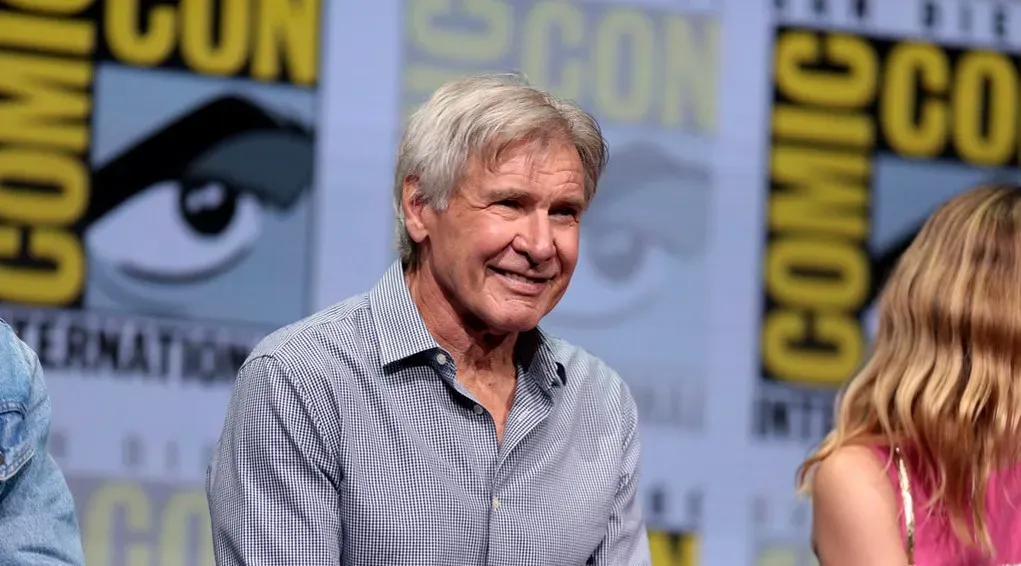
Ridley Scott’s 1982 film reached theaters with a Harrison Ford voiceover and a hopeful final scene. Deckard and Rachael drive through open countryside, a sequence built partly from leftover aerial footage shot for another film. Both elements were added at the studio’s urging.
The 1992 Director’s Cut dropped the narration and the sunny drive. It also added the unicorn dream, which leaves Deckard’s own nature uncertain. Scott later made The Final Cut in 2007 with full control, but the 1992 release was the first time most viewers saw the colder, more ambiguous ending.
Brazil

Terry Gilliam’s 1985 dystopia ends with its hero, Sam Lowry, retreating into a fantasy while he is broken in a torture chamber. Universal’s Sid Sheinberg wanted something lighter, and the two clashed publicly. Gilliam even ran a trade ad pressing the studio to release his version.
A shortened edit with a happier tone was prepared for American television. It’s often called the Love Conquers All version. The director’s cut, available through home video releases, restores the bleak original and the finale Gilliam wanted from the start.
The Abyss

James Cameron’s 1989 underwater drama originally included a sequence in which the alien beings hold back enormous tidal waves above coastal cities. They do it to warn humanity about its own violence. The theatrical release left that out, mostly because the effects work wasn’t finished in time.
The 1993 Special Edition put the tidal wave scenes back and added roughly half an hour of footage overall. It changes the meaning of the ending, which becomes a clear warning rather than a vague gesture of goodwill. Cameron has described this longer version as the one he intended.
Partner offer
Little Shop of Horrors
Frank Oz’s 1986 musical was shot with a very dark finale. The man-eating plant Audrey II kills the leads and its offspring take over the world. Test audiences reacted badly, so the production shot a happier ending instead.
The original conclusion, long known only through rumors and rough footage, was assembled into a Director’s Cut released in 2012. It restored the full apocalyptic sequence with finished effects. For many fans it finally made sense of the story’s grim comic tone.
Army of Darkness
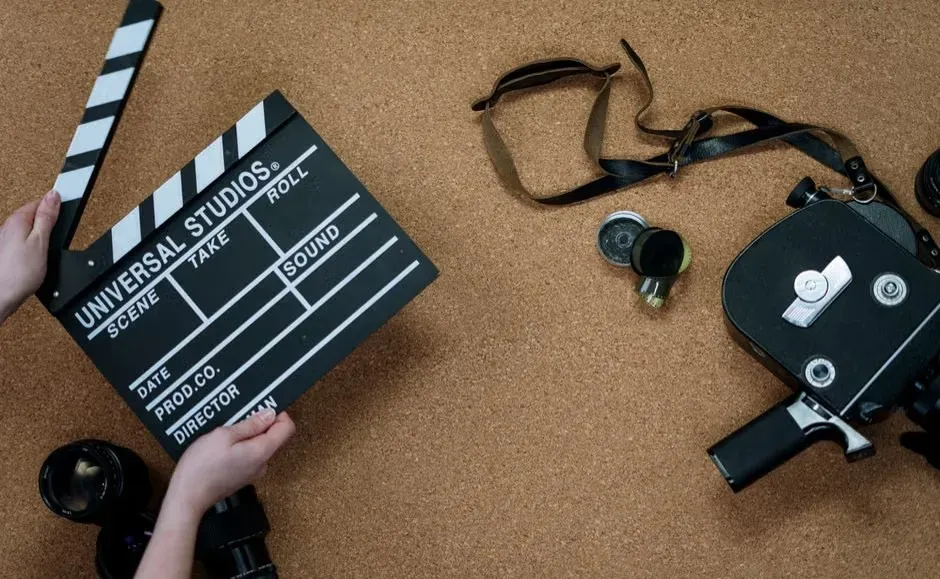
Sam Raimi’s 1992 sequel in the Evil Dead series ended in its theatrical release with Ash back at his job in a store, fighting off one last demon. That was the studio’s preferred wrap up. Raimi had filmed something much bleaker.
In the director’s cut, Ash drinks a potion that’s supposed to put him to sleep until his own time, but he takes too much. He wakes up centuries later in a ruined, post apocalyptic world. It’s a punchy, darkly funny finish, and Raimi’s version is the one many fans consider definitive.
Superman II
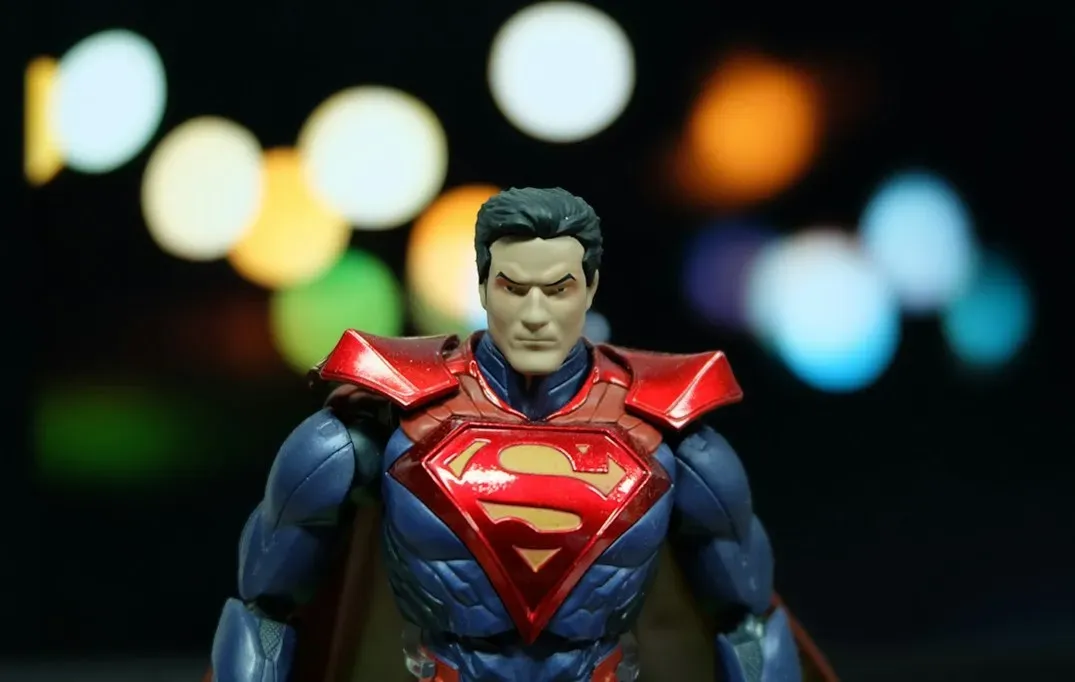
Richard Donner was removed from Superman II after shooting most of it in the late 1970s, and Richard Lester completed the film for its 1980 release. In that version, Superman kisses Lois Lane to erase her memory of his secret. Donner had planned a very different closing beat.
The Richard Donner Cut, released in 2006, rebuilds the film from his footage and screen tests. Its ending has Superman turn back time, echoing the first movie’s finale. The result feels like a different film, and it’s the closest anyone has come to seeing Donner’s original plan.
I Am Legend
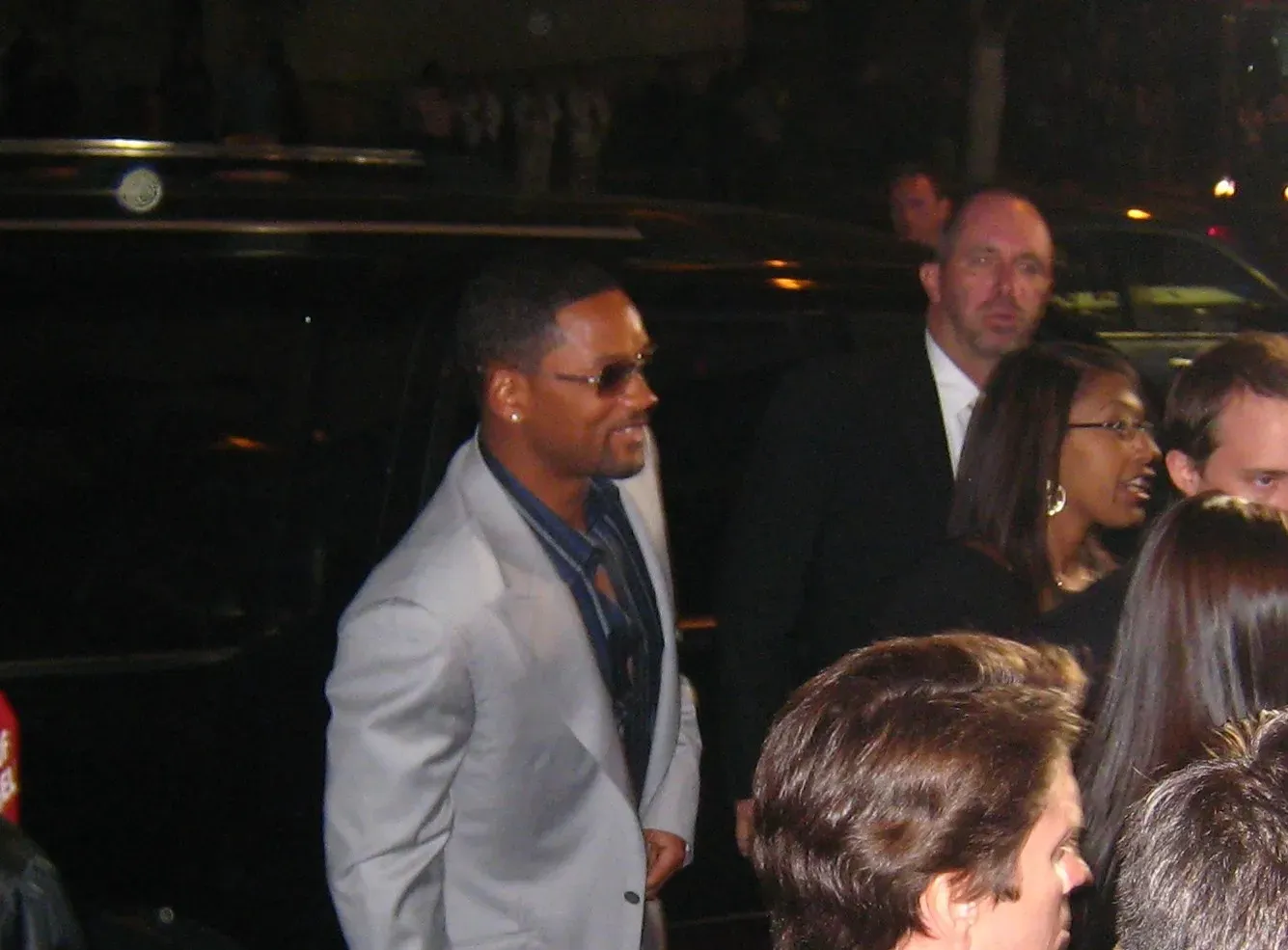
Francis Lawrence’s 2007 film, starring Will Smith, was released theatrically with an ending in which Robert Neville sacrifices himself to protect other survivors and the cure. An alternate ending was shot as well and later appeared on home video. In it, Neville realizes the infected creatures are acting out of loyalty, not mindless rage.
He returns the captive female to their leader, and the confrontation ends without violence. This isn’t a classic director’s cut in the strict sense, since it’s presented as an alternate version rather than a full recut. Still, it’s the ending most closely tied to the story’s source novel, and it gives the title a very different meaning.
Partner offer
Planning a trip to Vegas?
Compare hotel rates and show tickets on VEGAS.com.