Every generation has a handful of records that reshape what the Recording Academy considers Album of the Year material. Some of these albums sounded radical the moment they dropped, only to become comfort listening decades later. Others felt safe on arrival and grew stranger, or more influential, the further we get from their release date.
Looking back at seven Grammy winning albums with fresh ears reveals something interesting about how pop music ages. What follows is a look at how each record landed when it first hit shelves or streaming platforms, and how it registers to listeners tuning in today, in 2026.
1. Fleetwood Mac, Rumours (1977)

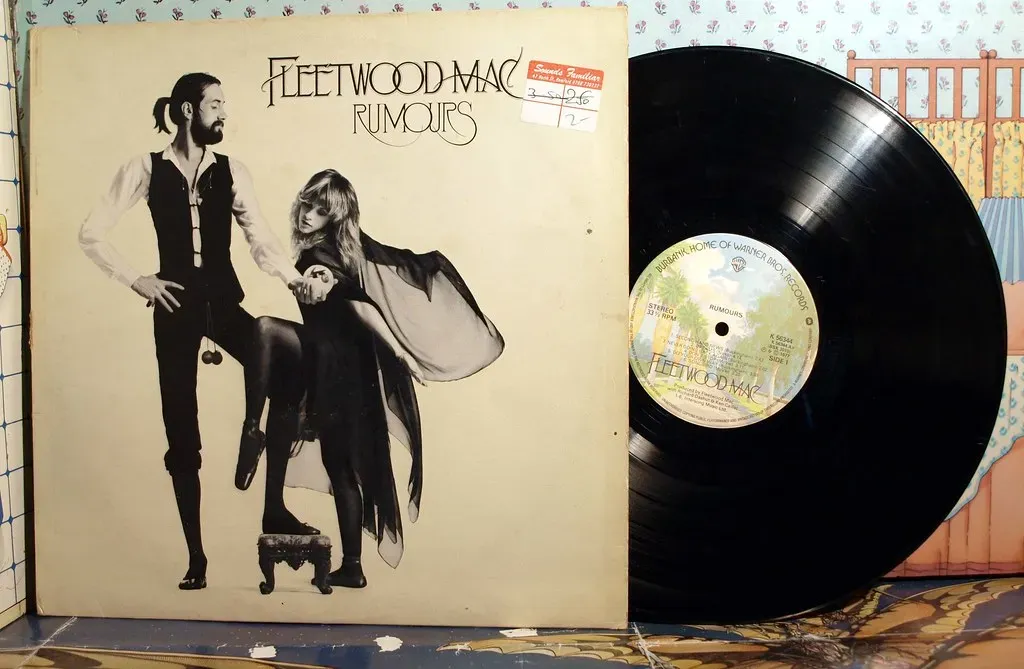
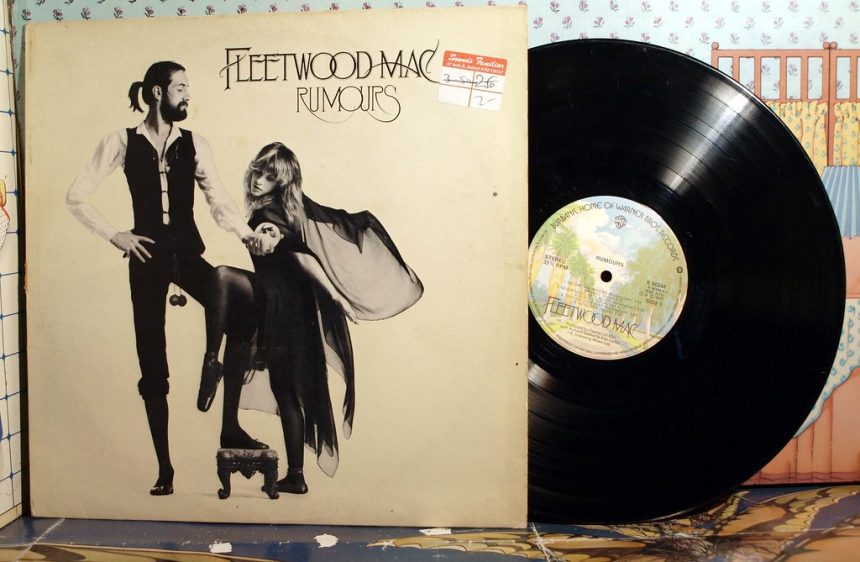
When Rumours arrived, it sounded like a band falling apart in real time and somehow making it sound gorgeous. The production was warm, slightly loose, full of harmonies stacked by people who were breaking up with each other while recording. It won Album of the Year at the 1978 Grammys, and at the time it read as classic soft rock, polished but emotionally raw underneath.
Today, Rumours sounds less like a relic and more like a blueprint. Modern pop and indie rock producers still chase that mix of intimacy and studio sheen, and the album’s DNA shows up in everything from Haim to Phoebe Bridgers collaborations. What once felt like a document of 1970s Los Angeles now plays as a masterclass in turning personal wreckage into something universal, which is probably why streaming numbers for the record have stayed remarkably steady rather than fading into nostalgia.
2. Michael Jackson, Thriller (1982)

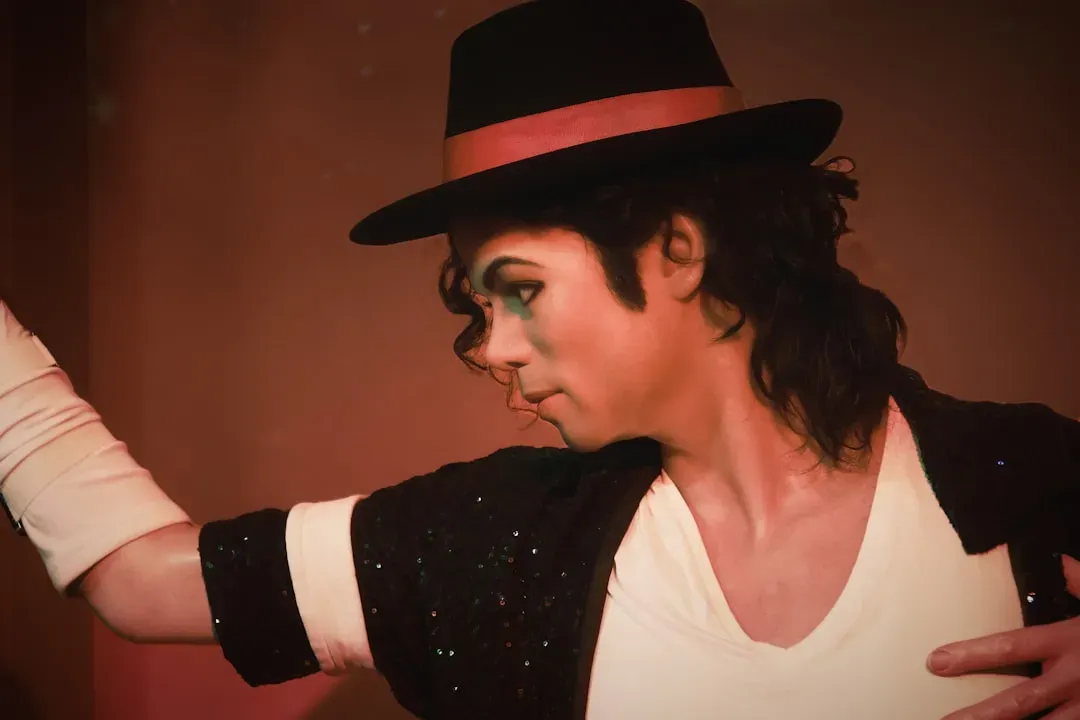
Thriller sounded futuristic in 1982, a fusion of disco leftovers, rock guitar, funk bass lines, and pop hooks that no one had quite combined in that ratio before. It swept the 1984 Grammys and became the best selling album in history, partly because it refused to sit in one genre lane. Radio at the time was still fairly segregated by format, and Thriller forced pop, R&B, and rock stations to all play the same record.
Listening now, the album’s genre blending feels almost quaint compared to how fluid mainstream music has become, yet that fluidity is exactly Thriller’s legacy. Producers today build entire careers on the idea that a single album can hop between moods and audiences without losing cohesion. The synths and drum programming that once sounded cutting edge now read as warmly analog, a texture younger producers actively try to recreate rather than avoid.
3. Adele, 21 (2011)

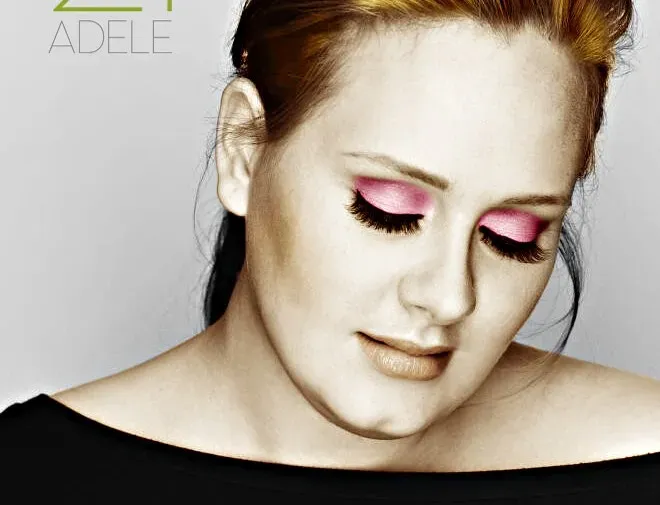
21 landed at a moment when pop radio was leaning hard into dance beats and Auto-Tune, which made Adele’s stripped down, piano and voice heavy approach feel almost defiant. It won Album of the Year at the 2012 Grammys along with Record and Song of the Year, and critics praised it for sounding like it could have been recorded any time in the past forty years. That timelessness was the point, a deliberate rejection of trend chasing.
Now, 21 sits as one of the clearest examples of how a non trend based album ages better than most of its charting peers from the same year. Its influence is visible in the wave of piano led breakup albums that followed, and in how streaming services still lean on it as a genre defining reference for adult contemporary pop. The songs have not needed remixing or reissuing to stay relevant, which says something about how little the arrangements have dated.
4. Daft Punk, Random Access Memories (2013)

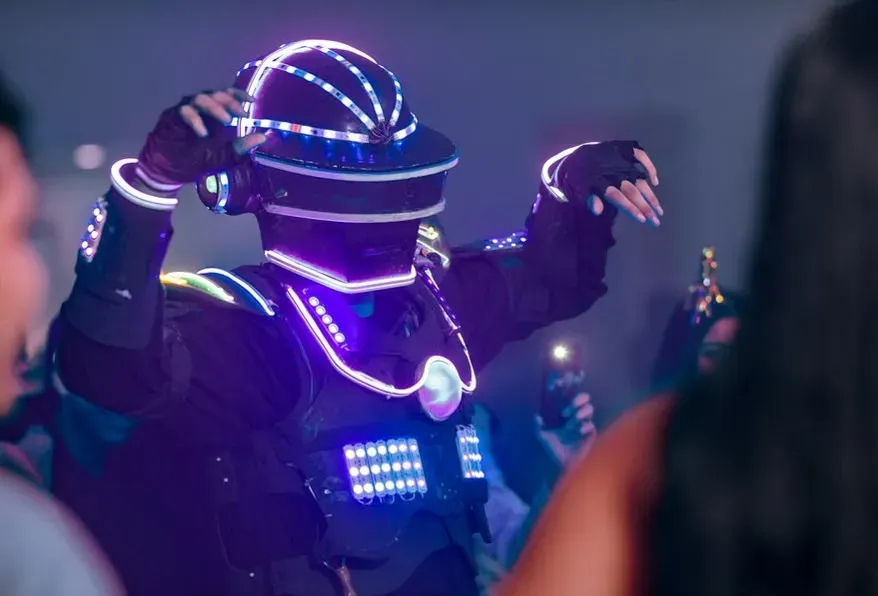
Random Access Memories brought in sound and production influences from classic albums such as the Eagles’ Hotel California, Fleetwood Mac’s Rumours and Pink Floyd’s The Dark Side Of The Moon, which was a surprising move for an electronic duo known for cold, robotic beats. At the 2014 Grammys, it took home not only Best Dance/Electronic Album but also Album of the Year, while its single Get Lucky earned Record of the Year and Best Pop Duo/Group Performance honors. On release, critics debated whether a dance act deserved the industry’s top prize, and the album’s lush live instrumentation felt like a deliberate rebuke to the EDM boom happening around it.
More than a decade later, Random Access Memories sounds like the moment electronic music formally reconciled with classic rock craftsmanship. Its influence on artists blending live disco textures with digital production is still audible, and the record has continued to circulate through younger listeners discovering it via samples and covers. One notable example came when Avenged Sevenfold frontman M. Shadows cited the album as a major inspiration for the band’s later work, crediting it with broadening his approach to composition and album structuring.
5. Kendrick Lamar, DAMN. (2017)


DAMN. arrived as a dense, contradictory record, jumping between trap production, jazz inflected rap, and gospel undertones within a single tracklist. It won Best Rap Album at the 2018 Grammys, and later that year became the first non classical or jazz work to win the Pulitzer Prize for Music, a recognition that surprised even longtime hip hop critics. At the time, some listeners found the shifts in tone jarring, especially the tonal whiplash between tracks like Humble and Fear.
Now the album is treated less as a puzzle and more as a template for how rap albums can carry narrative weight across wildly different production styles. Younger rap producers frequently point to DAMN. when explaining how to sequence an album that rewards repeated listening rather than single streaming. Its willingness to sit in discomfort, rather than chase one hit sound, has aged into something closer to a reference text for serious hip hop songwriting.
6. Billie Eilish, When We All Fall Asleep, Where Do We Go? (2019)

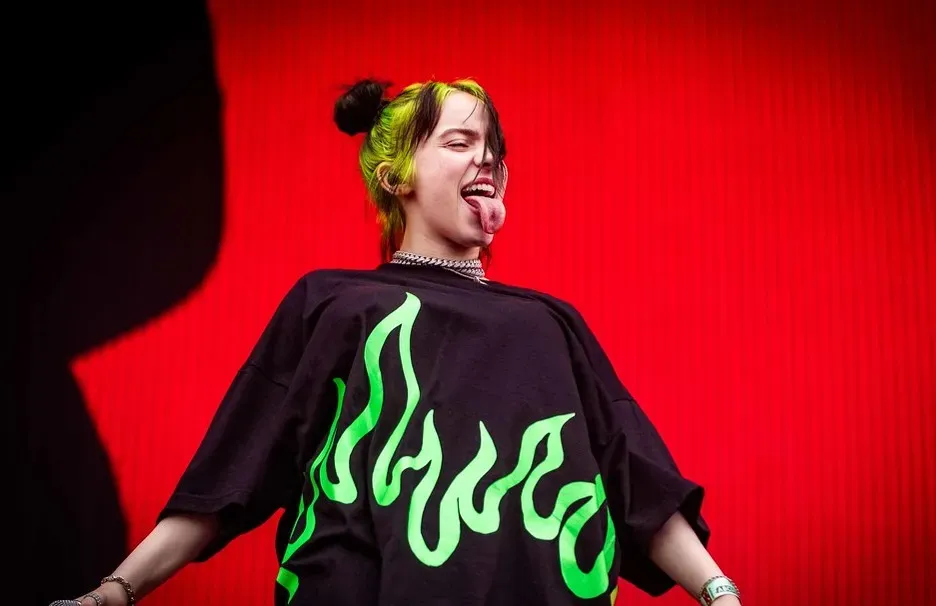
This album sounded genuinely unusual when it dropped, built around whispery vocals, bedroom production, and bass heavy minimalism that felt closer to horror movie scoring than pop radio. It swept the 2020 Grammys, taking Album of the Year, Record of the Year, and Song of the Year, an unusually complete sweep for a teenage artist working largely with her brother in a home studio. Critics at the time debated whether the hushed, almost anti pop delivery would translate beyond a niche teenage audience.
Looking at the pop landscape now, that hushed delivery became the dominant vocal style for an entire generation of artists chasing intimacy over volume. The bedroom production approach, once seen as a budget limitation, is now an aesthetic choice embraced by major label acts trying to sound authentic. What felt like an outlier record in 2019 now reads as the moment mainstream pop quietly absorbed underground bedroom pop conventions wholesale.
7. Beyoncé, Renaissance (2022)

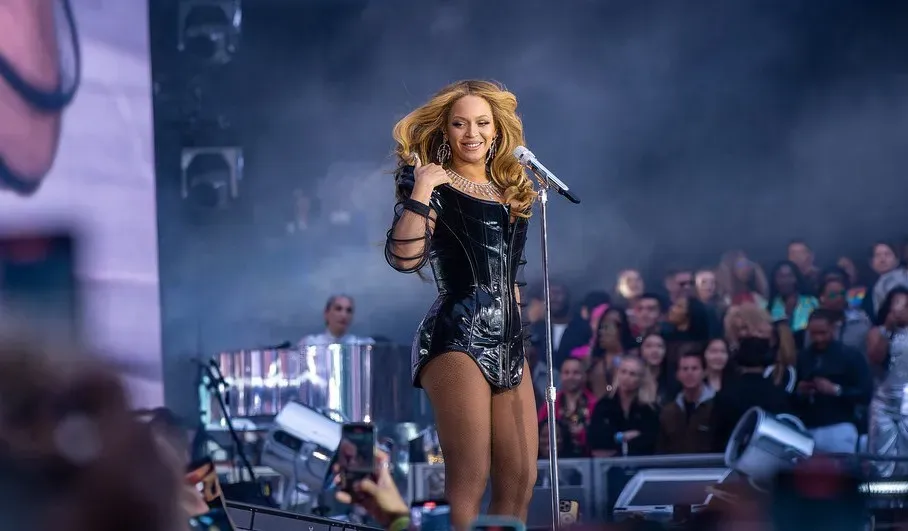
Renaissance arrived as an undulating tribute inspired by the underground ballroom scene sparked by Black, trans and gay pioneers of the 1970s through the 1990s and beyond, dedicated to Beyoncé’s late uncle Johnny. At the 2023 Grammys it won Best Dance/Electronic Music Album, which made her the top Grammy winner of all time, and she became the first Black woman to win in that specific category. The album’s loss in the Album of the Year category that night sparked ongoing conversation about how the Academy values dance and house influenced records against more traditional pop albums.
Just a few years later, Renaissance looks less like a detour and more like the start of a broader house and disco revival across mainstream pop. The record’s embrace of ballroom culture and classic house rhythms opened space for other major artists to experiment with four on the floor production without fear of alienating radio. Its acceptance speech moment, where Beyoncé thanked the queer community for inventing the genre, has also aged into one of the more frequently cited Grammy speeches for crediting dance music’s actual origins.
Taken together, these seven albums show a pattern worth noticing. The records that sounded most comfortable on arrival, like Rumours or 21, often earn their staying power through emotional honesty rather than novelty. The ones that sounded strange or even divisive at first, from Thriller’s genre blending to Eilish’s whispered minimalism, tend to become the blueprint everyone else copies once the initial shock wears off. None of these albums sound exactly the way they did on release day, not because the recordings changed, but because the music around them eventually caught up.