Every movie you have ever loved carries a shadow version of itself, a cut that never reached theaters. Sometimes it is a single reshot scene. Other times it is an entirely different fate for the main character, buried in a vault until someone decides to talk about it decades later. What follows are seven cases where the ending audiences actually saw was not the one filmmakers originally intended. Test screenings, studio panic, and a few stubborn actors all played a part in rewriting these stories at the last minute.
First Blood (1982): Rambo was never supposed to walk away

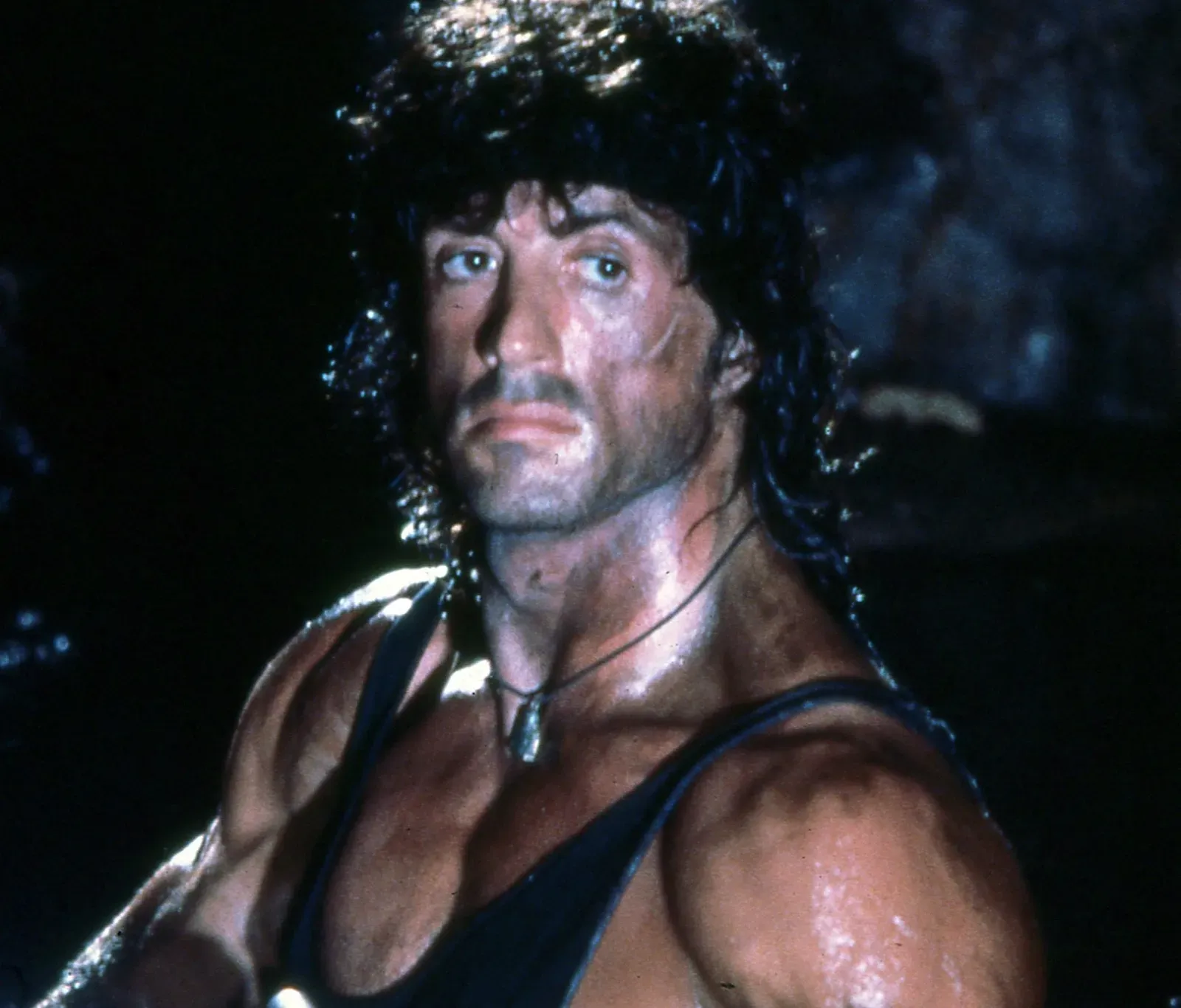
Before John Rambo became an indestructible action icon, he was written as a tragedy. Rambo and the sheriff both die in the original novel, and the film was originally set to have its own tragic conclusion, with director Ted Kotcheff wanting Rambo to take his own life with help from Colonel Trautman. The scene was shot exactly as planned, with Rambo grabbing Trautman’s gun after pleading to be killed rather than caged.
Then reality intervened. While an ending in which Rambo dies was originally filmed to match the tragic conclusion of the novel, the decision to implement the backup survival footage was an administrative mandate enforced by producers solely because the initial test screening audience vocally reacted against the protagonist’s death, shouting and throwing objects in the theater. Stallone pushed for a rewrite, and the arrest ending we know today was filmed months later, in March 1982, quietly saving a franchise that had not even started yet.
Fatal Attraction (1987): Alex Forrest was supposed to die by her own hand

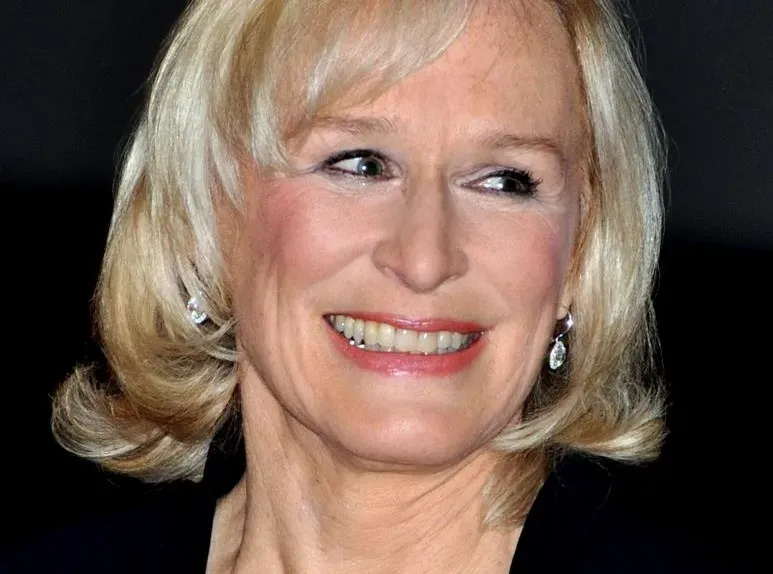
Glenn Close’s Alex Forrest terrified audiences with a bathtub jump scare, but that was never the original plan. According to Vanity Fair, Fatal Attraction originally concluded with Alex framing Dan for her murder when, in fact, she took her own life and left behind evidence that ultimately cleared his name. Close herself pushed for this version, arguing it reflected the psychological research she had done into the character.
Test audiences disagreed, and loudly. When Fatal Attraction screened for test audiences, its ending was met with intense disapproval by those who thought Alex didn’t get what they felt she deserved, with one Paramount executive saying “they want us to terminate the bitch with extreme prejudice.” Close resisted the rewrite at first, later recalling that she told the director and producer she would not shoot the new version because it betrayed the character. She eventually relented, and the reshot climax, with Anne Archer’s character shooting Alex in self-defense, became one of the most talked-about endings of the decade.
Little Shop of Horrors (1986): the plants were supposed to win


Frank Oz’s musical adaptation originally ended exactly the way the stage show did, with total defeat for its heroes. A 23 minute alternate ending, faithful to the original stage ending, was shot, in which Audrey and Seymour are eaten by Audrey II, and, after it becomes a worldwide sensation, the world is taken over by various Audrey IIs. It was an enormous undertaking, with elaborate miniature effects built specifically for the sequence.
Test screenings killed that plan almost immediately. Every scene met with laughter and applause until the plant devoured Seymour and Audrey, and the audience went silent. Test scores were so poor that a 55 percent recommend rating was needed for release, and the film only managed 13 percent. Oz reshot a happier finale where Seymour electrocutes the plant, though the original bleak ending was eventually restored for a 2012 director’s cut release.
I Am Legend (2007): Will Smith’s character was meant to be the villain

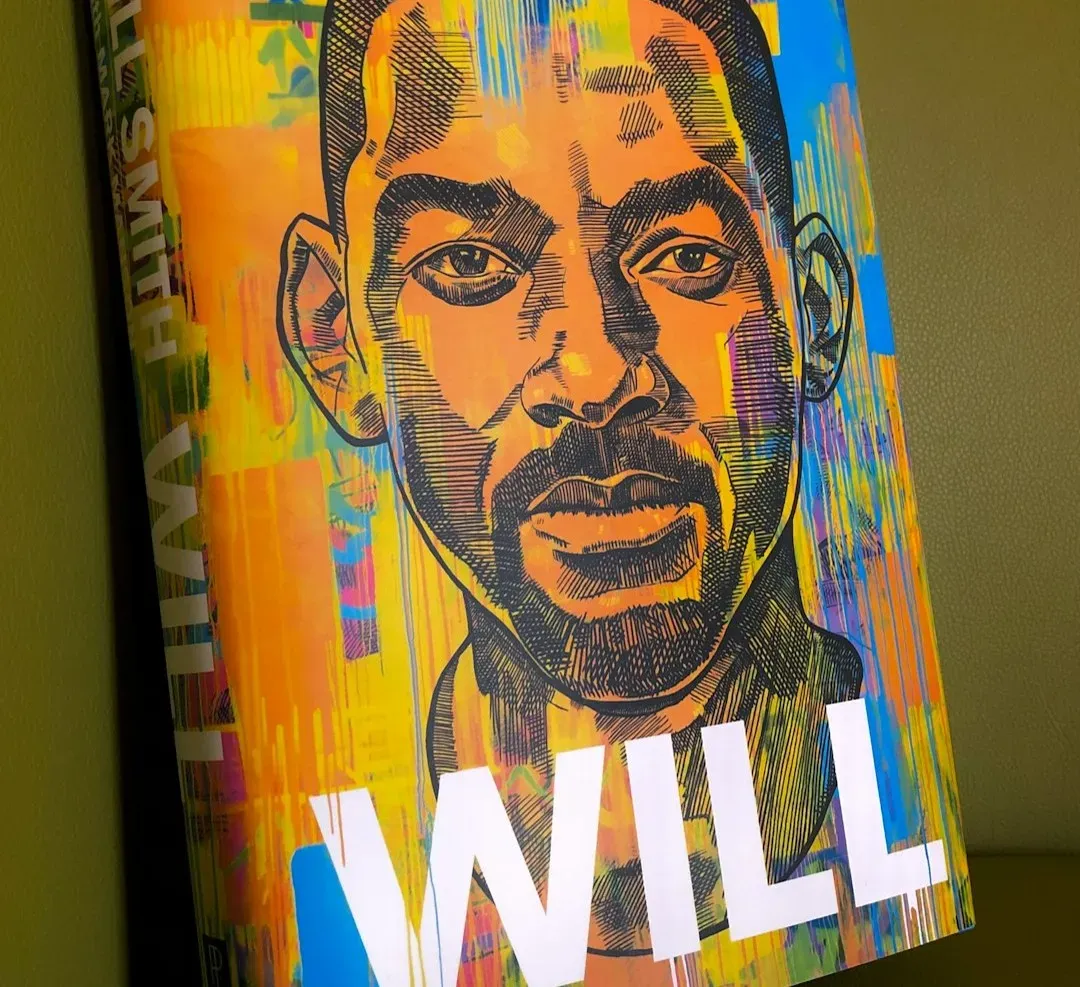
Will Smith’s post-apocalyptic thriller shot two very different climaxes, and the one that stayed truer to Richard Matheson’s novel never made it to theaters. In the unused version, Neville realizes the Darkseeker leader is trying to recover his mate, returns her, and realizes how his experiments on the Darkseekers have turned him into their terrifying legend, with the creatures retreating peacefully. That framing made Neville, the supposed hero, into the actual monster of the story, which was the entire point of the source novel.
Audiences were not ready for that twist. As revealed by director Francis Lawrence, the reason the ending was changed to the more heroic one seen in theaters was that test audiences had intensely negative reactions to an ending that paints Robert Neville as the villain. Will Smith later confirmed the scale of the backlash, recalling that the movie scored just 51 percent in the top two approval boxes, the lowest he had ever seen for one of his films. The studio scrambled to reshoot, and screenwriter Akiva Goldsman has said the change happened just weeks before release.
Pretty Woman (1990): Vivian was originally thrown out onto the street

Long before it became a fairy tale romance, this script was a grim drama called “3,000.” Julia Roberts has described the original ending as Edward throwing Vivian out of the car, throwing the money on top of her, and driving away, leaving her in a dirty alley. Some accounts of the script even had the story close with Vivian on a bus, staring blankly ahead while her friend chattered about a trip to Disneyland.
Disney’s involvement, and a change in creative direction, pushed the project toward something gentler. Disney wanted something darker at first, but following great debate over a new ending and several rewrites, the modern fairy tale we know today came to fruition, complete with the fire escape kiss and a happy finale. The transformation turned a bleak character study into one of the most beloved romantic comedies of its era, though the original draft is a stark reminder of how differently the story could have landed.
Clue (1985): three different killers, three different theaters

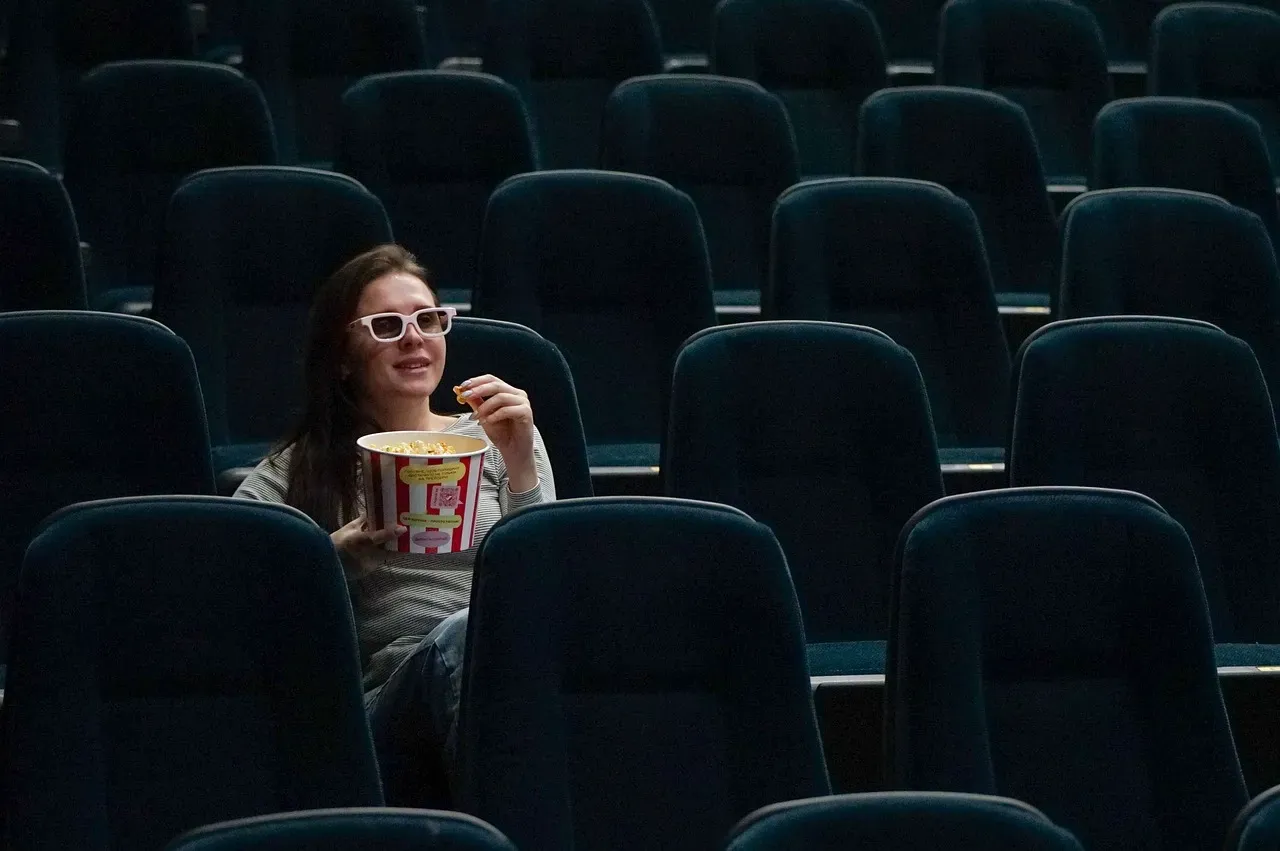
Clue took the concept of an alternate ending and turned it into a marketing gimmick rather than a quiet studio secret. “Clue” stands out for its playful approach to storytelling, and in theaters, viewers saw one of three different endings, each revealing a different murderer, a creative gimmick that puzzled and delighted audiences. Depending on which cinema you walked into during its original 1985 run, the culprit behind the killings at Boddy Manor could be a completely different character.
The strategy was unusual even by 1980s standards, when most films still stuck to a single, fixed conclusion. Clue offered multiple conclusions that were shown randomly in different theaters, with each ending revealing a different character as the murderer, capitalizing on the film’s comedic and mysterious tone and the board game’s multiple outcomes. When the film moved to home video, distributors had to settle on one version, combining elements from all three so viewers finally got a single definitive answer.
Get Out (2017): Chris was originally arrested, not rescued
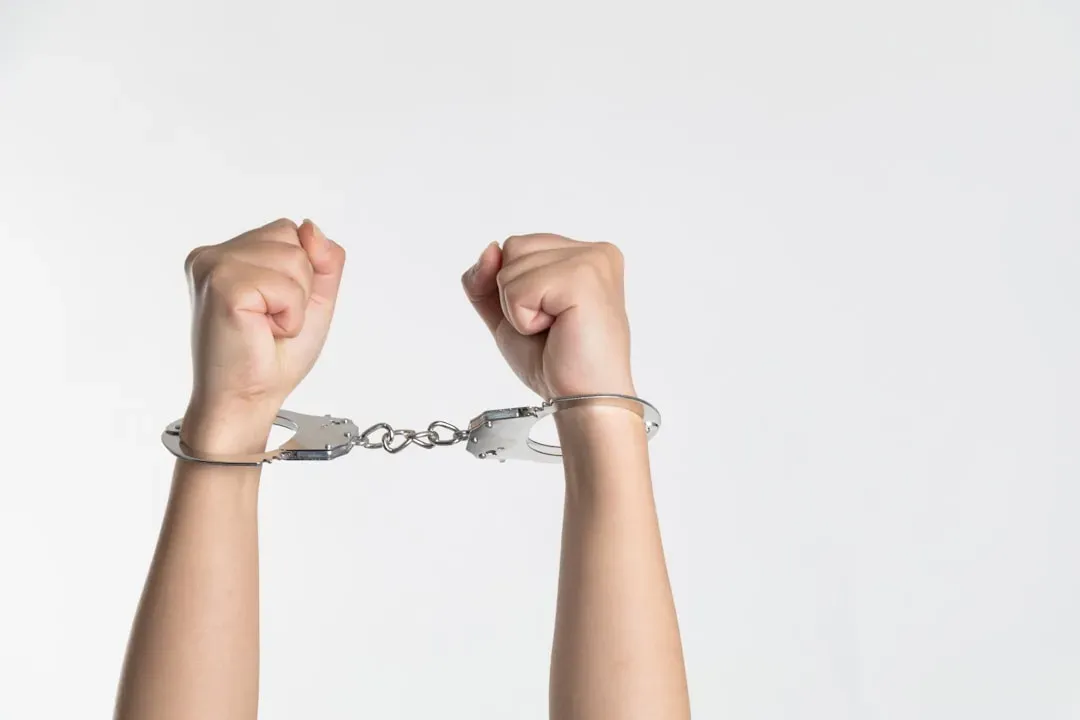
Jordan Peele’s breakout horror film almost ended on a note far more pointed and far bleaker than the one that made it to theaters. In the original ending, Chris is arrested by police as he tries to escape, an unflinching commentary on systemic racism and injustice, but test audiences found this conclusion too hopeless. The image of Chris, having survived a nightmare of medical horror, ending up handcuffed anyway was meant to underline a grim point about who gets believed and who does not.
Peele ultimately chose catharsis over bleakness. He decided to reshoot the ending, allowing Chris’s friend Rod to rescue him, an act that brought catharsis and relief, and the new ending struck a chord, helping the film gross over 255 million dollars on a modest budget. The choice did not soften the film’s message so much as give audiences a moment to breathe after two hours of mounting dread, and it became one of the most quoted scenes of the decade.
Why studios keep changing their minds at the finish line

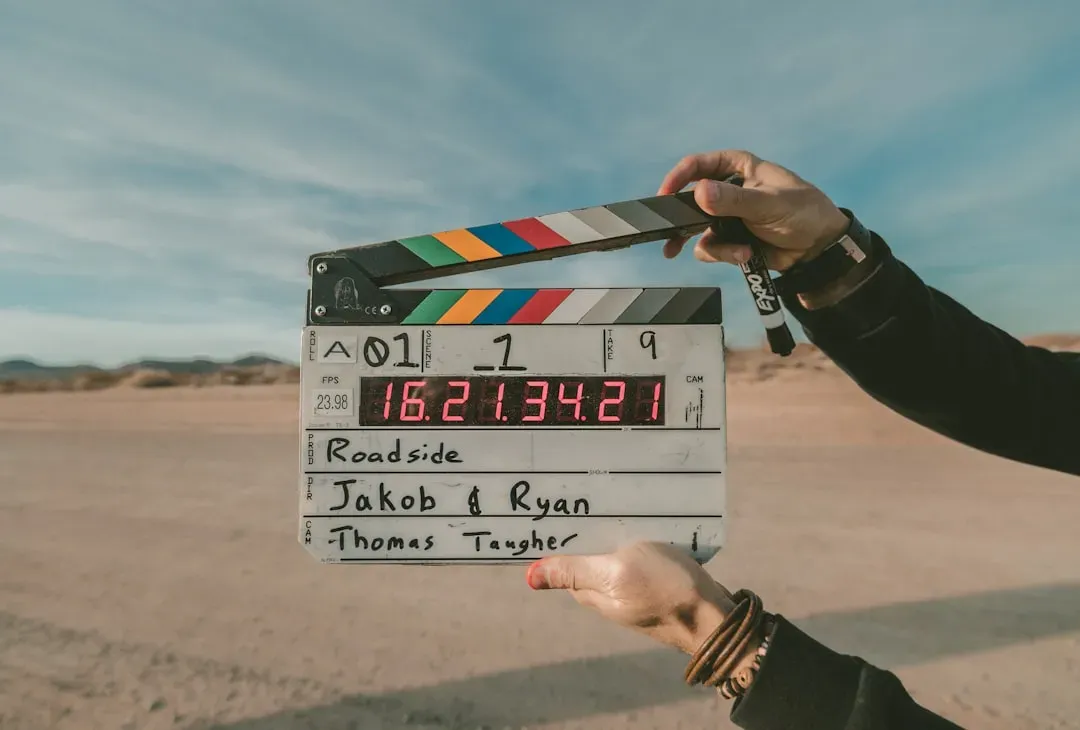
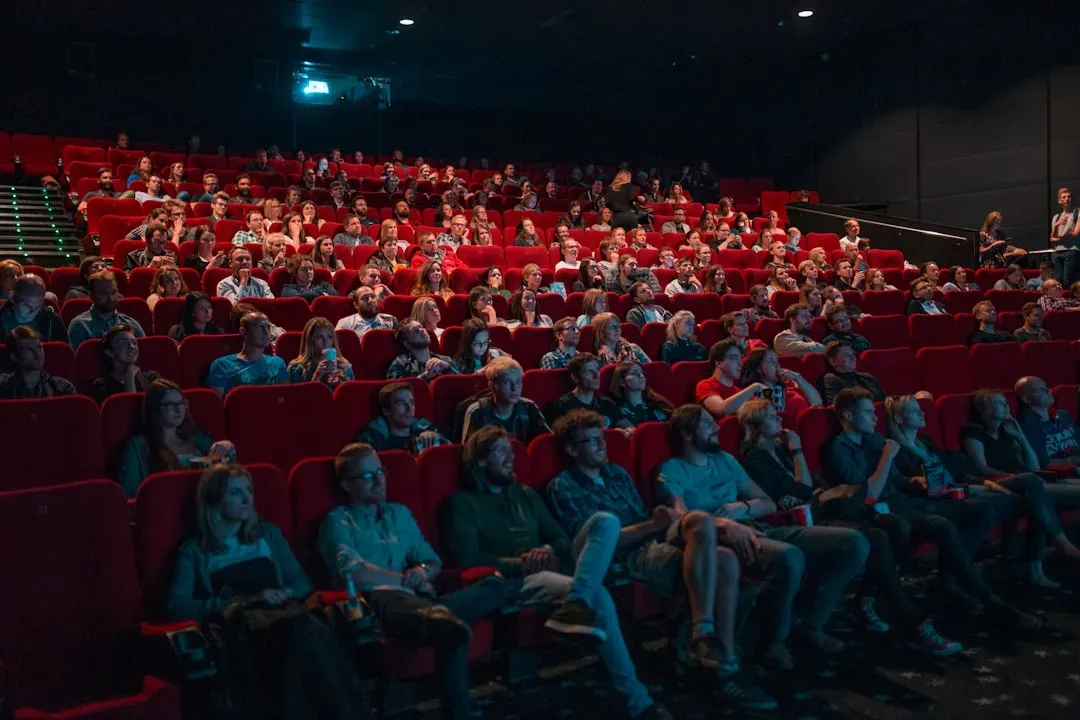
Looking at these seven cases together, a pattern emerges. Test screenings, for all their flaws, tend to expose the gap between what a filmmaker intends thematically and what an audience is emotionally prepared to sit through after ninety minutes in a dark room. A downer ending that reads as brave on paper can feel like a betrayal once real strangers are filling out comment cards.
None of this means the original versions were wrong or that the theatrical cuts were simply commercial compromises. Some, like Little Shop of Horrors and I Am Legend, have aged into cult favorites precisely because the abandoned ending still exists somewhere for curious fans to find. The rewritten endings we grew up with were never really final. They were just the version that survived contact with an audience.