A weak opening weekend can feel like a final verdict. For many movie musicals, though, it was only the first chapter. Years later, a late night broadcast, a cable rerun, or a worn out VHS tape gave these films the audience they never got in theaters.
The seven titles below all stumbled financially or critically when they first arrived. Each one found a second life at home, usually thanks to television. Here’s how it happened.
The Wizard of Oz (1939)
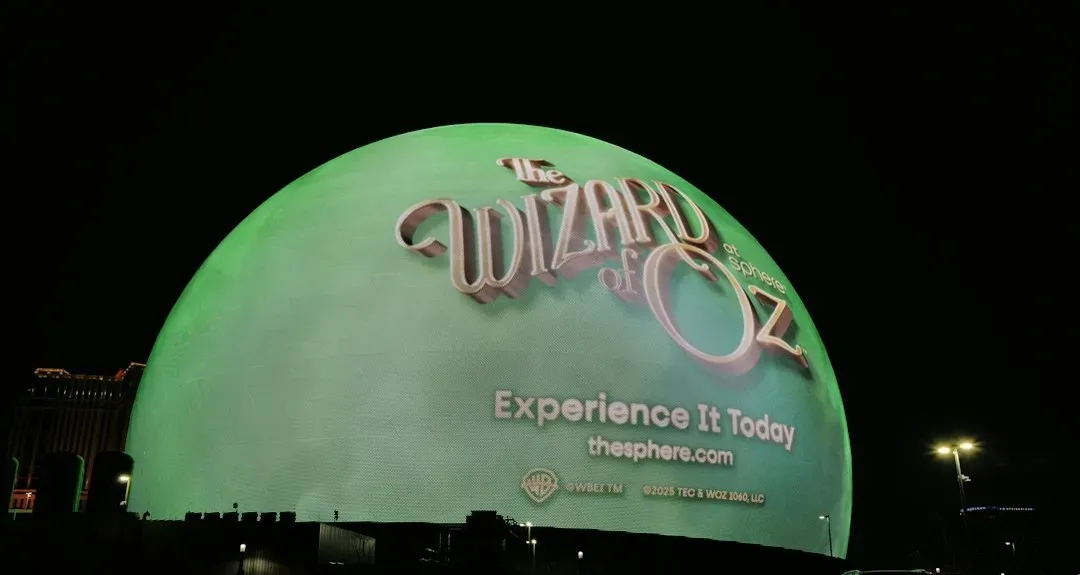
It’s hard to imagine now, but this film didn’t make a profit on its first run. It was among the most expensive MGM productions of its time, and by most accounts the original release brought in roughly what it cost, which isn’t enough once marketing is counted. Later theatrical reissues helped it recover.
Television turned it into something bigger. CBS first aired it in 1956, and it became an annual broadcast beginning in 1959. Generations of families watched it once a year, and that ritual did more for its legacy than any box office chart.
Willy Wonka and the Chocolate Factory (1971)

Paramount’s adaptation of Roald Dahl’s book earned only a modest sum in 1971. Its box office was reportedly a little above its budget of about three million dollars, which counted as a disappointment. Reviews were mixed, and even Dahl was known to dislike the adaptation.
Then the film began airing on television and later arrived on home video. Children who met Gene Wilder’s Wonka on a living room screen grew up quoting songs like “Pure Imagination.” By the time the property was revived for newer films, the 1971 version was firmly a classic.
Xanadu (1980)

Olivia Newton-John’s roller disco fantasy was savaged by critics and became an early target for the Razzie Awards. Its theatrical earnings were small relative to its ambitions, and the film was widely treated as a punchline. Few people expected it to last.
Cable television and home video gave it a different reputation. The soundtrack, featuring songs by Electric Light Orchestra and Newton-John, had been a genuine success, and fans kept returning to the film for that music. A stage adaptation in 2007 confirmed that audiences had come to love it for its sincerity and sheer color.
Annie (1982)

John Huston’s film of the hit Broadway show was a costly production, with a budget reported at around fifty million dollars. It earned only a little more than that at the box office, which fell short for a studio spectacle. Critics were lukewarm, and the film was commonly described as a letdown.
Its fortunes improved once it settled into television rotation and video rentals. Aileen Quinn’s Annie, Carol Burnett’s Miss Hannigan, and songs like “Tomorrow” were familiar to a generation of children who first saw the film at home. That steady affection helped keep the property alive until later remakes.
Grease 2 (1982)
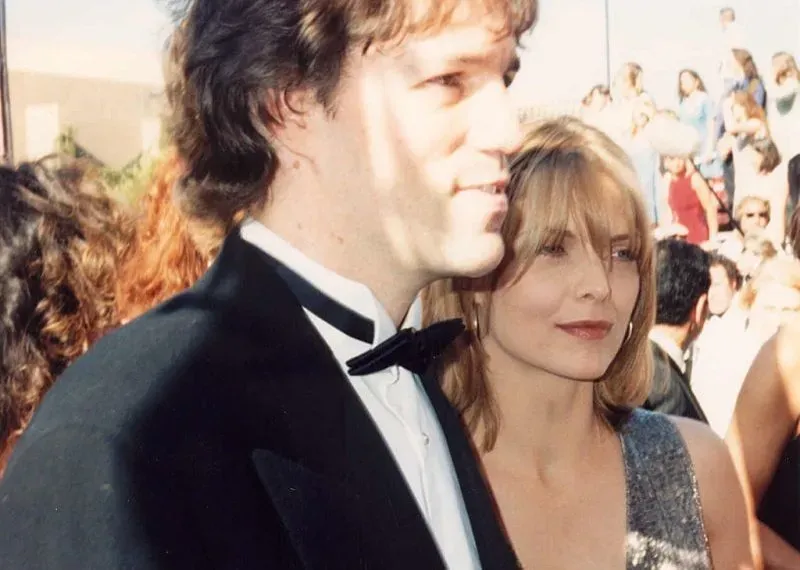
Following up one of the most successful movie musicals ever was always going to be tough. Grease 2 earned far less than its predecessor, and reviewers were harsh. Michelle Pfeiffer’s starring turn was noted by some critics, yet the film as a whole was dismissed.
Cable airings and home video slowly changed that. Pfeiffer’s performance as Stephanie Zinone, plus songs such as “Cool Rider,” attracted a loyal following. Today it’s often screened at special events, and fans defend it with real enthusiasm.
Newsies (1992)
Disney’s story about the newsboys’ strike of 1899 fared badly in theaters. It grossed only a small fraction of its reported budget of around fifteen million dollars, and critics weren’t kind. The film was largely seen as an expensive failure.
Home video and repeat airings on the Disney Channel changed its standing. Kids who watched it again and again turned the film into a cult favorite, with Christian Bale’s early performance adding to the appeal. That devotion eventually led to a stage version, which reached Broadway in 2012 and won Tony Awards for its score and choreography.
Cry-Baby (1990)

John Waters made this affectionate parody of 1950s teen musicals with a major studio, Universal, and a cast led by Johnny Depp. In theaters it earned less than its budget of roughly twelve million dollars. Reviews were mixed, and the film didn’t reach a broad audience.
Cable showings and video rentals did what the release couldn’t. Fans found its offbeat humor and songs, and it became a staple of late night viewing. A stage musical adaptation followed in 2008, a sign of how far its reputation had come since 1990.