Movie history is full of happy accidents. A line gets thrown out on set, a director keeps rolling instead of cutting, and suddenly a minor role becomes the reason people remember the film at all. Some of the most beloved characters in cinema exist only because someone broke from the page, whether that meant reshaping a role entirely or adding one that had never been written down. What follows are seven cases where the character audiences fell in love with was never quite the character the screenwriter had typed out.
1. Captain Jack Sparrow

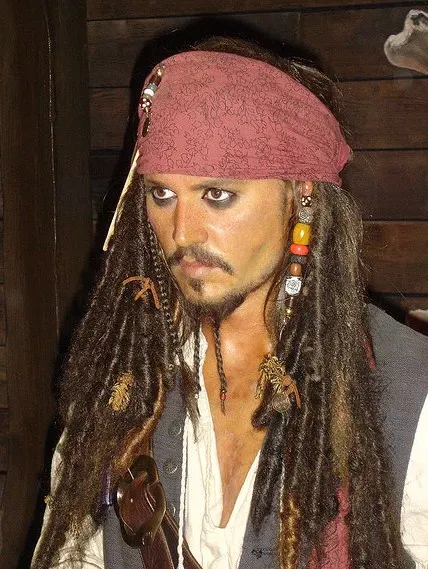
When Ted Elliott and Terry Rossio wrote the first Pirates of the Caribbean script, the original scriptwriters saw Jack as fulfilling a kind of ‘comic relief’ role, a bumbling, uncomplicated character swept along with the plot who existed to make jokes. That is not the Jack Sparrow anyone remembers. During production, Jack Sparrow was conceived as a supporting role, but as the storyline of the series progressed, actor Johnny Depp gained recognition as the breakout performer in the role.
Depp built the character from scratch on set, borrowing his physicality and cadence from rock musicians rather than pirate tropes. Johnny Depp’s frequent use of “Savvy?” as Captain Jack Sparrow was largely improvised, with Depp drawing inspiration from rock stars like Keith Richards to infuse his character with quirky mannerisms and speech patterns. Even a stumble down a staircase turned into a scene, since Johnny Depp’s Captain Jack Sparrow was apparently not supposed to fall down the stairs, but he managed to hop right back up and continue by breaking into a bit of improvised singing.
2. Tony Stark’s Iron Man reveal

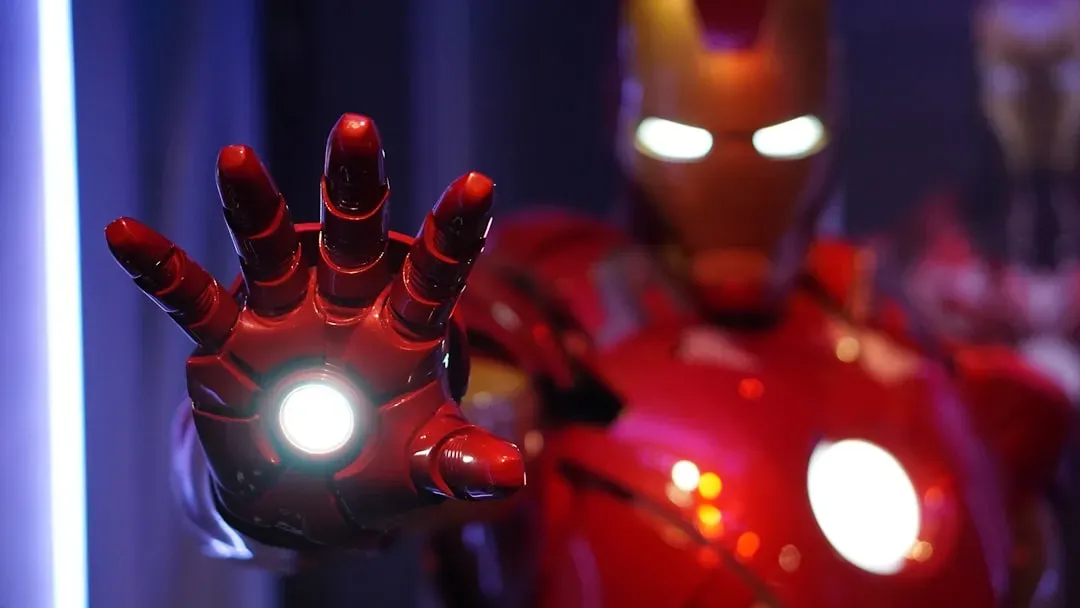
The version of Tony Stark that launched the entire Marvel Cinematic Universe was, in many ways, built in the moment. A lot of the movie’s dialogue was improvised by the actors, including leading man Tony Stark, played by Robert Downey Jr, meaning the hero who would lead the MCU for most of its first few phases was partially developed by Downey himself. That is a striking admission for a franchise that now runs on tightly controlled continuity.
The film’s closing beat, arguably the single most consequential moment for everything that followed, was not on the page either. Tony Stark’s final press conference was supposed to follow a scripted alibi, but Robert Downey Jr took a different route, and Marvel producers kept it, seeing it as the perfect match for Stark’s ego and unpredictability, reshaping the entire tone of the Marvel Cinematic Universe going forward. Without that ad-lib, the MCU as fans know it might never have found its voice.
3. Han Solo, the reluctant hero

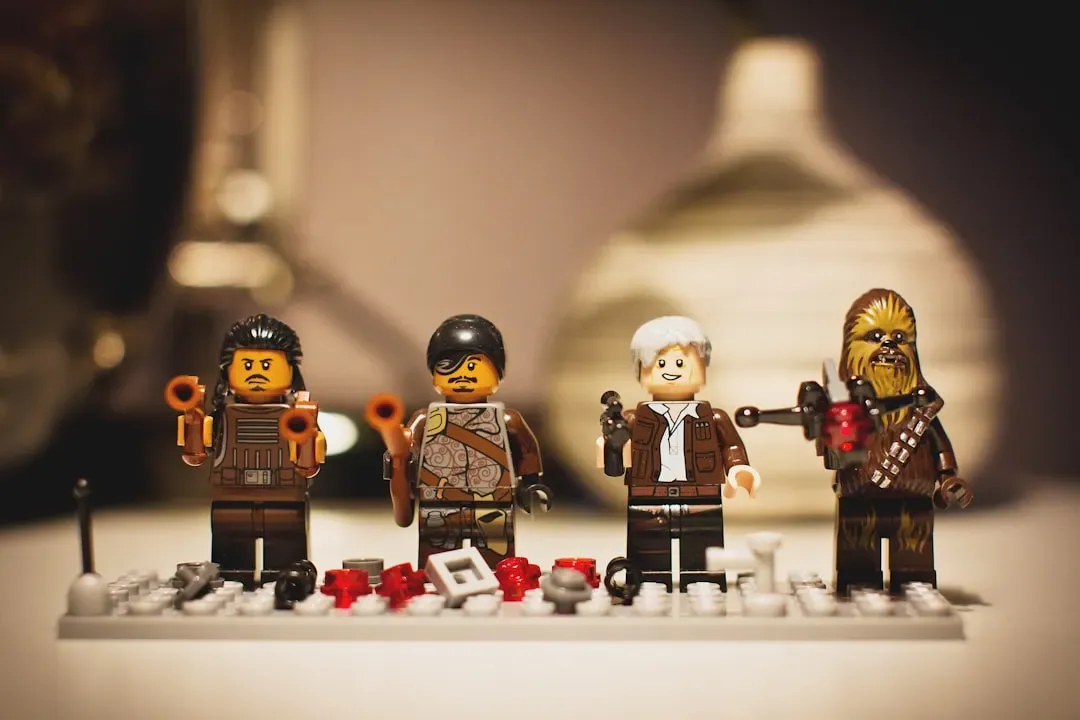
Han Solo’s rougher edges came from Harrison Ford pushing back on his own dialogue. In The Empire Strikes Back, the script called for a much softer exchange, but Harrison Ford improvised the line “I know” in response to Princess Leia’s “I love you,” since the original script had Han Solo replying with “I love you too,” but Ford felt it didn’t suit his character. That single word reshaped how audiences read the character for decades.
The same instinct shaped Han’s introduction years earlier. During filming of Star Wars: A New Hope, Harrison Ford, playing Han Solo, reacted quickly and shot the alien Greedo without waiting, establishing Han as a ruthless, unpredictable smuggler, a shade of grey rarely seen in heroes at the time. George Lucas later revisited the scene in re-releases, but the instinctive version is the one that defined Han Solo for a generation of filmgoers.
4. Peter Venkman’s dry wit

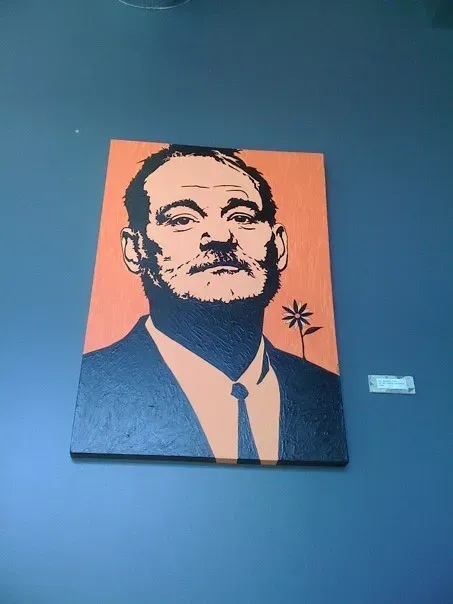
Ghostbusters gave the world a scientist hero who barely acted like one, and that was largely down to the actor rather than the script. This supernatural comedy actually features quite a bit of improv from its actors, but easily the most noticeable is the iconic lines spoken by Peter Venkman, whose dry sarcastic wit is actor Bill Murray all over. The character on the page was a scientist with dialogue; the character on screen was something closer to Murray’s own comic persona.
Murray’s reputation for departing from scripts was already well established by the time Ghostbusters came together. Murray is famous for improvising in movies, and without his deadpan, on-the-spot delivery, the film would likely have been far less funny. Venkman’s sarcasm became such a defining trait that later Ghostbusters projects have leaned on that same dry energy as a shorthand for the character.
5. Roy Batty’s humanity

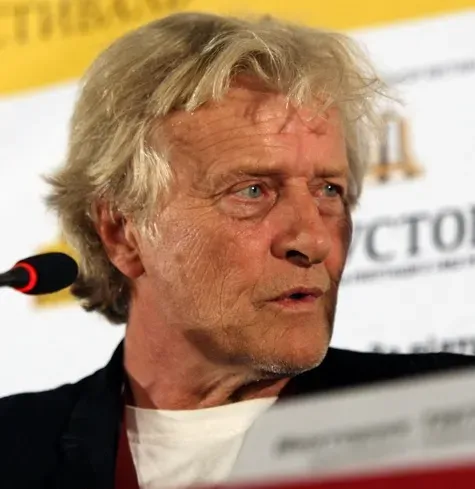
Blade Runner’s replicant antagonist was written as a menacing figure, but one unscripted moment gave him an entirely different emotional register. This unscripted moment added depth and humanity to his character, Roy Batty, and became a defining scene in the film, encapsulating themes of life and mortality and leaving a lasting impact on audiences. That single addition is often credited with turning Roy Batty from a straightforward villain into one of science fiction’s more haunting figures.
The moment worked precisely because it broke from expectation. Audiences walked in expecting a cold, mechanical adversary and instead got a character wrestling visibly with mortality, a shift that reportedly came together on the day rather than in earlier drafts. It is the kind of change that only survives because a director recognized its power in the moment and chose not to cut it.
6. Miracle Max

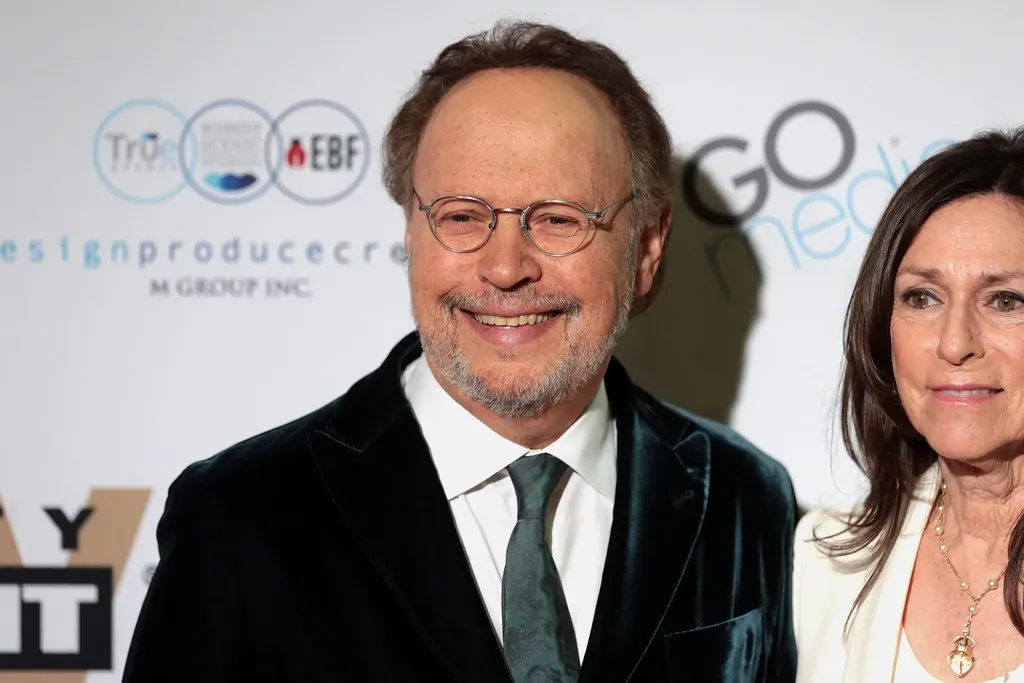
The Princess Bride’s Miracle Max existed in William Goldman’s novel and script, but the character audiences quote today is largely Billy Crystal’s invention. Along the way, the heroes encounter a number of obstacles, enemies and allies including Miracle Max, played by Billy Crystal, who was allowed to ad-lib a lot of his scene, including the line about just how good an MLT sandwich is, and had everyone in stitches. The sandwich riff has become one of the most quoted bits of the entire film.
Crystal’s willingness to riff extended beyond a single line, giving the healer a comic rhythm that reportedly was not fully present on the page. The scene stands out precisely because it interrupts the film’s fairy tale tone with something looser and more contemporary, and that contrast is part of what makes the character memorable decades later.
7. Boy Sweat Dave


Not every entry on this list involves a script that merely evolved. Josh Hartnett’s character in Guy Ritchie’s Wrath of Man is a rare case of a role being added outright once production was already moving. Hartnett revealed that his character of Boy Sweat Dave was not included , and his casting only came about after an actor who was set to play the role no longer was attached to the production.
That kind of last-minute addition is unusual for a role that ends up as memorable as this one became within the ensemble. Rather than a small patch job, Boy Sweat Dave developed into one of the film’s more distinctive supporting figures, proof that a character conceived out of necessity can still land with audiences. It is a reminder that scripts remain living documents right up until cameras roll, and sometimes well after.
Taken together, these seven examples say less about sloppy screenwriting and more about how collaborative filmmaking actually works. A script is a starting point, not a finished blueprint, and the gap between the two is where some of film history’s most quoted characters have quietly been born.