Some movies arrive fully formed – so confident in what they are that they feel almost impossible to follow. The first film sticks the landing, leaves audiences stunned, and earns a permanent place in the culture. Then, somewhere down the line, a sequel gets greenlit, and the whole thing starts to unravel.
It’s a pattern Hollywood keeps repeating, and the damage isn’t always limited to the follow-up itself. A bad sequel doesn’t just waste time, money, and creative energy – it retroactively diminishes what made the earlier picture special. These seven films know that feeling all too well.
1. Jaws (1975) – Undone by Three Increasingly Bizarre Sequels
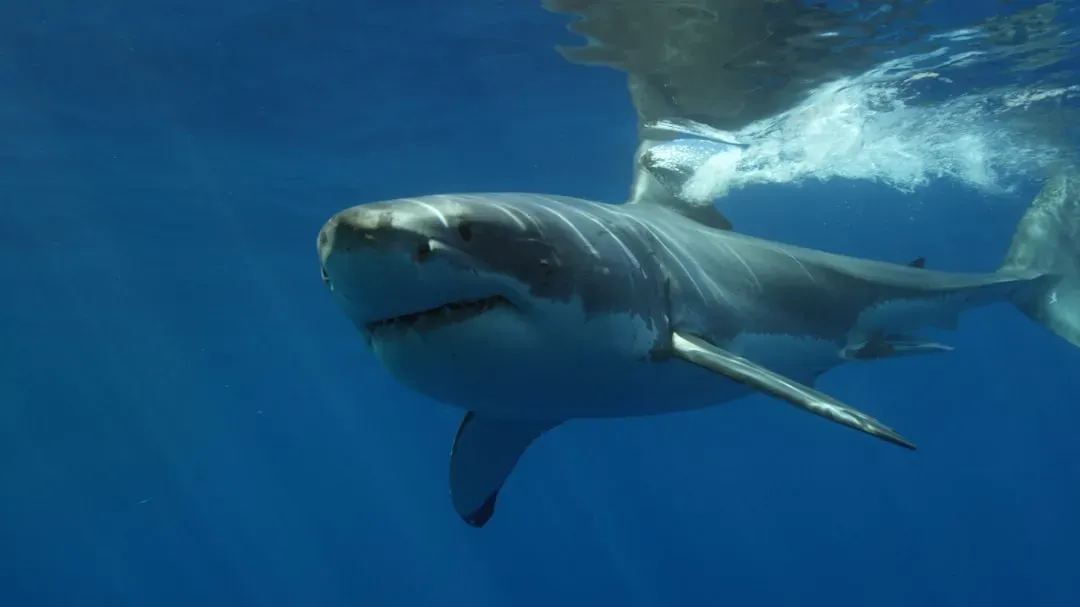
Steven Spielberg’s Jaws was a cinematic landmark, a moment that ushered in blockbuster filmmaking like no production before it. Looking back, it’s easy to see why – even apart from the premise, the poster, and the sheer mass appeal, it’s a movie that is almost perfect. It changed the way movies are made and marketed, and is often credited with starting the summer blockbuster trend.
In the 12 years following the release of Jaws, three new movies followed killer sharks and various members of the Brody family. They hopped locations, changed premises, and in one case completely ignored some of what came before. The final entry, Jaws: The Revenge, was a financial and critical failure that currently holds a 0% approval rating on Rotten Tomatoes. The sequels failed because they abandoned the original’s storytelling principles – careful suspense, coherent character arcs, and disciplined restraint – in favor of spectacle, franchise expediency, and uneven creative teams.
2. The Matrix (1999) – A Franchise That Couldn’t Escape Its Own Shadow
Directed by the Wachowskis and starring Keanu Reeves, Carrie-Anne Moss, Hugo Weaving, and Laurence Fishburne, The Matrix redefined what action films could be in the modern era, both in terms of its highly influential visuals and as a story that married together themes of science, philosophy, and technology. Many considered it the best sci-fi movie of all time, and praised it for its action sequences and outstanding special effects.
A victim of its own success, the Matrix sequels had a large hill to climb. Filmed back-to-back and released a year apart, Reloaded and Revolutions shifted their focus off the digital divide so carefully explored in the first movie, telling instead the “real-world” story of Zion, the last underground human city fighting to turn the tide of the battle against the machines. The Matrix Resurrections then fell into all the same traps as the legacy sequels it mocked, rehashing the original movie’s most iconic moments for cheap, nostalgic fan service.
3. Indiana Jones and the Raiders of the Lost Ark (1981) – Crystal Skull Cracked the Foundation
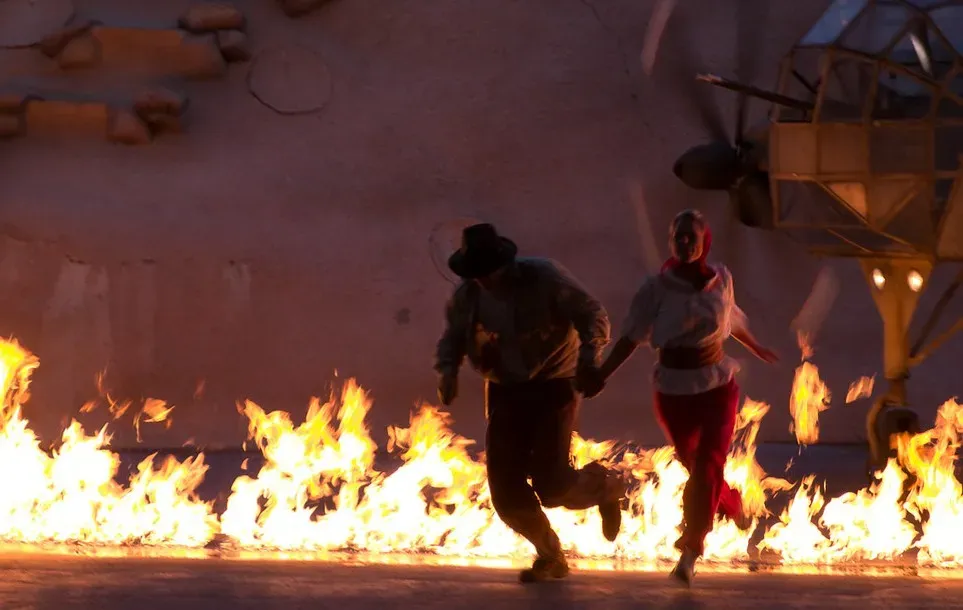
The original Raiders of the Lost Ark introduced one of cinema’s most beloved characters and spawned two solid sequels in Temple of Doom and The Last Crusade. The trilogy set a high-quality bar for the movies, video games, and TV shows they would go on to influence. It was a franchise that felt genuinely timeless – until it wasn’t.
Helmed once again by Steven Spielberg, Kingdom of the Crystal Skull promised to reunite old fan favorites while simultaneously moving the franchise forward. Instead of creating a succession plan for the new generation, the film was most successful at alienating its biggest fans. With a few ludicrous setpieces and a lead-lined refrigerator, the sequel transformed the aging Harrison Ford from an underdog adventurer into a superhuman force of nature. It felt like the studio wanted to shoehorn in as many spinoff possibilities as they could, and yet the only real takeaway was that fridges can somehow withstand nuclear explosions.
4. Independence Day (1996) – Resurgence Killed the Franchise Before It Could Begin
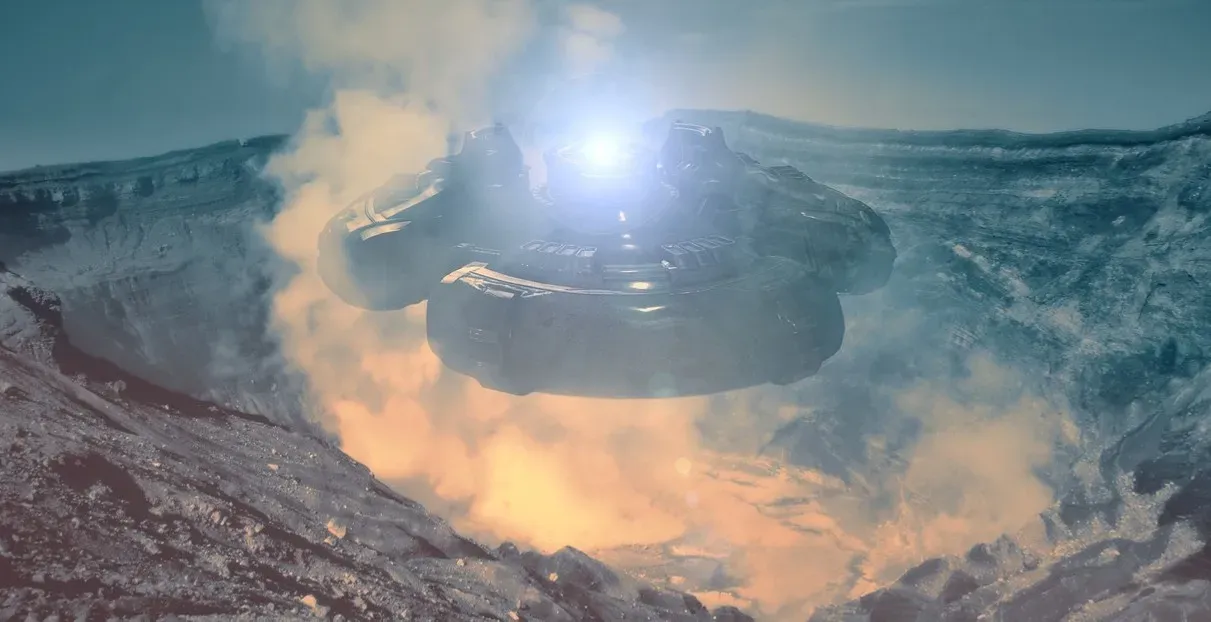
The alien invasion thriller Independence Day released on July 3, 1996, with impressive special effects and fantastic setpieces that wowed audiences. It went on to become the highest-grossing film of that year, led by rising stars Will Smith and Jeff Goldblum. It was an optimistic movie that looked toward global unity and spoke to the can-do attitude that everything would be alright.
Independence Day: Resurgence was so unlike the original film. Whereas the first movie is a time capsule of 1990s optimism and a strong concept stand-alone film, the sequel is everything wrong with modern Hollywood – an attempt to turn a movie into a franchise by expanding it with lore and backstory, telling only half a story and ending on a cliffhanger that set up a sequel that would never come. It got even worse reviews than the first film and flopped at the box office, killing any chance for further sequels.
5. Spider-Man 2 (2004) – Spider-Man 3 Stumbled at the Finish Line
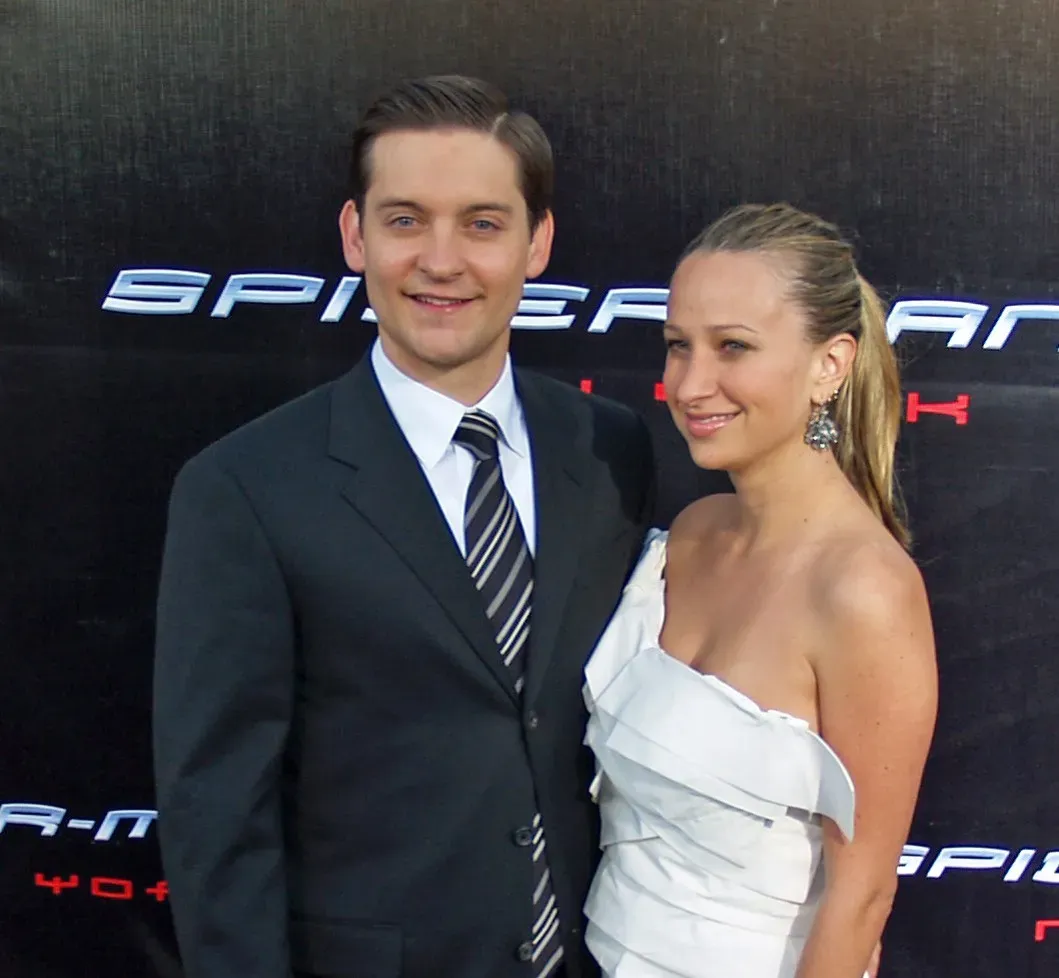
Many fans and critics recognize Sam Raimi’s Spider-Man 2 as one of the best superhero films ever made. Tobey Maguire and Alfred Molina play student and teacher, respectively, and their on-screen chemistry lights up the screen as Peter Parker finds a perfect mentor and subsequently loses him. The first two films in Raimi’s trilogy earned genuine respect – a rare thing in the superhero genre at the time.
While the first and second Spider-Man films were masterclasses in contained storytelling, Sony felt more was better for Spider-Man 3. This threequel featured more action, more villains, and a more convoluted storyline. The result was a bloated CG-fest, with Peter in a love triangle and a notorious jazz scene that burned itself into fans’ collective memory. The film effectively ended Raimi’s era and left an otherwise near-perfect franchise on a deeply sour note.
6. Highlander (1986) – The Quickening Rewrote Everything Fans Loved
The original Highlander arrived in 1986 as a genuinely unique fantasy action film, mixing Scottish immortals, Queen’s soundtrack, and an emotionally resonant story about what it means to truly be alone across centuries. It built a devoted cult following and is still remembered fondly decades later. No franchise is immune to the arrival of at least one duff sequel – yet it’s worth sparing a thought for those that probably would have been better off remaining as classic standalone movies.
Highlander II: The Quickening threw logic out the window entirely. A bizarre alien origin story and messy plot betrayed the original’s mystique, alienating fans and nearly killing the franchise outright. The original film had carefully avoided explaining too much – that restraint was a big part of its appeal. The sequel did the exact opposite, inventing a new mythology that contradicted the first film at almost every turn and left audiences baffled by what they were watching.
7. Alien (1979) – Alien 3 Erased What Aliens Had Built
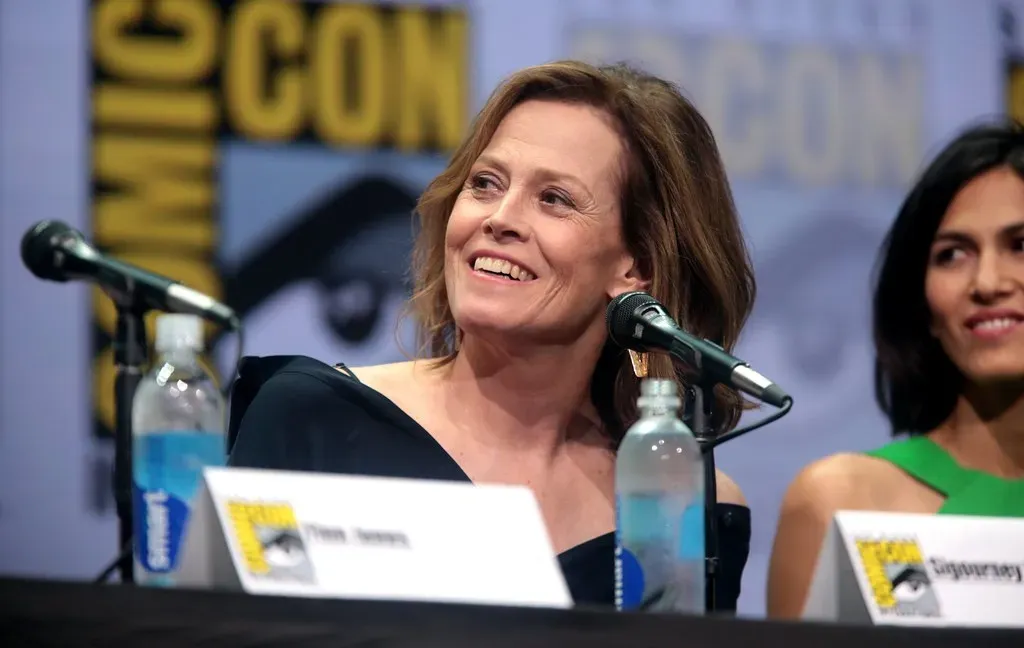
Ridley Scott’s Alien was a masterpiece of slow-burn horror, and James Cameron’s follow-up Aliens in 1986 is one of the rare sequels that genuinely matched its predecessor – just in an entirely different key. Together, the two films created one of the most beloved action-horror pairings in cinema history, anchored by Sigourney Weaver’s Ripley and a cast of characters audiences genuinely cared about.
While Ripley was undoubtedly the star of Aliens, that movie doesn’t work without Newt and Hicks. Alien 3 didn’t care. Newt and Hicks die offscreen in the film’s opening act, and the franchise’s emotional heart goes with them. By prioritizing more Xenomorph scares above consistent characters or story integrity, Alien 3 lost the special touch that makes the original films classics to this day. What took two films to carefully build was dismantled in the first ten minutes of the third.
The frustrating thing about all seven of these cases is that the originals haven’t actually disappeared. They still hold up. They still work. The trouble is that once a bad sequel exists, it’s nearly impossible to fully unsee it – and the memory of sitting through a disappointing follow-up has a quiet way of coloring everything that came before.