Most history books focus on the big cities where laws get signed and marches make front pages. But a surprising number of the country’s most consequential movements actually started in places you could drive through in five minutes without noticing. A crossroads town, a farming community, a river settlement with a few thousand residents. These places didn’t ask for the spotlight, yet they ended up reshaping how millions of people think about rights, labor, and belonging. What follows is a look at nine of those towns, the moments that put them on the map, and why their names still carry weight decades later.
1. Seneca Falls, New York
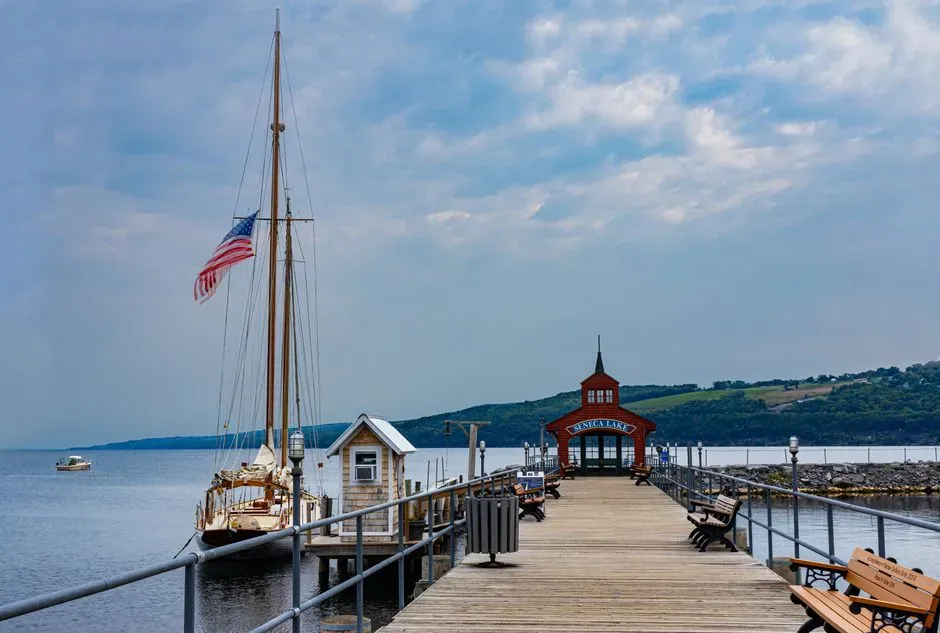
In July 1848, a small canal town in the Finger Lakes region hosted a gathering that would eventually be recognized as the formal start of the American women’s rights movement. Five women, including Elizabeth Cady Stanton and Lucretia Mott, organized what became known as the Seneca Falls Convention after deciding over conversation that something needed to change. The event was organized by five women who discussed their lives and challenges over tea, then placed an advertisement in local newspapers about a convention to discuss the condition of woman.
Roughly three hundred people showed up at the Wesleyan Chapel, far more than the organizers expected. The Declaration of Sentiments they debated included a list of sixteen demands to improve the lives of women, including the right to an education, property ownership, and voting, and around three hundred people attended. The town still marks the anniversary every summer, and in 2025 the commemoration doubled as a nod to the Erie Canal’s bicentennial, since Seneca Falls took its name from waterfalls connected to the Erie Canal and became a crucible of change in 1848.
2. Selma, Alabama
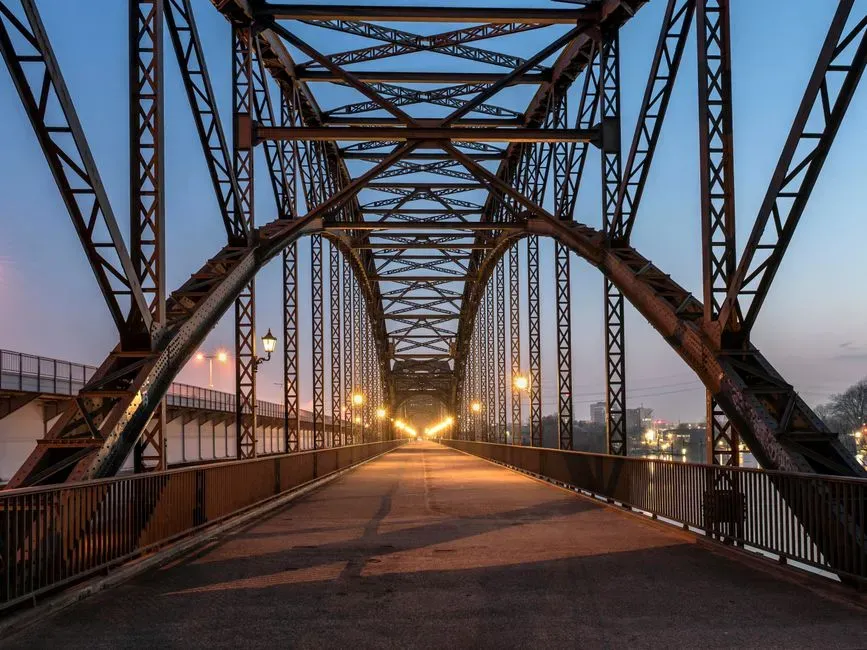
Selma is inseparable from a single Sunday in March 1965, when peaceful voting rights demonstrators tried to cross a bridge and were met with violence that shocked the country. On March 7, 1965, a group of about 525 mostly African-American demonstrators gathered at Brown Chapel A.M.E. Church and attempted to march to Montgomery, only to be met by state troopers and brutally beaten, leaving at least 17 hospitalized and 40 others treated for injuries. The images from that day traveled fast, and they mattered.
Within months, the outrage translated into federal action, since the attack shocked the nation and galvanized support for the U.S. Voting Rights Act of 1965. Selma has never let the memory fade. Every March, survivors and their families return to walk the Edmund Pettus Bridge again, and in 2025 the town marked a heavy milestone as elected officials joined large crowds to commemorate the 60th anniversary of Bloody Sunday, with eighty-five-year-old Spiver Gordon among those who had followed John Lewis across the bridge in 1965.
3. Greensboro, North Carolina
On a February afternoon in 1960, four Black college freshmen sat down at a whites-only lunch counter and simply refused to move. On Feb. 1, 1960, Jibreel Khazan, Joseph McNeil, Franklin McCain Sr., and David Richmond seated themselves at Woolworth’s whites-only lunch counter, and students from Bennett College, Dudley High School, and UNC-Greensboro joined the peaceful protest, which others replicated across the country. It was a quiet act with an enormous ripple effect.
Within two months, similar protests had spread to dozens of cities across the South, pressuring Woolworth’s until it finally gave in. The store desegregated on July 25, 1960, after facing boycotts and significant declines in sales. The building itself now houses the International Civil Rights Center and Museum, and it earned a new level of recognition recently when the historic 1929 F.W. Woolworth building was designated a National Historic Landmark in 2024.
4. Delano, California
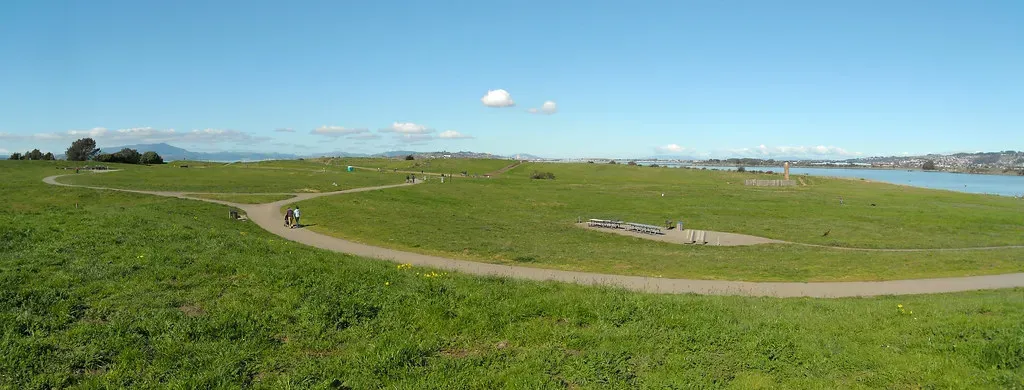
Delano sits in California’s Central Valley, surrounded by the vineyards that made it famous for reasons far beyond wine. In September 1965, Filipino American farmworkers walked off the job over unfair pay, and Filipino farm workers organized as the Agricultural Workers Organizing Committee decided to strike against grape growers, then asked the mostly Latino National Farm Workers Association, led by Cesar Chavez, to join them. That partnership changed everything.
The two groups merged the following year, and in August 1966 the organizations combined to form the United Farm Workers, a union built around nonviolent protest aimed at improving wages, education, housing, and legal protections for migrant laborers. The strike dragged on for years before growers finally relented, and by the end, the historic strike had lasted more than five years, resulted in contracts for more than ten thousand workers, and launched the UFW while making Cesar Chavez one of the most celebrated figures of the twentieth century.
5. Homestead, Pennsylvania
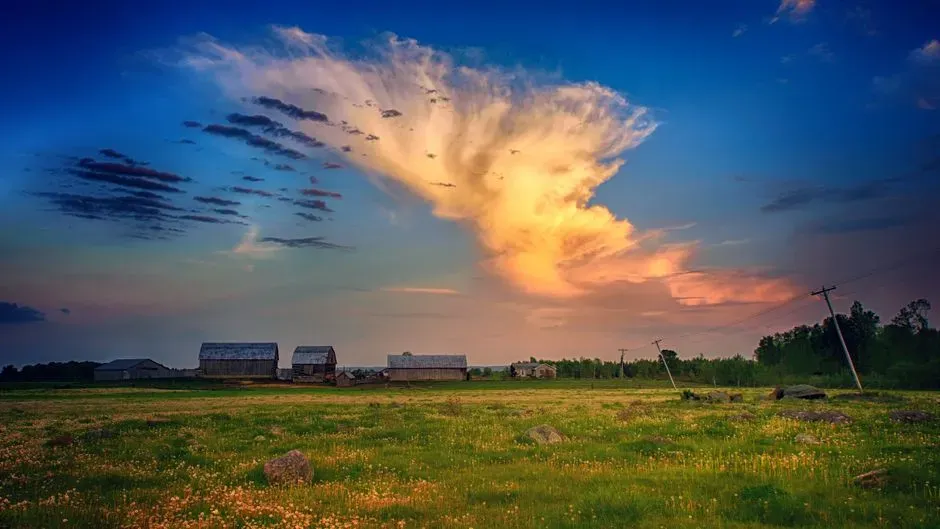
Homestead is a small steel town along the Monongahela River, and in the summer of 1892 it became the site of one of the most violent labor confrontations in American history. Workers at the Carnegie Steel plant, angry over wage cuts and the company’s refusal to negotiate with their union, clashed with armed Pinkerton agents brought in to break the strike. The battle left several men dead on both sides and drew national attention to the growing tension between industrial owners and the workers who kept their mills running.
Though the strike itself ended in defeat for the union, it became a lasting symbol in the American labor movement, cited for decades afterward as proof of how far companies would go to suppress organizing. Homestead’s steel mills are long gone, but the town’s name still surfaces in labor history courses as shorthand for the brutal clashes that eventually pushed the country toward stronger worker protections. The Rivers of Steel National Heritage Area now preserves parts of the old mill site for visitors who want to understand what happened there.
6. Harpers Ferry, West Virginia
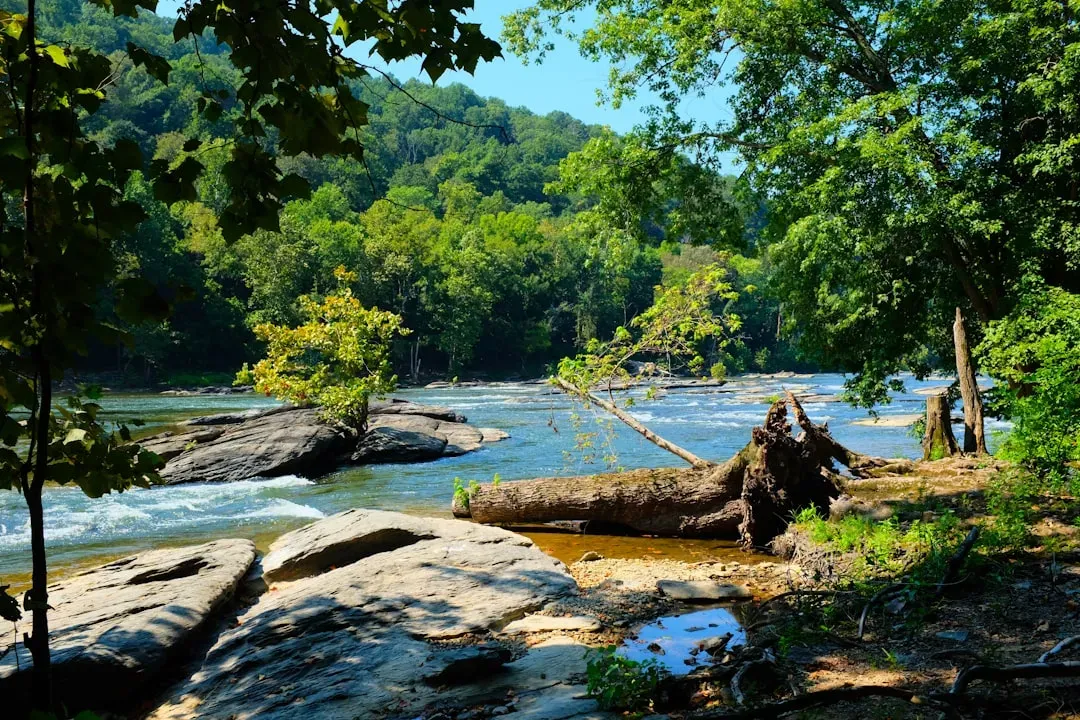
Harpers Ferry is a tiny town wedged where the Potomac and Shenandoah Rivers meet, and in October 1859 it became the target of abolitionist John Brown’s raid on the federal armory. Brown believed a sudden strike against the arsenal could spark an uprising against slavery, and though the raid itself failed within days, its shockwaves reached far beyond the town’s few streets. He was captured, tried, and hanged within weeks, but his conviction that slavery had to end by force stuck with the country.
The raid deepened the divide between North and South at a moment when compromise was already running out. Many historians point to Harpers Ferry as one of the sparks that made the Civil War feel inevitable rather than avoidable. Today the town is preserved as a national historical park, and visitors can walk the same narrow streets where Brown’s small band made its stand.
7. Philadelphia, Mississippi
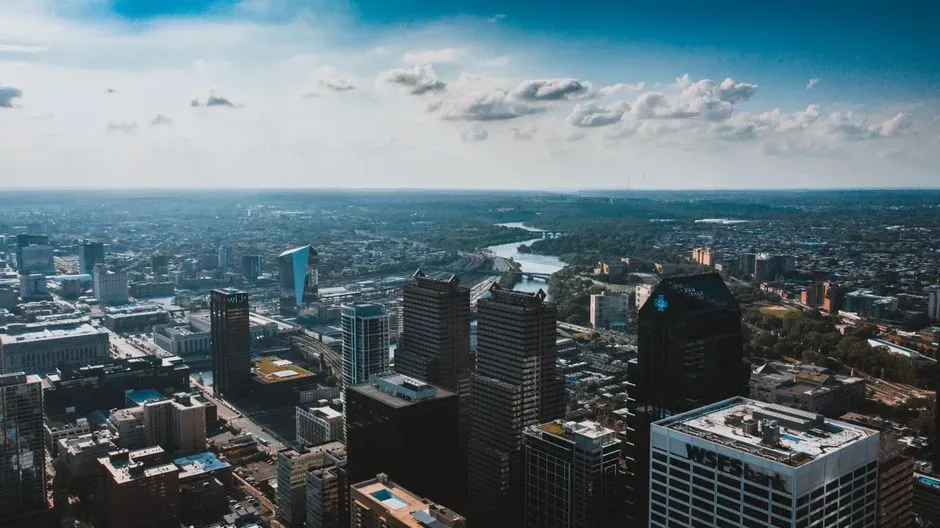
Philadelphia is a modest county seat in rural Mississippi, and it became a grim landmark of the civil rights era in the summer of 1964. Three young civil rights workers, part of the Freedom Summer campaign to register Black voters, were murdered near the town by local Klansmen working with law enforcement. Their disappearance and the search that followed became a national story, forcing many Americans to confront the violence that voter registration efforts faced in the Deep South.
The case pushed the federal government to intervene more directly in Mississippi, and it helped build momentum for the Civil Rights Act signed that same summer. Decades later, Philadelphia has worked to reckon with that history openly, including public commemorations and a reconciliation effort involving descendants of both victims and perpetrators. It remains one of the clearest examples of how a single town’s tragedy shaped national policy.
8. Wounded Knee, South Dakota
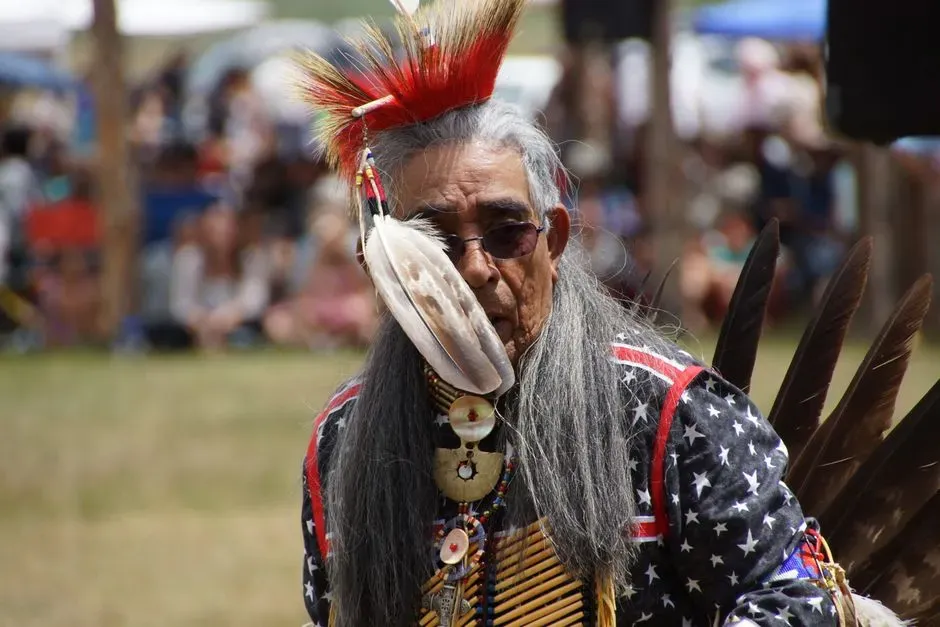
Wounded Knee is barely a hamlet on the Pine Ridge Reservation, but it carries the weight of two separate historic events. The first was the 1890 massacre of Lakota people by U.S. Cavalry troops, a tragedy that hung over the site for generations. The second came in 1973, when the American Indian Movement chose the same ground to make its stand, since members of AIM, the Oglala Sioux Civil Rights Organization, and the Oglala Sioux tribe took control of the site on February 27, 1973, a location holding historical significance due to the 1890 massacre.
What followed was a tense standoff that lasted more than two months, drawing federal marshals, FBI agents, and international media attention. The occupation lasted a total of 71 days, during which two Lakota men were shot to death by federal agents and one federal agent was paralyzed after being shot. The occupiers eventually surrendered, but the event pushed Native American rights and treaty violations into the national conversation in a way few incidents had before.
9. Ludlow, Colorado
Ludlow was little more than a coal camp in southern Colorado when it became the site of one of the deadliest chapters in American labor history. In April 1914, striking coal miners and their families were living in a tent colony after being evicted from company housing, protesting dangerous conditions and low pay at mines controlled largely by the Rockefeller family. When Colorado National Guard troops attacked the camp and set fire to the tents, dozens of people died, including several women and children who suffocated while hiding in a pit dug beneath one of the tents.
The massacre triggered a wave of outrage that forced changes in how the government regulated relations between companies and organized labor. It also pushed John D. Rockefeller Jr. to fund one of the earliest company-sponsored labor reform programs, a response born directly out of public fury over what had happened. A stone monument now stands at the site, maintained by the United Mine Workers of America, marking a place that few outside labor history circles remember but that changed how American industry treated its workers.
Each of these towns proves the same point in a different way. Historic change rarely waits for a big stage. It tends to start small, in places with a handful of streets and a population most people couldn’t name, before spreading outward until the whole country has to pay attention.