There’s a strange irony buried in music video history. While studios have churned out entire feature films on shoestring budgets, a handful of pop stars spent more money on a four-minute clip than it took to make some of cinema’s most celebrated movies. Paranormal Activity was shot for around fifteen thousand dollars. Robert Rodriguez made El Mariachi for about seven thousand. Meanwhile, a handful of music videos quietly blew past millions, treating the format less like a promotional tool and more like a miniature blockbuster. What follows is a look at nine videos where the budget numbers still raise eyebrows decades later, and in one recent case, just a couple of years ago.
1. “Scream” by Michael Jackson and Janet Jackson (1995)
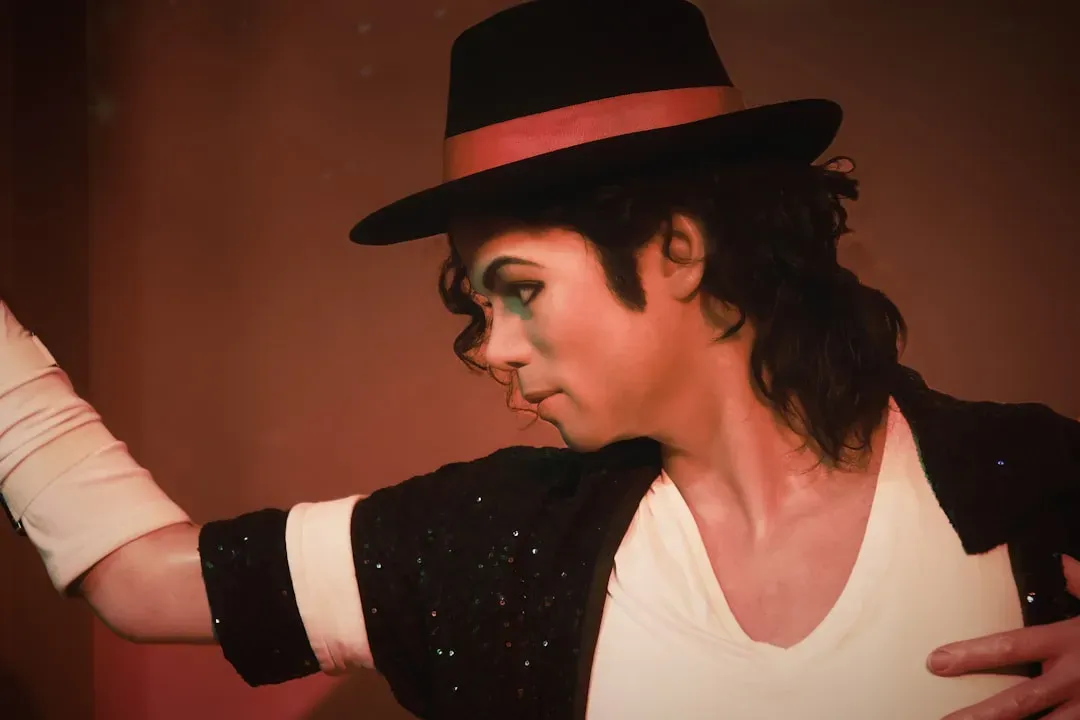
No list like this one starts anywhere else. Directed by Mark Romanek, the video for Michael and Janet Jackson’s hit single Scream cost $7 million to make. That figure earned it a permanent place in the record books, and it still tops most rankings three decades on. The astronomical budget was driven by the construction of 11 different custom-built sets on seven soundstages.
A huge chunk of that money never even touched the screen. Roughly $2 million of the budget was spent on Michael and Janet’s assistants, trailers, campers, and security guards alone. For comparison, that single line item alone would have comfortably funded most of the ultra-low-budget horror films that later became cult classics. It’s a reminder that celebrity logistics can cost nearly as much as the art itself.
2. “Ghosts” by Michael Jackson (1997)
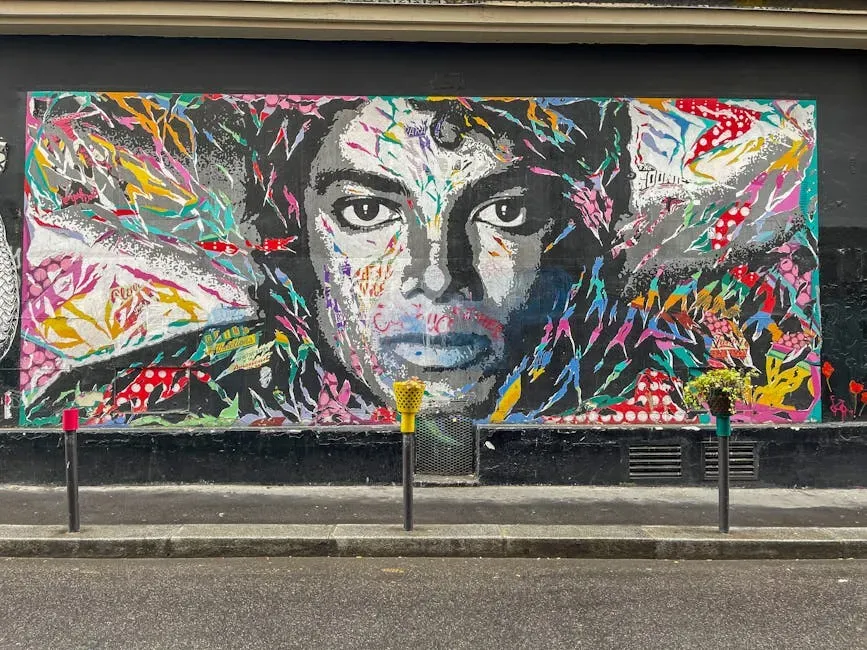
Jackson shows up twice on this list, and for good reason. His nearly forty-minute short film “Ghosts” pushed the definition of a music video to its absolute limit, and the price tag followed suit. A writer for the project stated that after several years of production development, it became the most expensive music video ever made, ending up costing about $15 million, all of it out of Michael’s pocket.
Because “Ghosts” runs closer to a short film than a standard clip, it often gets left off official rankings, yet the number stands on its own. Fifteen million dollars would have covered the entire production budgets of several acclaimed independent films of the same era, with money left to spare. It’s the kind of spending that only makes sense when an artist is bankrolling his own vision without a studio looking over his shoulder.
3. “Make Me Like You” by Gwen Stefani (2016)
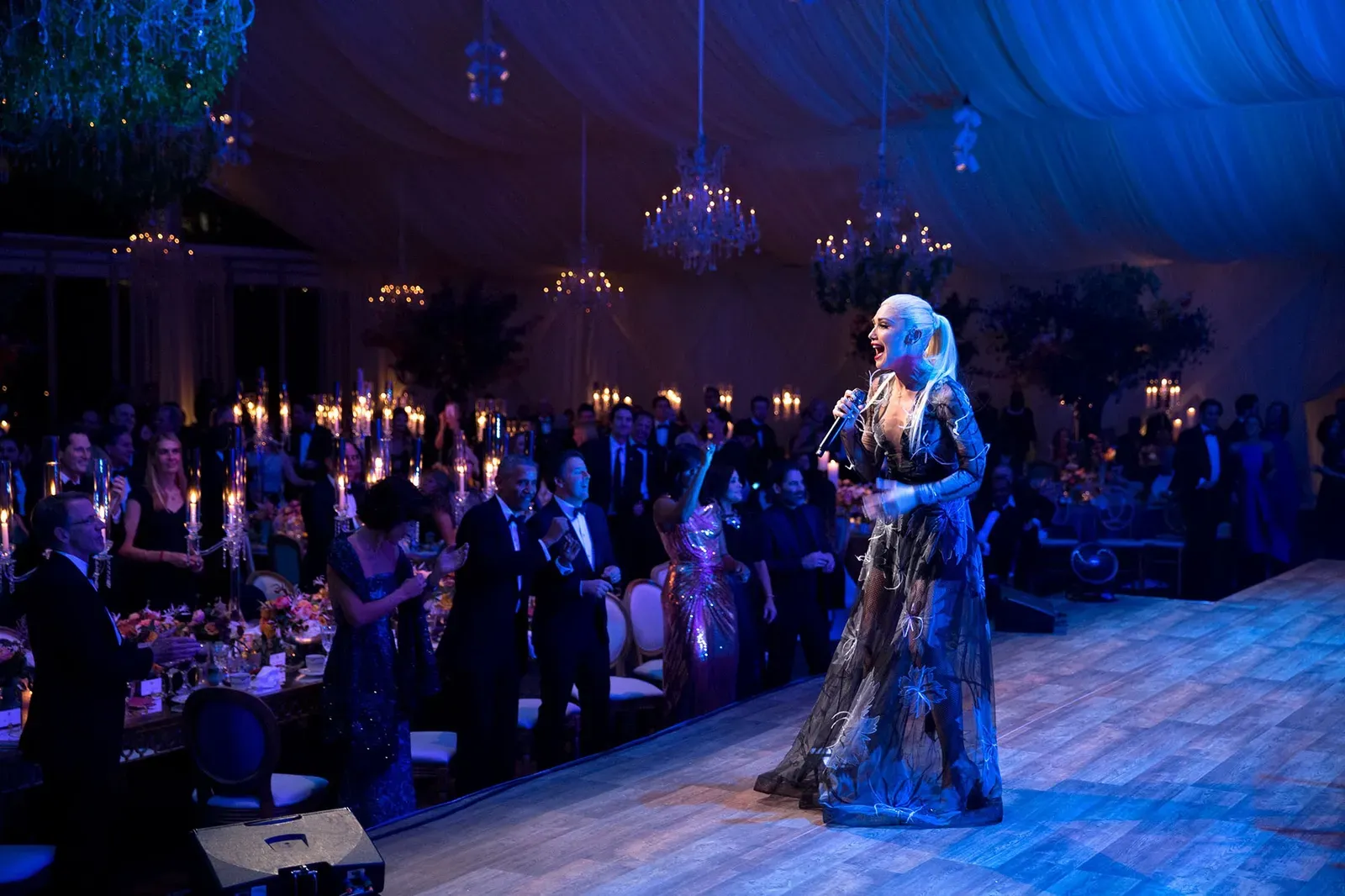
This one broke the mold in a different way. Filmed live during a commercial break at the Grammys, the video required split-second precision from an enormous crew. Choreographer Fatima Robinson led some 40 performers through 11 different sets and Stefani’s seven live costume changes on a cavernous 32,000-square-foot soundstage.
The financial picture gets complicated because Target sponsored the whole event. Billboard estimated Target invested roughly $12 million into the campaign, including $8 million for the airtime alone. Even setting aside the ad spend, the production itself was a costly gamble, and it paid off by making history. Sophie Muller’s video for “Make Me Like You” by Gwen Stefani is both the most expensive music video directed by a woman and the most expensive music video of the 2010s.
4. “Die Another Day” by Madonna (2002)
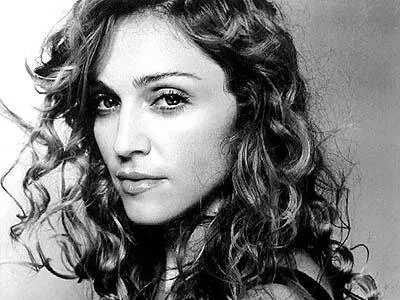
Madonna recorded the theme for the James Bond film of the same name, and the video matched the franchise’s taste for spectacle. In total, it cost $6.1 million to make, which would be adjusted to $10.9 million today. Espionage sets, elaborate costume changes, and stylized fight choreography all added to the final bill.
What’s notable is how the video’s ambitions mirrored the film it was promoting rather than a typical pop clip. Many independent action thrillers of the early 2000s were shot for a fraction of that sum. Madonna’s videos for “Express Yourself” and “Die Another Day” are respectively the most expensive videos of the 1980s and the 21st century.
5. “Express Yourself” by Madonna (1989)
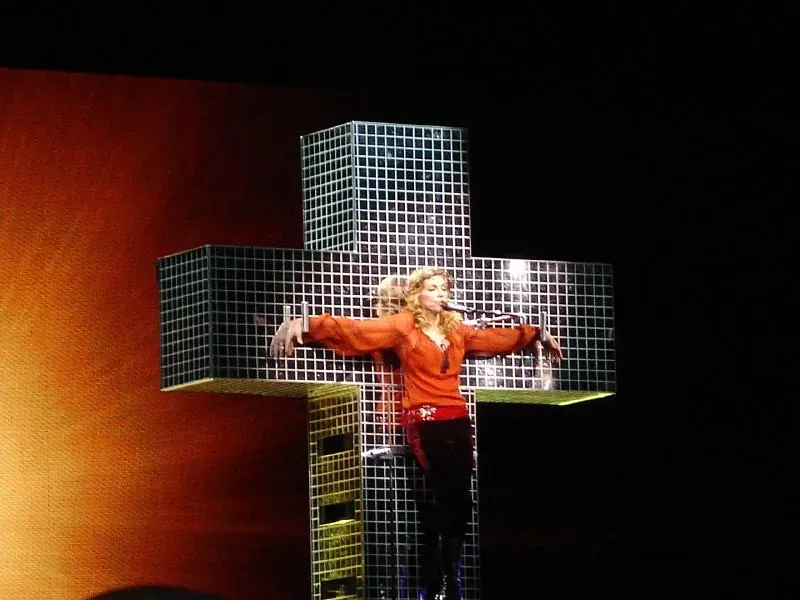
Long before “Die Another Day,” Madonna had already set a precedent for lavish video budgets. “Bedtime Story” and “Express Yourself” each cost $5,000,000 U.S. dollars to make. Director David Fincher, working on one of his earliest high-profile projects, built an industrial, art-deco world that looked more like a feature film set than a pop video location.
Partner offer
Five million dollars in 1989 dollars was a genuinely startling figure for the format at the time. It outpaced the entire production budgets of numerous studio comedies and dramas released that same year. This enormous spend was not in vain, however, as the video received generally positive reviews from critics and is arguably one of Madonna’s most memorable.
6. “Bedtime Story” by Madonna (1995)
Six years after “Express Yourself,” Madonna matched her own record with another five-million-dollar production. Madonna spent $5,000,000 on her music video twice, once in 1989 for “Express Yourself” and then again in 1995 for “Bedtime Story.” The video leaned heavily into surrealist imagery, drawing comparisons to fine art films rather than typical mid-nineties pop visuals.
The scale of the special effects work required for that dreamlike aesthetic explains where much of the money went. It’s worth noting that plenty of respected arthouse films from the same decade were completed on a fraction of that budget. Madonna’s willingness to spend at that level twice within six years says something about how seriously she treated the visual side of her career.
7. “Estranged” by Guns N’ Roses (1993)
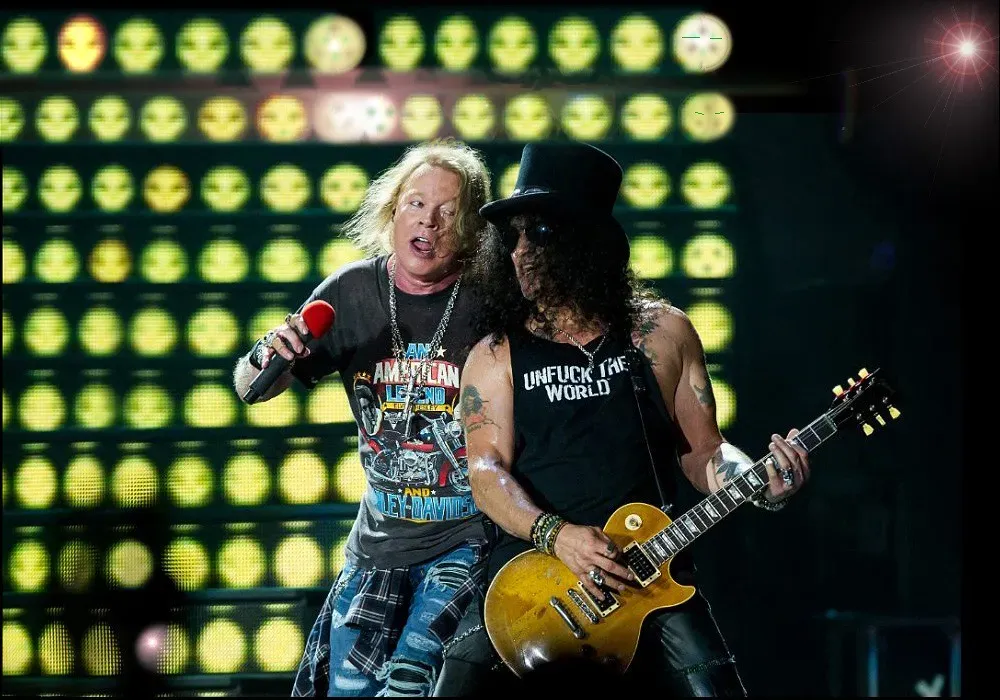
Rock bands rarely spent at this level, but Guns N’ Roses were the exception. Guns N’ Roses’ 1993 video for “Estranged” cost them $5,000,000, which when adjusted for inflation equals roughly $10.9 million today. The nine-minute epic served as the third part of an unofficial trilogy alongside “Don’t Cry” and “November Rain,” complete with sinking ships, dolphins, and dramatic ocean rescues.
Some sources place the figure slightly lower, closer to four million, though even the more conservative estimate still dwarfs most film budgets of the era. Released in December 1993, the video is the third and final part of an unofficial Del James trilogy of videos from the Use Your Illusion albums. Either way, it remains one of the most expensive rock videos ever produced, a genre that rarely competed with pop stars on spending.
8. “Feelslikeimfallinginlove” by Coldplay (2024)
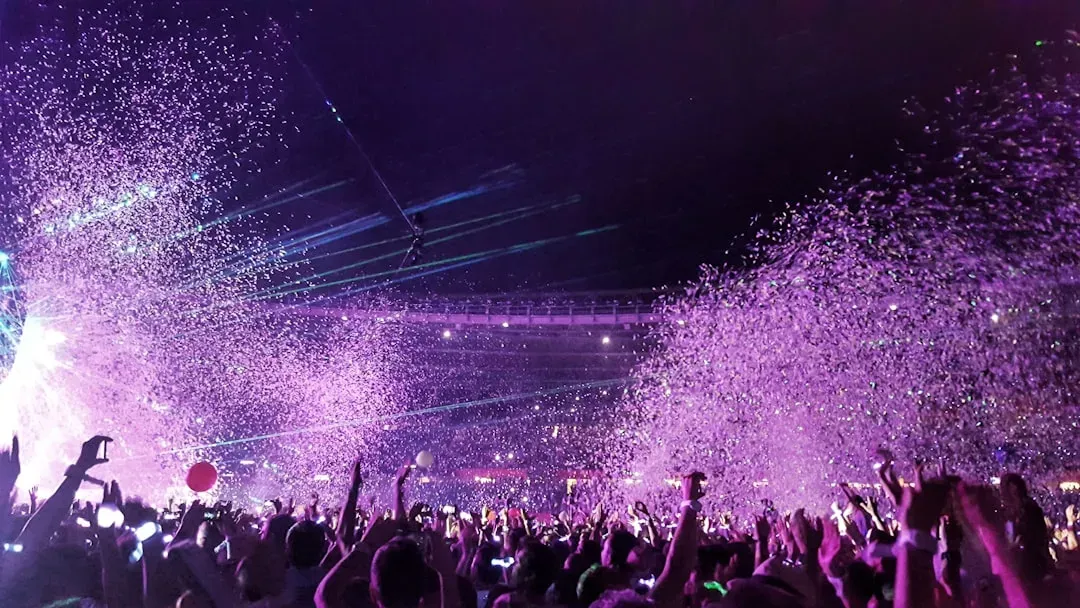
Proof that this trend hasn’t slowed down in the streaming era. Local publications claimed the video had a budget of €3 million, ranking among the most expensive music videos of all time. Shot at the historic Odeon of Herodes Atticus in Athens, the production involved a live audience, a full sign language performance, and an international choir.
Converting to U.S. dollars, most outlets peg the production cost closer to $3.5 million. Dropping with the release on Coldplay’s Moon Music album in 2024, it was shot in Athens, Greece at the Odeon of Herodes Atticus and directed by Los Angeles based director Ben Mor, with a production cost of $3.5 million. That budget currently stands as the largest of the 2020s, a title that will likely be tested again before the decade is out.
9. “Victory” by Puff Daddy featuring The Notorious B.I.G. and Busta Rhymes (1998)
Hip hop’s arrival at the same financial tier as pop and rock came through this one video. “Victory” by Puff Daddy, featuring The Notorious B.I.G. and Busta Rhymes, was a 1998 production that cost $2.7 million. The concept borrowed heavily from the film The Running Man, complete with a dystopian chase sequence.
The cast and effects budget reflected genuine cinematic ambition rather than typical rap video staging. Inspired by the film The Running Man, it featured Danny DeVito and Dennis Hopper in a high-stakes chase, with production that used pyrotechnics and helicopters previously reserved only for pop stars. For Bad Boy Records, the message was less about the song and more about proving hip hop could spend like anyone else in the industry.
Taken together, these nine videos tell a broader story about how the music industry once viewed a single clip as a marketing weapon worth Hollywood-sized investment. Streaming has since changed the math, favoring cheaper, faster content over lavish four-minute spectacles, which makes the Coldplay entry on this list feel almost like an outlier rather than a trend. Whether another artist tries to top these numbers in the years ahead remains an open question, but the era that produced most of this list has largely passed.Partner offer
Planning a trip to Vegas?
Compare hotel rates and show tickets on VEGAS.com.