Every hit song has an origin story, but not all of them start with confidence from the people footing the bill. Some of the most recognizable tracks in music history almost never made it past the executives who controlled the release schedule. What follows are seven cases where label doubt collided with artistic stubbornness, and stubbornness won.
1. Queen, “Bohemian Rhapsody”

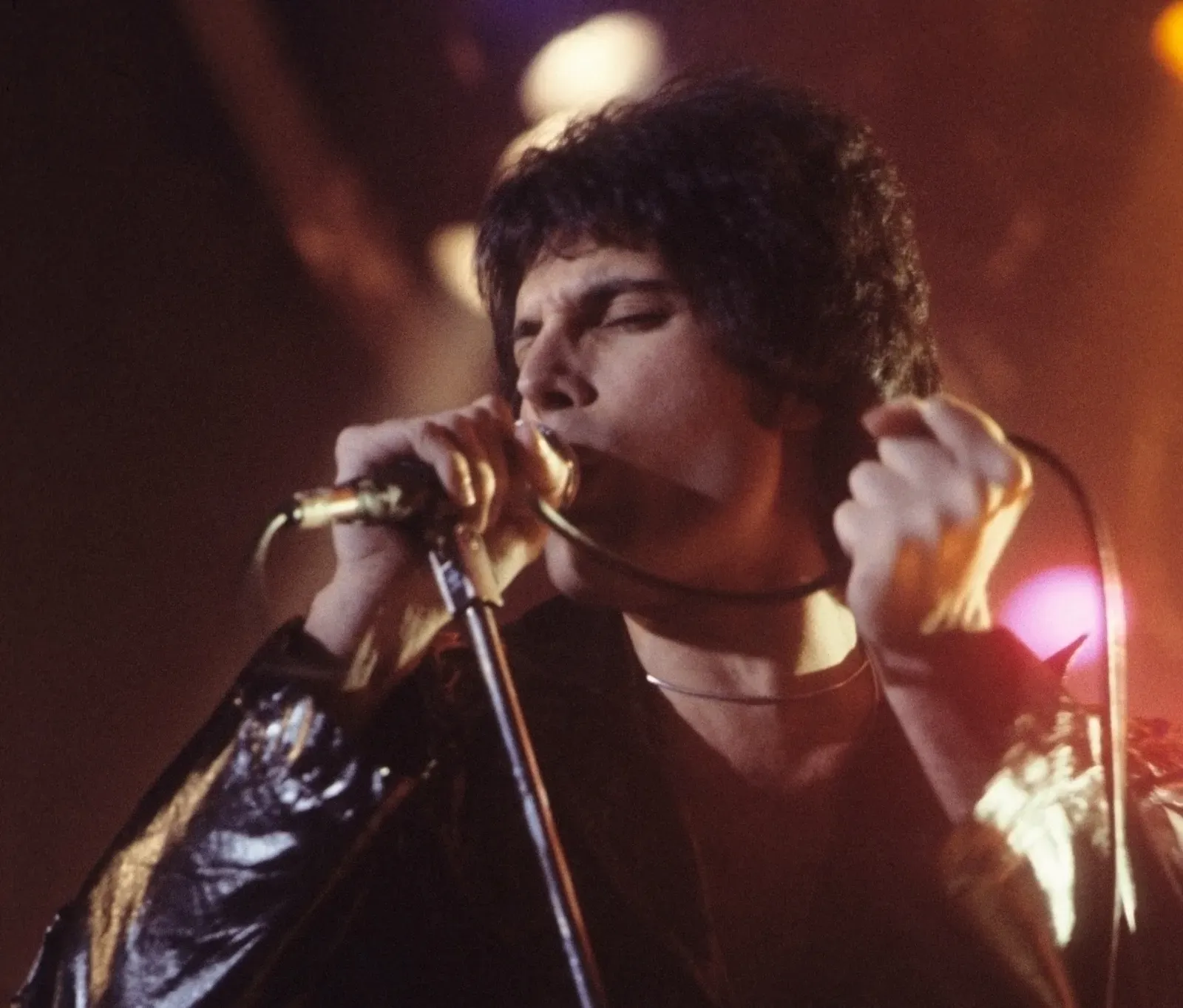
Freddie Mercury had been shaping this song since his art school days, and by the time Queen brought it into the studio for “A Night at the Opera,” it had grown into a six minute, multi-part epic with no chorus and an operatic mid-section sung in mock Italian. The long runtime, stylistic shifts, non-commercial arrangement, lack of a traditional chorus, and confusing lyrics meant that Queen’s record label was initially unwilling to release the song as a single. EMI executives worried that no radio station would play something so far outside the standard format.
Mercury pushed back hard, and according to a well documented biography, “EMI and the industry in general voiced misgivings,” with radio stations wondering what they were supposed to do with a six minute single. Rather than back down, the band leaked the track to DJ Kenny Everett, who played snippets of it, teasing his listeners by saying Queen had given him the biggest song of the year. The public demand that followed made the label’s resistance pointless almost overnight.
2. Bob Dylan, “Like a Rolling Stone”


Dylan’s shift from acoustic folk hero to electric rocker produced a song that ran well past six minutes, twice the length radio programmers considered acceptable in 1965. The sales and marketing staff of Columbia Records, the gatekeepers who decided what songs would and wouldn’t be released as singles, did not agree with Dylan and his manager, since the track was nearly twice as long as the average single and its raw rock sound was outside the label’s comfort zone. For a company built around polished pop vocalists, the recording felt like a commercial risk nobody wanted to take.
The song sat in limbo until a Columbia staffer got an acetate copy played at a New York club. The club DJs played the song on repeat, the crowd loved it, and several watching DJs called Columbia the following morning to request their own copies, so the song was released as a single on July 20, reaching No. 2 in the US Billboard charts and becoming a worldwide hit. It ended up reshaping what a rock single could sound like, length restrictions and all.
3. Radiohead, “Creep”


When Radiohead were choosing singles for their debut album “Pablo Honey” in 1993, this brooding, self-loathing track was passed over. When “Creep” came up as a single choice for the debut album, it wasn’t considered “edgy” enough by the standards of the era’s alternative rock scene. Guitarist Jonny Greenwood reportedly disliked the song so much that he tried to undercut it with abrasive guitar bursts during recording.
Despite the lukewarm internal reception, the song found its own audience outside the label’s plans. US college radio started spinning it, forcing the label to release it as a single, and “Creep” became a hit in 15 countries, reaching number 6 in Australia, number 7 in the UK, and the Top 40 in the US. It later became the song that defined the band’s early career, whether they wanted that or not.
4. Eurythmics, “Sweet Dreams (Are Made of This)”

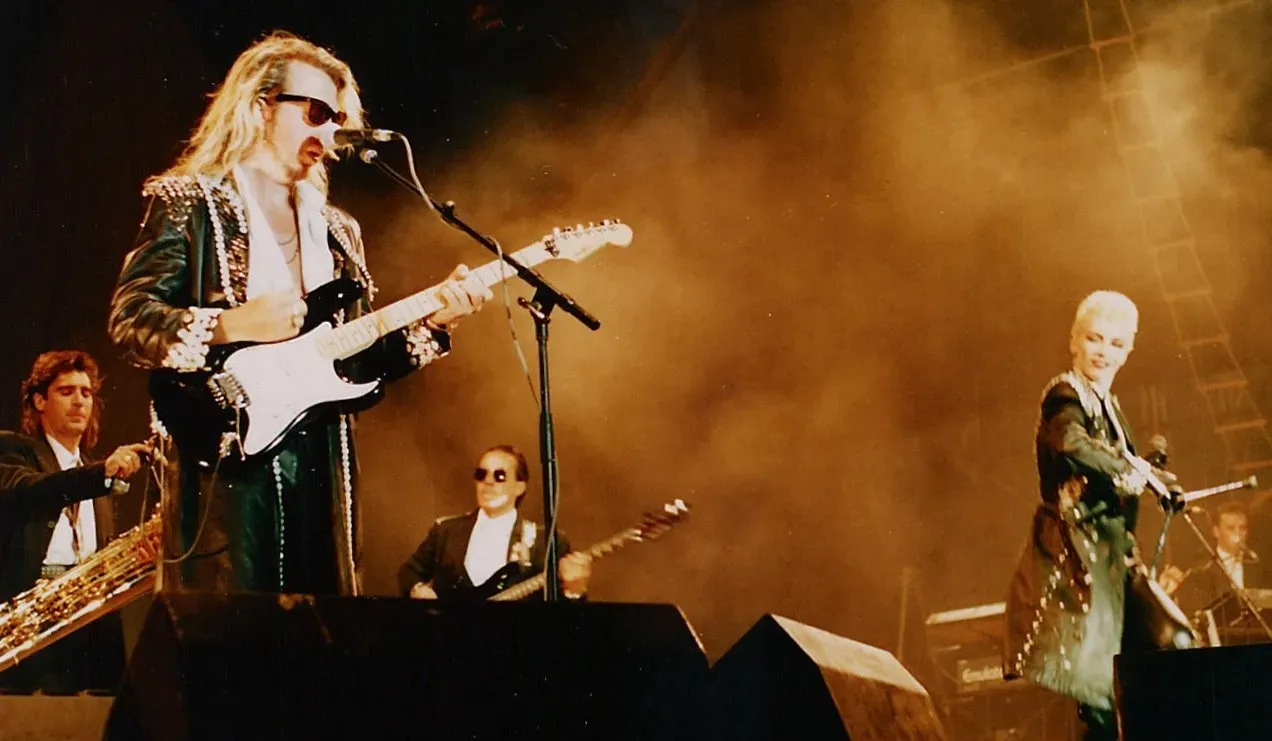
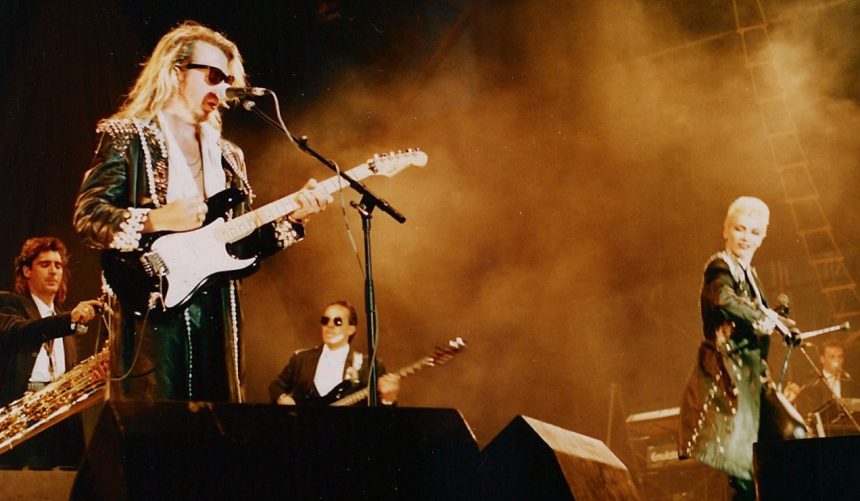
Dave Stewart and Annie Lennox built this track around a synthesizer riff and a vocal delivery that skipped the usual verse-chorus-verse structure most pop songs relied on in 1983. Executives at RCA Records alleged that it didn’t have a chorus at all, thus making it commercially unviable, which is why it strangely wasn’t picked as a single to promote the album of the same name. The label simply didn’t hear a hit in something so structurally unconventional.
The song’s fortunes changed thanks to radio, not the record company’s marketing plan. A radio DJ in Cleveland leaped on it, request lines lit up, other stations followed suit, and the label was forced to change its mind. “Sweet Dreams” went on to become one of the defining synth pop singles of the decade.
Partner offer

5. The White Stripes, “Seven Nation Army”


Jack White has been direct about how much resistance he faced when pushing this now iconic bass riff toward release as a single from “Elephant.” Speaking to a British radio outlet, White recalled that he wanted to put “Seven Nation Army” out as a single, but the label in England and the label in America both didn’t want to. Executives on both sides of the Atlantic apparently preferred a different track to introduce the album.
White held his ground, and the decision proved sound almost immediately after release. The riff went on to become one of the most recognizable pieces of music in modern rock, adopted everywhere from football stadiums to political rallies, a level of cultural penetration that few label picks ever achieve.
6. Kelly Clarkson, “Because of You”


Clarkson wrote this deeply personal ballad early in her career and tried to get it onto her debut album, “Thankful.” The response from her team was blunt. She tried to get it on her debut album and was laughed at and told she wasn’t a good writer. It stung enough that she has referenced the moment repeatedly in interviews years later.
She didn’t let it go, and by her second album the calculus had shifted. She “pushed so hard” to include it as a single on her sophomore album “Breakaway,” where it became one of her most iconic hits. Looking back on the experience, she has been candid about what it taught her, noting that “they don’t care about the art of it; they just want to make the money.”
7. Toby Keith, “How Do You Like Me Now?!”


After leaving Mercury Records over creative disagreements, Keith signed with DreamWorks expecting more freedom, only to run into fresh resistance over his new signature song. Radio had gotten to where it was real female driven, and the label felt telling a girl “how do you like me now” wouldn’t work, so the label wouldn’t put it out first. Instead, the label pushed a different single, “When Love Fades,” which underperformed on release.
Keith insisted on switching course, and the label eventually relented. Despite misgivings from his label, Keith got his way, later recalling he told them they weren’t giving him the chance to fire his biggest missile, so they pulled the original single after five days and put out “How Do You Like Me Now?!” The song became a signature hit and reshaped how his label viewed his commercial instincts going forward.
What these seven stories share is a simple, recurring tension: the people financing a record are trained to think in terms of formats, radio slots, and safe bets, while the artists making the record are usually chasing something less measurable. Length, structure, subject matter, even the audience a song seemed to be aimed at, all became reasons for hesitation at some point in these stories. Yet in every case, it was public reaction, not internal marketing meetings, that ultimately decided which songs became legendary.
Partner offer
Planning a trip to Vegas?
Compare hotel rates and show tickets on VEGAS.com.