Every few years, a studio dangles the perfect bait: bring back the original cast, wrap up the story everyone loves, and give fans the ending they deserve. Sometimes it works beautifully. More often, especially over the last decade, it collapses under the weight of its own hype, nostalgia, and studio interference. These are the sequels that didn’t just disappoint audiences, they took entire franchises out behind the woodshed.
What follows isn’t a random grudge list. Each of these films arrived with genuine excitement, big budgets, and returning legends, only to leave behind lukewarm reviews, disappointing box office returns, or years of silence where a new installment should have been. Some of these franchises are still trying to recover. Others simply stopped.
1. Terminator: Dark Fate (2019)

On paper, this should have worked. James Cameron returned as producer, Linda Hamilton and Arnold Schwarzenegger came back to reprise their most iconic roles, and the film wisely ignored the messy sequels that came before it. Critics were actually fairly kind to it, with 70% of critics’ reviews positive on Rotten Tomatoes, with the site’s consensus noting the film “represents a significant upgrade over its immediate predecessors, even if it lacks the thrilling firepower of the franchise’s best installments.”
The problem was nobody showed up. The movie grossed $261.1 million worldwide against a production budget between $185 and 196 million, with an additional $80 to 100 million spent on marketing, meaning it needed to earn over $450 million just to break even. The fallout was brutal and immediate. Sources close to Skydance said shortly after the release that there were no plans to continue the franchise. Years of audience fatigue from Terminator 3, Salvation, and Genisys had already poisoned the well, and Dark Fate paid the price for sins it didn’t commit.
2. Star Wars: The Rise of Skywalker (2019)

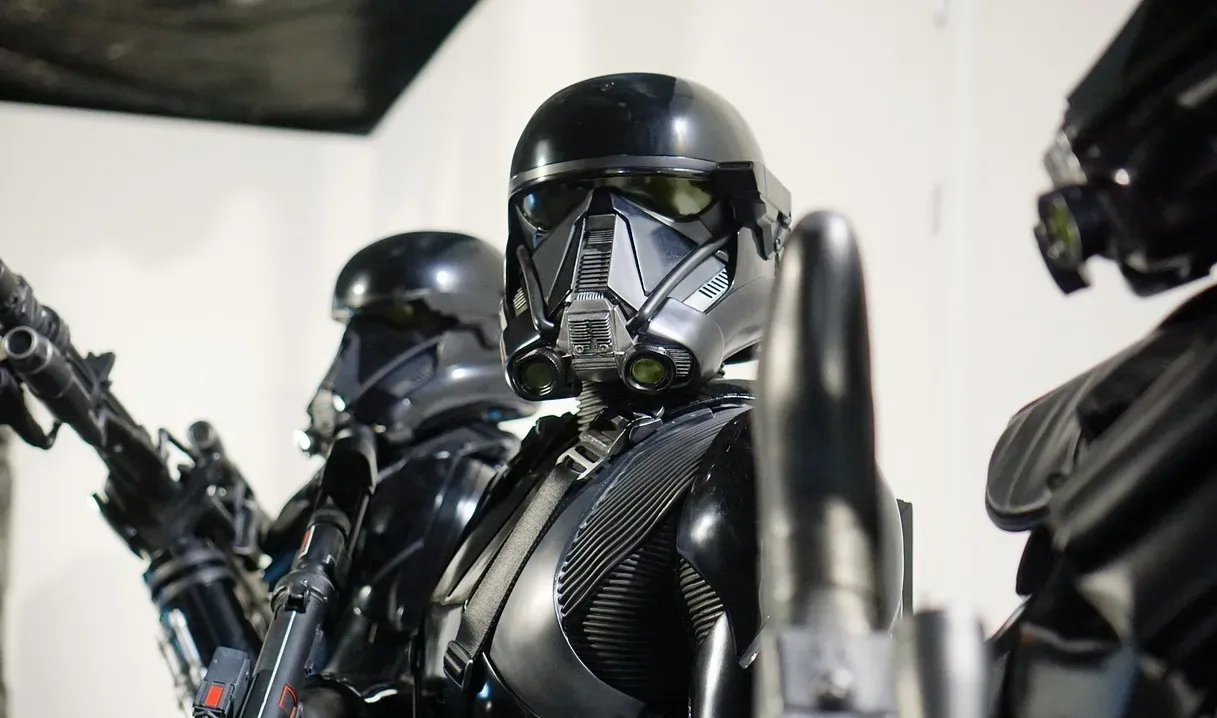
This was supposed to be the emotional finale to a nine-film saga that began in 1977. Instead, J.J. Abrams delivered a movie that tried to please everyone and ended up satisfying almost no one. According to Rotten Tomatoes, it holds a 51% critic score, the lowest for any live-action Star Wars movie, with only the 2008 animated Clone Wars film scoring lower at 18%.
The financial picture is even messier than it first appears. While the film crossed a billion dollars globally, it earned $300 million in profits, a number considerably lower than The Force Awakens’ $780.1 million and The Last Jedi’s $417.5 million, even turning a smaller profit than the spinoff Rogue One. Critics pointed directly at the storytelling as the culprit, with reviewers slamming the film’s rushed story, muddled plot, and alleged retcons of The Last Jedi rather than serving as a triumphant send-off. Lucasfilm has since paused theatrical Skywalker-saga storytelling entirely, a hiatus that stretched years beyond what anyone expected.
3. The Matrix Resurrections (2021)

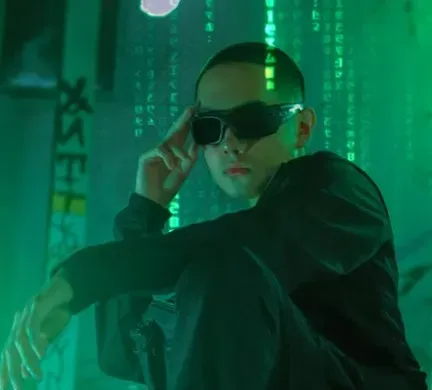
Twenty years after Neo first took the red pill, Warner Bros brought back Keanu Reeves and Carrie-Anne Moss for a fourth installment that was meant to reignite one of cinema’s most influential franchises. Instead, it became a cautionary tale about nostalgia gone wrong. The film received mixed reception from critics and audiences alike, scoring a 63% rating on Rotten Tomatoes, a number that felt especially deflating given the weight of expectation attached to the name.
Financially, the damage was worse. The film’s box office run suffered from a simultaneous release in theaters and on HBO Max, grossing a franchise-low of $157.3 million across theaters worldwide and failing to make up for its $190 million budget. Warner Bros. is technically moving forward with a fifth film, but tellingly, it’s stepping away from its creators for the first time, with filmmaker Drew Goddard set to direct instead of the Wachowski sisters, a clear sign that Resurrections didn’t just underwhelm, it fractured the creative lineage of the entire series.
4. Indiana Jones and the Dial of Destiny (2023)

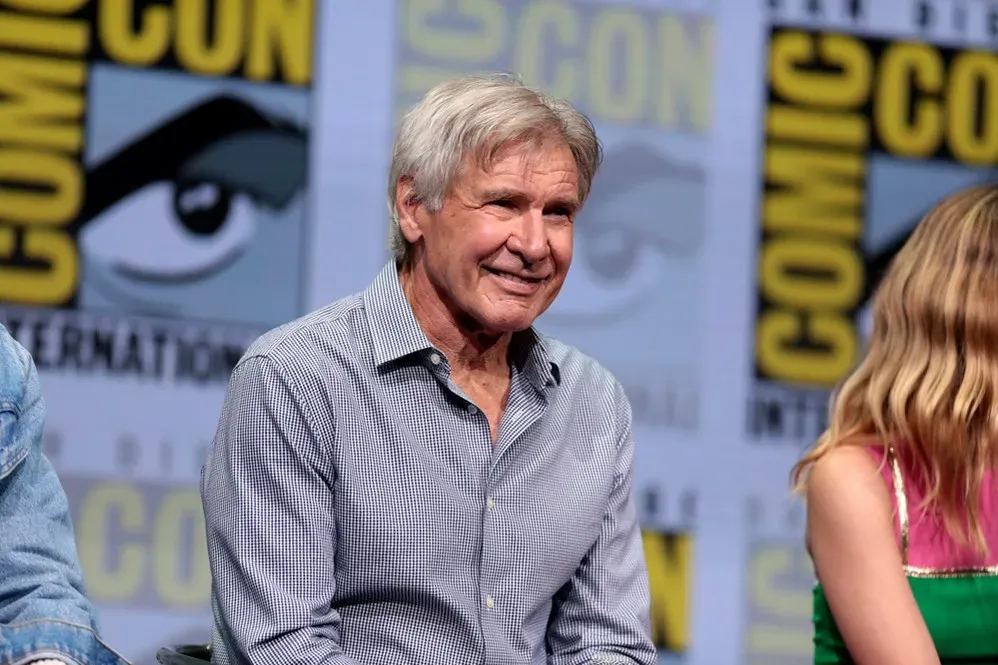
Fifteen years after Kingdom of the Crystal Skull, Harrison Ford strapped on the fedora one final time for what Disney hoped would be a triumphant farewell. Reviews were genuinely mixed rather than disastrous, but the box office told a much harsher story. The film carried a final budget of $387.2 million, not including marketing, and made $384 million at the box office, with Disney’s box office losses reportedly reaching $134.2 million.
What stings most is how the failure was framed as generational. As one analysis put it, Disney clearly overestimated how much interest there is in Indiana Jones movies from younger audiences, given the franchise is now 44 years old and Ford is in his 80s. There’s no official plans set for Indiana Jones 6, and if Dial of Destiny is any indication of whether another sequel is likely to happen anytime soon, it’s not looking very promising. A franchise built on boyish adventure ended not with a bang, but with a spreadsheet full of red ink.
5. X-Men: Dark Phoenix (2019)

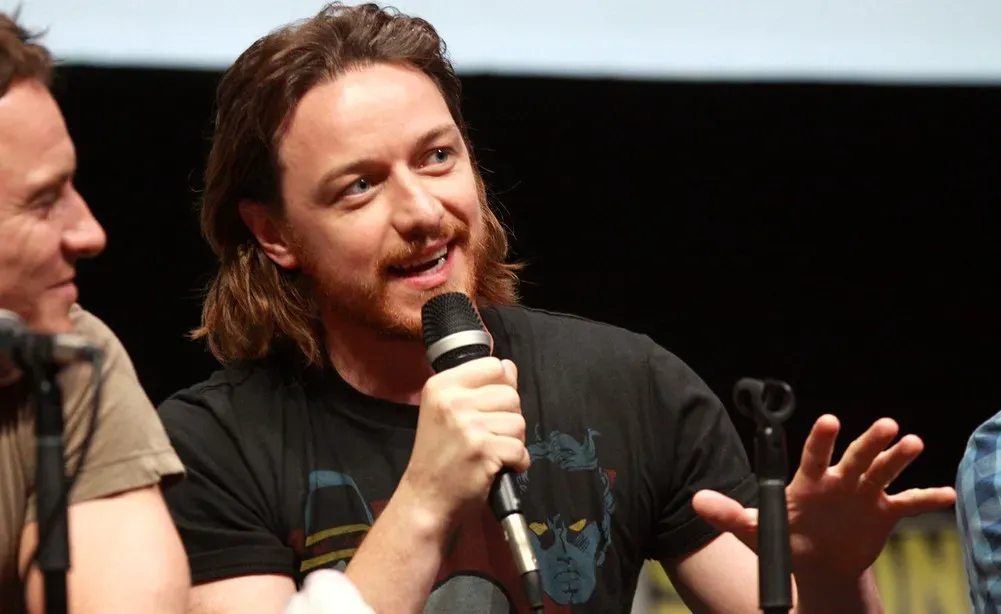
This one hurts because the ingredients were genuinely promising: James McAvoy, Michael Fassbender, and Jennifer Lawrence returning for a story pulled straight from one of the most beloved comic arcs in Marvel history. Instead, Fox delivered what became a Rotten Tomatoes score of a pathetic 23%, making the film’s release comparable to the premieres of 2015’s Fantastic Four and 2004’s Catwoman.
The box office collapse was just as ugly. The film opened to an outright commercial disaster, taking in $32.8 million domestically and finishing second for the weekend, behind The Secret Life of Pets 2, with the film expected to lose at least $100 million due to its poor performance. It marked an ignoble end to what was once a groundbreaking franchise, being estimated to have the biggest flop of that year. Two decades of X-Men storytelling under Fox ended not with the emotional send-off fans wanted, but with a movie that many people simply skipped.
6. Jurassic World Dominion (2022)

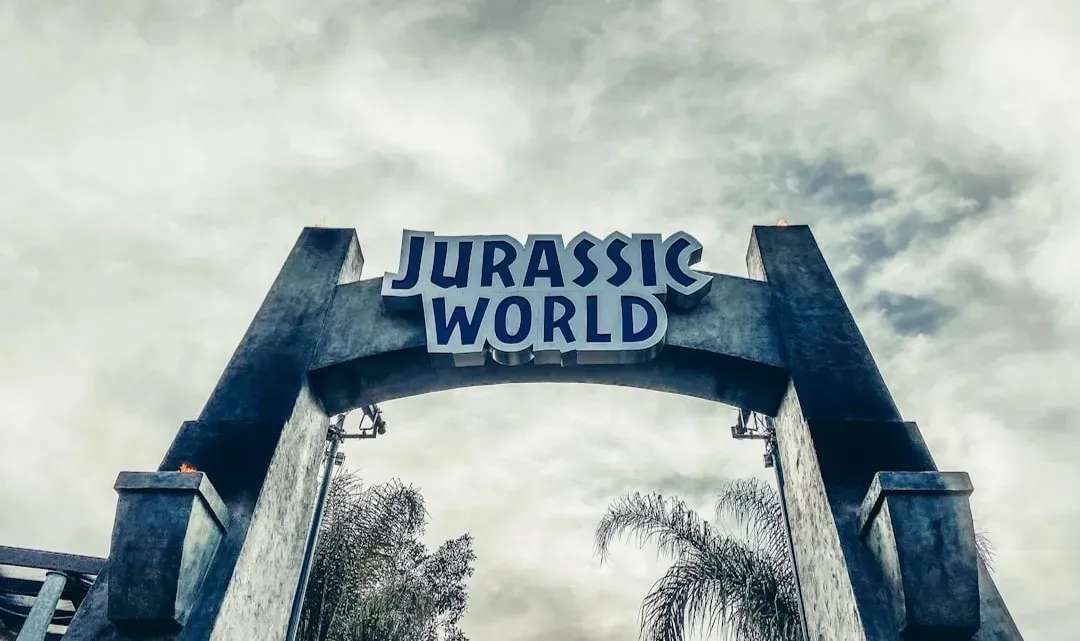
Universal marketed this as the ultimate crossover event, reuniting the original Jurassic Park trio of Sam Neill, Laura Dern, and Jeff Goldblum with the newer Jurassic World cast. It looked like a can’t-miss proposition. Yet the film was widely panned by critics for its overstuffed plot, underused legacy characters, and a bizarre midsection detour into locust swarms and corporate espionage that felt disconnected from what made the earlier films special.
While the movie still performed respectably at the box office thanks to the sheer brand recognition of dinosaurs on screen, the reception marked a clear turning point for the franchise’s credibility. What was meant to be a satisfying culmination of two trilogies instead left audiences feeling the series had simply run out of new ideas, trading tension and wonder for spectacle and franchise math. Talk of where the series goes next has been notably muted since.
7. Halloween Ends (2022)


David Gordon Green’s trilogy started strong in 2018 with a legacy sequel that critics and fans genuinely embraced. By the time Halloween Ends arrived, though, the goodwill had evaporated. The film made the bold choice to sideline Michael Myers for large stretches in favor of a new central character, a decision that alienated much of the audience who came specifically to see a definitive showdown between Laurie Strode and her masked tormentor.
The backlash was swift and loud, with many longtime fans calling it one of the most disappointing entries the franchise had ever produced. Rather than closing out the saga with the sense of finality its title promised, the film left audiences confused about tone and purpose, undercutting the momentum the 2018 reboot had worked hard to build. It’s a reminder that “ending” a beloved horror franchise on a title alone doesn’t guarantee a satisfying send-off.
8. Pirates of the Caribbean: Dead Men Tell No Tales (2017)

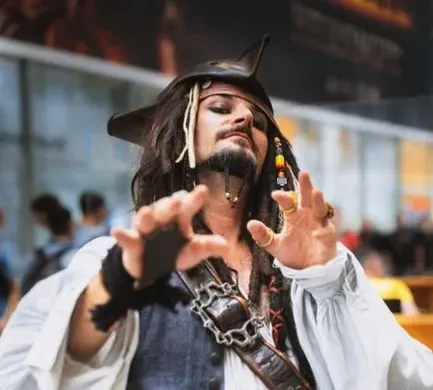
By the time this fifth entry sailed into theaters, the Pirates franchise was already showing signs of fatigue, but this installment made things dramatically worse. Critics dismissed it as a tired retread of ideas the series had already exhausted, and even loyal fans found little to get excited about beyond Johnny Depp’s diminishing charisma as Jack Sparrow.
The film’s underwhelming domestic performance, especially relative to its massive budget, effectively put the brakes on Disney’s plans for a swift follow-up. What had once been one of the studio’s most bankable franchises suddenly looked like a liability rather than an asset. Reboot talks and spinoff ideas have circulated ever since, but years later, a true sixth installment has still failed to materialize, leaving the franchise in a kind of purgatory it never fully escaped.
Why These Sequels Hit So Hard

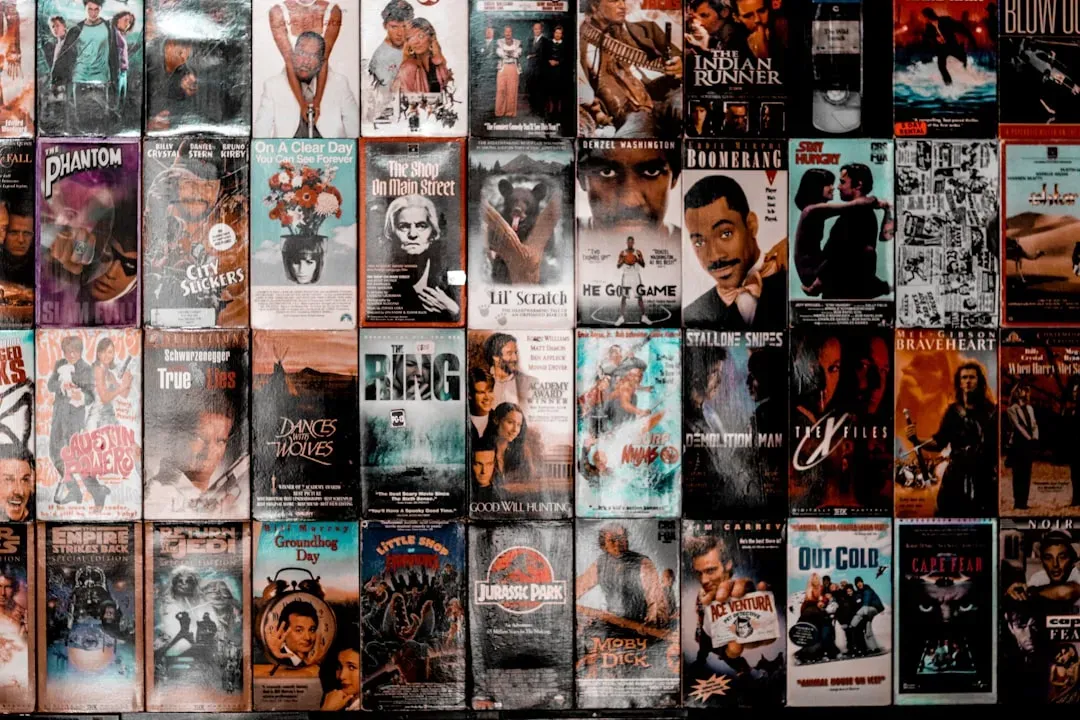
Looking at these eight films together, a pattern emerges. Almost every one of them arrived loaded with returning stars, decades of built-up goodwill, and studio confidence that nostalgia alone would carry the day. Instead, rushed scripts, inflated budgets, and a fundamental misreading of what fans actually wanted turned anticipated triumphs into cautionary tales.
The lesson studios seem slow to learn is that a franchise’s legacy isn’t a bottomless well. Fans will show up once out of loyalty and curiosity, but a disappointing send-off doesn’t just hurt one film’s box office, it can freeze an entire franchise for years, sometimes indefinitely. Whether any of these series ever fully recover remains an open question, but for now, they stand as reminders that bigger nostalgia plays don’t always mean better endings.