It’s strange to think that some of the most beloved and longest-running television shows in history came within a hair’s breadth of disappearing after just one season. Low ratings, network jitters, and shifting schedules put these series on the chopping block before audiences had even gotten a real chance to fall in love with them. Yet somehow, through a mix of executive gut instinct, critical acclaim, or plain luck, they survived and went on to define entire eras of television.
What follows is a look at seven shows whose long, celebrated runs almost never happened. Each one struggled through a rocky freshman season, and each one proves that early numbers don’t always tell the full story of a series’ potential.
1. Seinfeld
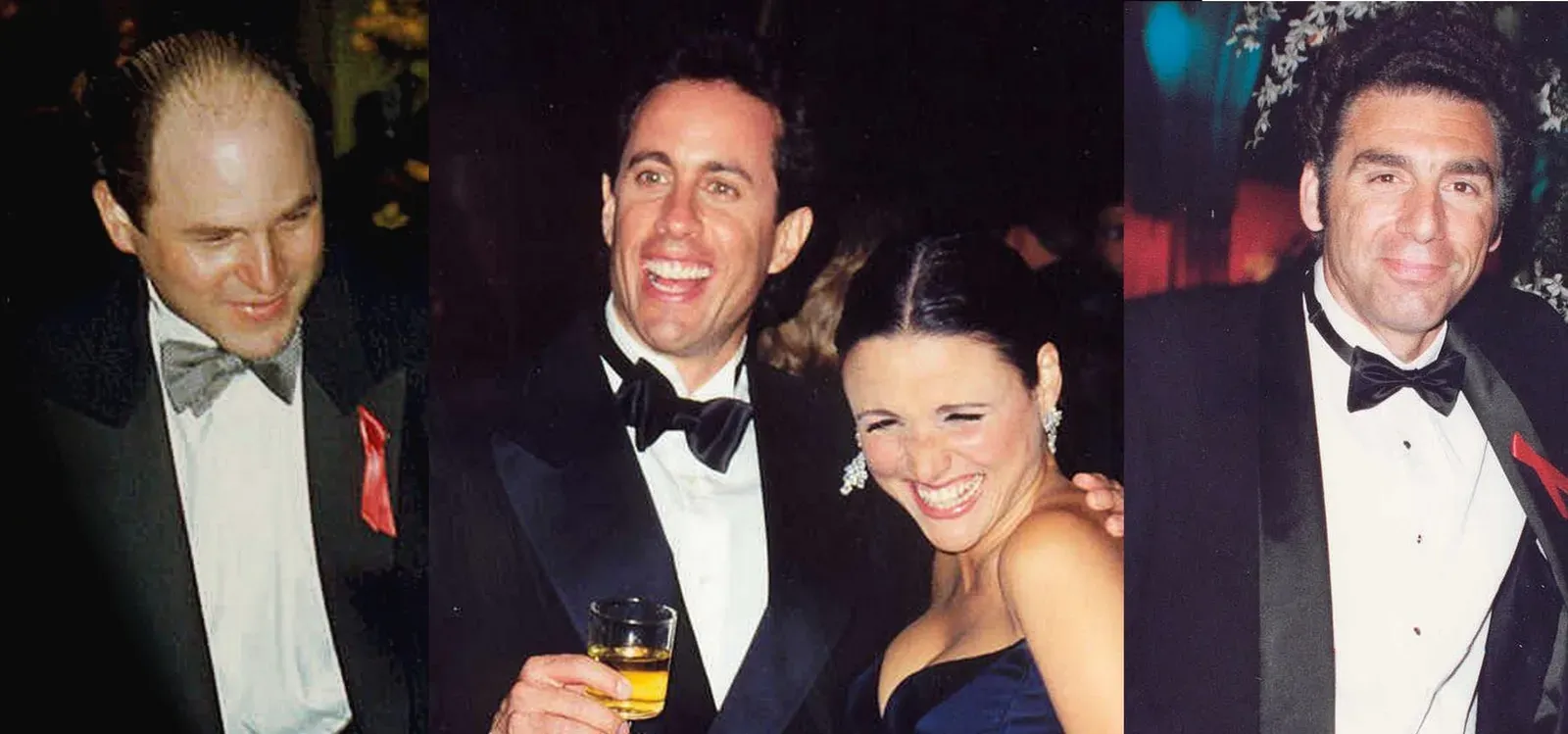
Before it became the defining sitcom of the 1990s, Seinfeld nearly died in the test-screening room. A former NBC executive described a test screening of the pilot episode as “unbelievably disastrous,” with the sitcom coming very close to being hooked entirely. Rather than a full order, NBC executive Rick Ludwin ordered four additional episodes to avoid losing the rights to the series, releasing them almost a year after the original pilot aired in 1989.
Those extra episodes were quietly slotted in behind a ratings powerhouse. NBC scheduled the episodes after Cheers, one of the highest-rated shows on television, which helped expose Seinfeld to a wider audience than it might have reached on its own, and the ratings for those early episodes ended up being better than expected. It took several more seasons of tinkering with time slots before Seinfeld became the cultural phenomenon and eventual number one show on television that fans remember today.
2. Cheers

Few shows have a near-cancellation story as dramatic as Cheers. After premiering in 1982, Cheers was nearly canceled during its first season when it ranked almost last in ratings for its premiere, coming in 74th out of 77 shows. Star Ted Danson later confirmed just how dire things looked, recalling that critics loved the show and everyone around them was positive, but they were dead last one week in the ratings, joking they were “75th out of 70” when there were only 70 shows on the air.
What saved it wasn’t a dramatic rescue campaign but rather a lack of alternatives. As reported afterward, Danson was later told NBC “would have” scrapped the programme but “they had nothing to replace Cheers with.” That stroke of scheduling fortune gave the show room to breathe, and it eventually blossomed into one of the most decorated sitcoms of all time, earning five Emmy Award wins in 1983 alone once reruns of the first season started outperforming the original broadcasts.
3. The Office (US)
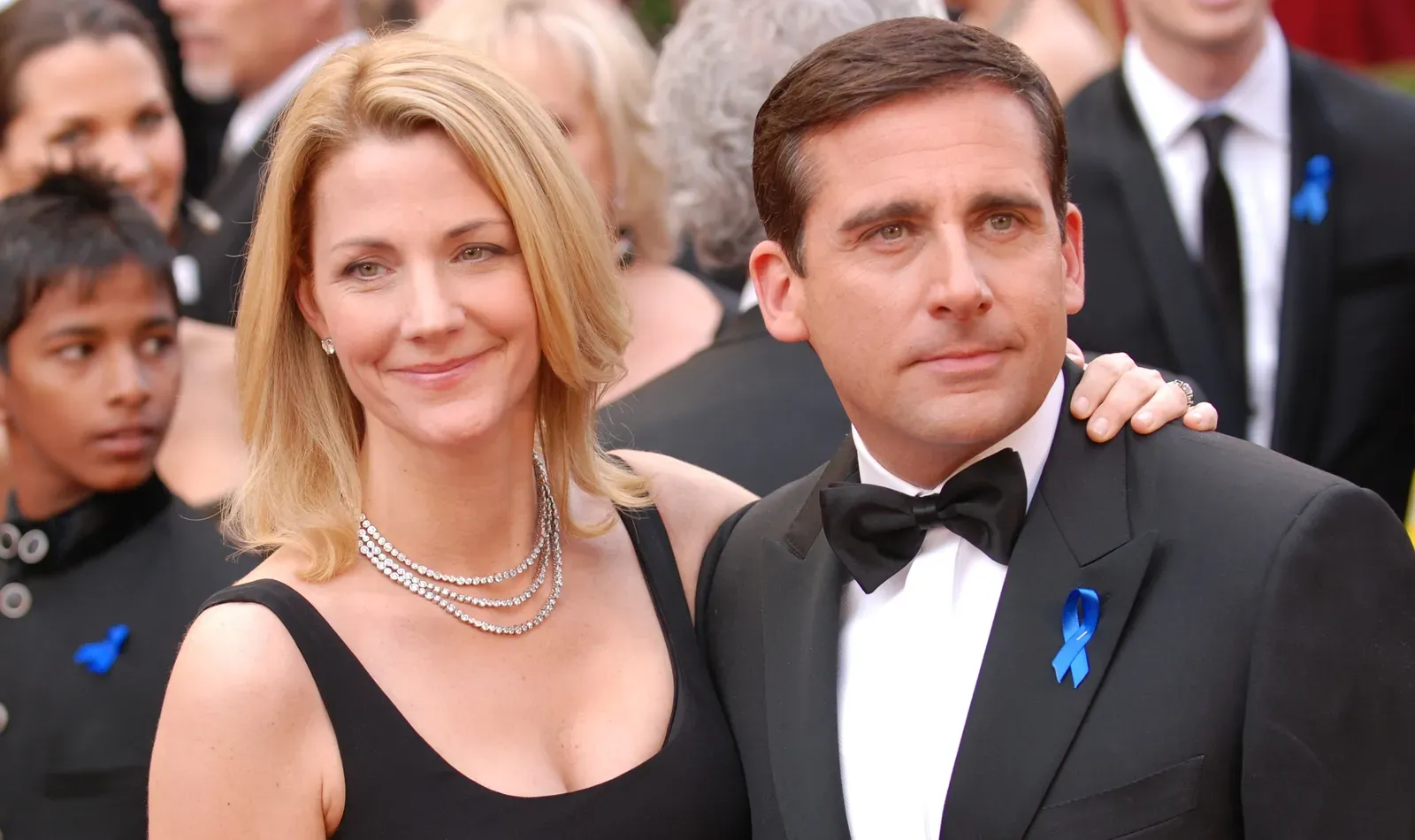
The American adaptation of The Office had a famously shaky start. NBC did not want to commit to the series, and it was nearly canceled after its first season in 2005, as viewers didn’t seem to connect with the story and the ratings continued to decline, while the network gave it a mere six-episode order for season one. It took internal advocacy to keep the show alive, as then-NBC entertainment head Kevin Reilly was extremely passionate about the series and reportedly begged his bosses for another season, which the network eventually greenlit for a full 22 episodes.
Once season two arrived, everything changed. Viewership grew by 60 percent compared to the previous season, a jump credited largely to Steve Carell’s rising celebrity status after starring in the summer hit The 40-Year-Old Virgin. The show went on to run for nine seasons and become one of the most rewatched sitcoms of the streaming era, a fate that once seemed almost impossible.
4. M*A*S*H
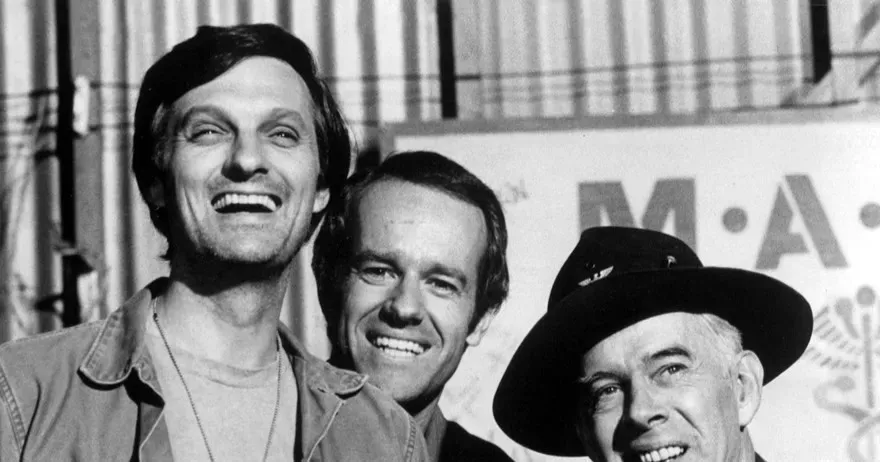
It’s hard to imagine now, but M*A*S*H struggled badly in its debut season on CBS. The Korean War dramedy, based on the film of the same name, faced weak ratings during its first run and was seriously considered for cancellation before critical praise and network patience gave it room to find its footing. As one retrospective on classic television near-misses put it, it’s difficult to imagine shows like Seinfeld, MASH, and Cheers almost having the same fate of being unfairly cancelled after their first season.
Partner offer
Once M*A*S*H found its rhythm, it became appointment viewing for over a decade, blending comedy and wartime drama in a way that had never quite been done on network television. Its eventual series finale in 1983 became one of the most-watched broadcasts in American TV history, a remarkable outcome for a show that so nearly never got a second season.
5. Parks and Recreation

Parks and Recreation had the unenviable task of following in the shadow of its sister show. Comparisons between the two mockumentary-style comedies almost sank the newer series before it had a chance to develop its own identity. As one analysis of early cancellation scares noted, dismissive comparisons to The Office almost put an end to its run, though additional seasons eventually allowed the show to prove it was distinct and worth watching.
Once the writers leaned into the optimism and small-town charm that would define its later seasons, Parks and Recreation blossomed into a critical darling with a passionate fan base. It ran for seven seasons and helped launch the careers of several cast members who went on to become major comedic stars, proving that a rough first year doesn’t have to define a show’s legacy.
6. Breaking Bad

Breaking Bad debuted on AMC in 2008 during a writers’ strike that shortened its first season to just seven episodes, and even with that reduced run, ratings for the gritty drama about a chemistry teacher turned drug manufacturer were modest at best. AMC was still a relatively young player in original scripted programming at the time, and a show built around such a bleak, morally complicated premise was a tough sell to casual viewers used to lighter cable fare.
Critical acclaim and award recognition, rather than raw viewership, kept the show afloat in its early seasons. Word of mouth slowly built an audience, and by the time the series entered its final stretch of episodes, it had become one of the most talked-about dramas on television, eventually spawning a spinoff and a feature film that extended its story well beyond the original run.
7. The Wire

The Wire is often cited as one of the greatest television dramas ever made, yet it never drew a large audience during its original HBO run. Its debut season in 2002 focused on Baltimore’s drug trade and police bureaucracy with a slow-burn, novelistic style that didn’t translate into strong ratings, and there was real uncertainty about whether HBO would commit to further seasons given how niche its viewership remained.
HBO’s willingness to back creatively ambitious, low-rated programming gave the show the runway it needed. Over five seasons, The Wire expanded its scope to cover the docks, city hall, schools, and the media, building a sprawling portrait of a city that critics still regard as a high-water mark for the medium. Its survival past that uncertain first year remains a reminder of how differently prestige television used to be judged compared to pure ratings success.
Looking back at these seven shows, a clear pattern emerges. Ratings alone rarely tell the whole story of a series’ potential, and sometimes it takes a stubborn executive, a lucky time slot, or a slow-building word of mouth to give a struggling freshman season the chance to grow into something unforgettable. Every one of these shows eventually rewarded the patience of the people who fought to keep them on the air, and television is undeniably richer for it.
Partner offer
Planning a trip to Vegas?
Compare hotel rates and show tickets on VEGAS.com.