Every finished film is really two films: the one audiences see, and the one left behind. Deleted scenes tend to be treated as minor footnotes, extra content for dedicated fans who buy the Blu-ray and dig through the special features. Most of the time, that framing is fair enough. A lot of cut footage is cut for obvious reasons. Sometimes, though, a removed scene isn’t a minor trim. It’s a different movie entirely, hiding under the surface of the theatrical cut. The seven films below each contain a deleted or alternate sequence that would have shifted the story’s meaning, its moral compass, or the entire way audiences understand the characters. These aren’t close calls. They’re doorways into versions of these movies that, in some cases, would have been more honest, more unsettling, or genuinely more interesting than what made it to the screen.
I Am Legend (2007): The Monster Was Always Neville
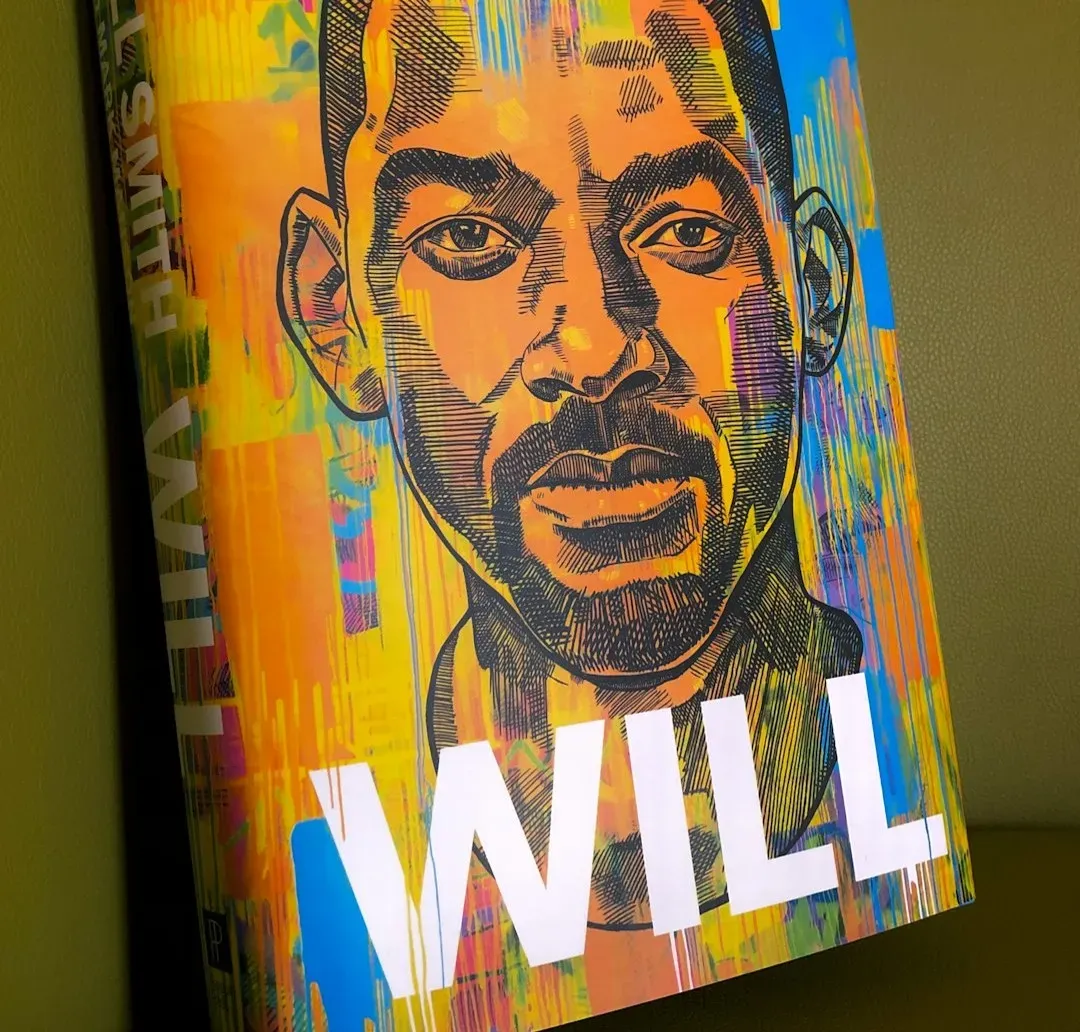
The theatrical ending of I Am Legend turns Robert Neville into a sacrificial hero, blowing himself up so Anna and Ethan can escape with the cure. It’s a clean, Hollywood-shaped death for a character played by Will Smith at the height of his action-star credibility. The audience leaves the theater feeling resolved. Neville was good. The creatures were monsters. Simple.
The alternate ending, released later on home video, goes somewhere far more unsettling: Neville realizes the infected are not mindless monsters, but beings with bonds, memory, and a reason to fear him. He returns the captured female Darkseeker, leaves with Anna and Ethan, and survives with the knowledge that he may have been the monster in their story. That is the entire point of Richard Matheson’s original title. Neville becomes the legend from their perspective, the monster who comes in the day and takes people away. The theatrical version discards this in favor of a grenade and a martyr speech. It’s not even close which one is the more interesting film.
The Shining (1980): Kubrick’s Soft Spot That He Buried
Stanley Kubrick originally ended The Shining with Wendy and Danny recovering in a hospital, where hotel manager Stuart Ullman visits them. The scene reportedly played after Jack freezes in the maze and before the final shot of the old Overlook photograph. This deleted scene actually got out into the wild and was included in many prints of The Shining shown in New York and Los Angeles. However, after realizing the scene muddied the film’s denouement, Kubrick sent an army of assistants to remove it from the dozens of prints in circulation. It is believed that all copies of the scene were destroyed.
In the hospital scene, the Overlook Hotel’s manager, Stuart Ullman, visits Wendy and Danny, informing them no evidence of any kind of unusual activity appeared at the hotel before presenting Danny with a ball that had been mysteriously rolled to him by an unseen force earlier in the film. The only evidence the scene was ever shot are the costumes used, a few Polaroids, and two credits in the movie for actors who, once it was cut, don’t actually appear in the film. Kubrick made the right call. He removed it shortly after the film opened, and the decision makes sense. The remaining ending is colder, stranger, and much harder to explain away.
Aliens (1986): A Mother’s Grief That Was Never Shown
In the original cut of Aliens, a heartbreaking scene shows Ripley awakening from more than half a century of hypersleep to find her daughter, Amanda, has died. A devastated Ripley stares longingly at a photo of an aged Amanda while lamenting having missed out on almost the entirety of her daughter’s life. James Cameron shot the scene. It existed. Then it was cut, and with it went something fundamental about why Ripley behaves the way she does for the rest of the film.
Much of the events of Aliens centers on Ripley’s harrowing bid to keep Newt, a young girl recently orphaned in an alien attack, alive. The cut scene gives considerably more emotional weight to the character’s almost instant maternal bond with the young orphan. Without it, Ripley’s attachment to Newt can feel sudden, even if Sigourney Weaver’s performance carries it through instinct alone. With the scene included, it becomes one of the most quietly devastating character motivations in science fiction cinema. Despite her removal from Aliens, Amanda, alive and well, serves as the protagonist in the Alien: Isolation video game released in 2014, which centers on the character’s search for her missing mother.
Alien (1979): What the Xenomorph Was Really Doing to People
Ridley Scott’s Alien works partly because the xenomorph feels almost impossible to understand. One deleted sequence, later restored in altered form for the Director’s Cut, shows Ripley discovering Dallas and Brett cocooned inside the Nostromo. The scene suggests the creature can transform victims into eggs, which would have changed how audiences understood its life cycle before Aliens introduced the queen. That’s a staggering shift in what the alien actually is and what it wants.
Partner offer
One scene that didn’t make it into the final cut featured Sigourney Weaver’s Ripley finding Dallas trapped in a grotesque alien cocoon, begging to be killed. The implications of that image reach far beyond simple horror. It is a gross, fascinating idea, but cutting it kept the original film leaner, colder, and more mysterious. The theatrical xenomorph kills. The deleted-scene xenomorph repurposes you into something new, which is, on reflection, a considerably worse fate.
Get Out (2017): The Ending Jordan Peele Almost Didn’t Change
Jordan Peele filmed a much bleaker ending for Get Out in which Chris survives the Armitage house, only to be arrested for the killings. Instead of Rod stepping out of the car and giving the audience a release valve, the alternate version leaves Chris trapped inside a justice system that will not believe him. It is brutally consistent with the film’s themes. Peele reportedly filmed both versions with full conviction. The decision to switch was not obvious.
The final version still uses the fear of police lights, but lets the scene turn into escape rather than punishment. That single tonal decision transforms the film’s emotional resolution entirely. The theatrical ending works as genre catharsis. The deleted version works as something closer to a social document. Both are defensible. The fact that Peele chose hope over horror, while keeping the dread alive up to the final second, says a great deal about what he ultimately wanted the audience to carry home.
Little Shop of Horrors (1986): When Test Audiences Killed the Real Ending
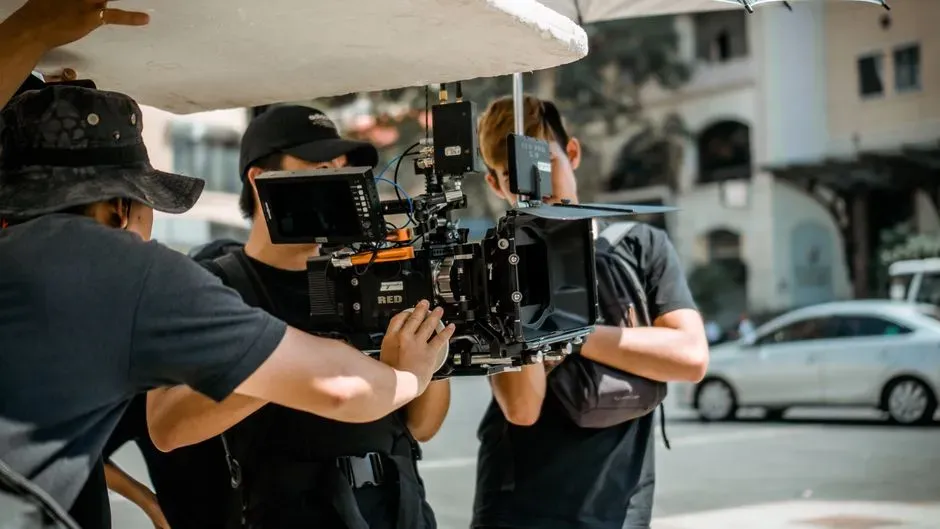
Director Frank Oz’s cinematic adaptation of Little Shop of Horrors originally maintained the stage production’s bleaker conclusion. In the off-Broadway production, Audrey II devours the protagonists before launching a full-scale global takeover. After the film was screened with its original ending, audiences reacted so negatively to it that production rewrote and reshot the entire thing. What replaced it was warm, satisfying, and completely defanged.
According to documented production history, Warner Bros. spent $5 million out of a $25 million budget on the movie’s final 20 minutes, conceived to closely follow the events of the original stage musical. The version audiences didn’t get to see featured Audrey and Seymour eaten by the monstrous Audrey II plant, which then breaks out of the flower shop and begins its conquest of Earth. A legion of Audrey IIs take on the military, spread their vines around the Statue of Liberty, and then burst through the movie screen as if about to devour the entire audience. Five million dollars. Shot in full. Buried because test audiences found it too upsetting. The excised finale was eventually restored in a 2012 director’s cut, letting fans finally see what the film was always supposed to be.
Titanic (1997): Rose Alone vs. Rose on Display
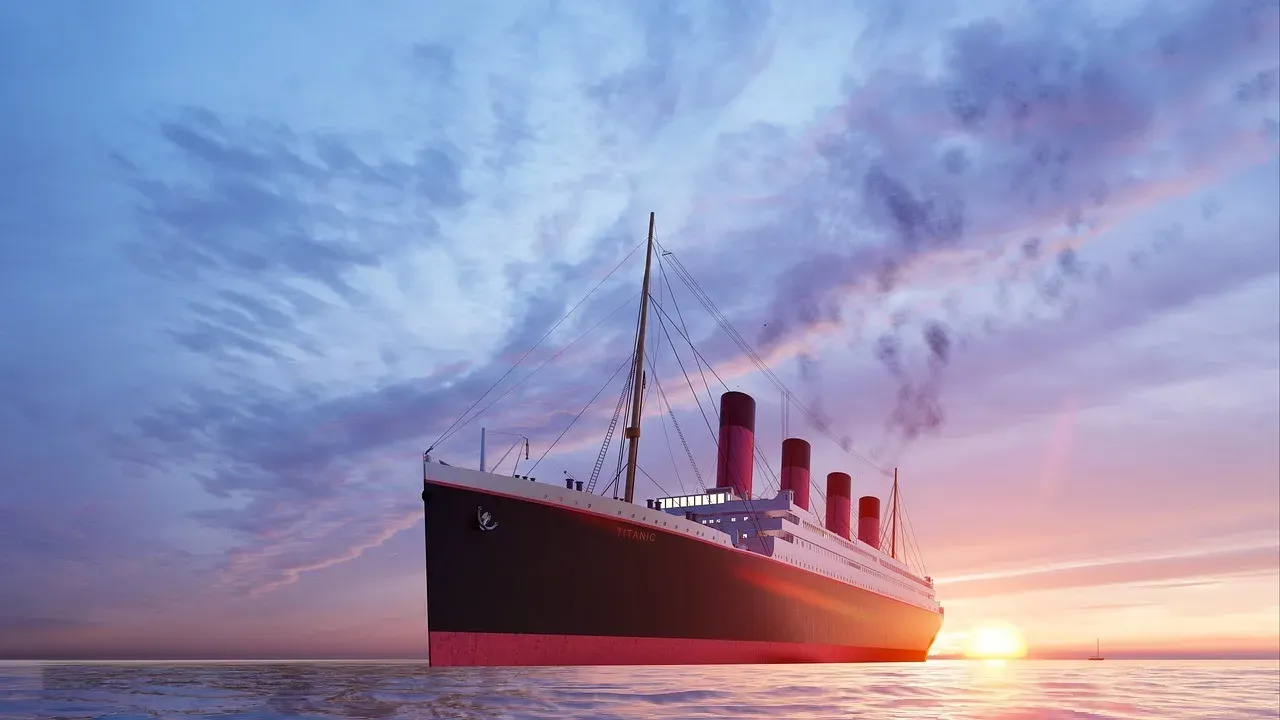
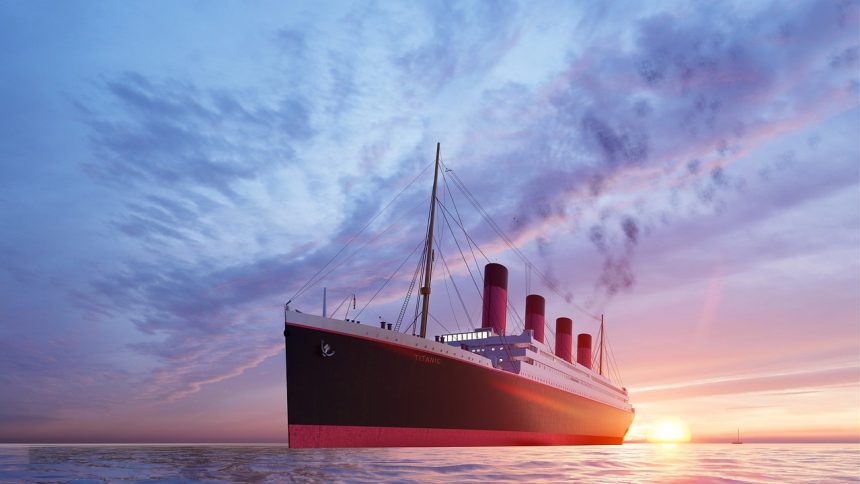
The final version of Titanic lets elderly Rose quietly drop the Heart of the Ocean into the sea, alone with her memory. The alternate ending brings Brock Lovett and Rose’s granddaughter into the moment, turning a private gesture into a dramatic group confrontation. It explains more, but it also makes the scene feel less intimate. The tonal gap between those two options is enormous, even though the action on screen is almost identical.
The different endings completely change Rose’s final motivation in the film, as either a moment of peace or a defiant brush against another man who wanted what they couldn’t have. In the alternate version, everyone catches Old Rose trying to throw the necklace off the ship, leading to her overtly stating the film’s themes. She then tosses the necklace off, leading to exaggerated reactions from everyone, a wild change of heart from Lovett, and a literal shooting star in the sky. It’s easy to see why James Cameron walked that back. The theatrical ending trusts the audience. The alternate version explains itself out loud, which is almost always a mistake.
Partner offer
Planning a trip to Vegas?
Compare hotel rates and show tickets on VEGAS.com.