Long before a movie reaches theaters, it usually gets one more trial run in front of strangers holding comment cards. Studios call these test screenings, and they’ve quietly reshaped some of the most memorable films in modern history. A single bad reaction card, a walkout, or a booing crowd has been enough to send a finished movie back into reshoots.
What makes this practice fascinating is how often the “fixed” version becomes the one everyone remembers, while the original cut fades into DVD-extra obscurity. Here are seven films whose fates were rewritten, sometimes at the last possible moment, because a room full of ordinary moviegoers had a strong opinion about how the story should end.
Fatal Attraction (1987)
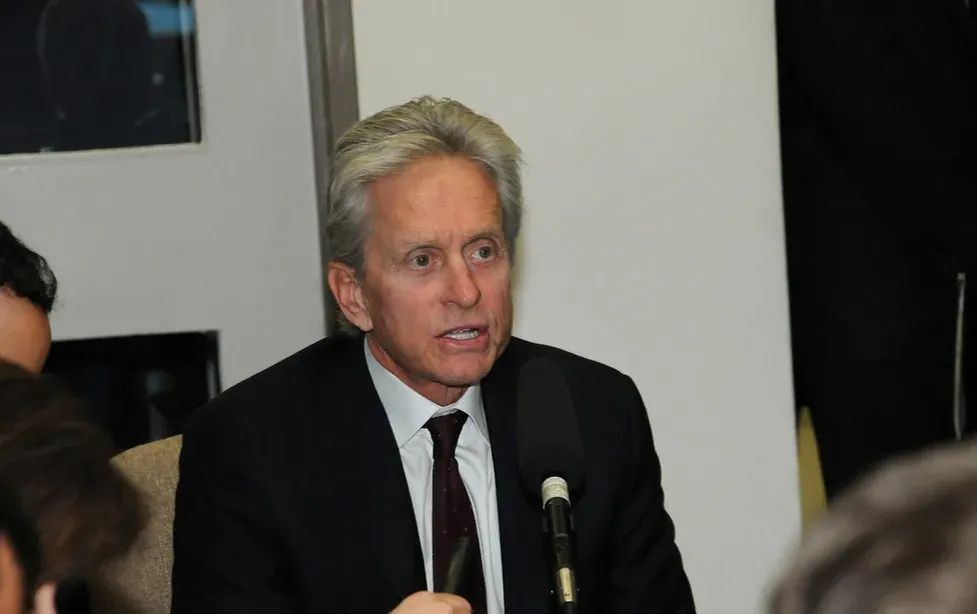
Adrian Lyne’s psychological thriller almost ended on a much quieter, more tragic note. The original ending of Fatal Attraction portrayed Glenn Close’s character as a mentally ill woman who frames Michael Douglas’ character for murder and takes her own life. It was closer to a noir tragedy than the horror-tinged climax audiences eventually got. Test audiences were dissatisfied with the original ending, feeling that Alex deserved a more violent demise for her disturbing actions.
The studio sent the cast and crew back for weeks of reshoots to give viewers the confrontation they wanted. In the new version, after bunny boiling, kidnap, and accident, Beth forgives Dan and they return home, and while Beth is running herself a nice hot bath, Alex suddenly appears with the knife, blaming Beth for standing between her and Dan, and Dan comes to the rescue and drowns Alex in the bathtub. Glenn Close reportedly resisted the change for a couple of weeks before relenting, and the reshot ending is the one that helped make the film one of the biggest hits of its year.
I Am Legend (2007)
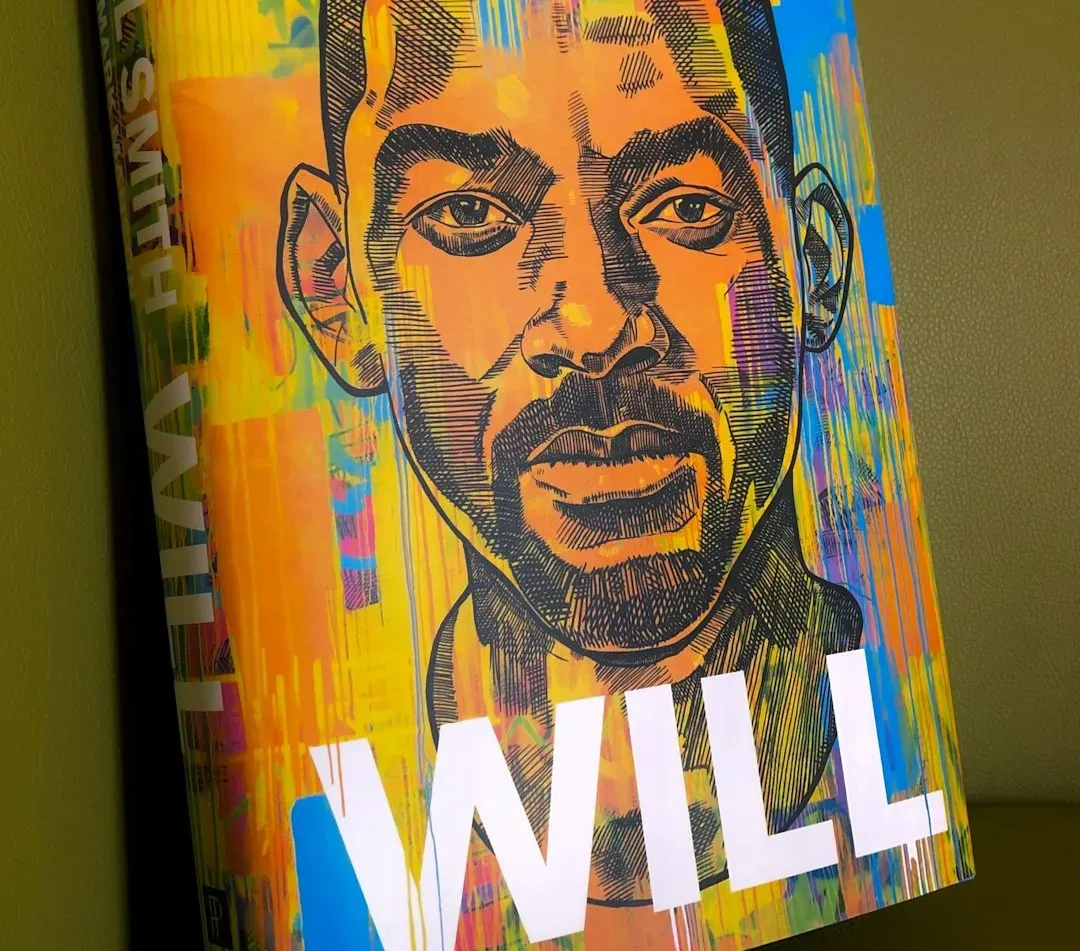
Will Smith has talked openly about how this one nearly went a completely different direction. The first watchers of I Am Legend absolutely loathed the original ending, which, in truth, was how Richard Matheson had concluded his novel of the same name. The reaction was so rough that, according to Smith, roughly half the audience only ranked the film in the middle categories on their feedback cards, making it the lowest score he’d ever received at a screening.
Screenwriter Akiva Goldsman later explained the specifics of the swap. The original conclusion, which became the alternate ending, didn’t test well as audiences found it too depressing. The reshot version flipped the emotional logic entirely, since they went and reshot an ending where, weirdly, Will dies, but mankind is saved, which was considered a happier ending. Interestingly, the darker, book-accurate version has since become the fan favorite on home video.
First Blood (1982)
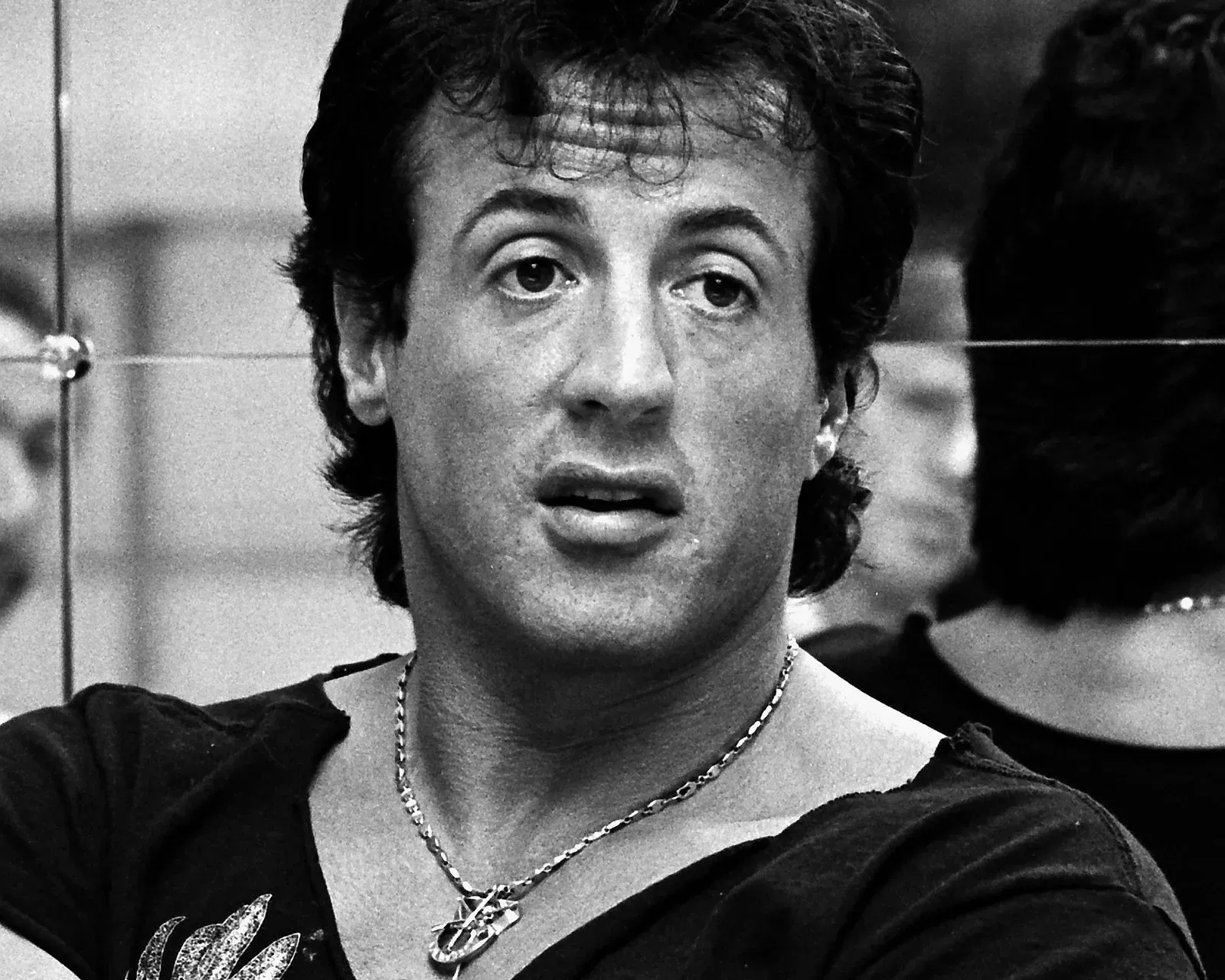
Sylvester Stallone’s Vietnam veteran John Rambo was originally never meant to get a second movie, let alone three more. The intended conclusion would’ve seen Rambo either killed by Trautman or die by suicide, which Stallone was vehemently against. Stallone pushed back hard on set, arguing that killing off a character the audience had spent ninety minutes sympathizing with sent the wrong message about veterans.
A test screening ended up settling the argument. Test audiences rejected the suicide ending, universally preferring the new one. The studio went with the survival ending instead, and the filmmakers rewrote the ending so that Rambo survives and is taken into custody, a move that not only gave the character a future but also launched several sequels. It’s a rare case where a test-audience swap didn’t just save a movie, it created an entire franchise.
Little Shop of Horrors (1986)
Frank Oz’s musical adaptation originally stayed faithful to its stage roots, which meant a much grimmer finale. In the original ending, the plant eats everyone and takes over the world instead of being defeated by the film’s two lovable leads. Early screenings had gone beautifully right up until that point, since every scene met with laughter and applause, until the plant devoured Seymour and Audrey, and the audience went silent.
The reaction cards made the problem impossible to ignore. Studios typically look for around a fifty-five percent recommendation rate before a film is considered ready for release, and this cut landed far below that threshold, prompting an expensive rewrite. The result was a gentler resolution where it was replaced by the theatrical ending, in which Audrey and Seymour defeat Audrey II and live happily ever after. The scrapped 23-minute finale, full of elaborate miniature effects, has since resurfaced in limited theatrical showings for curious fans.
World War Z (2013)
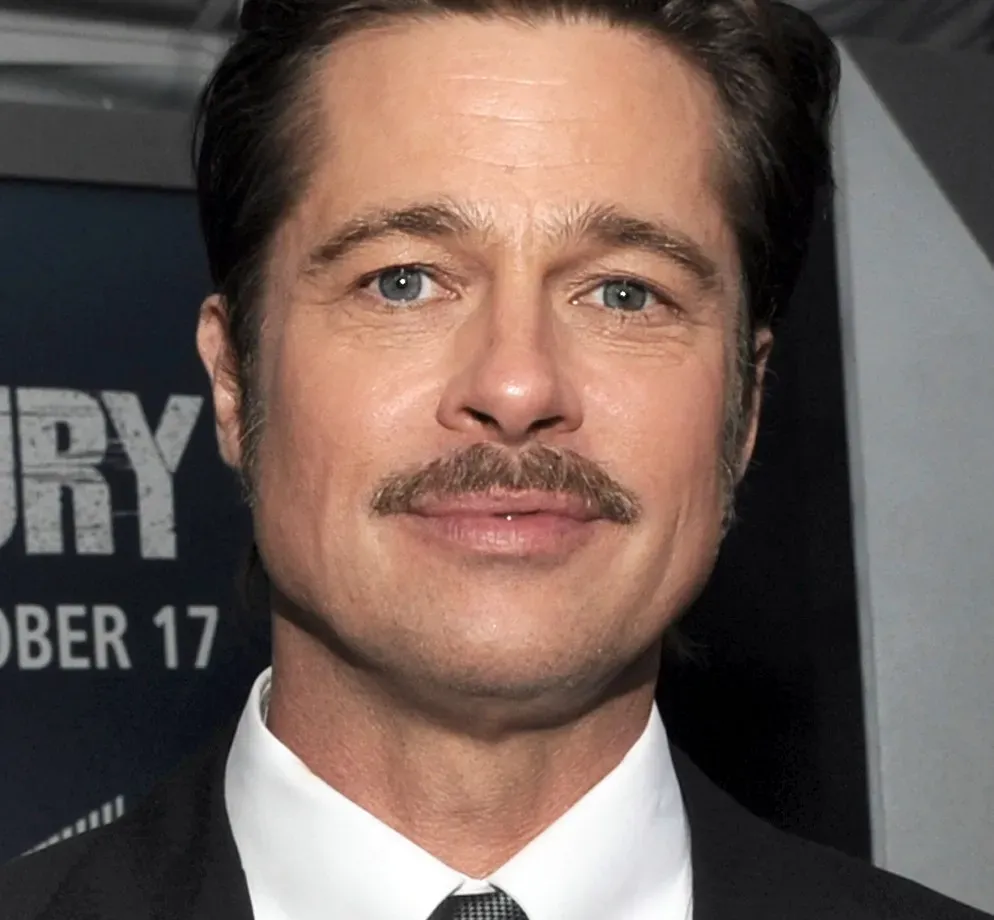
Brad Pitt’s zombie epic was originally supposed to end with a massive battle overseas rather than the quiet lab sequence audiences know today. In the first version, Gerry was forced to fight the zombies and led a unit of zombie killers, which culminated with an epic battle in Red Square. It was a much bleaker, war-movie-style conclusion than what eventually made it to theaters.
Early screenings for studio executives made it clear the finale wasn’t working. This original third act proved somewhat disastrous during test screenings, so a new ending was shot that involved Gerry traveling to a World Health Organization center in Cardiff. Writers Damon Lindelof and Drew Goddard were brought in to rebuild the entire third act from scratch, adding roughly seven weeks of costly reshoots. The gamble paid off commercially, turning what insiders feared would be a disaster into one of the more profitable zombie films ever made.
Pretty in Pink (1986)
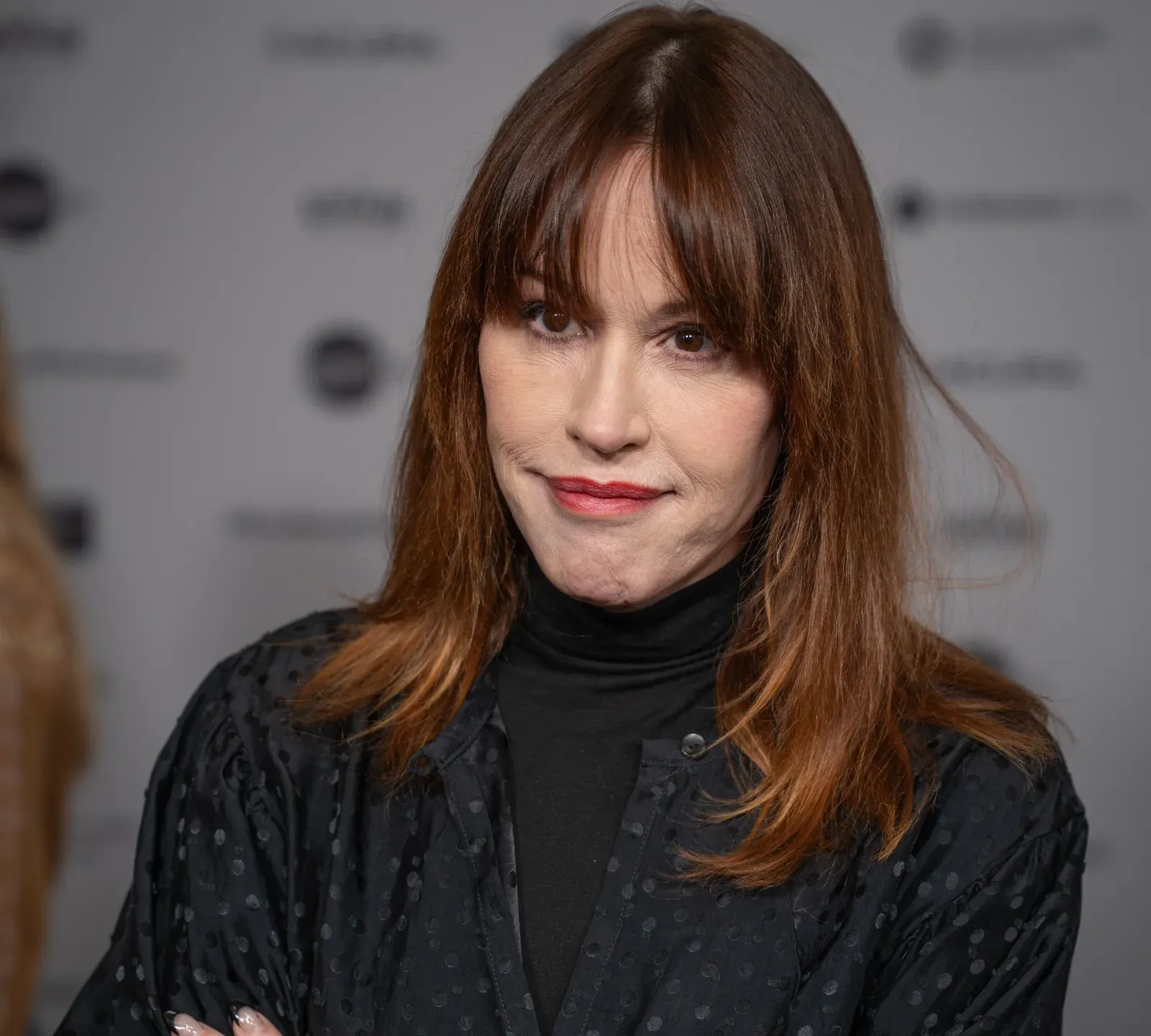
John Hughes’ teen classic almost sent a very different message about class and love in high school. According to accounts from people involved in the production, Pretty in Pink initially had Andie and Duckie as the movie’s one true pairing until test audiences revolted. That pairing would have kept the story’s working-class characters together rather than pushing Andie toward the wealthier Blane.
The negative reaction forced a rewrite of the film’s final act, swapping the ending so Andie reconciles with Blane at prom instead. It’s the version most people have watched for decades, though it noticeably softens the film’s earlier commentary about money and social class dividing its characters. Molly Ringwald and other cast members have spoken over the years about how different the movie’s message feels because of that last-minute swap.
Blade Runner (1982)
Ridley Scott’s original theatrical cut carried studio-mandated additions that Scott himself never wanted. After early screenings left audiences confused about the plot, the studio added a spoken voiceover from Harrison Ford’s character to spell out details the visuals alone weren’t communicating clearly enough for test viewers. A tacked-on, more hopeful final scene was also inserted to soften the film’s ambiguous, melancholy tone.
Both changes stuck around for years despite widespread criticism from film scholars and fans who felt they undercut the movie’s mood. It wasn’t until Scott released his Director’s Cut in 1992, followed by the Final Cut in 2007, that audiences finally got to see the film with the voiceover and altered ending stripped away. Today, the versions without those studio-driven additions are widely regarded as the definitive way to watch the film.
These seven cases show just how much power a room full of strangers with comment cards can have over a finished film. Sometimes that influence sharpened a story, other times it smoothed over an ending that later generations wished had been left alone. Either way, the films that came out the other side are proof that a movie’s final shape often depends on more than just the people who made it.