There’s a persistent myth in Hollywood that good reviews translate into good box office. Critics fall in love with a film, audiences supposedly follow, and everyone goes home happy. Reality has been messier than that lately, especially across 2024 and 2025, when several genuinely well-liked movies still ended up bleeding money for their studios. The reasons vary from film to film. Sometimes it’s a bloated budget that no amount of praise could ever cover. Other times it’s shifting audience habits, crowded release calendars, or a marketing campaign that never quite landed. Here are seven recent examples where the reviews shined but the balance sheets did not.
Furiosa: A Mad Max Saga (2024)
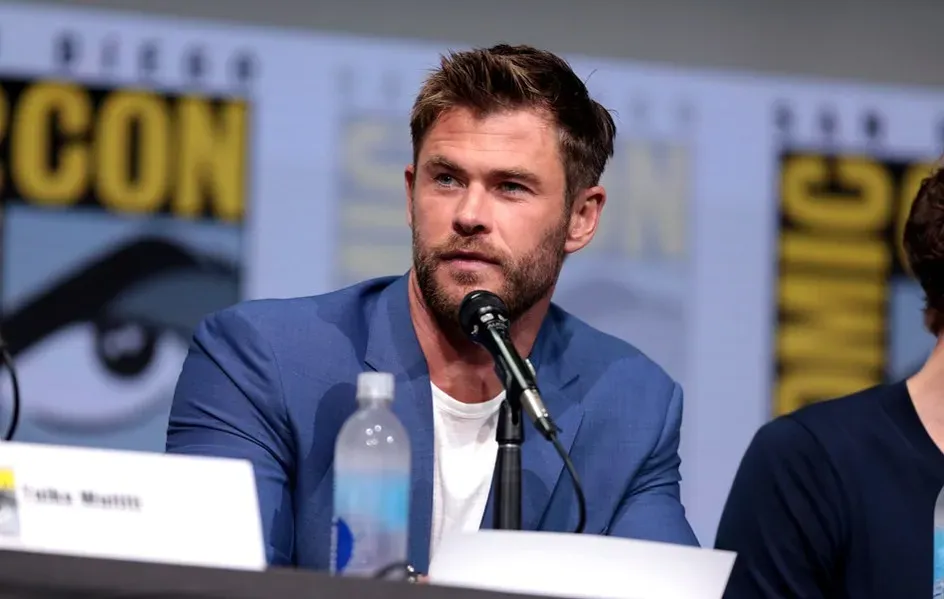
George Miller’s prequel to Mad Max: Fury Road arrived with enormous goodwill, and critics rewarded it accordingly. The film received a standing ovation at its Cannes Film Festival premiere, 90% Certified Fresh reviews on Rotten Tomatoes and a B+ CinemaScore on par with Fury Road. Anya Taylor-Joy stepped into the role originated by Charlize Theron, backed by Chris Hemsworth as the villainous Dementus, and the craftsmanship on screen was hard to dispute.
None of that translated into ticket sales. The production carried a hefty price tag near $168 million, and despite the acclaim, Furiosa’s $120 million loss became a stark reminder that even beloved franchises aren’t immune to failure. The film eventually found a second life on digital platforms, but by then the theatrical damage was already done.
The Fall Guy (2024)
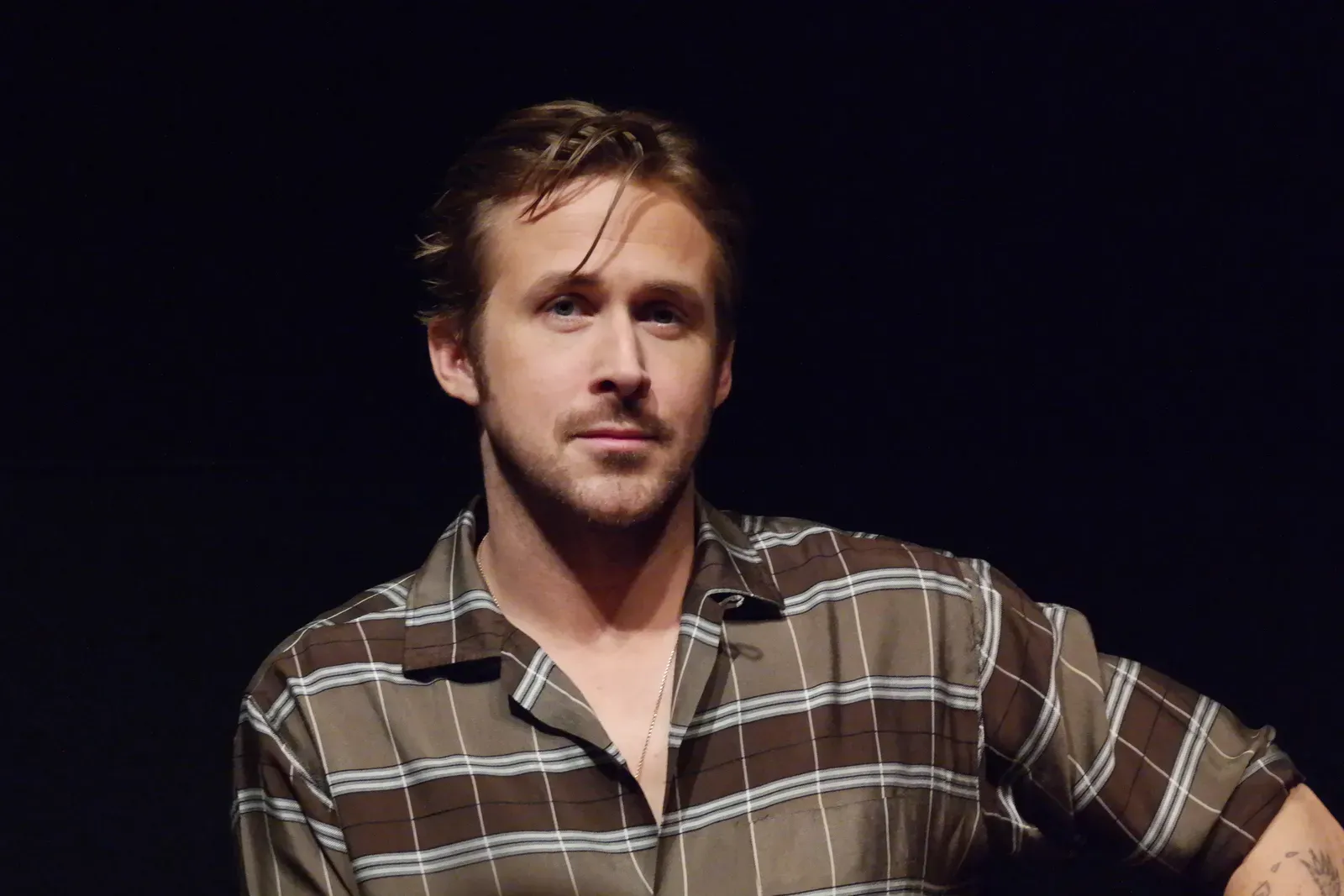
Ryan Gosling and Emily Blunt starred in this stuntman action comedy, directed by David Leitch and based loosely on the 1980s TV series. Reviews were warm across the board, and audiences who actually showed up seemed to agree, rewarding it with a strong A- CinemaScore and a healthy score on Rotten Tomatoes. It had the ingredients of a crowd pleaser on paper.
Yet the numbers never caught up to expectations. The film received generally positive reviews from critics, yet it underperformed at the box office, grossing $181 million worldwide against a $125 to $150 million production budget and losing the studio around $50 million. Marketing costs on top of that only widened the gap between prestige and profit.
Nickel Boys (2024)
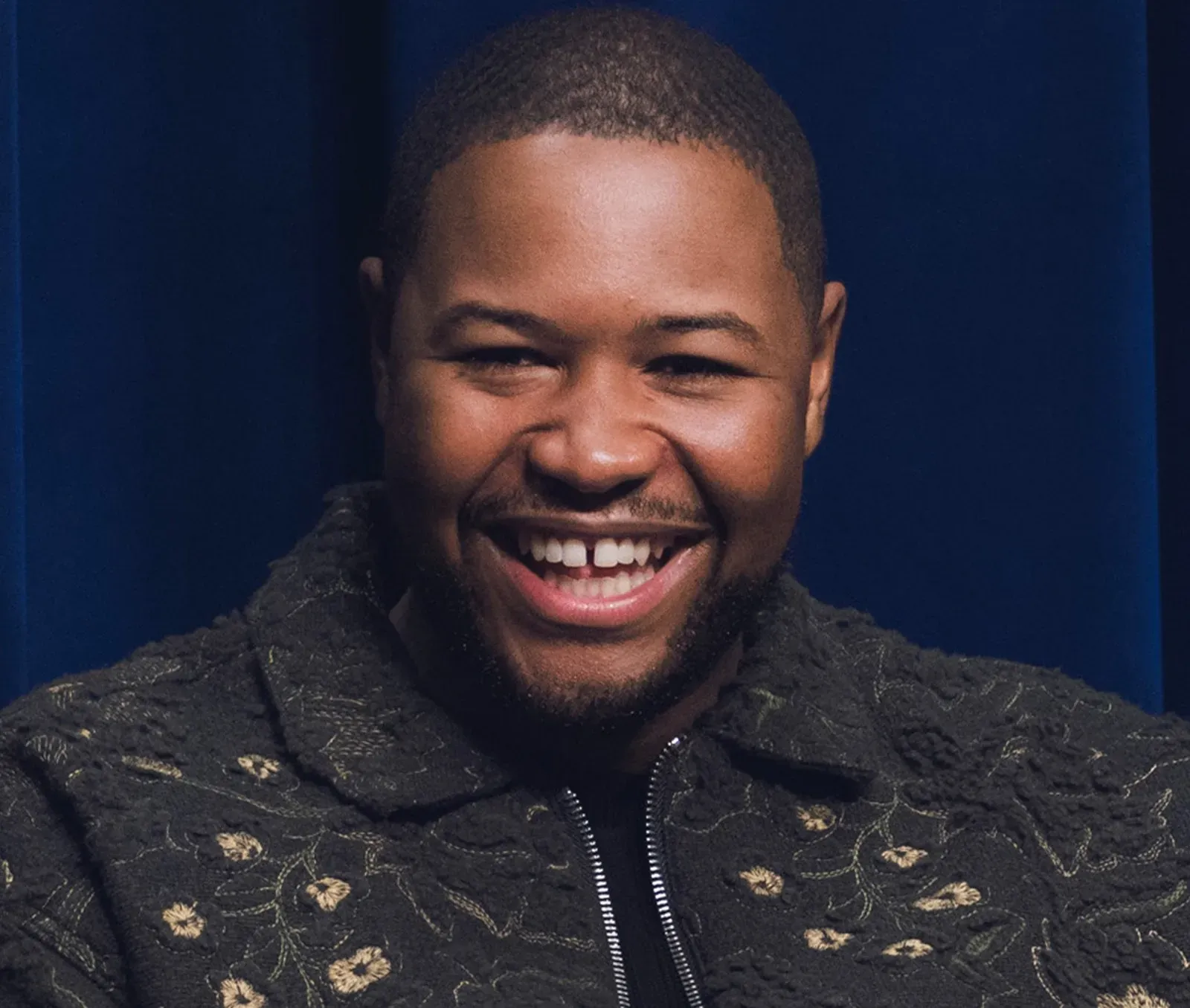
Few films from 2024 earned the kind of critical reverence that greeted RaMell Ross’s adaptation of Colson Whitehead’s novel. Nickel Boys earned excellent reviews and holds a 90% approval rating on Rotten Tomatoes. It went on to secure a Best Picture nomination, an unusually rare feat for a film shot almost entirely from a first-person perspective.
The acclaim never showed up at the box office. Made on a budget of $23.2 million, the film’s total box office came in at just $3.2 million. Nickel Boys ended up as the lowest-grossing Best Picture nominee, a strange footnote for a movie many critics called one of the best of its era.
Black Bag (2025)
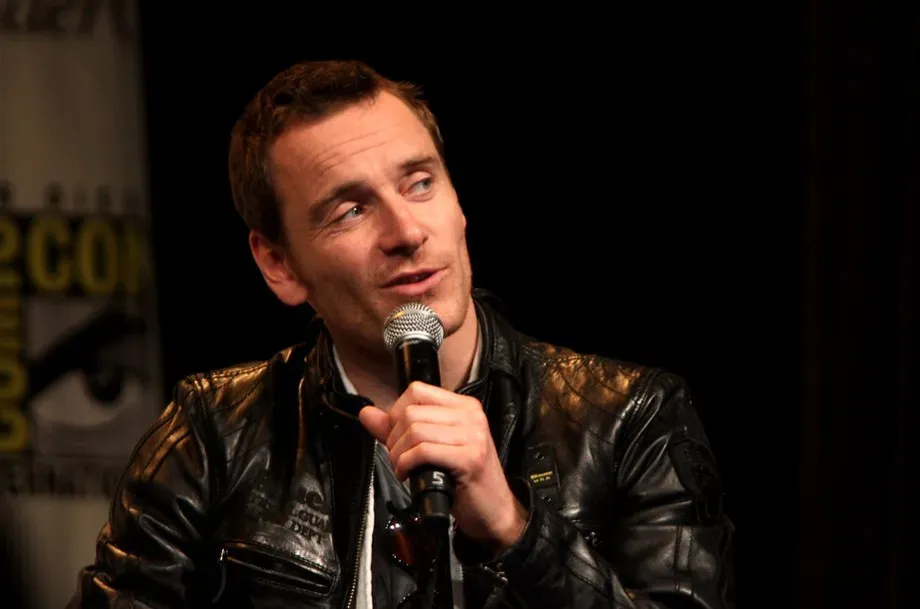
Steven Soderbergh’s spy thriller brought together Cate Blanchett, Michael Fassbender, and Regé-Jean Page for a globe-trotting espionage story. Critics and audiences liked it reasonably well, but good reviews couldn’t make up for the high production cost. Soderbergh’s reputation for stylish, efficient filmmaking held up, and the reviews reflected that.
Partner offer
Financially, though, it was another story. With a budget between $50 and $60 million, the film needed to make much more than the $44 million it actually earned. Universal and Focus Features reportedly lost an estimated $30 to $50 million on the release. Even a respected filmmaker with a starry cast couldn’t guarantee a return in a theatrical market that’s grown far less forgiving.
Thunderbolts* (2025)
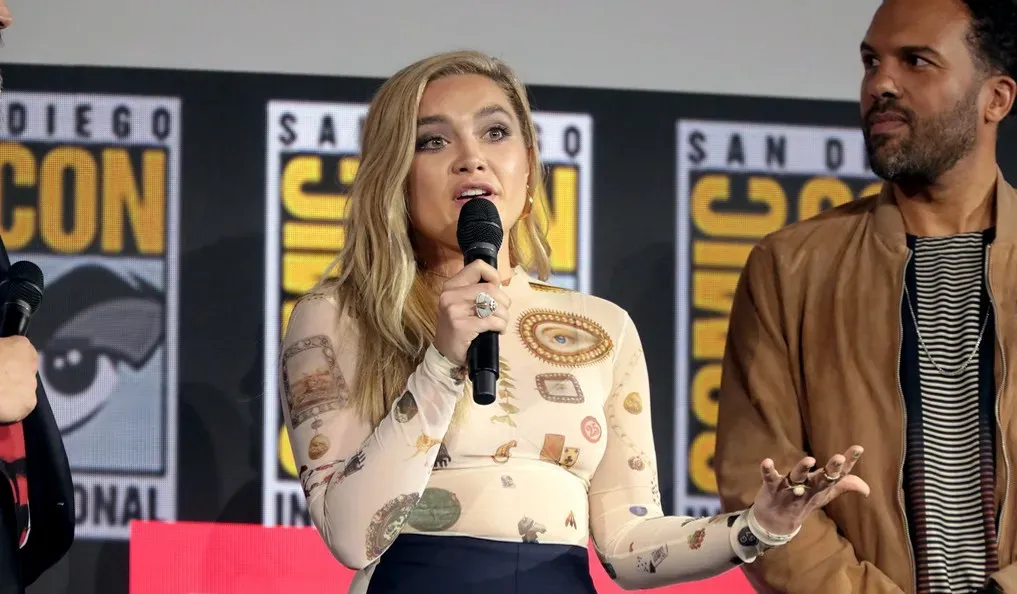
Marvel needed a win after a rough stretch of mixed reception, and on the critical side, it got one. Rotten Tomatoes showed 88% positive reviews, with audiences giving it high marks too. Florence Pugh, Sebastian Stan, and David Harbour led a cast that critics praised for chemistry and tone, a rarity for a film assembling lesser-known antiheroes.
The financial reality was less flattering. The film had a production budget of $180 million and a marketing budget of close to $100 million. Variety reported that Thunderbolts needed to earn $425 million just to break even, and it fell well short of that mark worldwide, landing among the lower-grossing entries in the entire Marvel Cinematic Universe despite the praise.
Abigail (2024)

This vampire ballerina horror film from directors Matt Bettinelli-Olpin and Tyler Gillett picked up largely positive reviews on release, with critics enjoying its blend of gore and dark comedy. It seemed positioned to ride the wave of recent horror successes. The genre had proven reliable for studios chasing modest budgets and outsized returns.
Instead, Abigail became a cautionary tale about shrinking margins. Its run at the box office ended at $42.4 million. However, the film’s $28 million budget meant that it required at least $70 million to break even. There was a silver lining, though: Abigail was a streaming success, ranking sixth on streaming in the U.S. during its release week, proof that audiences liked it, just not enough of them in theaters.
Transformers One (2024)

Of all the Transformers movies released over the past two decades, this animated prequel is widely regarded as the best reviewed. It traced the origins of Optimus Prime and Megatron’s friendship long before their rivalry began, giving the franchise an emotional depth it had rarely shown before. Critics who had grown weary of the live-action entries found something genuinely fresh here.
Despite great reviews after its release, Transformers One couldn’t win the box office game. It struggled to draw the family audiences that animated films typically rely on, and its theatrical run fell short of covering its production and marketing costs. The film later found a more receptive audience through streaming and home viewing, a pattern that’s become almost routine for movies on this list.
The common thread running through all seven films isn’t a lack of quality. It’s a box office landscape where strong reviews no longer guarantee strong opening weekends, and where audiences increasingly wait for movies to land on a service they already pay for. Studios are still adjusting to that reality, one expensive lesson at a time.Partner offer
Planning a trip to Vegas?
Compare hotel rates and show tickets on VEGAS.com.