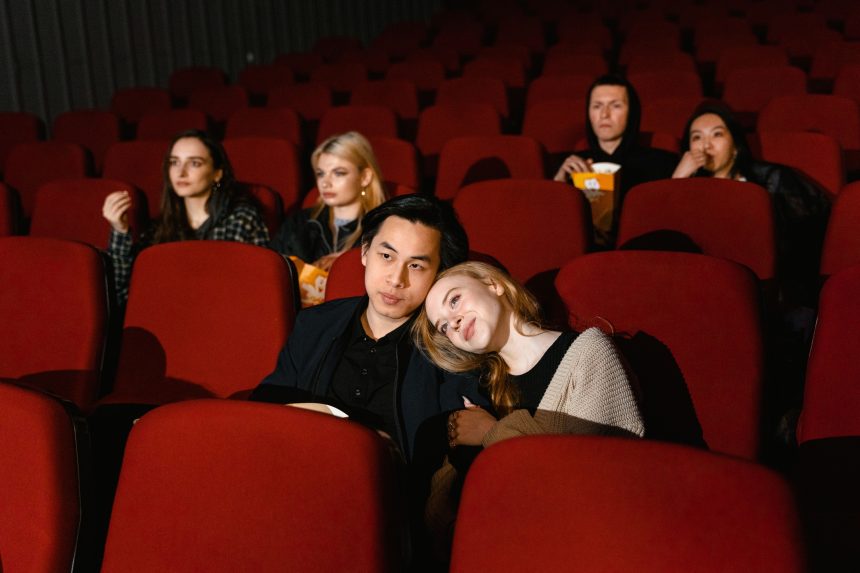
Old romantic movies and shows can still charm, but a few of their favorite moves look different now. Plots that once passed as sweeping gestures often read as something else when viewed with current expectations around consent, boundaries, and respect.
None of this means the classics are ruined. It just helps to notice which habits aged poorly, and why audiences and writers have largely moved on.
The Persistent Pursuer Who Won’t Take No

For decades, the hero who ignored a clear refusal was framed as devoted. He’d show up at the workplace, send more flowers, and wait outside the window until she relented. The story treated her reluctance as a puzzle to solve, not an answer to respect.
Today the same behavior tends to read as stalking. Viewers have far more language for boundaries, and a refusal that gets overridden feels less like romance and more like pressure. Modern stories usually let a no stay a no.
The Unwanted Kiss as a Turning Point
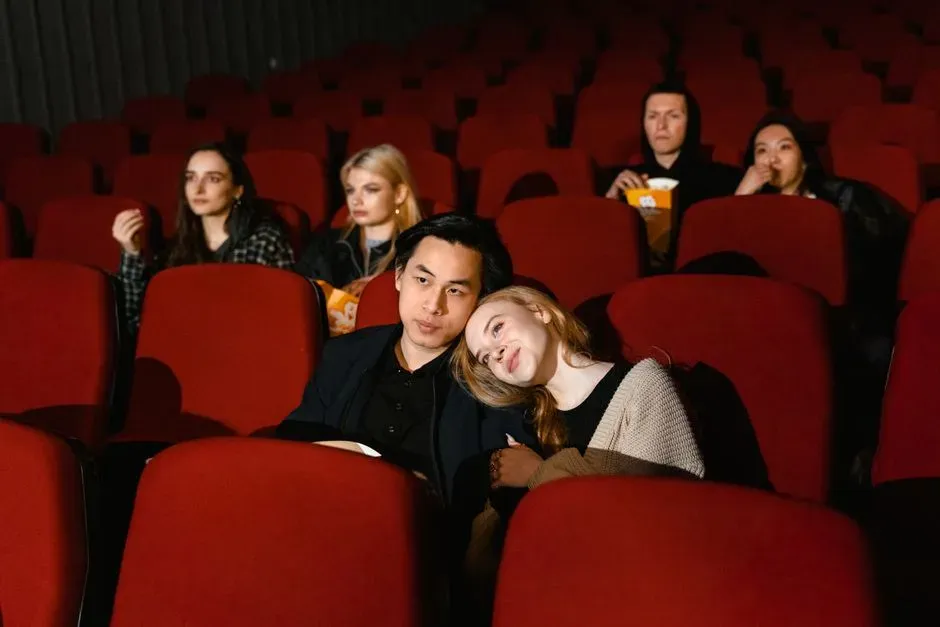
Classic films often had a character grab a partner and kiss her mid-argument, after which she melted into agreement. The scene suggested that she secretly wanted it all along. It was shorthand for passion, and it was rarely questioned.
Current audiences are much less willing to accept that logic. A kiss without a signal of interest now registers as a violation, not chemistry. Writers today more often build a moment of mutual choice before the lips meet.
The Grand Gesture That Ignores Her Wishes
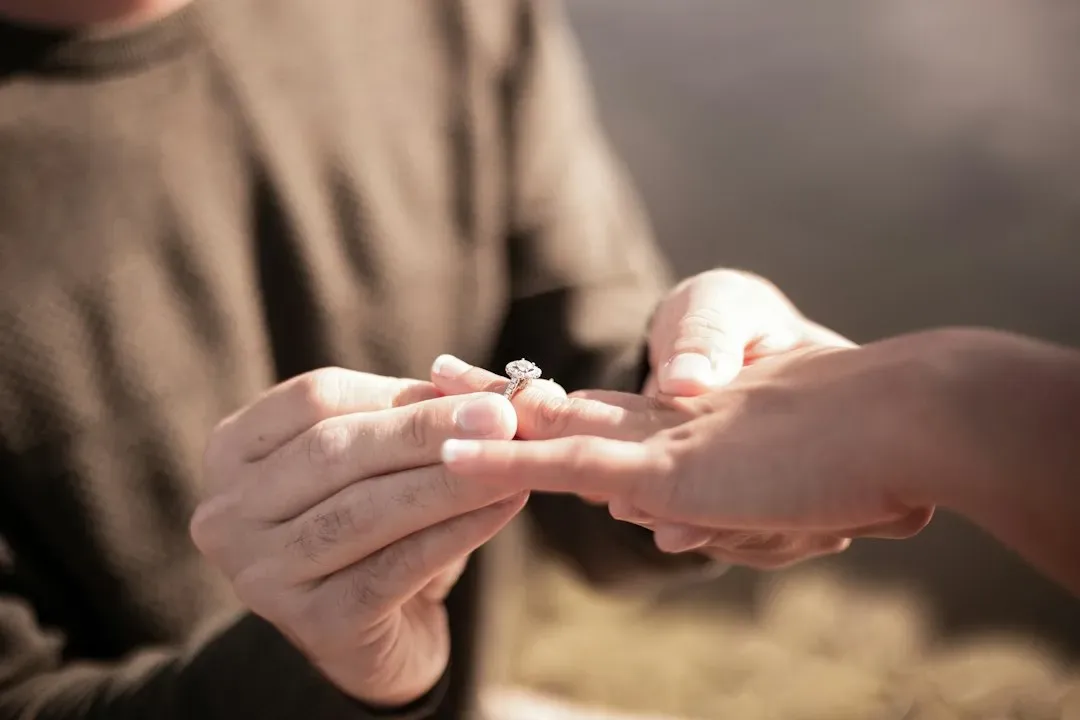
Think of the boombox held overhead, or the public proposal staged before a crowd. These moments were designed to be irresistible, though they often put the other person on the spot. Saying no in front of strangers is hard, which was exactly the problem.
Many viewers now see the pressure beneath the spectacle. Recent romantic comedies lean toward quieter gestures that show listening rather than performance. The shift reflects a wider interest in whether a gesture serves the other person or just the one making it.
Stalking Dressed Up as Devotion

Some older love stories treated surveillance as proof of caring. A character who tracked someone down, watched from afar, or learned her schedule without being told was cast as deeply committed. The camera usually sided with him.
Now that digital tracking and privacy concerns are everyday topics, those scenes land very differently. Shows like You even built their premise on exposing this fantasy as dangerous. What used to be swoony is now often the setup for a thriller.
The Age Gap Nobody Questioned
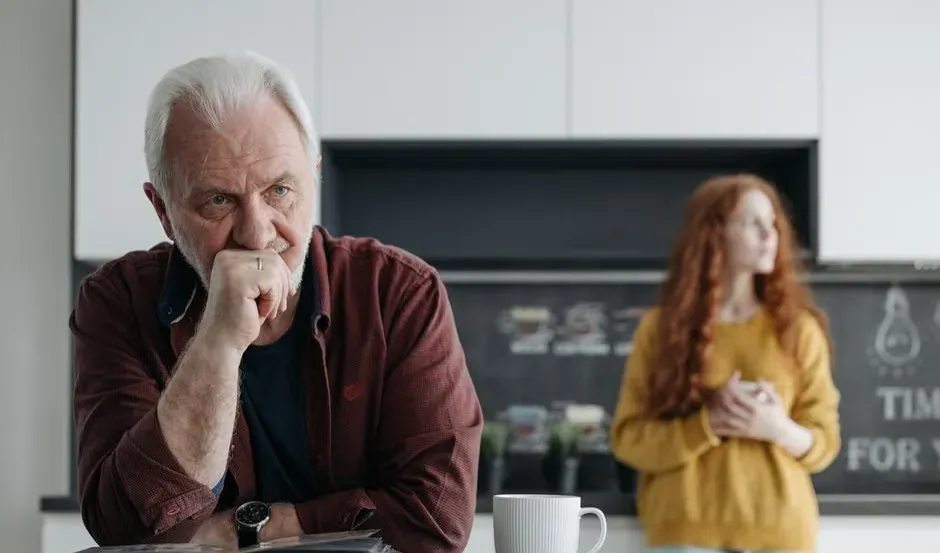
Hollywood long paired leading men with partners decades younger, and rarely commented on it. A veteran star could romance a woman who was barely out of her twenties, and the audience was simply expected to go along. The imbalance of power and experience stayed in the background.
Audiences have grown more vocal about this pattern, and casting choices now draw open criticism online. Stories that feature large age differences are more likely to address the dynamic directly. When they don’t, the pairing tends to feel dated almost immediately.
The Teacher or Boss Romance Without Consequences

Workplace and classroom relationships once appeared as harmless sparks. A manager and an assistant, or a professor and a student, fell in love while the power gap was treated as a minor detail. Real-world consequences like HR policies and ethical rules almost never appeared.
Since the rise of the #MeToo movement in 2017, writers have had to reckon with how power shapes consent. Many newer series now acknowledge the conflict or make it the central tension. A story that pretends the hierarchy doesn’t matter reads as naive.
The Woman Who Needs Saving to Fall in Love
The damsel in distress has been a romantic engine since early cinema. She gets rescued, he gets gratitude, and affection follows as a kind of payment. Her own goals and skills mattered little to the arc.
Modern romances more often give both partners agency, with each helping the other in turn. Love tends to grow from shared effort rather than debt. Audiences seem to prefer partners who meet as equals, and the old rescue formula feels thin by comparison.
Taken together, these tropes show how storytelling habits shift with the culture around them. The classics remain watchable, but newer romances increasingly build chemistry on mutual interest and respect.