Most people can still picture the layout of a store that no longer exists. Maybe it was the new release wall, the toy aisle at the back, or the demo TVs lined up near the entrance. Those places shaped weekends, birthdays and holiday shopping for millions of families.
Each chain on this list had its own rise and its own exit. Some vanished almost completely, while others survive in a much smaller form. Here’s how seven of them are remembered.
Blockbuster

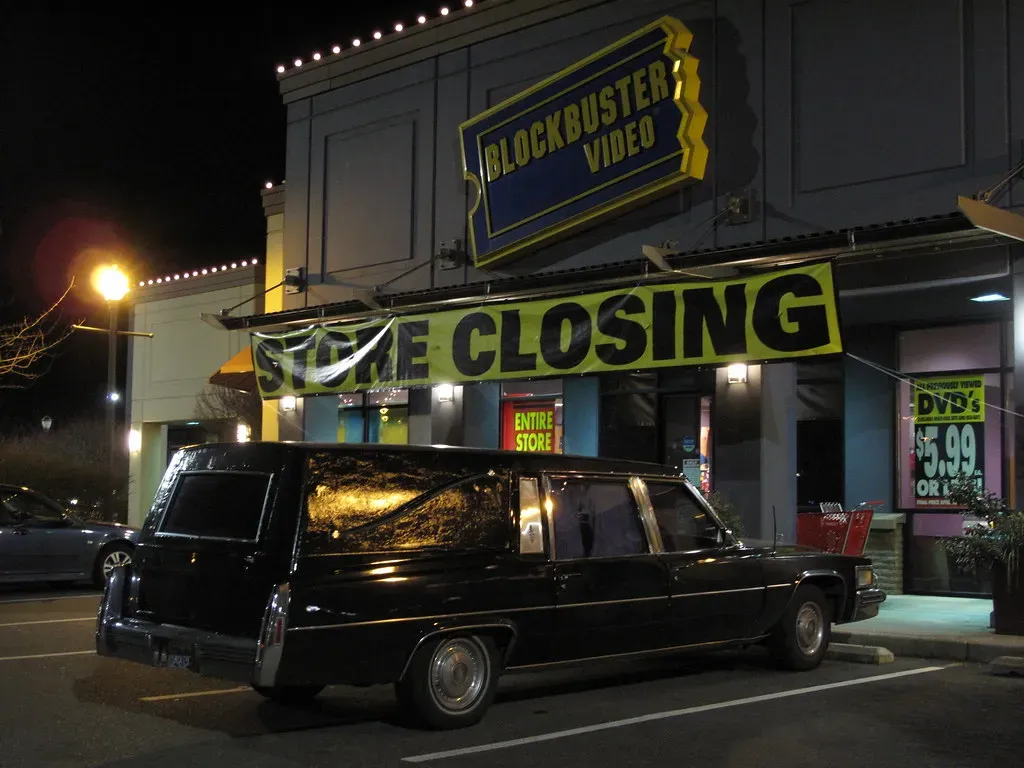
Blockbuster was the Friday night ritual for a generation. In 2004, it had more than 9,000 stores worldwide. Its blue and yellow stores were known for new release walls and late fees.
The decline came with the rise of rentals by mail and then streaming. Blockbuster tried competing with its own DVD by mail service, but it was too little, too late, and the chain filed for bankruptcy in 2010. The last corporate owned store closed in January 2014.
One location still operates. In 2018 the Bend, Oregon store became the last Blockbuster in the United States, and in 2019 the last in the world, though it’s an independently owned franchise. It still rents DVDs and sells branded merchandise.
Its survival has become a story in itself. In October 2024, false rumors of a Halloween closure spread online, and the store said they were untrue. Travelers’ reviews from 2026 on Tripadvisor suggest it’s still drawing visitors.
Circuit City

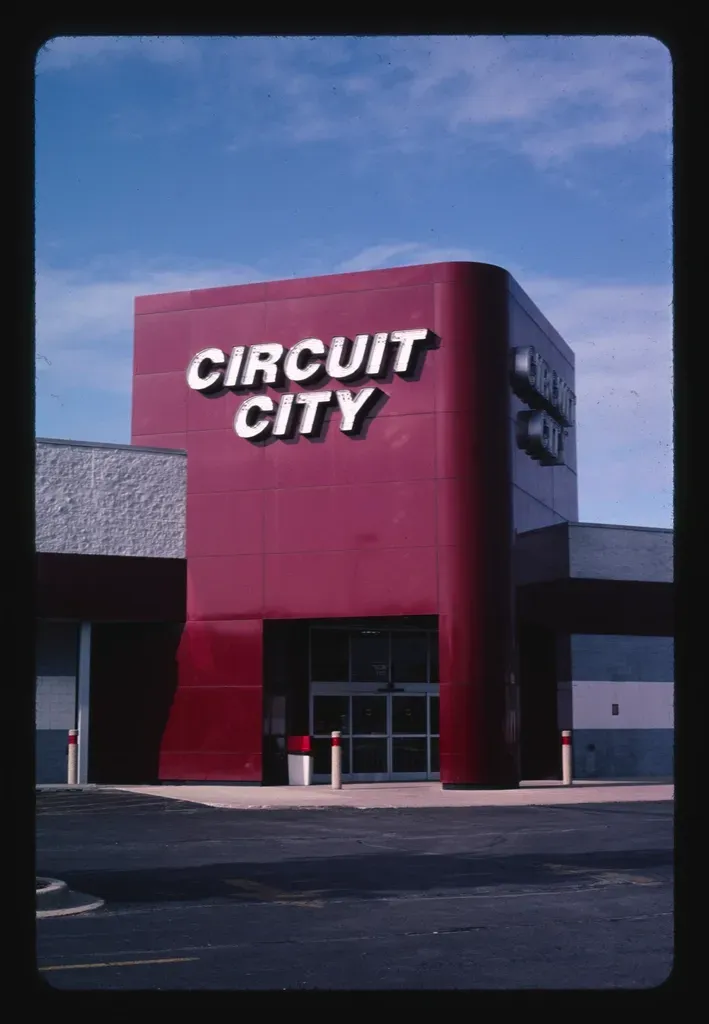
Circuit City was once one of the two big names in American consumer electronics, going head to head with Best Buy. Shoppers went there for televisions, stereos, computers and appliances, often on a Saturday afternoon with a newspaper ad in hand. The red storefronts were a fixture in suburban shopping centers across the country.
The company filed for Chapter 11 bankruptcy in November 2008, in the middle of the financial crisis. After efforts to restructure failed, it moved to liquidate in early 2009. Thousands of employees lost their jobs as the stores closed.
The name has had a small afterlife. Several buyers have used the brand since then, mostly online, but nothing close to the old store network has returned. For most people, Circuit City is a reminder of how quickly electronics retail can change.
Toys R Us

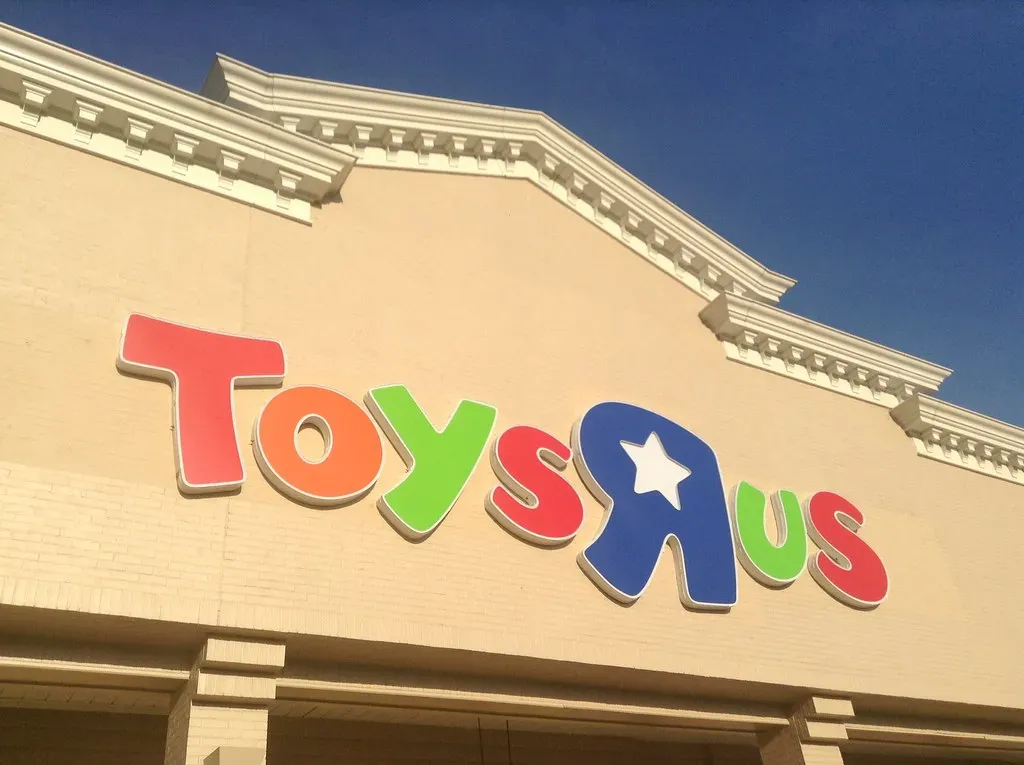
For many kids, Toys R Us was simply the best store on earth. It had towering shelves, a giant play area feel and the Geoffrey the Giraffe mascot. The backwards R in its logo is still instantly recognizable.
The chain filed for bankruptcy in September 2017, weighed down by heavy debt and tough competition from big box retailers and online sellers. It closed or sold its U.S. stores in 2018. The shutdown marked the end of one of the country’s best known toy sellers.
The brand didn’t disappear entirely. Toys R Us shops inside Macy’s stores began appearing in 2022, offering a smaller version of the experience. It’s a far cry from the old warehouse sized stores, but it keeps the name in front of families.
Partner offer

Borders


Borders was a bookstore chain built for browsing. Big stores, comfy chairs, a music section and a café made it a place to spend an afternoon, not just a quick stop. For many readers, it felt like a library that happened to sell things.
The company filed for bankruptcy in February 2011 and then liquidated, closing all of its remaining stores later that year. Online retail, e-books and a slow response to both hurt the business. Its competitor Barnes and Noble remained in operation.
Borders is often held up as a case study in how a retailer can lose ground while the industry changes around it. Yet the idea of a bookstore as a gathering place didn’t die with it. Many independent shops have leaned into the same community feel.
Sears

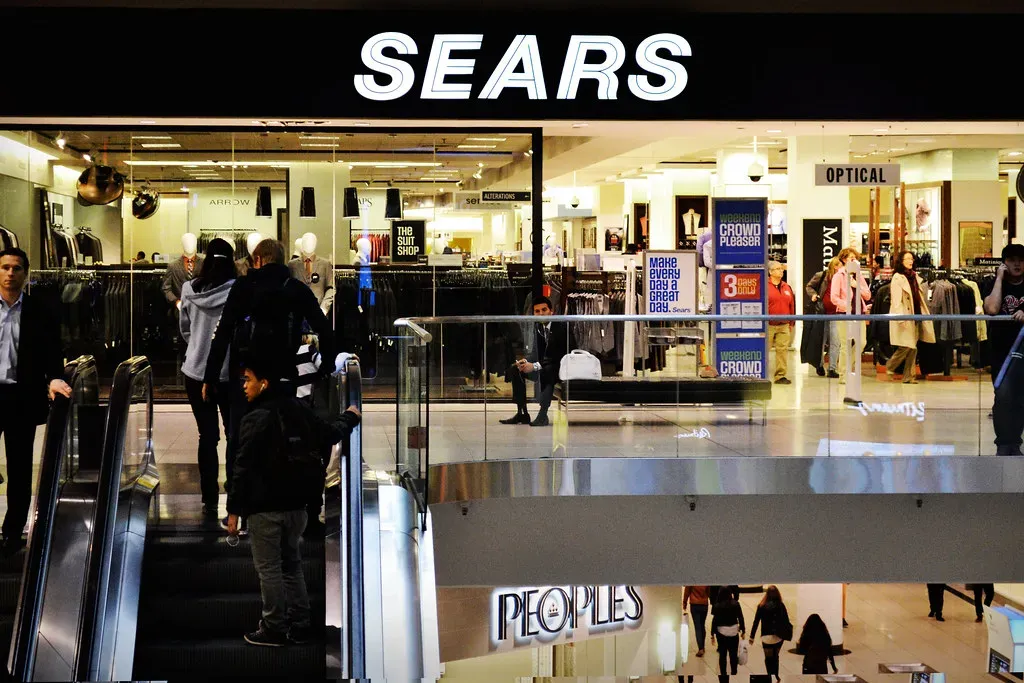
Sears was more than a store. It began in the 1880s as a mail order business and grew into a catalog giant, then a mall anchor selling everything from tools and appliances to clothing. Families bought their washers, mattresses and Craftsman wrenches there for generations.
The decline was long and slow, marked by shrinking sales and hundreds of closures over the years. Sears Holdings filed for Chapter 11 bankruptcy in October 2018, and many more stores shut soon after. Kmart, which was part of the same company, also shrank dramatically.
Today only a tiny handful of Sears and Kmart locations remain, mostly in a few places. Compared with the thousands of stores at its peak, that’s a very small footprint. The brand’s catalog history remains part of American retail lore.
RadioShack

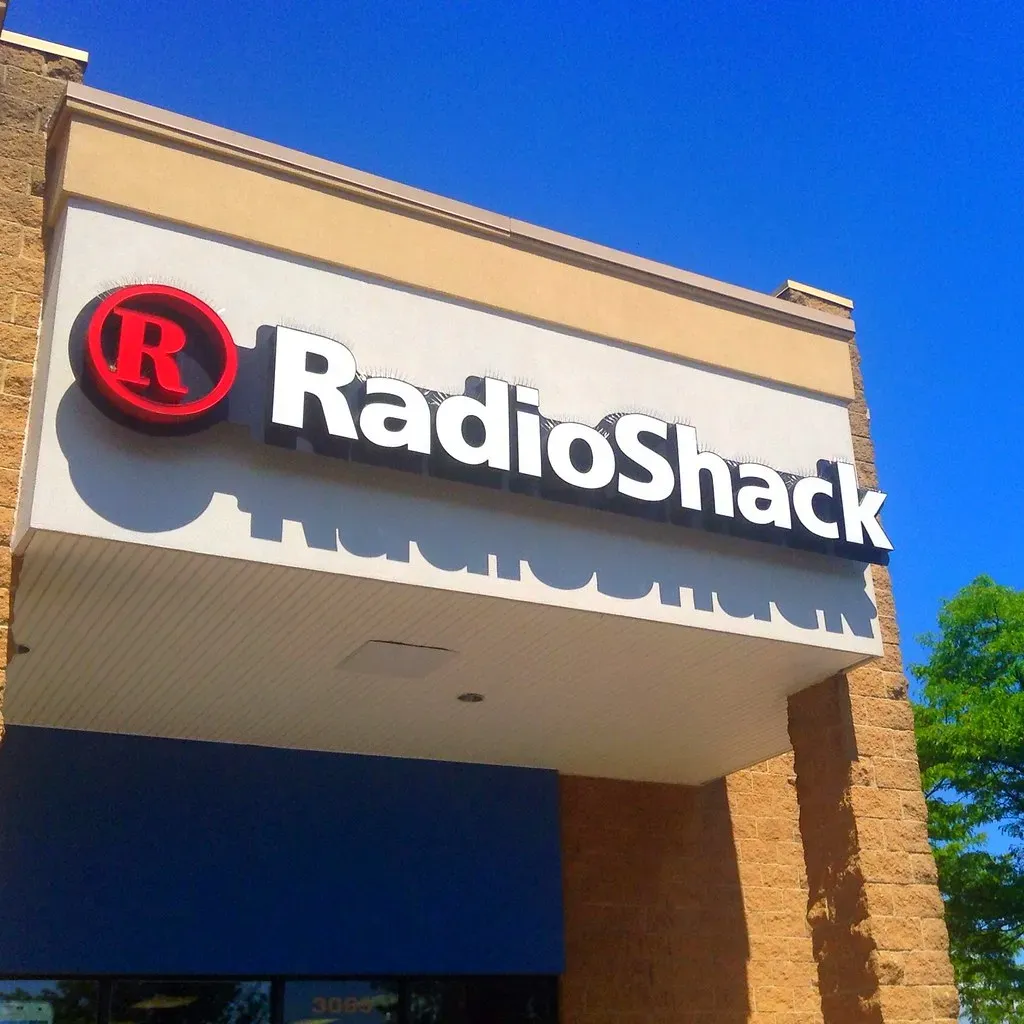
RadioShack was the neighborhood stop for batteries, cables, hobby parts and gadgets. If you needed an odd adapter or a tiny component, chances were good a store was nearby. It was a gateway for a lot of young tinkerers and early computer fans.
The chain, which dated back to the 1920s, filed for bankruptcy in February 2015 after years of declining sales. Many of its roughly thousands of stores closed, and others were converted or sold. A later bankruptcy in 2017 shrank it further.
The name lives on in a different form today. It’s now mainly an online brand and a small set of independent dealer locations. The corner store feeling that made it special is mostly gone.
Tower Records

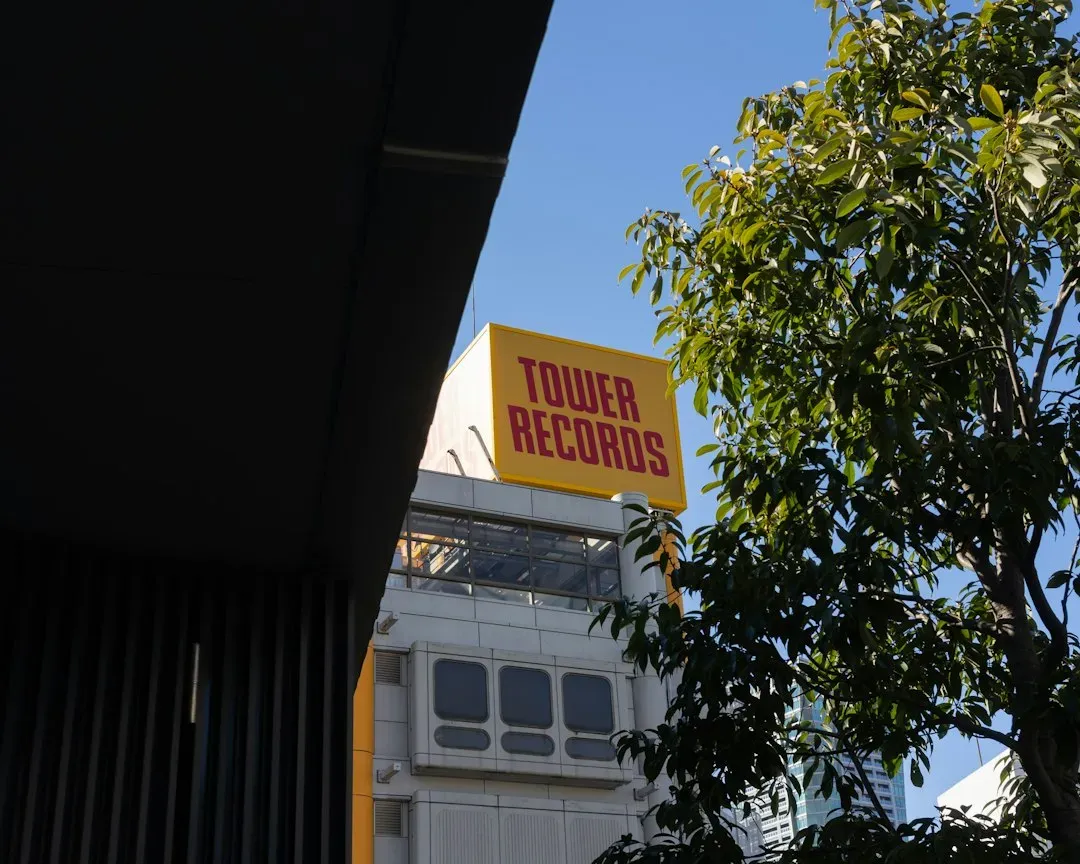
Tower Records was the music lover’s temple. It started in Sacramento in 1960 and grew to include flagship stores in cities like Los Angeles and New York. Browsing the racks, finding an import or hearing an in store playlist was part of the fun.
Digital downloads and file sharing hit the music business hard in the 2000s. Tower filed for bankruptcy in 2006, and its U.S. stores were liquidated that year. The collapse mirrored the broader decline of the CD era.
The Tower name continues in Japan, where the chain has operated separately for years. In the U.S., it survives mostly in memory, and in the 2015 documentary about its founder. Record stores in general have seen some revival thanks to vinyl, though not on Tower’s scale.
Partner offer
Planning a trip to Vegas?
Compare hotel rates and show tickets on VEGAS.com.