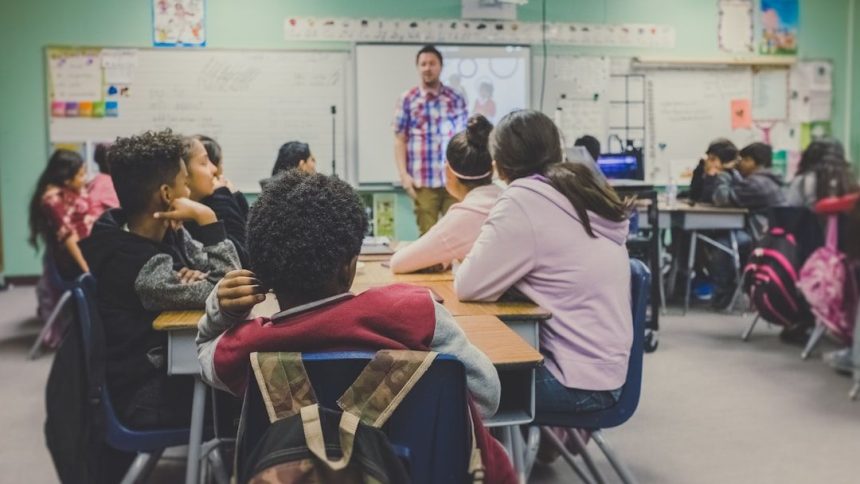
Something quietly remarkable is happening inside classrooms, on laptops, and even at kitchen tables around the world. The way students absorb knowledge, engage with teachers, and prepare for their futures is being reshaped at a speed that would have seemed almost unimaginable a decade ago. We’re not just talking about swapping textbooks for tablets. The shifts happening right now run far deeper than that.
Some of these changes are driven by technology, others by a growing understanding of how the human brain actually learns, and still others by a society that has started asking harder questions about what school is really for. Let’s dive in.
1. AI Is Becoming the Classroom’s Most Tireless Tutor

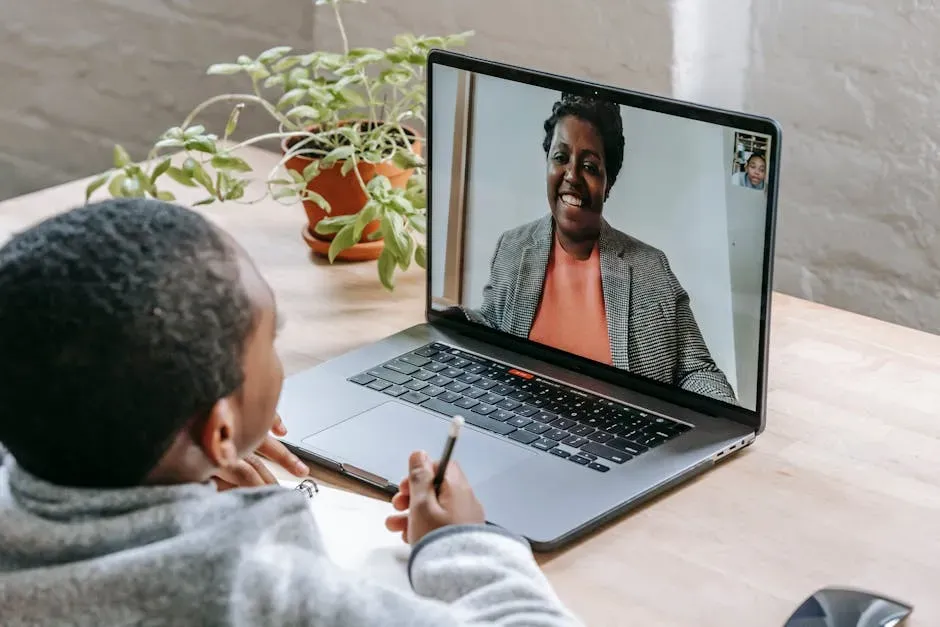
Honestly, no single force is reshaping education more dramatically right now than artificial intelligence. A 2025 EdWeek survey found that roughly three in five teachers said AI had enabled more personalized instruction, with high school teachers being the most active adopters, reporting generative AI use at a notably higher rate than their elementary school counterparts. That’s not a fringe trend. That’s a fundamental rewiring of how instruction works.
AI is revolutionizing education by tailoring learning experiences to individual needs, with adaptive systems that adjust lesson difficulty in real time and conversational AI that provides instant feedback. Think of it like having a private tutor who never gets tired, never gets impatient, and somehow always knows exactly where you’re struggling. The global AI in education market was valued at roughly seven billion dollars in 2025 and is projected to reach over a hundred billion dollars by 2035, growing at a compound annual rate of around thirty-five percent.
2. Personalized Learning Is Finally Moving Beyond the Buzzword Stage

For years, “personalized learning” felt like one of those phrases educators threw around at conferences without it meaning much in practice. That’s changing fast. With AI-powered personalized learning, data-driven algorithms can now analyze students’ performance, learning styles, and progress to craft customized curricula and targeted interventions. The one-size-fits-all lecture model, where thirty kids sit quietly while a teacher talks, is starting to feel genuinely obsolete.
Adaptive platforms like Khan Academy’s Khanmigo adjust in real time to a learner’s strengths and weaknesses, and research from McKinsey indicates that personalized learning can improve student outcomes by as much as thirty percent. A 2024 Choose to Learn report found that nearly half of K-12 parents want to explore different educational options for their children but lack the knowledge of what’s available, which shows just how urgently families are searching for approaches that truly fit their individual child.
3. Gamification Is Making Learning Feel Less Like a Chore


Here’s the thing: telling a teenager to sit still and absorb information for six straight hours has never actually worked well. Gamification understands that. Gamification infuses education with game-like elements such as points, badges, and leaderboards, and these approaches hook learners – especially younger generations – by making lessons feel more like play. It sounds almost too simple, but the results are surprisingly hard to argue with.
Around two-thirds of students feel that gamified courses are more motivating than regular ones, and challenge-based gamification has shown dramatic improvements in student performance compared to traditional lecture-based education. Tools like ClassDojo incorporate scavenger-hunt activities, competitive quizzes, and leaderboards, and these gamified platforms are more popular than ever, genuinely reshaping how students engage with digital learning. It’s hard to say for sure how far this will go, but the momentum is unmistakable.
4. Immersive Technology Is Taking Students Places No Field Trip Could

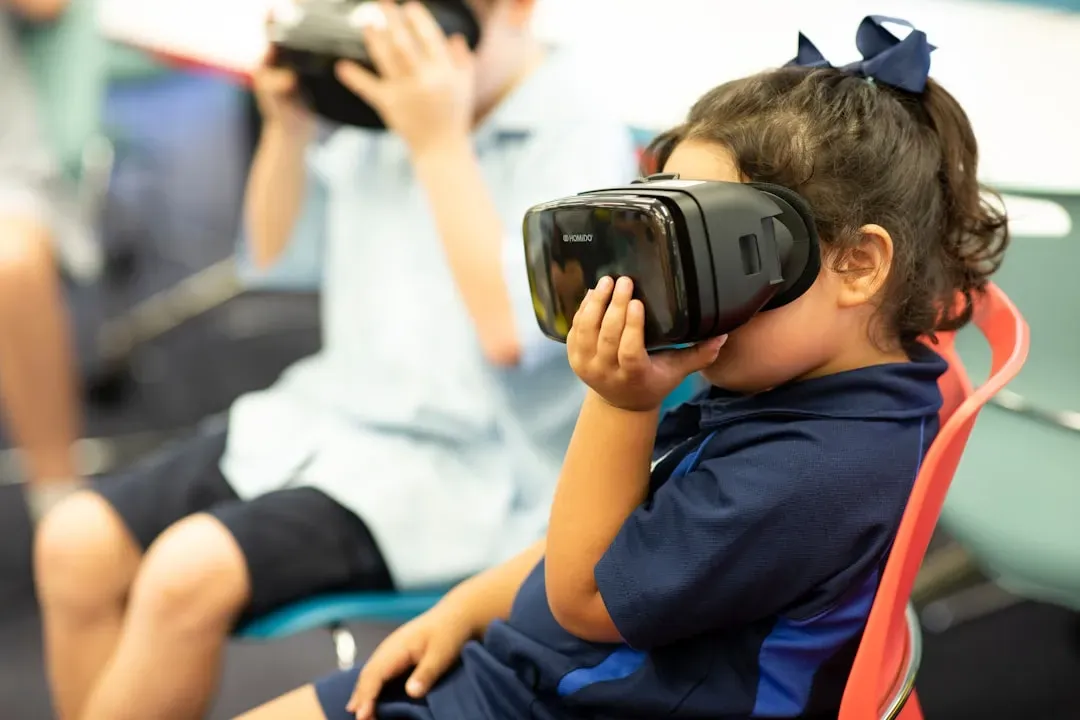
Imagine studying the human heart by actually walking through it, or visiting ancient Rome without leaving your school in rural Ohio. That’s not science fiction anymore. Students of all ages can be transported to Ancient Rome one day or explore complex anatomical structures the next, with AR and VR enhancing learning by offering memorable, hands-on experiences and allowing students to refine their skills in an entirely safe environment.
The global virtual reality in education market was valued at over twenty billion dollars in 2025 and is projected to grow to more than eighty-three billion dollars by 2034. Research has shown that VR training can produce up to a seventy-six percent increase in learning effectiveness compared to traditional methods, with students also reporting feeling far more emotionally connected to the material. The sector is being driven by the increasing affordability of VR gear and the rising number of social VR spaces, which are making immersive learning experiences more accessible to a wider audience.
5. Microlearning Is Winning the Battle Against Short Attention Spans
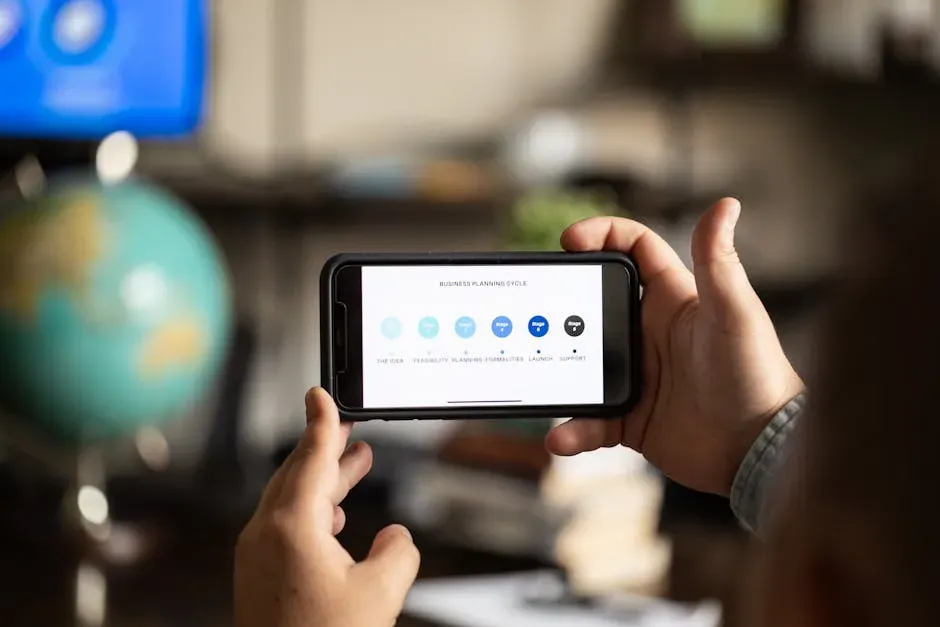
Let’s be real: the era of the ninety-minute uninterrupted lecture is not coming back. And maybe it shouldn’t. Microlearning delivers content in short, focused bursts – videos, quizzes, or visuals lasting five to ten minutes – and it suits modern schedules while aligning with research showing attention drops significantly after ten to fifteen minutes. That’s just how the brain works, whether we like it or not.
Microlearning and nanolearning deliver structured content in thirty-second to ten-minute formats, and microlearning achieves completion rates of up to eighty percent compared to just twenty percent for traditional courses. Mobile and microlearning platforms are making education more accessible, with nearly two-thirds of learners preferring to access training through mobile phones, and microlearning showing a notable improvement in information retention. Breaking complex ideas into digestible pieces isn’t dumbing things down. It’s smart design.
6. Social-Emotional Learning Is Being Treated as Seriously as Math
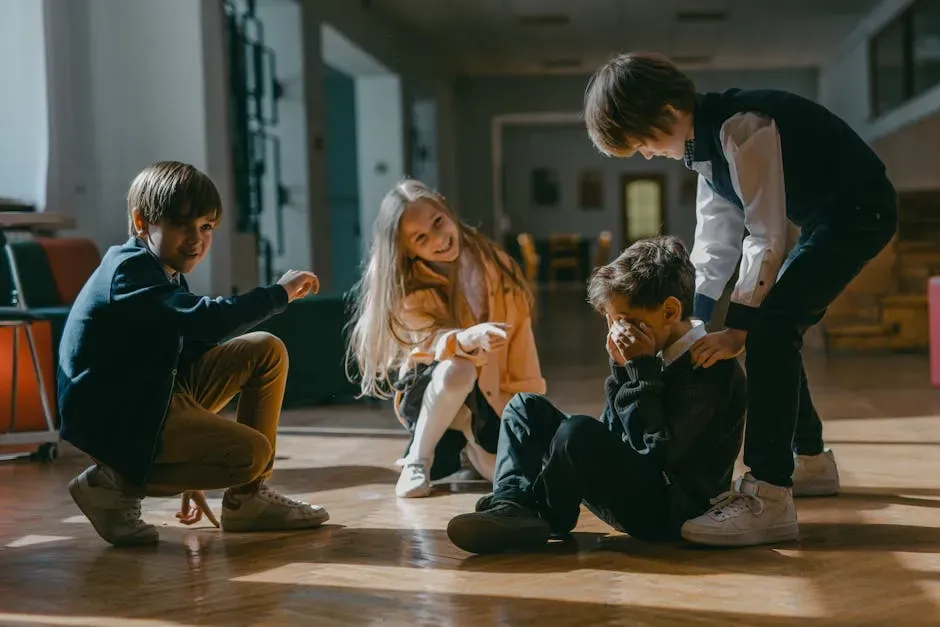
For a long time, subjects like emotional regulation, empathy, and self-awareness were considered “soft.” Schools had real subjects to worry about. That attitude has shifted dramatically, and the data behind the shift is compelling. More schools across the United States are incorporating SEL into students’ educational experiences, and by the 2023-2024 school year, eighty-three percent of school principals reported that their schools used an SEL curriculum, up from seventy-six percent just two years earlier.
Across multiple meta-analyses of school-based SEL programs, researchers found a consistent, reliable effect on students’ social, emotional, behavioral, and academic outcomes in PreK through 12th grade, including improved academic engagement and lower rates of behavior problems and psychological distress. Research increasingly highlights that social emotional learning yields the strongest results when integrated into school culture rather than confined to isolated lessons or single curricula. In other words, it works best when it’s woven into everything, not treated as a separate box to tick.
7. Blended and Hybrid Learning Has Permanently Altered What “School” Means
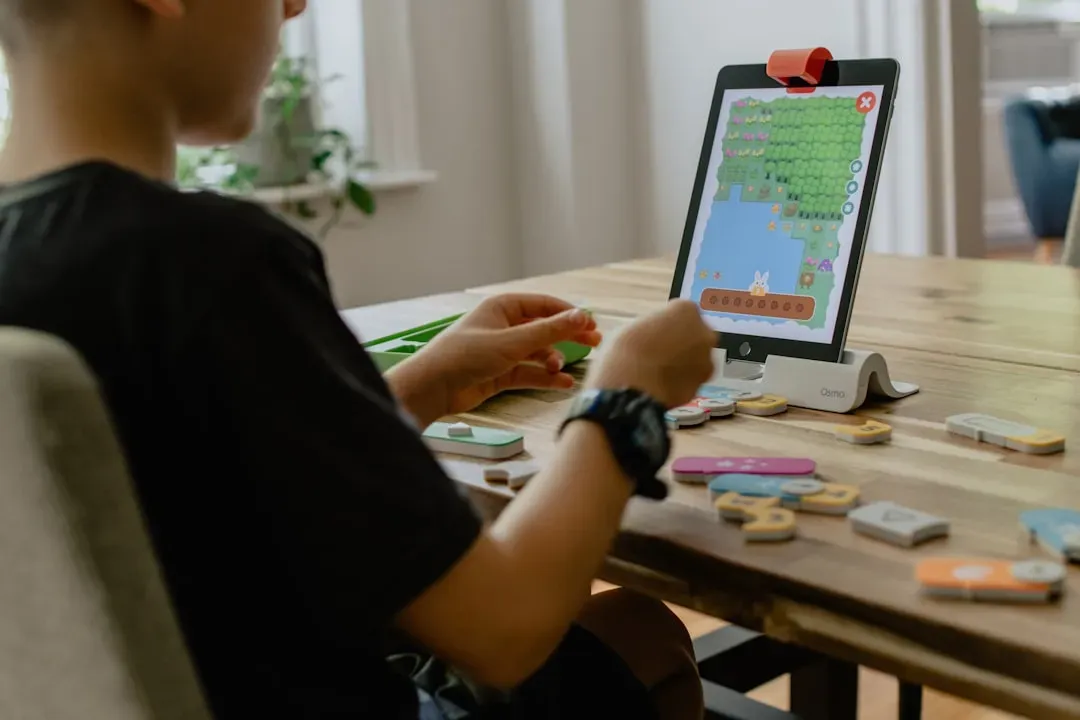
The pandemic forced a global experiment in remote learning, and while no one wants to relive those early chaotic months, the experiment permanently changed expectations on all sides. The shift towards online and blended learning platforms is reshaping education significantly, and these platforms offer flexible and scalable solutions, giving students the opportunity to learn at their own pace and access a wealth of resources from anywhere in the world. Students who experienced that flexibility are not eager to simply forget it existed.
Flexibility is a central demand for learners today. While online education has many benefits, many students still want some face-to-face interaction, and education providers are now expected to blend in-person and online learning to offer the best of both worlds, accommodating diverse learning preferences. Digital learning growth has accelerated across both higher education and workforce training, driven by technology adoption, flexible learning demand, and mobile-first access, with the global eLearning services market valued at nearly three hundred billion dollars in 2024 and projected to approach nearly a trillion dollars by 2030.
The classroom of 2026 looks nothing like it did twenty years ago, and honestly, that’s a good thing. Each of these seven shifts points toward the same underlying truth: education is finally starting to meet students where they actually are, rather than demanding students contort themselves to fit an outdated mold. Whether you’re a parent, a teacher, or a student yourself, the changes are real, they’re accelerating, and they’re worth paying attention to. What surprised you most? Drop your thoughts in the comments.