Some songs just sound like songs. They loop through your head at the gym, float out of coffee shop speakers, fill up car rides without you ever thinking twice. Then one day, someone tells you the real story behind the lyrics, and suddenly everything shifts. It’s like watching a movie you’ve already seen, but someone finally turned on the lights.
Music has the power to move us, uplift us, and even haunt us. Songwriters and musicians find inspiration in all sorts of places, from deeply personal experiences to fleeting emotions sparked by literature, history, or even tragedy. The songs on this list all have one thing in common: they sound completely different once you know where they came from. Some of the stories are heartbreaking. A few are shocking. All of them are real. Let’s dive in.
1. “Tears in Heaven” – Eric Clapton
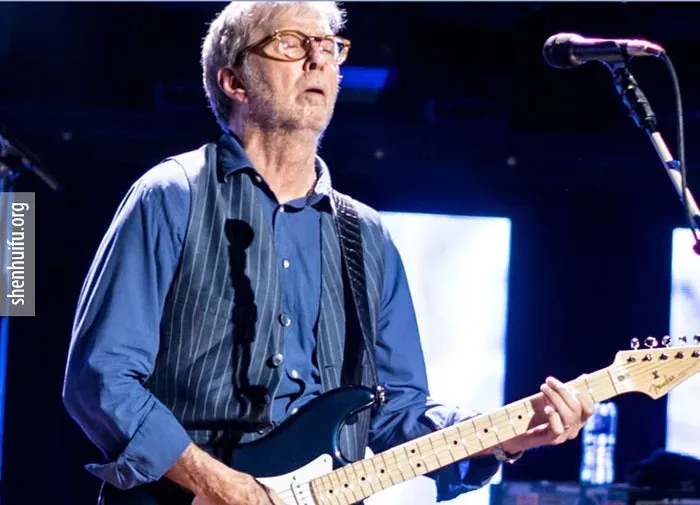
If there is one song on this list that genuinely stops people mid-breath when they finally learn the truth, it’s this one. Most listeners assume it’s just a tender, beautifully written ballad about loss in the abstract. It’s not. On March 20, 1991, Clapton’s four-year-old son, Conor, whom he had with Lory Del Santo, died after falling from the 53rd-floor window of a New York City apartment belonging to a friend of Conor’s mother.
A janitor had been working on the windows in the high-rise apartment and one window in the living room remained open. He called out to warn the nanny, but the little boy dashed past her before she could react. Conor raced to the window he would normally lean against and look out, and fell to his death, still dressed in his red pyjamas and slippers. That detail alone is almost impossible to sit with.
Clapton was staying in a hotel nearby and was preparing to pick up Conor for a planned father-son lunch and visit to the Central Park Zoo. “The first I knew was a telephone call from their apartment,” Clapton recalled. “I was actually getting ready to go out of the hotel room to go and pick him up for lunch. Lory was on the other end of the phone, and she was hysterical, saying he was dead.”
For nine months the grieving father concentrated on coming to terms with his loss rather than on performing. When he returned to the stage, his music had changed, becoming softer, more powerful, and more reflective. The song went on to win three Grammy Awards: Best Male Pop Vocal Performance, Song of the Year, and Record of the Year. Honestly, knowing what Clapton was carrying when he wrote it makes every single note feel unbearable.
2. “Wake Me Up When September Ends” – Green Day

For years, people treated this song as a breezy, melancholic rock ballad, perfect for playlists about rainy autumn days. Every October 1st, social media floods with memes telling Billie Joe Armstrong to wake up. It’s become a running joke. Here’s the thing though: it was never, ever a joke. The song was inspired by the death of lead singer Billie Joe Armstrong’s father in September 1982. On the day of his father’s funeral, Armstrong reportedly ran home, locked himself in his room, and when his mother came to check on him, he told her to wake him up when September ended, and held onto the song title for several years after.
Lead vocalist Billie Joe revealed he penned the song as a memorial to his father Andrew, a jazz musician and truck driver, who passed away when the artist was just 10 years old. Andrew’s death followed his diagnosis with esophageal cancer. Ten years old. Think about that for a moment.
Billie Joe confessed “I think about him every day.” He revealed he steered clear of addressing his father’s passing for “many years” but it “felt good” to “honor” him. “I kinda avoided writing about him for many years, and then finally having a breakthrough like that felt good.” Many fans of the punk outfit claim the annual memes are insensitive, and Armstrong himself wishes they would “get a life” from time to time. After knowing the backstory, it’s really hard to disagree with him.
3. “I Will Always Love You” – Dolly Parton
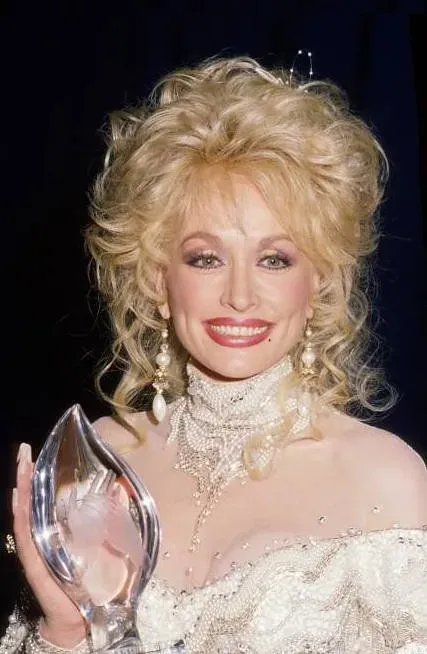
Whitney Houston’s towering 1992 version made this song feel like the ultimate romantic farewell. Wedding receptions, breakup playlists, movie soundtracks. Everyone assumes it’s about a lover. It isn’t. Not even close. If you’ve heard Whitney Houston’s cover from The Bodyguard, you might assume this bittersweet ballad was written at the end of a romantic relationship, but it was actually something more akin to a resignation letter. Parton appeared on The Porter Wagoner Show for seven years and recorded a dozen albums with her musical mentor, but by 1973 she hoped to strike out on her own, and she wrote this song as a musical farewell.
While it was designed to soften the blow, its impact was debatable: In 1979, Wagoner filed a $3 million lawsuit for breach of contract, and the two were estranged for years. So much for the gentle goodbye. At its core, this track says “thanks for everything” during a major career transition. Parton’s delivery emphasizes gratitude rather than passionate longing.
Fun fact: Parton claims she wrote “Jolene” the same day as “I Will Always Love You,” which became a massive hit when covered by Whitney Houston. Two iconic songs written on the same day, one of them secretly a career resignation note. Dolly Parton, it turns out, is an absolutely fascinating human being.
4. “All My Love” – Led Zeppelin

On the surface, it floats like a gentle, wistful love song. The kind of Zeppelin track that surprises people who only know the band for “Whole Lotta Love” and “Immigrant Song.” But the love in “All My Love” was not for a woman. Led Zeppelin’s “All My Love” sounds like a simple love song but masks a devastating backstory. The ballad was written about singer Robert Plant’s son, Karac, who died suddenly at the age of five from a stomach virus.
The song was written in honor of Robert Plant’s son, Karac, who died of a stomach virus while Led Zeppelin was on tour in 1977. Karac was just five years old. A father pouring the full weight of his grief into a rock song while thousands of miles away from home on tour. It’s hard to imagine a more harrowing kind of guilt to carry.
Partner offer
What makes this story even more layered is the reaction from within the band itself. According to Rolling Stone, Jimmy Page supposedly “hated ‘All My Love,’ but because it was about Karac, he couldn’t criticize it.” Even his own bandmate couldn’t bring himself to speak against a father’s tribute to a dead child. Hearing it now, knowing all of that, the tenderness in Plant’s voice takes on a completely different weight.
5. “How to Save a Life” – The Fray

If you were anywhere near a television in the mid-2000s, this song was absolutely everywhere. Grey’s Anatomy used it to devastating effect. But most people never looked deeper into what actually sparked it. The Fray’s “How to Save a Life” was written after singer and songwriter Isaac Slade worked at a camp for troubled kids. “One of the kids I was paired up with was a musician. Here I was, a protected suburbanite, and he was just 17 and had all these problems. And no one could write a manual on how to save him,” Slade explained.
The song grew from a real human encounter, from the helplessness of watching someone in pain and not having the right words. It’s not a fictional narrative or a generic metaphor. It came from a specific kid, a specific sleepless night, a specific failure to connect that haunted Slade enough to write it into one of the decade’s most recognized ballads.
The singer received a lot of heartbreaking responses after the song became a hit, one of which was the story of a young man who died in a car accident. “I guess it had been the last song he downloaded from his computer.” That response alone says everything about the kind of impact a song can have when real pain gets channeled into honest music. I think that’s what separates lasting music from disposable music. The truth in it.
6. “I Wish It Would Rain” – The Temptations
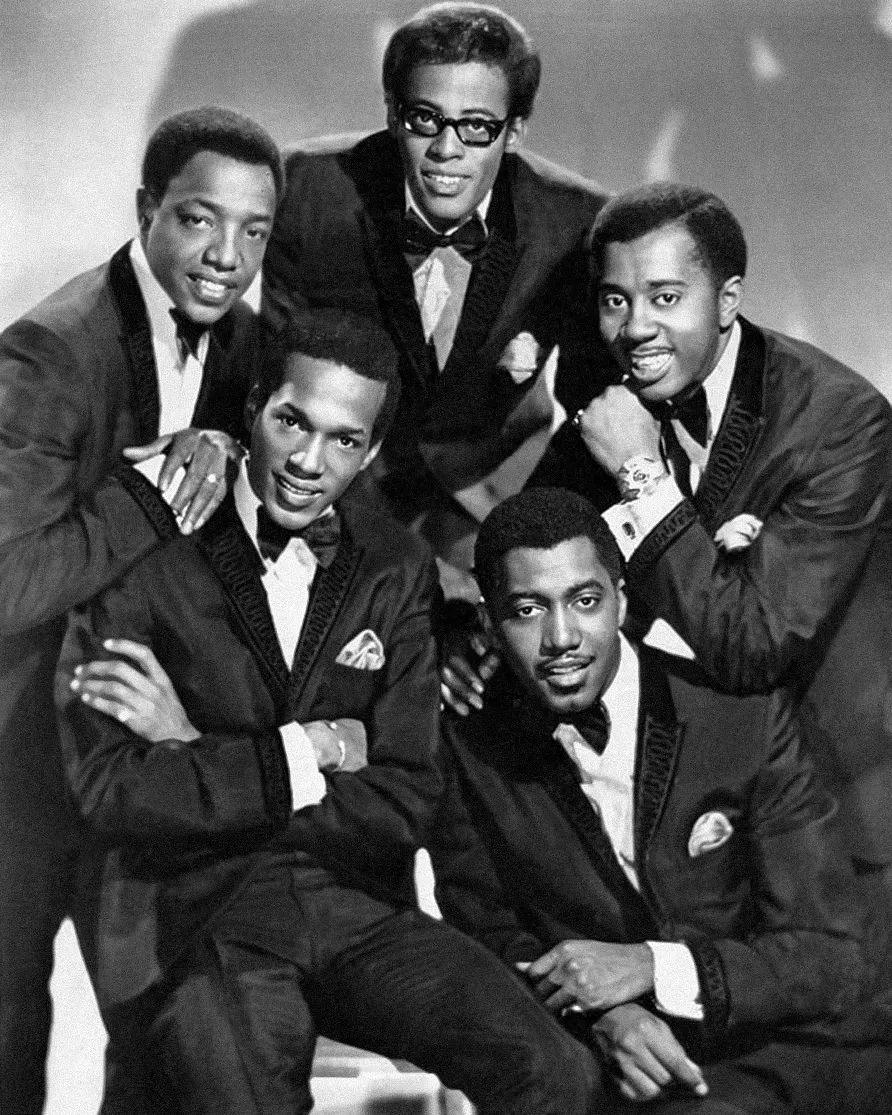
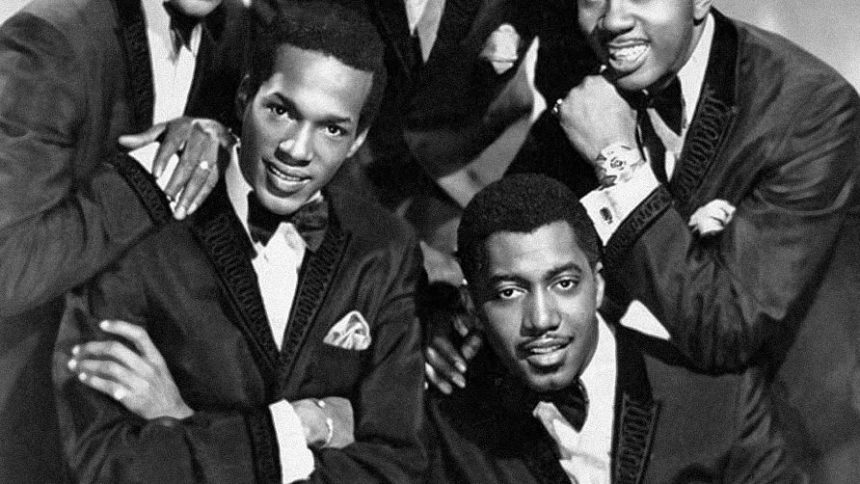
This 1967 soul classic sounds like heartache wrapped in gorgeous Motown production. You can appreciate the performance without knowing a single thing about who wrote it. But the backstory transforms it into something genuinely tragic. The tragic story of The Temptations’ hit “I Wish It Would Rain” began and ended with lyricist Rodger Penzabene. Prior to the song’s recording, Penzabene caught his wife having an affair, and became so distraught and depressed that he wrote a song about it. The song was recorded and released in 1967, but Penzabene never got to witness its success. Two weeks after its release, Penzabene was so overcome with emotions over his wife’s affair that he took his own life.
Let that sink in. He poured his most unbearable pain into a song, the world heard it, and he never knew. The wishing for rain so no one could see him cry was not a poetic device. It was a confession.
Every note of that song now carries a completely different resonance. Music has the power to move us, uplift us, and even haunt us. Whether rooted in heartbreak, eerie coincidences, or true crime, the backstories behind these popular tracks might just change the way you hear them forever. Few examples prove that more completely than this one. It’s hard to say for sure, but knowing the truth makes this one of the most heartbreaking songs in all of popular music.
7. “Born in the USA” – Bruce Springsteen
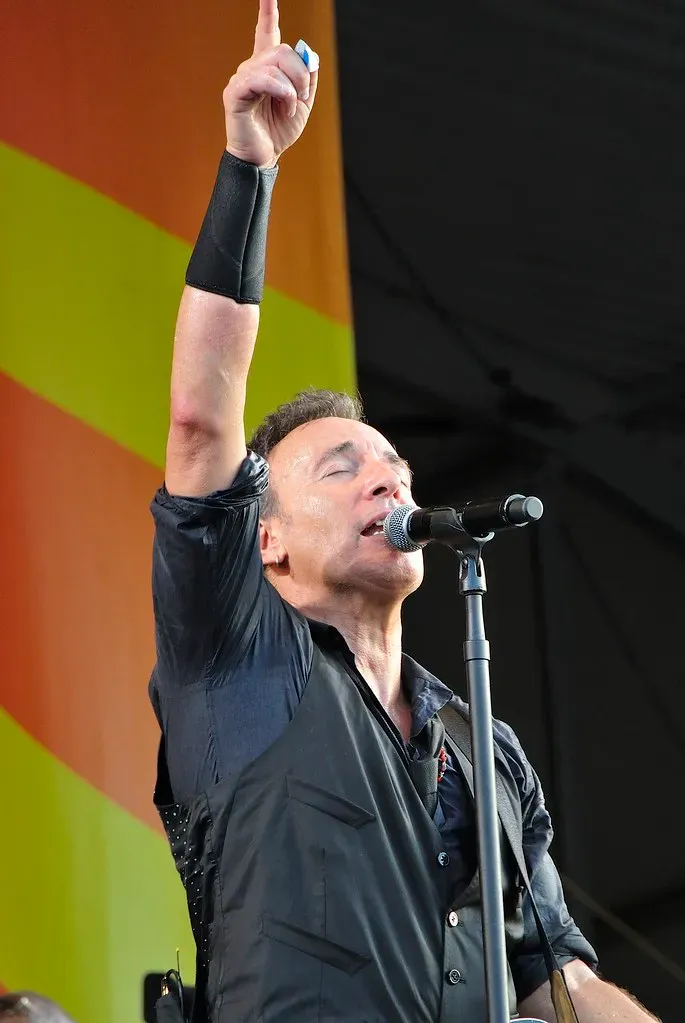
Here’s one that almost everyone gets wrong, and the irony is spectacular. For decades, this song has been used as a fist-pumping patriotic anthem. Politicians have played it at rallies. It feels like a celebration of American identity. It is the opposite of that. Bruce Springsteen’s “Born in the USA” echoes through patriotic playlists and encapsulates every 4th of July party, yet it isn’t as patriotic as most think. The song criticizes America’s involvement in the Vietnam War.
The narrator of the song is a Vietnam veteran who came back broken, unwanted, and forgotten by the very country that sent him to fight. The thundering chorus is not triumphant. It’s desperate. Famous songs take on surprising new meanings when you understand their true origins. This is probably the most famous example of that phenomenon in modern music history.
Let’s be real: this is not a subtle misreading. The lyrics are pretty direct about a man with nowhere to go and nobody waiting for him. Yet the sheer sonic power of Springsteen’s production tricked millions into hearing pride where there was only pain. Songwriters and musicians find inspiration in all sorts of places, from deeply personal experiences to fleeting emotions sparked by literature, history, or even tragedy. Springsteen pulled from all of those. The tragic part is how thoroughly the message got buried under the bombast of the music itself.
Final Thoughts

There’s something profound about the way music can carry a secret for years, even decades, while the world dances, cries, or sings along without knowing. The songs on this list were each built from something deeply real: grief, despair, injustice, a child’s death, a father’s funeral, a war’s forgotten casualties.
Context doesn’t diminish these songs. If anything, it enlarges them. The more you know, the more you hear. And sometimes hearing the full story is the only way to truly listen.
What song changed for you once you found out the real story behind it? There’s a good chance someone else out there had the exact same moment of realization.
Partner offer
Planning a trip to Vegas?
Compare hotel rates and show tickets on VEGAS.com.