There’s a strange irony running through the history of pop music: some of the most defining songs ever recorded were the ones their own creators cared about least. Not the labored studio epics or the carefully workshopped singles, but the quick fillers, the joke tracks, the B-sides dashed off in an afternoon. They got tossed onto albums almost reluctantly, and then the public went and made them immortal.
What follows are seven tracks with exactly that kind of origin story. Each one was dismissed, underestimated, or barely finished before release. Each one became, against all expectations, the song that defined an era.
1. “Paranoid” by Black Sabbath (1970)

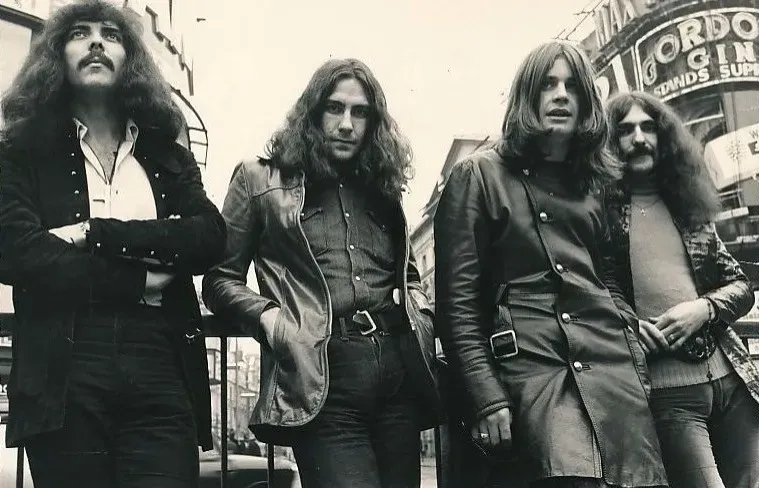
The album’s title track was written as an afterthought. As drummer Bill Ward explained, “We didn’t have enough songs for the album, and Tony Iommi just played the guitar lick and that was it.” The song was, in Geezer Butler’s own words, written because they “basically needed a 3-minute filler for the album.” Butler quickly wrote the lyrics, and Ozzy Osbourne was reading them as he sang.
The song was written with no intention of it being a successful hit for the band, only to be a filler on the album. That plan fell apart immediately. The song is now widely regarded as one of the greatest heavy metal songs of all time. It reached number four on the UK singles chart and number 61 on the US Billboard Hot 100, becoming Black Sabbath’s first song to chart in both countries. The album, often cited as the defining heavy metal release of the genre, hit number one in the UK, and sold more than four million copies worldwide.
2. “Smells Like Teen Spirit” by Nirvana (1991)

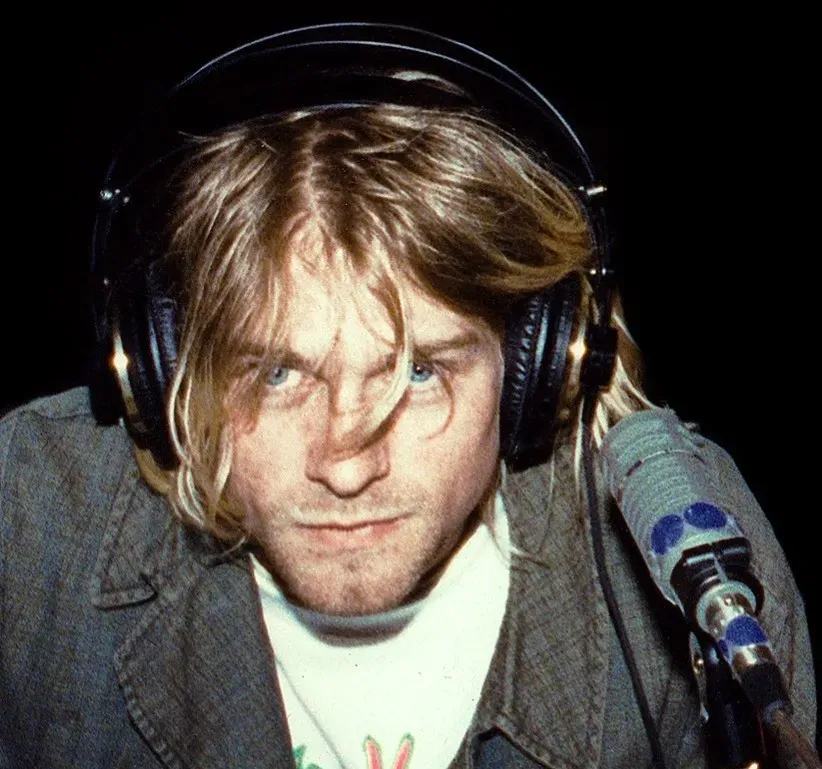
The title itself came from a joke. One night in 1990, Bikini Kill singer Kathleen Hanna spray-painted the phrase “Kurt smells like Teen Spirit” on Cobain’s wall, referring to a brand of deodorant popular with teenage girls at the time. Cobain himself said he was “trying to write the ultimate pop song,” and was “basically trying to rip off The Pixies.” Neither he nor his management thought it was a crossover record.
It was merely intended to be the base-building alternative rock cut from the album. The follow-up single “Come as You Are” was anticipated to be the song that would cross over to mainstream formats. However, campus radio and modern rock stations picked up the track and placed it on heavy rotation. Within months of its release, Nevermind had knocked Michael Jackson’s Dangerous off the top of the charts. In summer 2021, the song surpassed a billion streams on Spotify.
3. “Maggie May” by Rod Stewart (1971)

It was originally a throwaway meant to just be the B-side of “Reason to Believe.” Stewart had little faith in the track, a loose folk-rock story about a relationship with an older woman. Nobody in the room expected radio programmers to flip the record over, but that’s exactly what happened.
It resonated with listeners and became a number one hit on the Billboard Hot 100 and UK singles charts, among others. Radio stations preferred the B-side, and “Maggie May” became a hit, the first of a long string of hits for Stewart. It’s the kind of accident that reshapes a career entirely, and Stewart would spend the rest of the decade capitalizing on the bluesy, conversational style that “Maggie May” established almost by accident.
4. “Song 2” by Blur (1997)


Written as a tongue-in-cheek send-up of grunge, “Song 2” was a throwaway track penned in less than half an hour that went on to become a mega-hit. The band hadn’t even bothered giving it a real name. Its title was simply its position on the album tracklist. The “woo-hoo” chorus, delivered with deliberate irony, was never intended to be a serious anthem for anything.
Partner offer

The song’s whole point was to be disposable and deliberately dumb, a swipe at the kind of aggressive American rock that British indie bands of the era often held at arm’s length. Instead, it became the most recognizable thing Blur ever recorded, ending up in films, sports arenas, and video games for decades after its release. The joke landed so well that it stopped being a joke entirely.
5. “Under the Bridge” by Red Hot Chili Peppers (1992)


The song was never supposed to be a Red Hot Chili Peppers song at all. Anthony Kiedis wrote the lyrics as a private poem during a low period, dealing with drug addiction and a sense of isolation from the rest of the band. He never intended for anyone else to read it, let alone hear it. Producer Rick Rubin found the poem and pushed for it to become a track.
Rubin pushed, the band relented, and the result became one of their biggest and most enduring hits. A poem that was never meant for anyone else’s eyes ended up in stadiums. The song climbed to number two on the Billboard Hot 100 and remains one of the most emotionally direct pieces the band ever recorded, a quiet contrast to the funk-rock energy they were otherwise known for.
6. “Nothing Else Matters” by Metallica (1991)


James Hetfield wrote “Nothing Else Matters” as a purely private piece, playing guitar while on the phone with his then-girlfriend. He never intended for the rest of the band to hear it, let alone for it to be released. The song was a personal ballad, about as far from Metallica’s thrash metal identity as you could get.
When the band eventually heard it during the sessions for the Black Album, they convinced Hetfield to record it properly. He was initially embarrassed by the vulnerability of the lyrics. The song became one of Metallica’s most-streamed tracks of all time and one of the most recognizable rock ballads ever written. For a band defined by speed and aggression, it’s quietly remarkable that their most tender moment is also their most universal one.
7. “I Can’t Get No Satisfaction” by The Rolling Stones (1965)

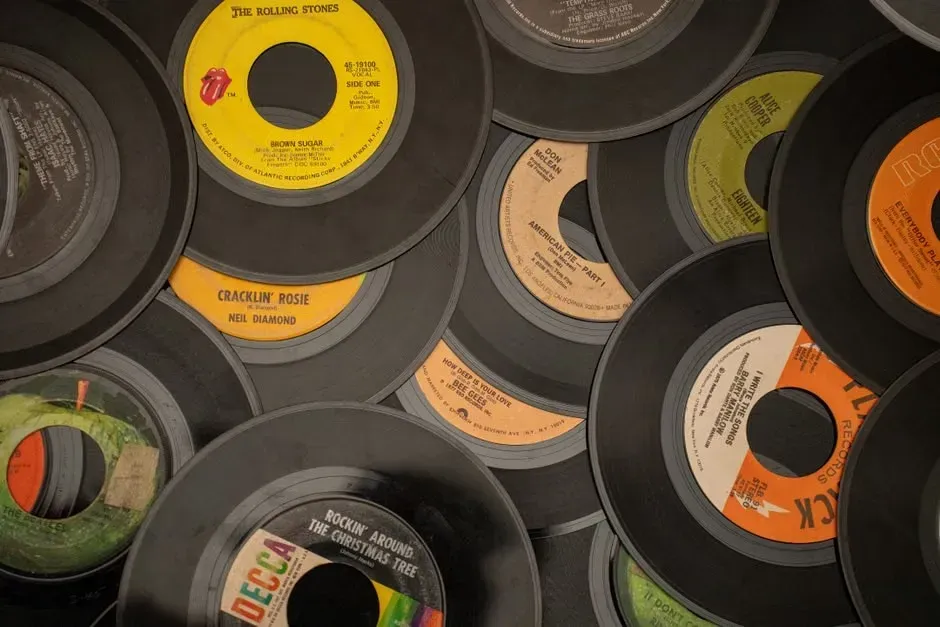
The story goes that Keith Richards got up in the night, recorded the riff and the phrase “I Can’t Get No Satisfaction,” then dozed off. The next day, he and Mick Jagger fleshed out the track, and immediately Richards began to hate his late-night inspiration. At first, his complaint was that the song was too “folksy.” Richards later admitted he considered the title “just a working title,” and thought of it as “just a little riff, an album filler,” saying he never thought it was commercial enough to be a single.
Fortunately, all the other band members, their manager, and the sound engineer outvoted Richards by a landslide to release the single. The song spent two weeks at number one, and Richards’s throwaway scratch track became one of the Rolling Stones’ most recognizable anthems. It went on to top charts across the world in 1965 and is still regularly cited among the greatest rock songs ever recorded. A riff scrawled in the dark, dismissed by its own author, ended up defining a generation’s restlessness better than almost anything else from that decade.
What’s striking, looking across all seven of these stories, is how consistent the pattern is. The artists were often the last to recognize what they had. The songs that mattered most arrived quickly, casually, almost sideways, and were treated as inconveniences until the world decided otherwise. It’s a useful reminder that creative instinct doesn’t always announce itself. Sometimes it just shows up unannounced and refuses to leave.
Partner offer
Planning a trip to Vegas?
Compare hotel rates and show tickets on VEGAS.com.