Hollywood has always trafficked in stories that blur the line between fantasy and reality. But every so often, real life produces something that no screenwriter would dare put in a script, because audiences would never believe it. These aren’t urban legends polished smooth by decades of retelling. Most of them are documented, confirmed by multiple sources, and still discussed seriously by historians and film scholars today.
What makes these particular coincidences so unsettling isn’t that they’re spooky in a theatrical sense. It’s the sheer precision of the overlap between fiction and fact, between warning and outcome, between one generation and the next. Some of them have rational explanations waiting in the wings. Others simply don’t.
1. Bruce Lee’s Final Film Foretold His Son’s Death
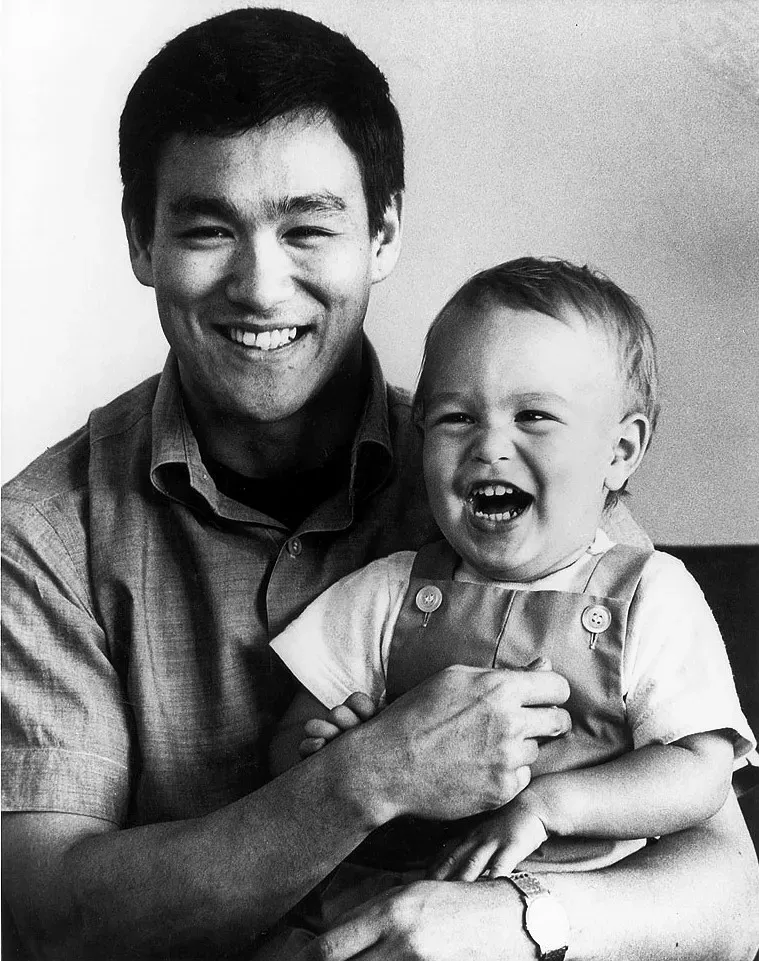
The bigger coincidence is that in Bruce Lee’s last film, Game of Death, his character receives a gunshot wound during the filming of a movie within a movie. It’s a strange enough plot device on its own. Just as Brandon Lee died before the release of The Crow, Bruce Lee died before the release of Game of Death. Both men left behind films they never got to see completed.
On March 30, 1993, Brandon Lee stepped before the cameras for the scene in The Crow in which his character is shot, just a couple of weeks before his scheduled April 17 wedding in Mexico. Fellow actor Michael Massee fired a prop gun and Brandon Lee fell to the ground. In a tragic mistake, the tip of a cartridge had caught inside the gun, and the charge from the blank meant the prop gun effectively fired a live round. Both Lees died while working on their fifth feature film.
2. James Dean, Alec Guinness, and the Seven-Day Warning
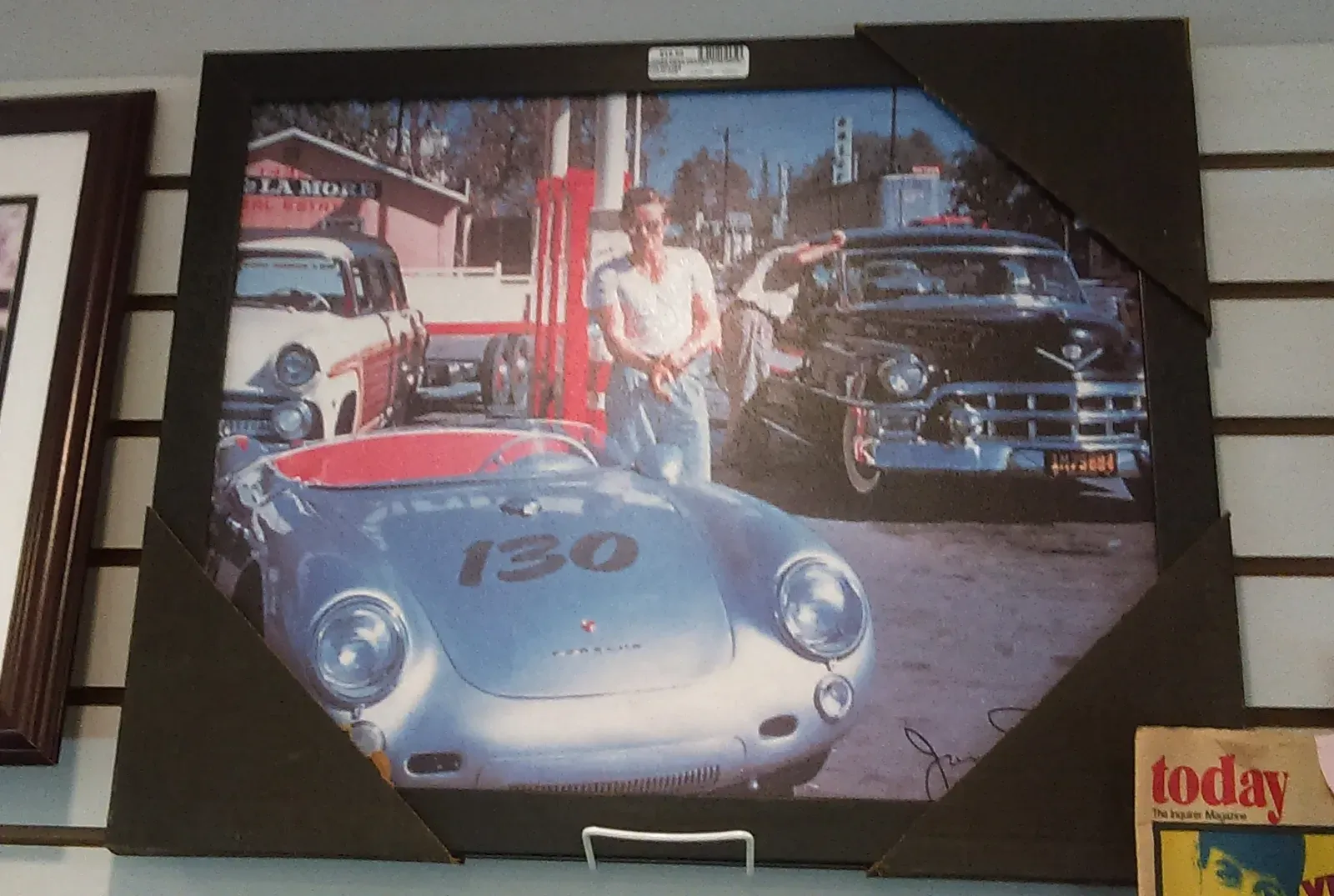
James Dean’s Porsche, the “Little Bastard,” was a car he owned for only nine days before his fatal crash in 1955. A week before the fatal crash, Dean met British actor Alec Guinness in Los Angeles. Guinness had an ominous feeling on seeing the Porsche and reportedly told Dean that if he got into that car, he would be found dead in it within a week. Dean laughed it off.
James Dean’s career as an actor and racing driver was cut tragically short on September 30, 1955, when his “Little Bastard” Porsche 550 Spyder was involved in a catastrophic collision on the way to a race meeting. Dean was killed instantly. Guinness later confirmed in his autobiography and in a videotaped interview that his prediction was a fact, and said it was the only time in his life he had ever made any kind of prediction. The timing was precise to within days.
3. The Cursed Parts of the “Little Bastard”

William Eschrich, who knew Dean from racing, had been specifically looking for the Little Bastard and found the car in Burbank. He kept the engine and put it in his own Lotus IX race car, then gave the transmission and suspension parts to his friend and fellow racer Troy Lee McHenry. Just eleven months after Dean’s death, both Eschrich and McHenry crashed at the same race, the 1956 Pomona Road Races, while driving the cars with Little Bastard parts. Eschrich survived, but McHenry’s crash was fatal.
While in storage, the car caught on fire for an unknown reason and in 1960, while being transported from Miami to Los Angeles, the car mysteriously disappeared, never to be seen again. The only known remaining part of the car, the transaxle, was discovered in Massachusetts in 2020 and sold for $387,000 in 2021. The story of this one vehicle touches so many separate accidents that even skeptics tend to pause over the sheer accumulation of misfortune.
4. Anthony Hopkins Finds the One Copy That Shouldn’t Exist
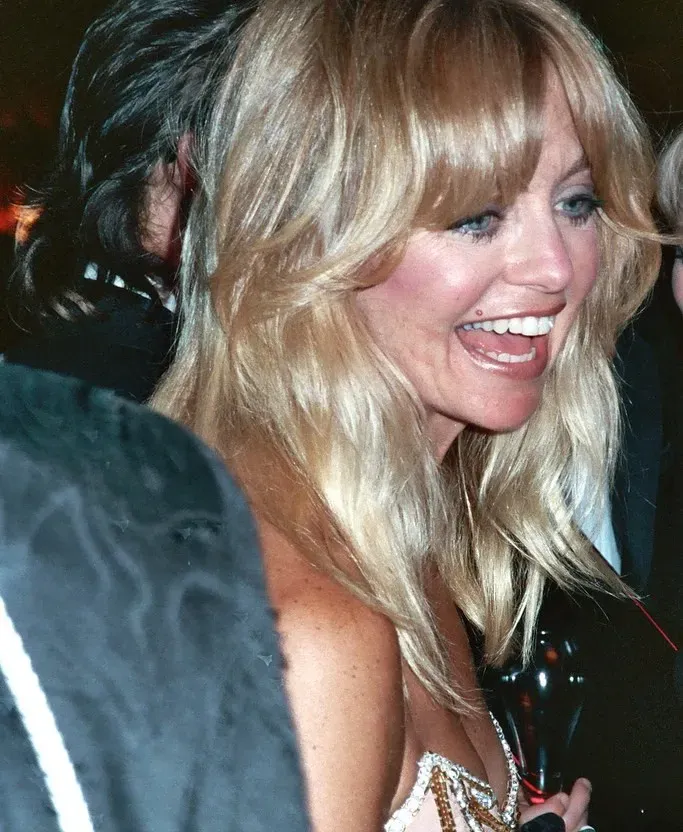
In 1974, Hopkins starred in a film called The Girl from Petrovka, based on the book by George Feifer. Not long after signing on to the film, Hopkins went to London to try to track down a copy of the book. After canvassing several bookshops, however, he couldn’t find one. Frustrated and defeated, Hopkins entered the Leicester Square stop to board a train home when all of a sudden he spotted a copy of The Girl from Petrovka that appeared to have been discarded on a nearby bench.
Partner offer
Years later, Hopkins met author George Feifer, who told him that he’d lent his own copy to a friend, who then lost it. Hopkins produced the one he’d found, and asked if it was Feifer’s. It was. The wrapped object he picked up from where it had been lying on a station bench was the very book he’d set out to buy, a one in a million shot, but actually closer to one in a hundred million because it was a proof copy Feifer had lent a friend months before, marked up with a red pencil. The author had made notes in the margins that ultimately helped Hopkins shape his performance.
5. The Omen and the Accidents That Mirrored the Film
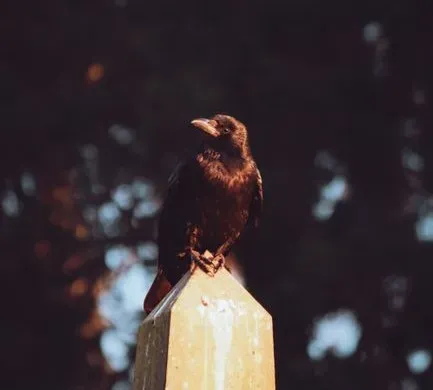
Few movies appear to be as cursed as 1976’s The Omen. Both before and after the film, the cast and crew began to suffer strange accidents. Star Gregory Peck’s son took his own life after Peck took the role. Special effects guru John Richardson oversaw the film’s death scenes. On his next gig, he and his girlfriend were in a car crash where she died in a manner similar to one death in The Omen. Both screenwriter David Seltzer and executive producer Mace Neufeld were on airplanes struck by lightning.
A plane carrying crew members was struck by lightning, while another crew member narrowly avoided a violent hotel bombing. Adding to the film’s eerie reputation, a special effects artist was involved in a car crash that mirrored a gruesome scene from the movie itself. Film historians who have studied the production don’t necessarily reach for supernatural explanations, but few of them deny that the cluster of incidents during and after filming is unusual enough to warrant serious attention.
6. The Poltergeist Curse and Real Human Skeletons on Set
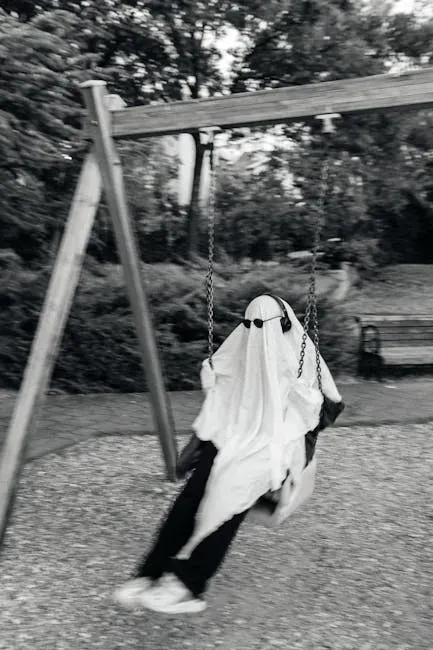
The legend of the Poltergeist Curse has haunted Hollywood for decades. Several cast members, including child star Heather O’Rourke and Dominique Dunne, died under tragic and unexpected circumstances after filming. Whispers that real human skeletons were used as props only intensified the film’s unsettling aura, with many believing this act invited supernatural forces onto the set.
Shortly after the first film’s release in 1982, Dominique Dunne, who played the teenage character Dana, was strangled to death by her boyfriend on the driveway of her home in West Hollywood. As many pointed out at the time, strangulation was nearly the cause of death for Robbie, Dana’s younger brother in the film, and Oliver Robbins, the actor who reportedly was only prevented from asphyxiating by Steven Spielberg’s intervention. The parallel between the fictional near-strangling and the real murder of the actress who played the victim’s sister is the kind of detail that resists easy dismissal.
7. Rebel Without a Cause and the Death of All Three Leads
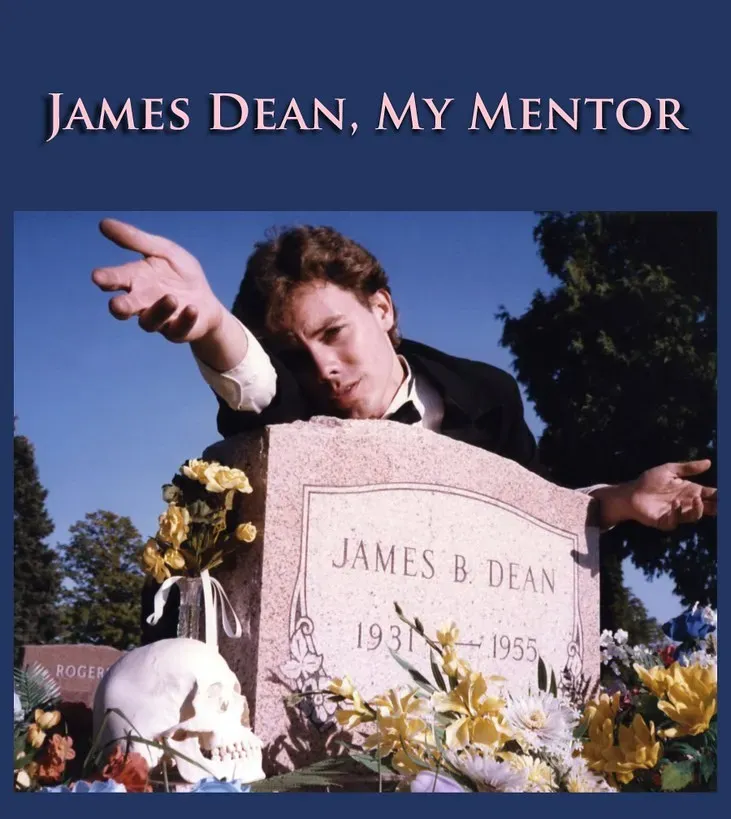
The shadow of tragedy looms large over Rebel Without a Cause. All three leads, James Dean, Natalie Wood, and Sal Mineo, met untimely deaths, fueling persistent rumors of a curse. James Dean’s fatal car accident shortly after the film’s release cemented its reputation as a doomed production. Dean died at twenty-four, just weeks after filming wrapped. Sal Mineo was stabbed to death in a Hollywood alley in 1976, a crime that went unsolved for nearly two years. Natalie Wood drowned off Catalina Island in 1981 under circumstances that were officially reopened as a suspicious death by the Los Angeles County Sheriff’s Department decades later.
Film fans know that Dean was already an incandescent superstar even though he’d made only three movies, Rebel Without a Cause, East of Eden, and Giant, before being killed in a car crash. The fact that each of the film’s three young stars died violently and prematurely, in entirely separate incidents spanning more than two decades, is the kind of pattern that keeps film historians returning to the record. Statistically, it may be coincidence. Emotionally, it never quite feels like one.
None of these stories demand a belief in curses or fate. What they do demand, perhaps, is a willingness to sit with unresolved questions. Hollywood is a place where image and reality are constantly negotiated, and sometimes the most compelling stories aren’t the ones written by anyone at all.
Partner offer
Planning a trip to Vegas?
Compare hotel rates and show tickets on VEGAS.com.