Television gets the credit, yet plenty of familiar hosts first learned the job without a camera. Radio asks for timing, quick thinking and a voice people want to hear, and those skills carry over well.
The seven hosts below all spent formative time behind a microphone before they became known on screen. Their paths differ, but each one shows how audio work shaped a television career.
Ryan Seacrest
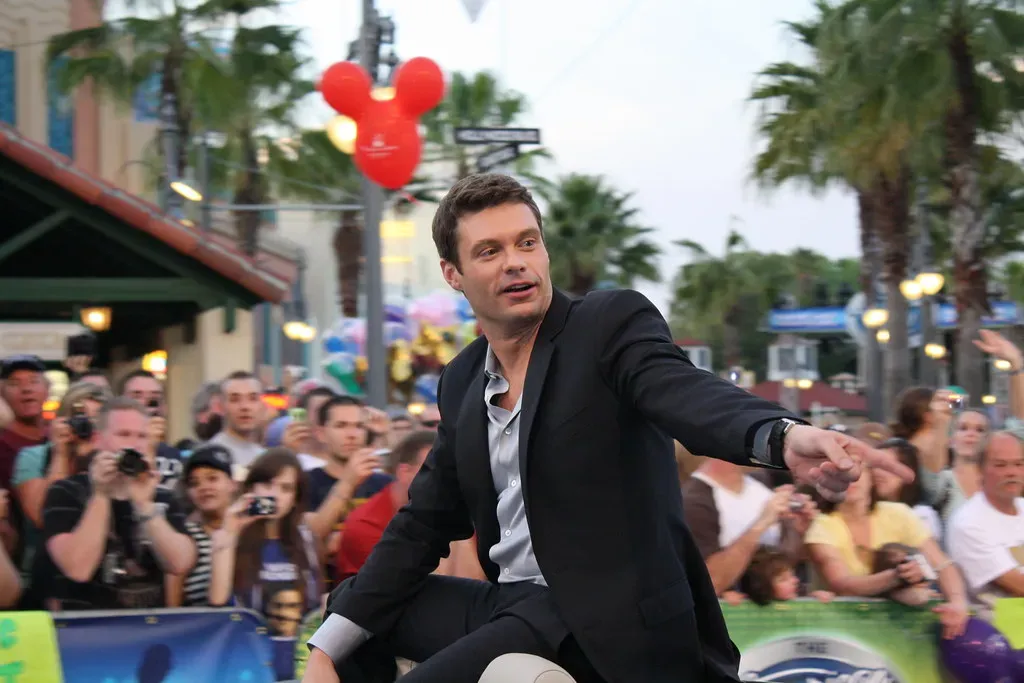
Ryan Seacrest began in radio as a teenager, working at WSTR in Atlanta while still in school. That early start gave him years of practice on air before he ever hosted a television show.
He later became the face of American Idol and a long running presence on KIIS FM in Los Angeles. In 2024 he took over as host of Wheel of Fortune, succeeding Pat Sajak. His career is a clear case of radio and television running side by side.
Larry King
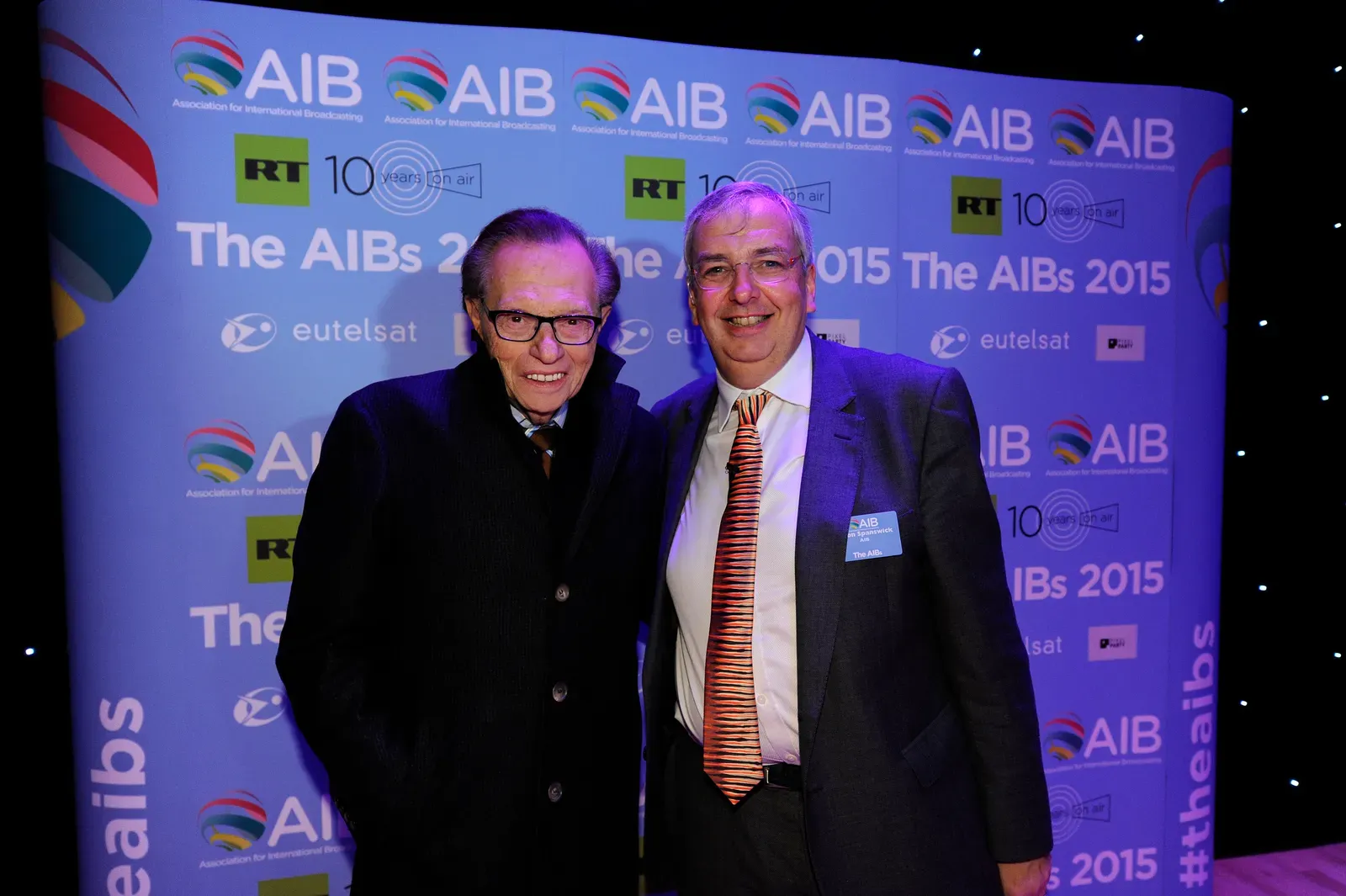
Larry King moved to Miami in the 1950s and got his first radio job there in 1957. He worked in local radio for years, building a reputation as a curious and unhurried interviewer.
That style served him when he joined CNN. Larry King Live premiered in 1985 and ran until 2010, with guests from presidents to pop stars. King died in January 2021, and his interview approach still gets studied in broadcasting.
Dick Clark
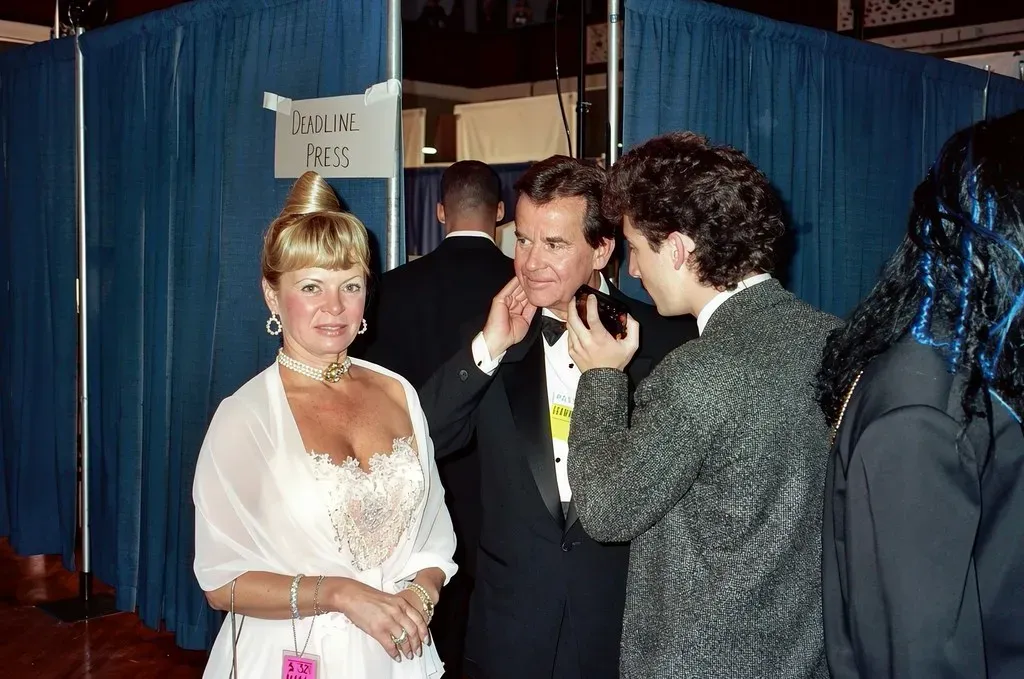
Dick Clark started at WRUN in Utica, New York, taking a job in the mailroom before moving into on air work such as weather and announcing. Radio taught him how to speak to an audience he couldn’t see.
He went on to host American Bandstand, which reached a national audience on ABC in 1957. He also became closely tied to New Year’s Rockin’ Eve for decades. Clark died in 2012, leaving a long legacy in music television.
Wendy Williams
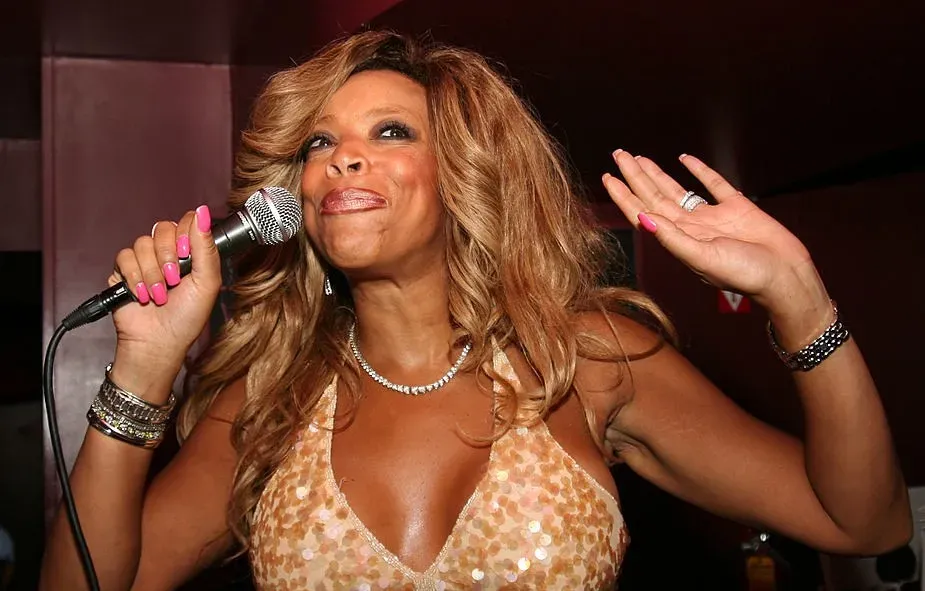
Wendy Williams built her name in New York radio, where her candid celebrity talk won a large following. Her radio years gave her a bold on air voice that audiences quickly recognized.
She moved that persona to daytime television with The Wendy Williams Show, which debuted in 2008. The program ended in 2022 after a long run in syndication. Her story shows how a radio personality can turn a loyal listener base into a TV audience.
Jimmy Kimmel
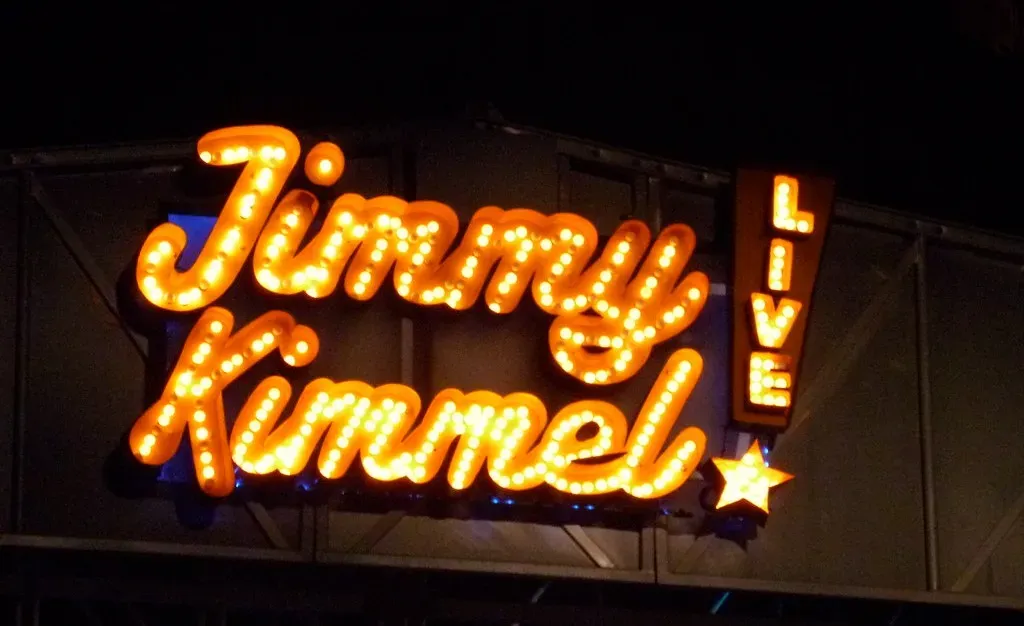
Jimmy Kimmel worked in radio in cities including Tucson and Seattle before landing in Los Angeles, where he appeared on KROQ. His comedic instincts were sharpened in those morning show style settings.
He later co created The Man Show and then launched Jimmy Kimmel Live in 2003. Beyond late night, he has hosted the Academy Awards several times, including in 2017, 2018, 2023 and 2024. The conversational timing of radio is still visible in his monologues.
Tom Bergeron
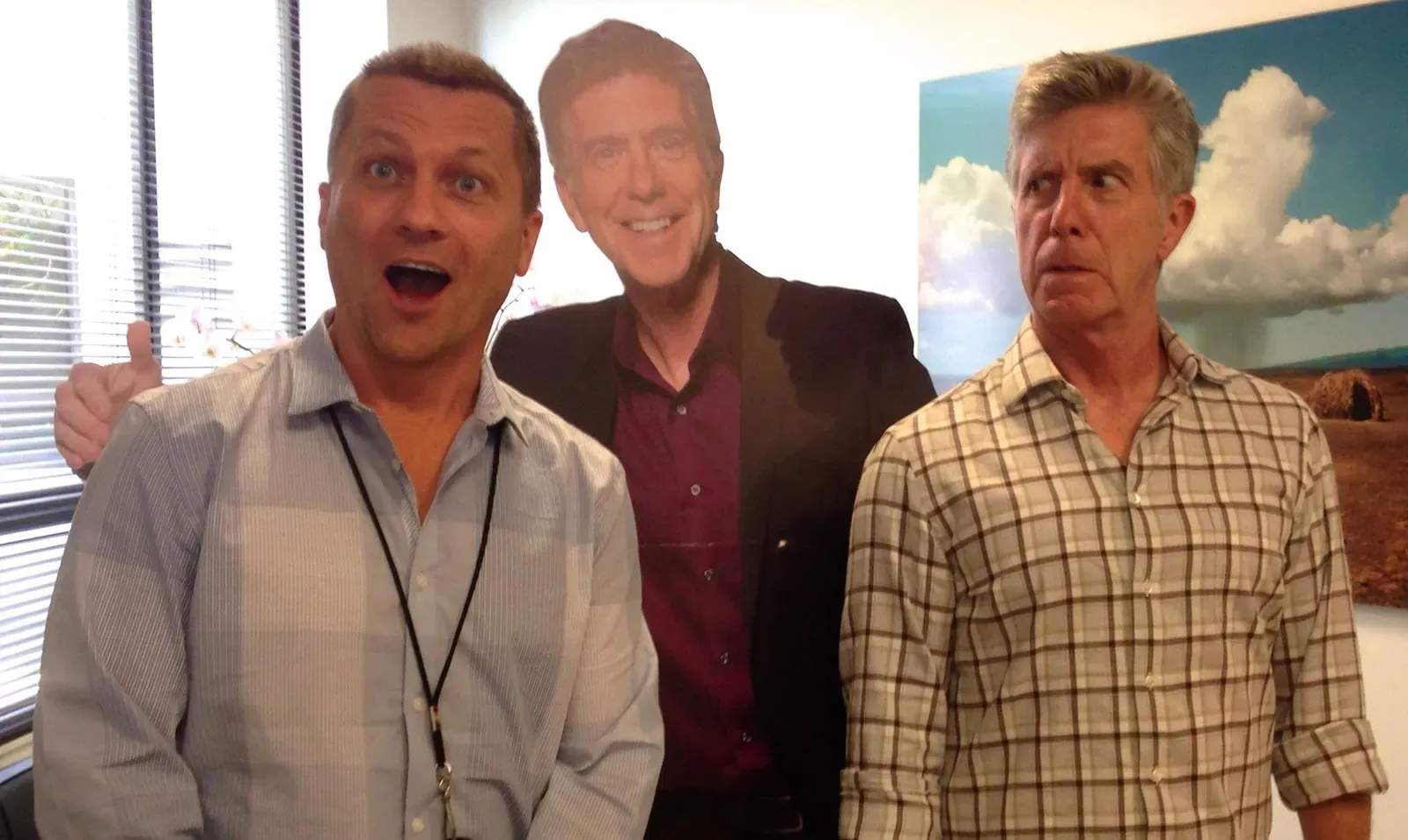
Tom Bergeron got his start in radio, working at stations in New England before moving into television. Those early jobs taught him to ad lib and keep a show moving.
He became a household name hosting America’s Funniest Home Videos from 2001 to 2015. He also hosted Dancing with the Stars for many seasons, from 2005 until 2020. Live television suits him because radio trained him to handle the unexpected.
Alex Trebek
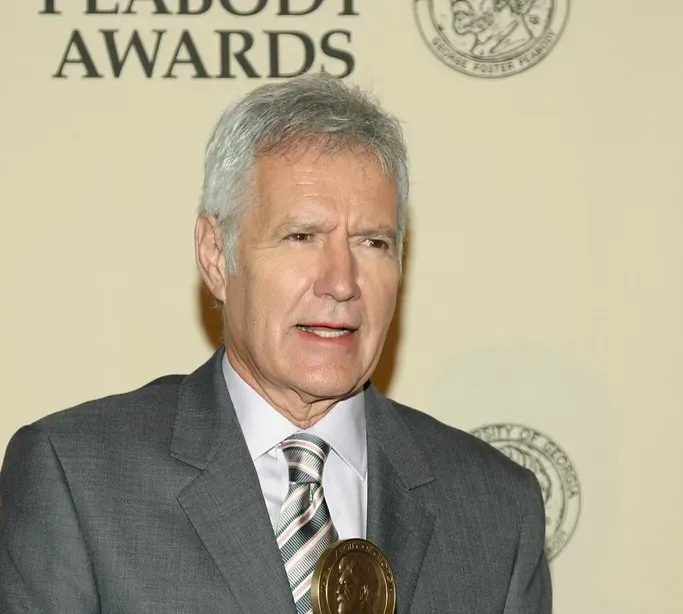
Alex Trebek began at the Canadian Broadcasting Corporation, where he worked as a radio announcer and newsreader before moving to television. That grounding in clear, precise speech became his trademark.
He hosted Jeopardy! from 1984 until his death in November 2020, one of the longest tenures for a game show host. His calm delivery and careful pronunciation reflected his earliest broadcasting work. Audiences came to trust his voice as much as the quiz itself.