Trailer editors borrow from the concert hall more often than most people realize. A few bars of strings or a thunderous choral burst can sell tension, awe, or dread in seconds, and no composer needs to be hired to write it.
The pieces below turn up again and again, either in their original form or in reworked versions made by trailer music houses. Each one has a clear track record, and the reasons it works are fairly easy to hear once you know what to listen for.
O Fortuna from Carmina Burana

Carl Orff finished Carmina Burana in 1936, and its opening chorus has become shorthand for epic scale. The piece is built on a repeating, hammering rhythm that grows louder with each pass.
Trailers use it when they want a sense of fate closing in. It has also been parodied so often that editors now tend to reach for it with a wink or use it in lightly altered form.
Mars, the Bringer of War from The Planets
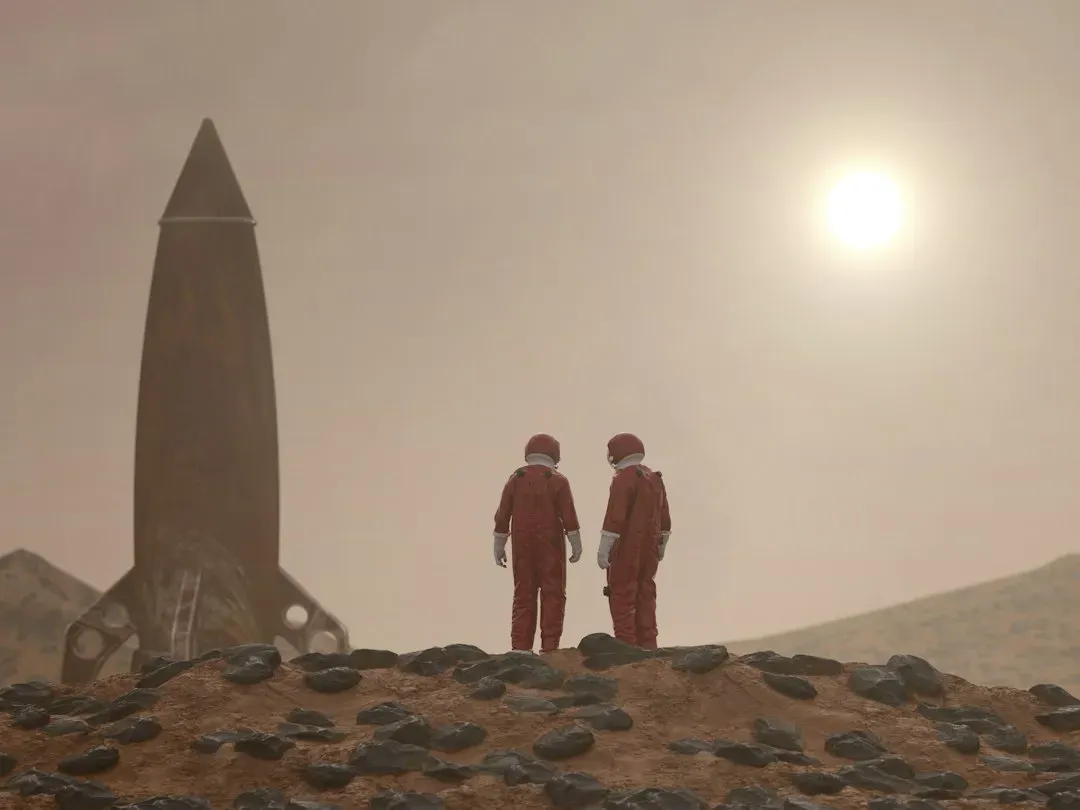
Gustav Holst composed The Planets between 1914 and 1916, and Mars opens with an unsettling, marching pulse in an irregular five beat meter. The brass and percussion build a sense of relentless advance.
Action and war trailers favor it because the pulse practically cuts itself to picture. Film composers have echoed its sound for decades, which is why even a new score can feel familiar.
Dies Irae from Verdi’s Requiem
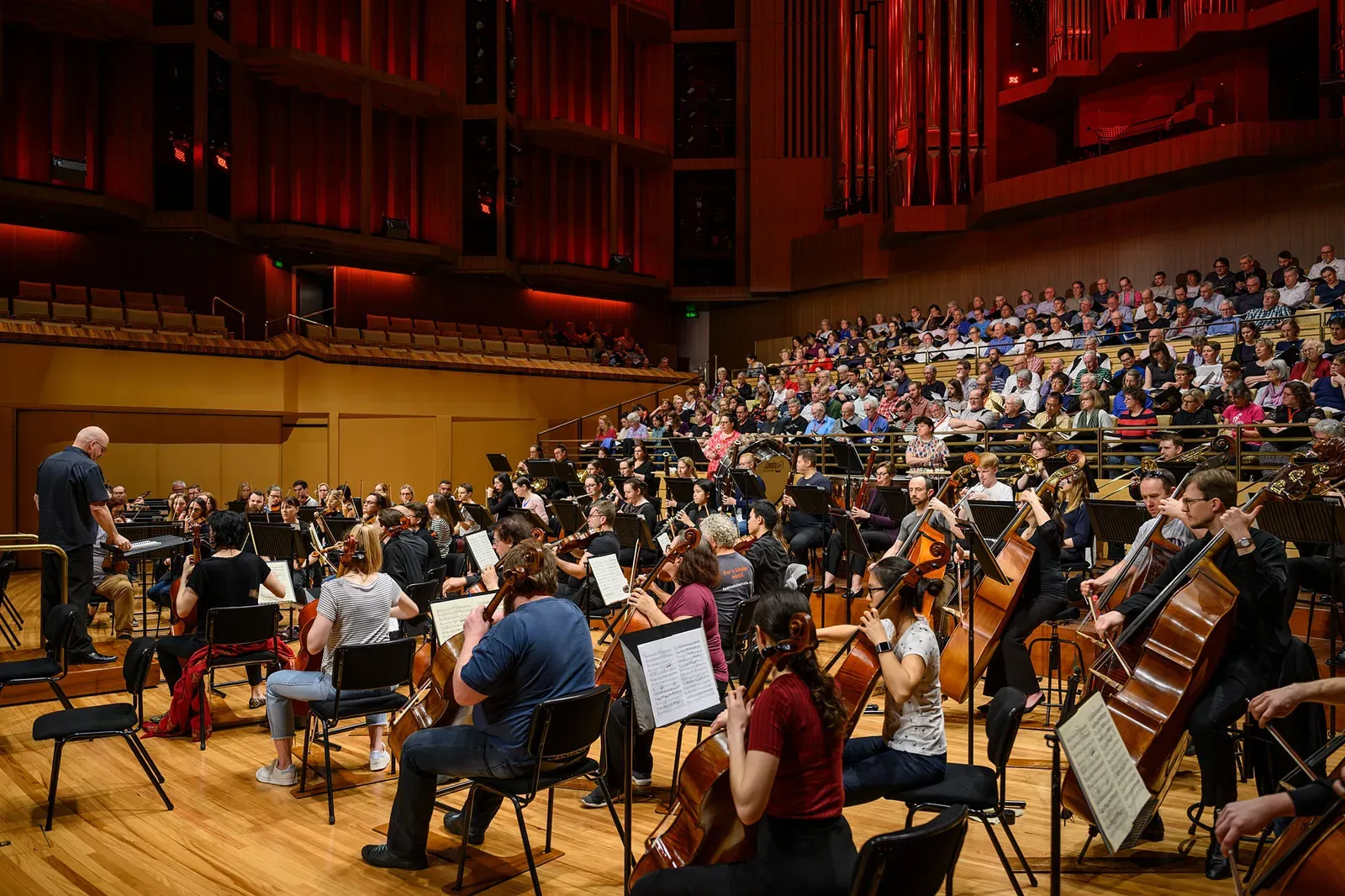
Giuseppe Verdi’s Requiem premiered in 1874, and its Dies Irae section is among the most violent moments in choral music. Bass drum strikes and screaming strings give it a ferocity that few other works match.
Editors drop it into thrillers and disaster previews to signal judgment or catastrophe. A short excerpt does the job, so it fits easily into a tight trailer window.
Requiem for a Dream’s Lux Aeterna Style Strings
Strictly speaking, Lux Aeterna was written by Clint Mansell for the 2000 film Requiem for a Dream, not a classical composer. Yet its string writing is so tied to the classical tradition that it became one of the most imitated trailer sounds ever, and the piece was famously reworked for a Lord of the Rings trailer.
It’s included here because trailer editors treat it as classical repertoire. Its looping, climbing figure delivers a rising sense of doom with very little material.
Symphony No. 9, Ode to Joy, by Beethoven
Beethoven’s Ninth Symphony premiered in Vienna in 1824, and its finale carries one of the best known melodies in Western music. It can sound triumphant or ironic depending on how it’s cut.
Trailers use it for stories about human spirit, or sometimes to contrast with dark imagery. The tune is recognizable within a few notes, which is a real advantage when time is short.
Symphony No. 5 by Beethoven
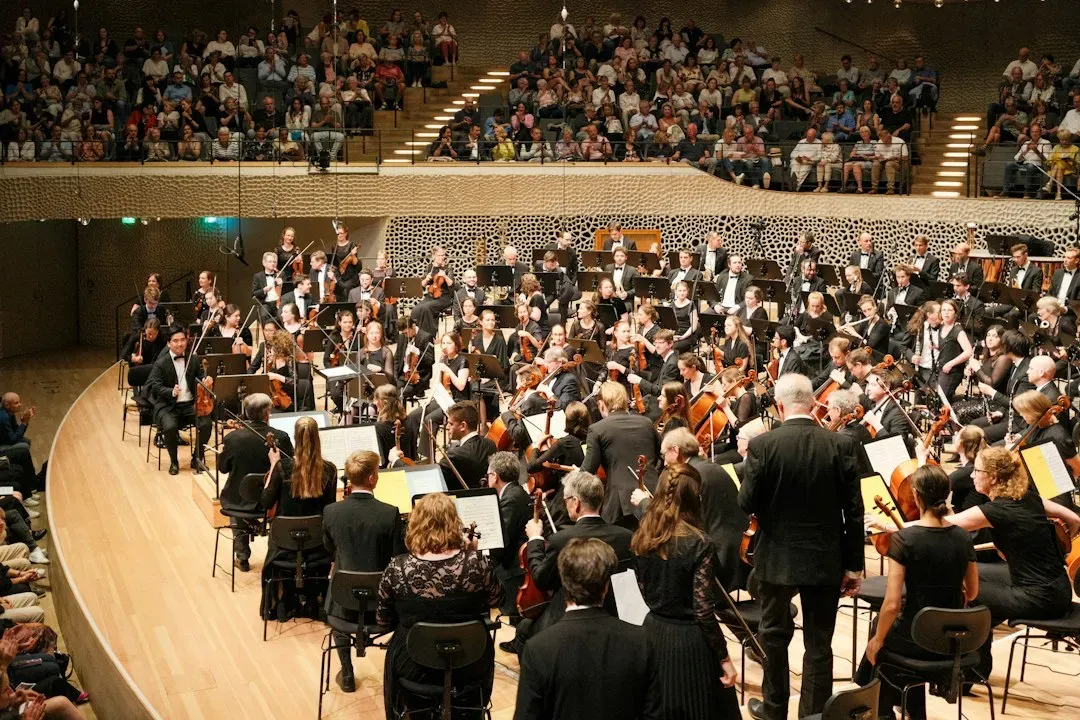
The four note opening of Beethoven’s Fifth, first performed in 1808, is probably the most famous motif in classical music. It’s brief, forceful, and instantly understood.
That makes it handy for a title card or a sudden cut to black. Editors often use only those first notes, letting the silence afterward do some of the work.
Toccata and Fugue in D Minor by Bach

This organ work is traditionally attributed to Johann Sebastian Bach, though some scholars have questioned that attribution. Its dramatic opening flourish has long been linked with horror and gothic settings.
Trailers for haunted house stories and monster films borrow that association. The organ’s sheer weight makes even a few seconds feel ominous.
Also Sprach Zarathustra by Richard Strauss

Strauss composed this tone poem in 1896, and its opening sunrise fanfare became widely known after Stanley Kubrick used it in 2001: A Space Odyssey in 1968. Since then it has signaled cosmic grandeur.
Science fiction trailers lean on it for that reason. A rising brass theme over a slow reveal still feels like a promise of something enormous.
Lacrimosa from Mozart’s Requiem
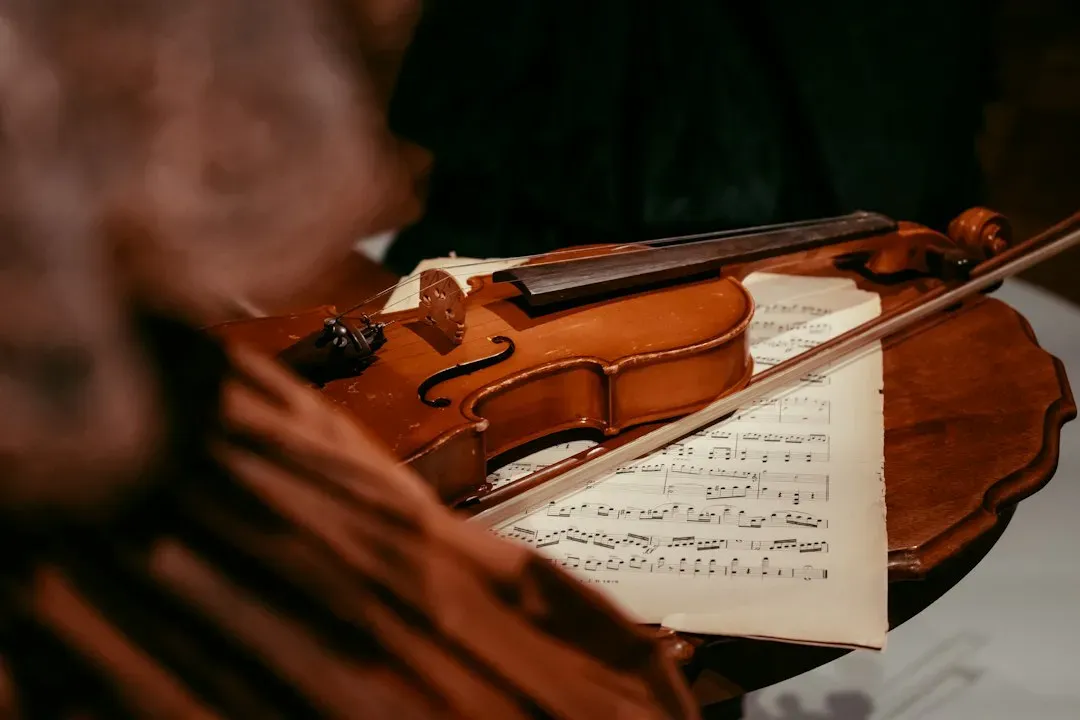
Mozart left his Requiem unfinished at his death in 1791, and the Lacrimosa is among its most moving passages. Its rocking string figure and rising choir create sorrow with a sense of dignity.
Dramas and period pieces use it to suggest loss. It has also been remixed into darker, heavier trailer versions that keep the melody but add modern percussion.
Adagio for Strings by Samuel Barber
Barber wrote the Adagio in 1936, and it was performed on radio at moments of national mourning in the United States. Its slow, rising lines build to a hushed, aching peak.
Oliver Stone’s 1986 film Platoon made it a familiar choice for screen tragedy. Trailers use it for war stories and emotional dramas where restraint matters more than volume.