
Every movie title feels inevitable once you’ve seen the poster a thousand times. Casablanca sounds like Casablanca. Die Hard sounds like Die Hard. Yet behind nearly every iconic marquee name sits a paper trail of memos, rejected drafts, and studio executives second guessing themselves right up until release.
Some of these near misses were quietly swapped out during rewrites. Others survived studio pressure only because a producer or director dug in and refused to budge. Here are eight beloved films that came within a signature or two of hitting theaters under a completely different name.
Casablanca almost stayed Everybody Comes to Rick’s

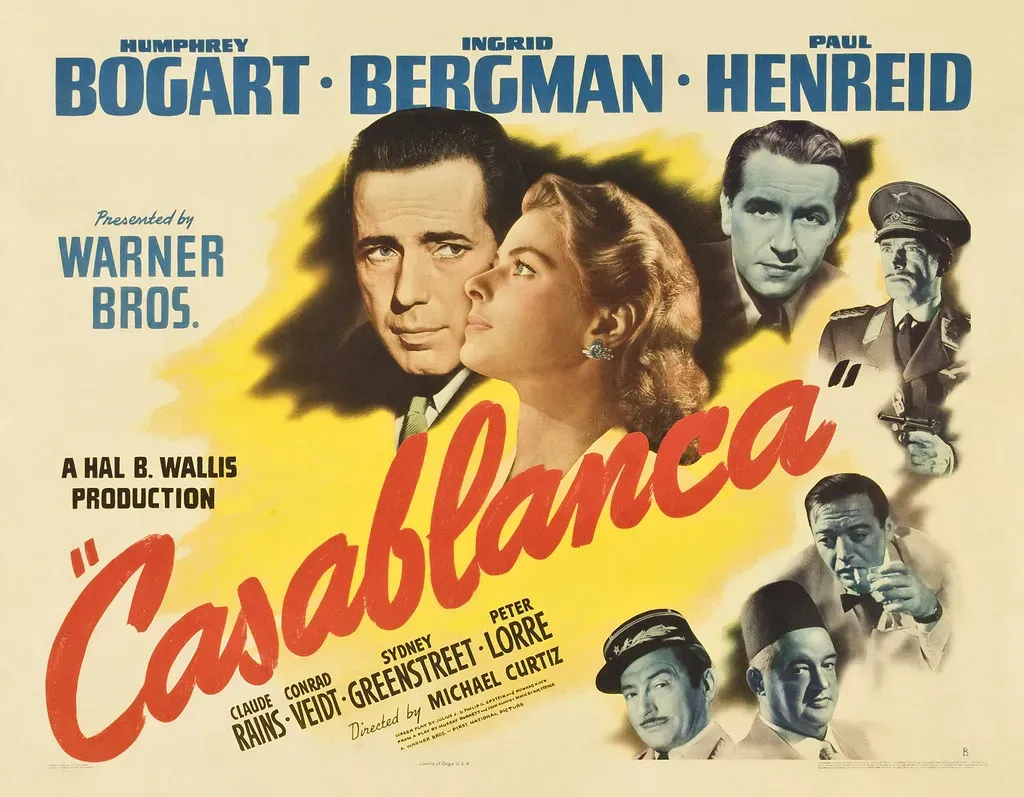
Before it became one of the most quoted films in American history, Casablanca existed as an unproduced stage play by Murray Burnett and Joan Alison. The script carried its original title, Everybody Comes to Rick’s, and Casablanca was a tough sell with the studios under that name. Warner Bros. bought the rights for a substantial sum at the time, but the clunky title did the project no favors during development.
The switch to Casablanca turned out to be more than a cosmetic fix. A deal was finally inked only once the title had been changed to the simpler, more elegant Casablanca, and the timing couldn’t have been more perfect, since Allied forces landed in northern Africa right after the film’s release. A city name that once sounded obscure suddenly felt like current events, and the film rode that wave straight into Oscar history.
Pretty Woman began life as a much darker script called 3000


Long before Julia Roberts turned Vivian Ward into a rom-com icon, screenwriter J.F. Lawton wrote a grittier version of the same basic idea. Before Pretty Woman was the Disney classic that catapulted Julia Roberts into fame, it was a screenplay titled 3000, written by then struggling screenwriter J.F. Lawton, with Patricia Arquette originally auditioning for the lead. The number referenced the fee at the center of the story’s arrangement.
The tone back then was nothing like the finished film. Director Garry Marshall took a grim script about a prostitute’s weekend with a businessman and cut the darkest parts about addiction and the gritty reality of sex work. Disney’s leadership reportedly worried the numerical title read more like a science fiction thriller than a romance, so it was swapped for the far softer Pretty Woman before cameras rolled.
Star Wars started out simply as The Star Wars


George Lucas’s earliest drafts of what became the 1977 blockbuster carried the working title The Star Wars, complete with an extra article that made it sound almost like a generic pulp serial. That draft told a rougher, stranger version of the story, with different character names and a plot that shifted considerably before reaching the shooting script. The definite article eventually dropped away, leaving the leaner, more mythic sounding title audiences know today.
It’s easy to forget how uncertain the whole project felt at the time. Fox executives had modest expectations for a space adventure with an odd sounding name, and nobody involved anticipated that dropping three words would help create one of the most recognizable titles in film history. The simplified version gave the franchise a punchier identity that has carried across nine mainline films and countless spinoffs.
Back to the Future nearly became Spaceman from Pluto
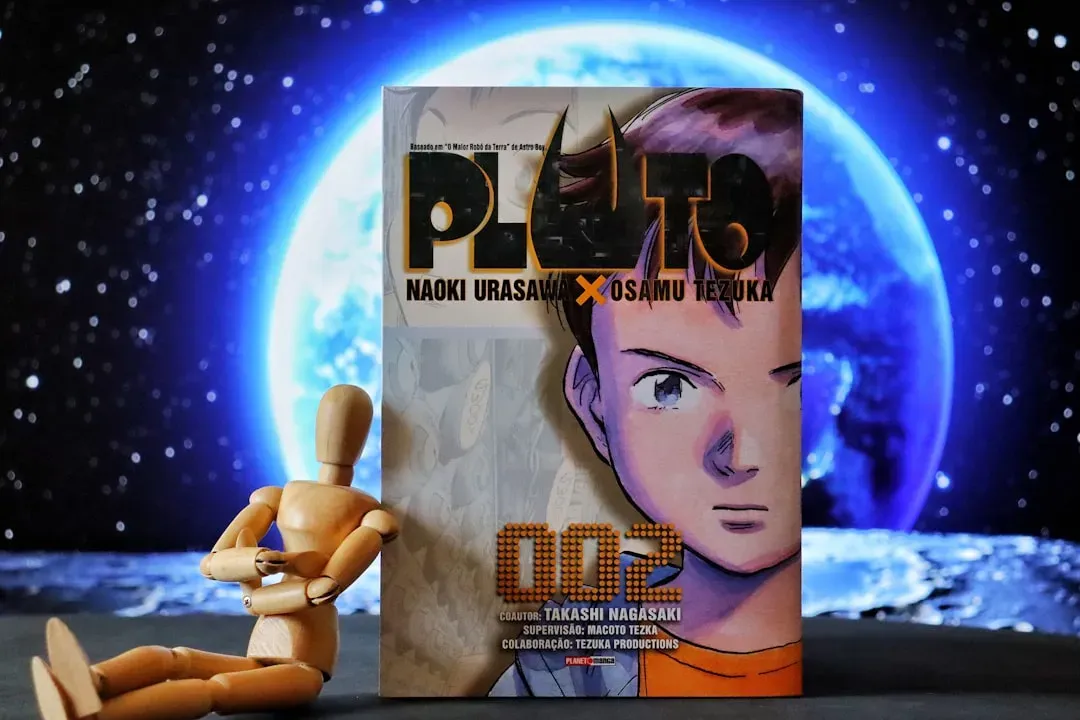
Universal’s studio chief at the time, Sid Sheinberg, was not a fan of the title Robert Zemeckis and Bob Gale had chosen. Sheinberg did not like the name Back to the Future and asked in a memo that the title be changed to Spaceman From Pluto. He even wanted the change woven directly into the script through a comic book prop that appears briefly in the film.
The idea didn’t sit well with the filmmakers, so they enlisted some help. Steven Spielberg sent a memo back to Sheinberg thanking him for his wonderful joke memo, and an embarrassed Sheinberg let Zemeckis and Spielberg keep the film’s original title. It remains one of the more good natured standoffs in studio history, and it saved a genuine classic from a genuinely strange rebrand.
Partner offer

Alien was originally titled Star Beast
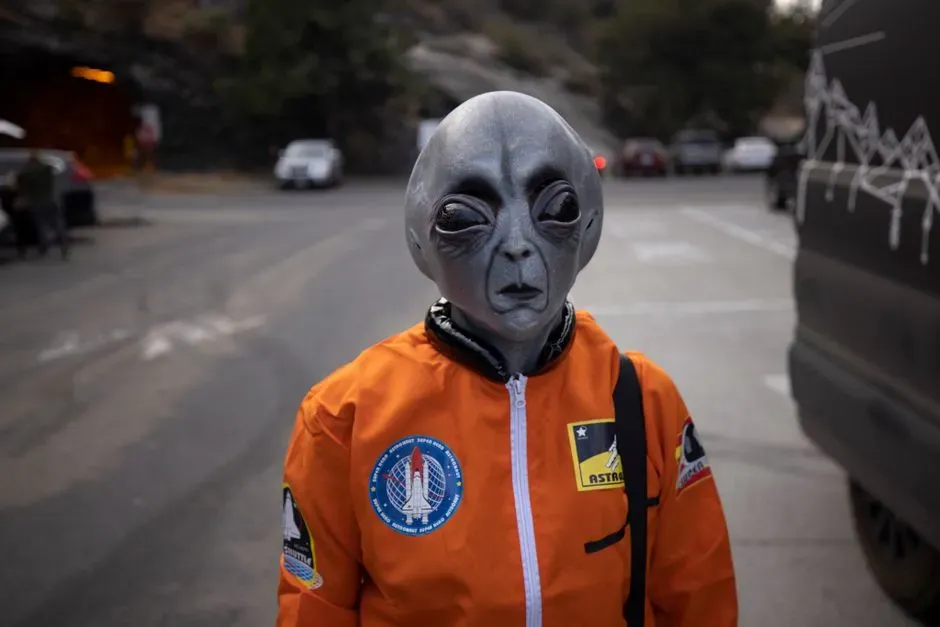
Screenwriter Dan O’Bannon’s first pass at the story that became Alien carried a far less elegant name. The working title of the project was Star Beast, but O’Bannon disliked this and changed it to Alien after noting how often the word appeared throughout the script. The shift from a clunky description to a single, ambiguous noun turned out to be a small stroke of genius.
Part of the appeal was how flexible the new title felt. O’Bannon and co-writer Ronald Shusett liked the new title’s simplicity and its double meaning as both a noun and an adjective. Twentieth Century Fox eventually poured real money into the production once Star Wars proved audiences would show up for ambitious science fiction, and Alien went on to become a horror landmark under its much sharper final name.
Die Hard traded its literary title for something punchier

John McClane’s story didn’t start as an original screenplay at all. The Die Hard franchise is based on Joe Leland from Roderick Thorp’s action novel Nothing Lasts Forever, with McClane originally based on the fictional detective from that 1979 bestseller. The book itself was a sequel to an earlier Thorp novel that had already been filmed with Frank Sinatra.
Adapting the book meant more than a title change, though the title change mattered plenty. The novel is a harrowing tale of an old man losing his last morsel of humanity during a hostage crisis, and it lacks the fun and charm of the eventual film. Screenwriters reworked the tone considerably, and Nothing Lasts Forever gave way to the far more marketable Die Hard, a title that has since spawned an entire franchise built around that two word phrase.
It’s a Wonderful Life traces back to a modest short story

Frank Capra’s holiday staple didn’t spring fully formed from a screenwriter’s imagination. The film is based on a short story called The Greatest Gift, written by Philip Van Doren Stern, who originally struggled to find a publisher and ended up printing it himself as a small booklet to send to friends. That humbler title stuck to the source material even after RKO Pictures acquired the rights and set the project in motion.
Studio executives eventually landed on It’s a Wonderful Life, a phrase that better captured the film’s emotional sweep than the more modest original name ever could. The change reflected a broader shift in ambition, as a small personal story about a struggling banker grew into a sprawling meditation on community and second chances. Decades later, the title feels inseparable from the film, even though it began as someone’s homemade Christmas card.
Blade Runner cycled through several working titles before settling

Ridley Scott’s 1982 science fiction landmark is based on Philip K. Dick’s novel Do Androids Dream of Electric Sheep, and for a long stretch of development the production simply borrowed shorthand from that source material. Early paperwork and industry chatter referred to the project under working titles including Android and Dangerous Days, neither of which carried much poetic weight. Screenwriter Hampton Fancher and later David Peoples worked through multiple drafts while the title remained unsettled behind the scenes.
The name Blade Runner actually came from an unrelated source, a novel by Alan E. Nourse that screenwriter William S. Burroughs had once adapted into a treatment. Producers licensed the phrase purely because it sounded sharp and cinematic, attaching it to a story that had nothing to do with Nourse’s original book. That borrowed title ended up defining an entire aesthetic movement in science fiction filmmaking, proving that sometimes the best name for a film has almost nothing to do with its plot.
Looking back at these near misses, a pattern emerges. Studios often reach for the safest, most literal option first, and it usually takes an outside voice, a producer, a director, or in Spielberg’s case, a well timed joke, to push toward something sharper. The titles that survived weren’t necessarily the most obvious choices, but they proved to be the ones audiences never forgot.
Partner offer
Planning a trip to Vegas?
Compare hotel rates and show tickets on VEGAS.com.