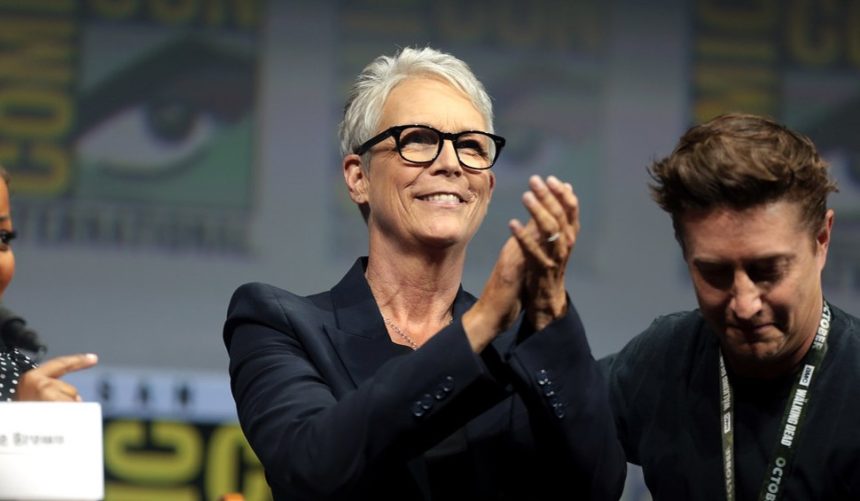
There’s something strange about watching an actor slip back into a character they played when disco was still cool, or when shoulder pads counted as fashion. The face has changed, the industry has changed, yet somehow the character clicks right back into place. Hollywood has leaned into this kind of nostalgia hard in recent years, bringing back beloved figures not for a quick cameo but for full, meaty comebacks that ask what happens to a hero after decades pass. Some of these returns worked because the actors never really let go of the role in their own heads. Others worked simply because audiences never stopped wanting more. Either way, here are eight performers who stepped back into roles that defined them, long after most people assumed those characters were retired for good.
Harrison Ford as Indiana Jones
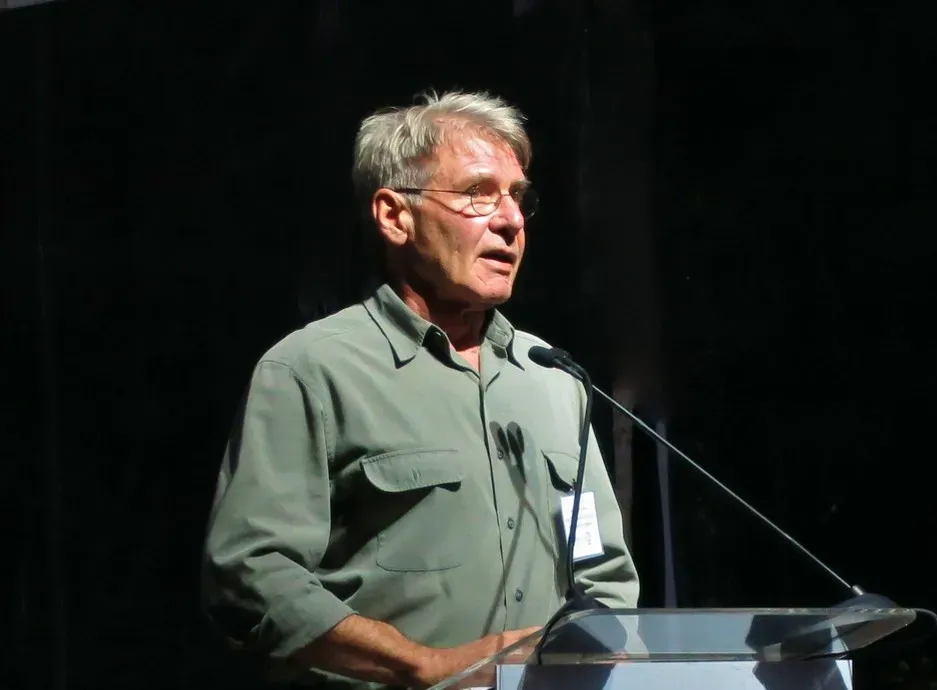
Harrison Ford first cracked his whip as Indiana Jones in 1981’s Raiders of the Lost Ark, and by the time Indiana Jones and the Dial of Destiny hit theaters in 2023, it had been a full 15 years since the most recent film in the series, and 42 years since his first outing in Raiders of the Lost Ark. That gap made his return feel less like a sequel and more like a genuine farewell tour for a character who helped define adventure filmmaking.
Ford was in his early eighties during filming, and the production even used de-aging technology for extended flashback sequences set decades earlier. The first part of Dial of Destiny is an extended flashback in which Ford has been digitally de-aged, using an AI system that scanned footage from the first three Indy films. Reviews were mixed, but there was little debate about the emotional weight of seeing Ford, fedora and all, closing out a saga that began when he was still a relatively new leading man.
Michael Keaton as Batman
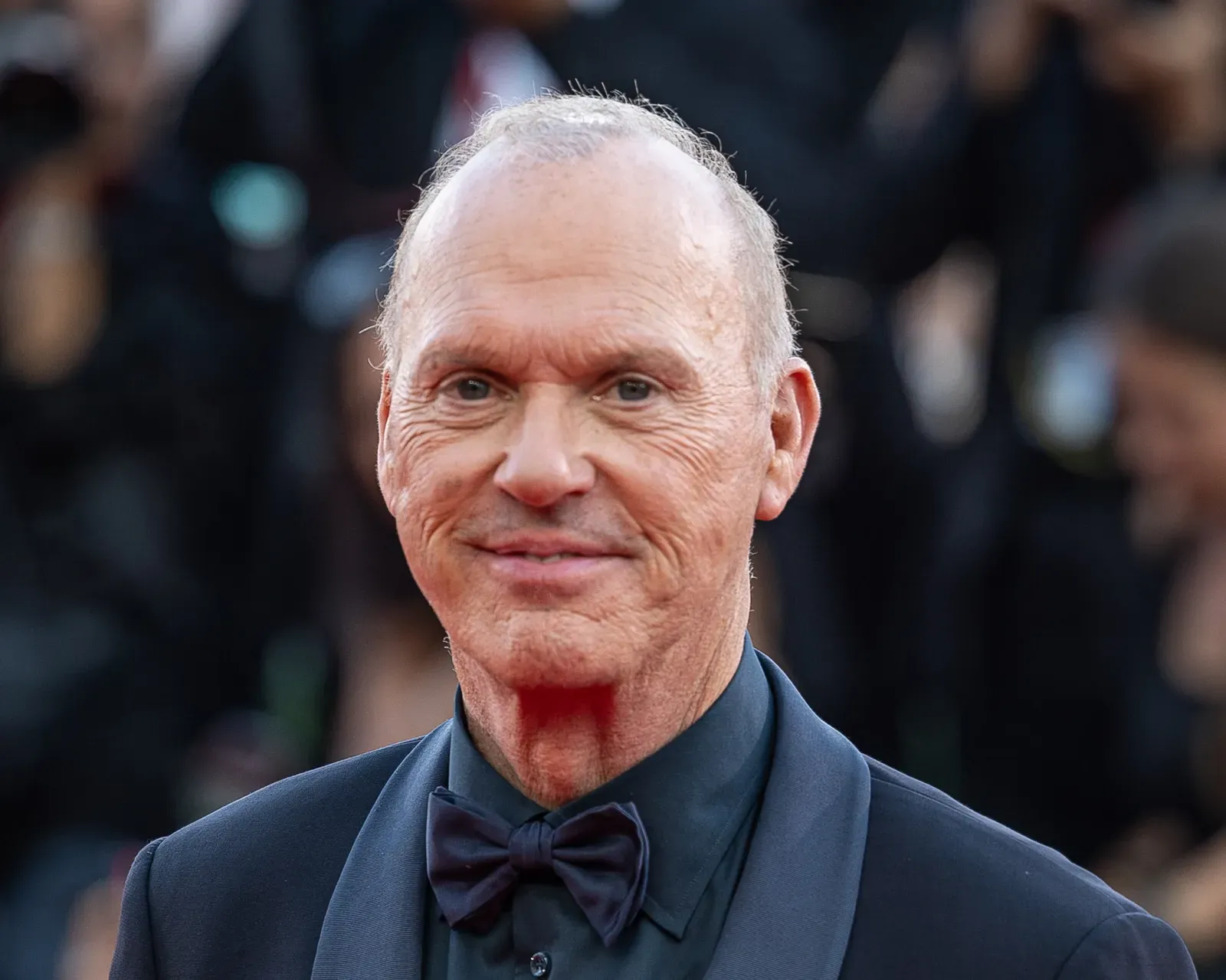
Long before Christian Bale or Robert Pattinson ever put on the cowl, Michael Keaton defined Batman for a generation in Tim Burton’s 1989 film and its 1992 sequel, Batman Returns. Then he walked away, and for three decades fans assumed that chapter was permanently closed. Michael Keaton returned to the role of Batman in The Flash 31 years after he hung up the cowl, and the film treated his comeback as a genuine event rather than a nostalgia footnote.
Filmmakers worked closely with Keaton to make his older, wearier Bruce Wayne feel like a believable continuation rather than a costume reunion. The director wanted to create a convincing evolution for Keaton’s character from 1992 to 2023, trying to blend the worlds so it’s still believable that Michael Keaton exists in this timeline. Interestingly, Keaton himself insisted the character hadn’t changed much internally, telling interviewers his version of Bruce Wayne remained essentially the same man he left behind in the nineties.
Jamie Lee Curtis as Laurie Strode
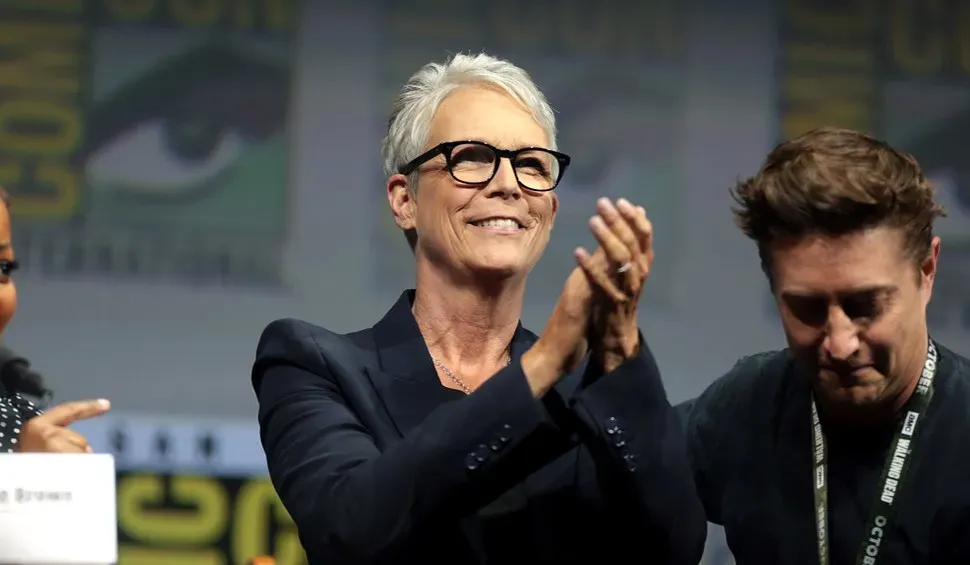
Jamie Lee Curtis became a horror icon at nineteen years old when she starred in John Carpenter’s original Halloween in 1978. For David Gordon Green’s 2018 reboot, the filmmakers made a bold choice: erase every sequel in between and pick up the story exactly 40 years after the massacre that took place on Halloween night in 1978.
That decision let Curtis explore what decades of trauma actually does to a person rather than simply rehashing old scares. Curtis described it plainly, saying something happened 40 years ago, and 40 years later, audiences would see what happened to that girl. The approach resonated enough to spawn two more sequels, cementing Laurie Strode as one of the most enduring final girls in horror history.
Eddie Murphy as Axel Foley
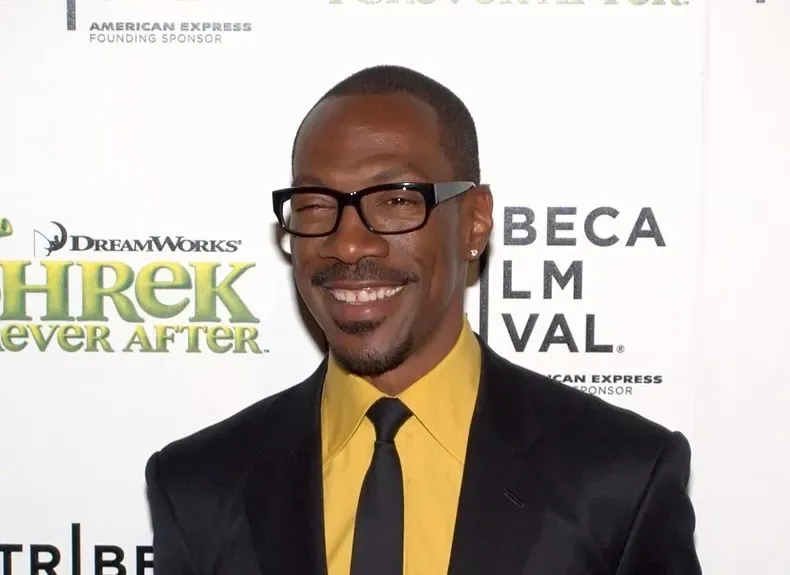
Eddie Murphy turned Axel Foley into a household name with 1984’s Beverly Hills Cop, a film that became the year’s top earner and launched two sequels. Then the character vanished from screens after a disappointing third installment in 1994, leaving fans waiting for what felt like an eternity. It is hard to believe it has been 40 years since Eddie Murphy first exploded onto the screen as Axel Foley in 1984’s Beverly Hills Cop, and yet in 2024, he was back.
Beverly Hills Cop: Axel F brought Murphy back alongside most of the original supporting cast, and the shoot itself became a small piece of movie trivia. The director admitted Murphy looked so good that he sometimes forgot he was directing a 63-year-old star rather than the 23-year-old from the original film. The film streamed on Netflix rather than hitting theaters, a reminder of just how much the industry itself had shifted in the decades Foley was away from the badge.
Linda Hamilton as Sarah Connor
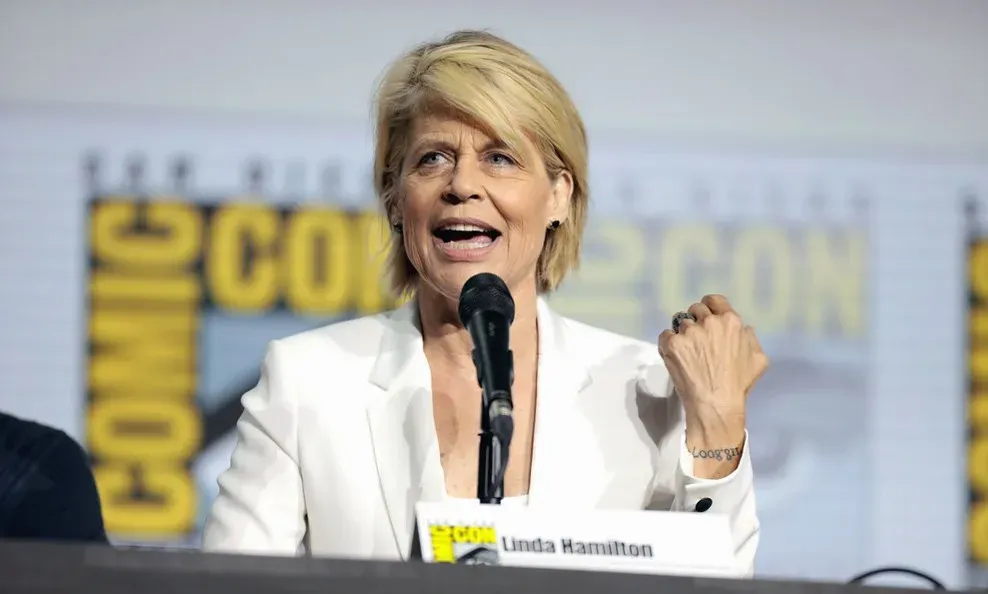
Linda Hamilton’s Sarah Connor was one of the defining action heroines of the 1980s and early 1990s, first appearing in 1984’s The Terminator before returning transformed into a hardened warrior in 1991’s Terminator 2: Judgment Day. She stepped away from the franchise for years while other actors and storylines carried the series forward, none of which quite recaptured the original magic.
When Hamilton returned for Terminator: Dark Fate in 2019, it marked roughly 28 years since audiences had last seen her as Sarah Connor on screen in a mainline sequel. The film deliberately ignored the intervening sequels, treating Dark Fate as a direct follow-up to Judgment Day, much like Halloween had done the year before. Critics generally agreed that Hamilton’s presence gave the film a credibility that other Terminator sequels had struggled to earn without her.
Val Kilmer as Iceman
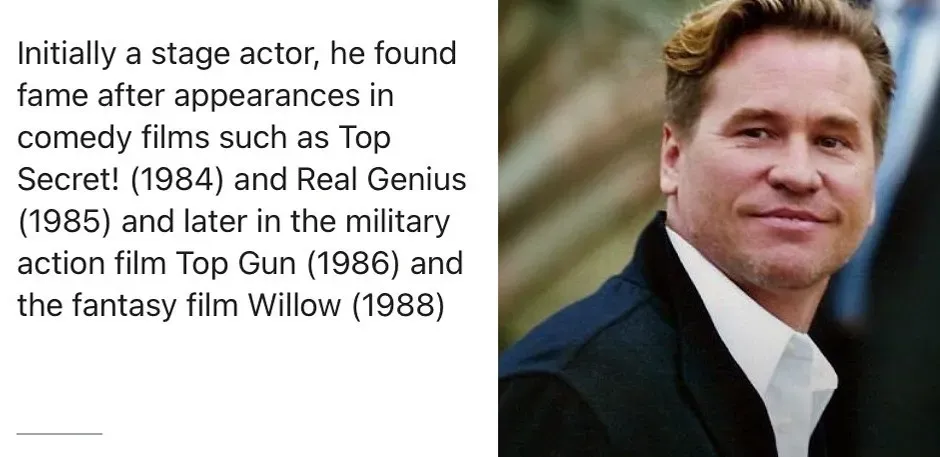
Val Kilmer’s Iceman was the cocky rival who made Top Gun’s 1986 dogfights crackle with tension, and for many fans, that rivalry with Tom Cruise’s Maverick was the emotional backbone of the original film. Thirty-six years later, Kilmer returned for Top Gun: Maverick in 2022, in a role made especially poignant by his real-life battle with throat cancer, which had affected his voice.
The filmmakers used AI-assisted voice technology to help restore some of Kilmer’s original speech patterns for the scene, turning what could have been a brief cameo into one of the most emotionally resonant moments in the film. Audiences and critics alike singled out the reunion between Kilmer and Cruise as a highlight, proof that a handful of minutes on screen can carry the weight of decades. It also stood as a reminder that legacy sequels, when handled with care, can honor an actor’s history rather than simply exploit it.
Mark Hamill as Luke Skywalker
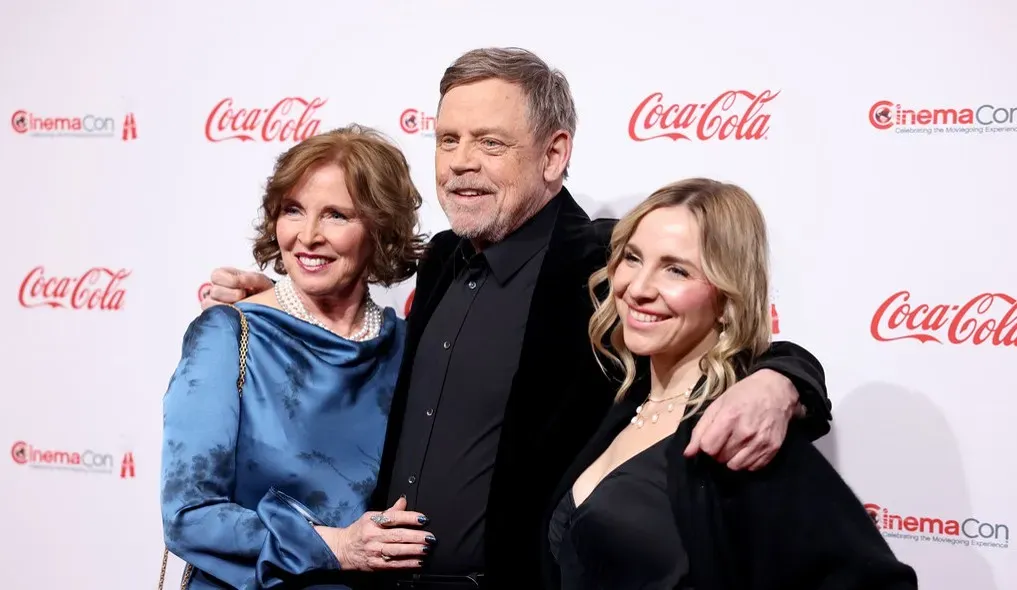
Mark Hamill spent his entire young adulthood as Luke Skywalker, appearing in the original Star Wars trilogy from 1977 through 1983. After Return of the Jedi wrapped, he largely stepped back from the big-screen spotlight for over three decades, working steadily in voice acting and television while the character he originated became a global cultural touchstone.
His return in The Force Awakens in 2015, roughly 32 years after Return of the Jedi, was famously withheld until the film’s final moments, a silent, weathered figure staring back at Rey on a remote island. That restraint made his eventual larger role in The Last Jedi and Rise of the Skywalker feel earned rather than rushed. Hamill’s Luke had aged into someone haunted by failure, a far cry from the hopeful farm boy audiences first met, and that shift became central to the sequel trilogy’s storytelling.
Sylvester Stallone as Rocky Balboa
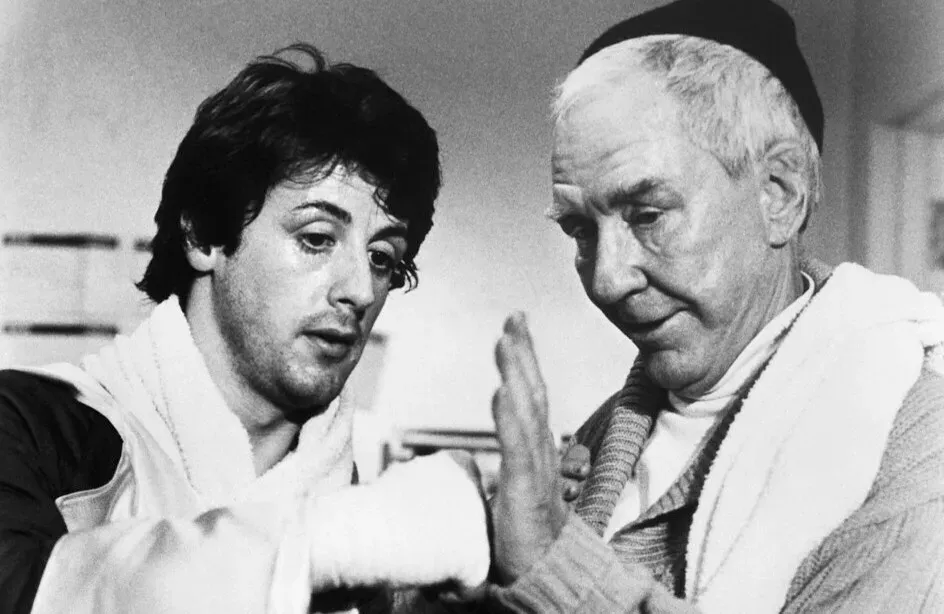
Sylvester Stallone wrote and starred in Rocky in 1976, turning a scrappy underdog boxer from Philadelphia into one of cinema’s most beloved characters. He continued the character across several sequels through the 1980s and 1990s, but by the time 2015 rolled around, nearly four decades had passed since the character’s debut.
Creed, released that year, shifted the spotlight to a new lead in Michael B. Jordan’s Adonis Creed while bringing Stallone back as an older, mentoring Rocky rather than the film’s central fighter. The approach paid off critically, earning Stallone an Academy Award nomination for a character he had originated as a young man decades earlier. It’s a rare example of an actor returning to a signature role not to relive past glory, but to pass the torch while still remaining an essential part of the story.
Looking across these eight comebacks, a pattern emerges. The most successful returns weren’t simply about slapping an old costume on a familiar face. They worked because filmmakers let time actually matter, allowing characters to carry the weight of decades rather than pretending nothing had changed. Whether it was Sarah Connor’s hardened resolve, Laurie Strode’s buried trauma, or Rocky Balboa’s shift from fighter to mentor, the best of these roles used the passage of real years as part of the story itself, not just a marketing hook.