There’s a persistent myth in the film industry that bigger budgets mean better movies. The numbers don’t really support it. A single Amazon Studios release, Red One, carried a $250 million production budget – the same amount A24 spent on their entire 2024 slate of 16 films, including critically acclaimed titles like The Brutalist, Civil War, and Heretic. That contrast says a lot about where the real waste lives in Hollywood.
Frugal indie filmmakers have quietly developed a parallel playbook. Not out of artistic principle alone, but out of sheer necessity. Many of the habits they’ve built to survive on tight budgets happen to be smarter than what major studios do by default. Here are eight areas where the gap is most striking.
1. They Shoot on Lean, Modern Camera Packages
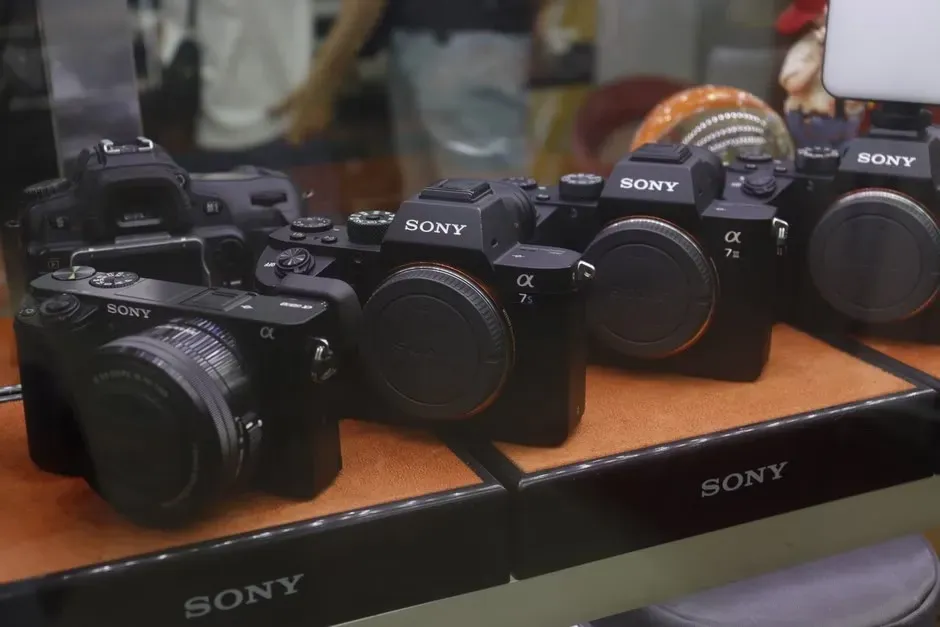
The cost differences between Hollywood and independent productions can be staggering. The average production budget for a Hollywood film has been measured in the tens of millions, while the average budget for an independent film sits around $750,000. A significant portion of that gap comes down to equipment. Studios habitually rent sprawling camera packages with gear that often goes unused on set, while indie filmmakers pick only what the story actually requires.
Affordable mirrorless cameras like the Blackmagic Pocket 6K can generate savings of $500 to $1,000 per day compared to the full studio equipment packages. Multiplied over a three-week shoot, those savings alone can fund an entire post-production phase. Indie filmmakers treat the camera as a tool, not a status symbol.
2. They Keep Crews Small and Purposeful
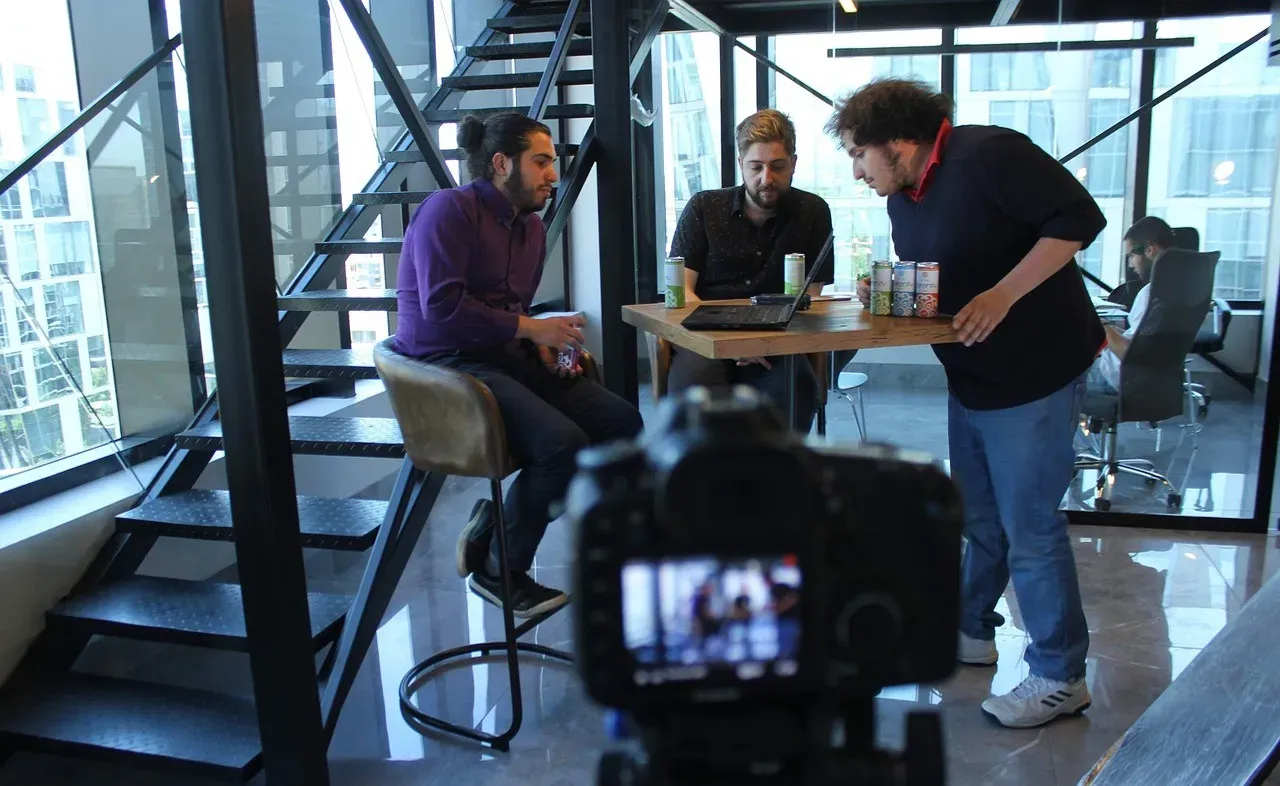
Indies defer payments, use smaller crews, minimize locations, and favor non-union crew. Studio productions, by contrast, carry more overhead, insurance requirements, and union obligations. That doesn’t mean studios are wrong to use union labor – those protections exist for good reason – but the structural weight of a 200-person crew creates costs that compound fast.
A minimal documentary crew runs roughly $1,000 to $5,000 per day, while a full narrative studio production can run $50,000 to $500,000 or more per day. Indie filmmakers know that a tighter crew often moves faster, adapts better on location, and creates less of the bureaucratic friction that quietly inflates production schedules – and therefore budgets.
3. They Use Royalty-Free and Independent Music

The cost of licensing music is notoriously variable. While an independent artist might agree to a nominal fee or deferred payment for an indie film, a well-known track by a major artist can command fees that dwarf an entire indie film’s budget. Studios routinely license recognizable songs for marketing and soundtrack purposes, sometimes paying more for a single needle-drop than an indie filmmaker spends on their whole production.
Royalty-free music libraries offer affordable, pre-licensed tracks that can be tailored to fit scenes without the complexities of copyright negotiations. There are also platforms that enable filmmakers to discover unsigned artists who are potentially willing to license their music for little or no cost. Smart indie filmmakers bake music decisions into pre-production rather than scrambling to clear rights after the cut is locked.
4. They Treat Locations as Creative Assets, Not Logistics Problems
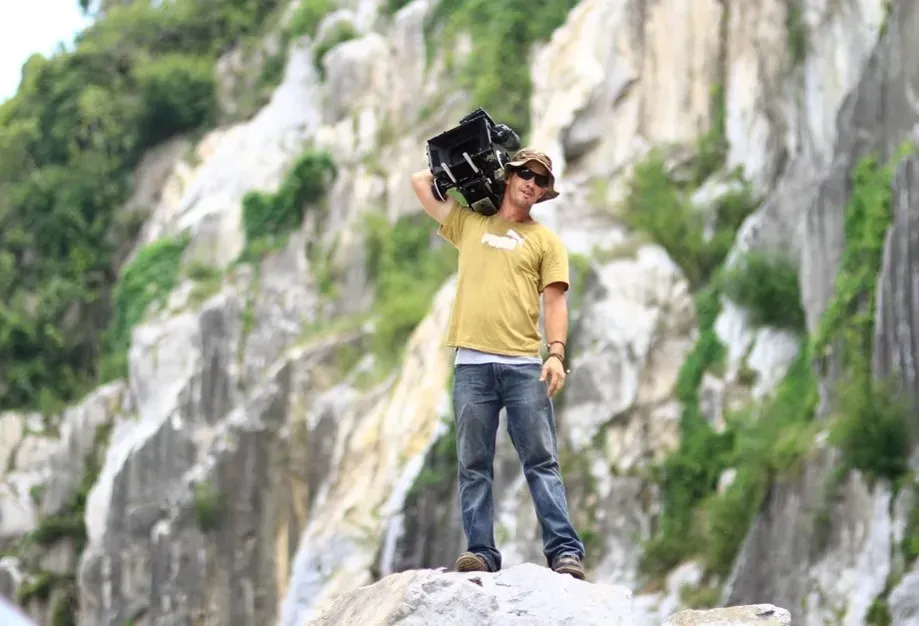
Major studios often gravitate toward purpose-built sets or high-profile practical locations that require extensive permitting, road closures, and security details. Indie productions limit shooting days to 10 to 12 hours to avoid expensive overtime costs, and they buffer travel time estimates carefully between locations. That discipline alone keeps location-day costs from spiraling.
Indie filmmakers scout obsessively and find locations that serve double or triple duty within a script, reducing the total number of distinct sites they need to manage. The shooting plan directly impacts costs like crew overtime and location rentals, so a tightly designed schedule built around accessible locations is one of the highest-leverage budget decisions a filmmaker can make early on.
Partner offer
5. They Plan Post-Production Into the Budget from Day One
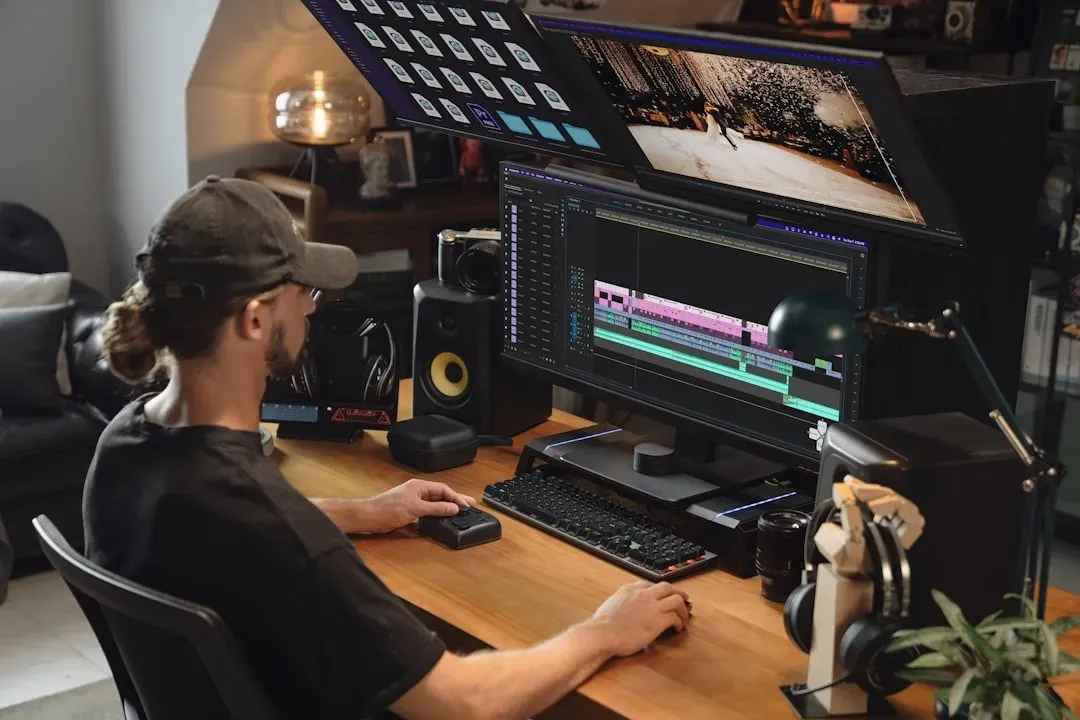
Post-production budgets can represent 15 to 30 percent of a total production budget, and rushed timelines can significantly increase those costs. Studios frequently compress post schedules due to release date pressures, which forces expensive overtime in editing suites, rushed VFX work, and costly reshoots. Indie filmmakers can’t afford that kind of structural recklessness.
Post-production usually runs three to six months after filming ends and must account for editing, sound mixing, and possible reshoots. Frugal indie producers plan for that full window from the start, rather than treating post as an afterthought that expands to fill whatever money is left. A film’s color grading makes a huge difference in whether it feels professional, but you don’t need an expensive DaVinci Resolve Studio license – the free version has the same professional color grading tools as the paid one.
6. They Use Deferred Payment Structures to Attract Talent

Indies defer payments, use smaller crews, and minimize locations as core financial tools rather than last-resort compromises. Deferred payment agreements allow filmmakers to bring on experienced talent who believe in the project, compensating them from revenue after distribution – a model that aligns everyone’s incentives in a way a flat studio paycheck simply does not.
Micro-budget and student films can secure music tracks from emerging artists for anywhere from zero to $500 per song, often with deferred payment or in exchange for exposure. The same logic extends to cast, crew, and key department heads. Studios cannot operate this way because of scale and union requirements, but indie filmmakers leverage it constantly and effectively.
7. They Build Organic Marketing Instead of Buying Attention

When it comes to Hollywood blockbusters, the average production budget alone can skyrocket to around $100 million. The marketing budget often matches or even exceeds this figure, with marketing costs ranging anywhere from $50 million to $150 million for a single release. That means a studio can spend more promoting a film than many indie filmmakers will spend in their entire careers.
Hollywood spends millions on marketing, but indie filmmakers leverage free social media to generate hype. Behind-the-scenes content, festival buzz, and direct audience engagement on platforms like Instagram and TikTok have proven genuinely effective at building awareness without media buying budgets. Entering a movie in a film festival can make all the difference for a first-time filmmaker or an independent director, providing a platform to showcase the work and attract distribution interest.
8. They Treat Contingency as a Discipline, Not a Safety Net

Industry standard practice is to allocate 10 percent of a total budget as contingency – an emergency fund for unexpected costs like location changes or cast illness. Studios technically follow this rule too, but with budgets in the hundreds of millions, the contingency line itself becomes enormous – and the institutional culture around large productions can treat it as available cash rather than an absolute last resort.
Regular budget reviews help prevent overspending and keep production running smoothly. Frugal indie filmmakers review their budgets almost daily during production, catching department overruns before they compound. Limited budgets can inspire innovative solutions – Paranormal Activity was made for just $15,000 and went on to gross nearly $200 million, showing that creativity often trumps a large budget. That film is an extreme example, but it reflects a real dynamic: constraint forces decisions that excessive spending tends to delay or avoid entirely.
The gap between indie and studio budgets isn’t just about resources. It’s about habits, incentives, and the organizational weight that accumulates when no one has to personally feel the cost of a bad decision. Frugal indie filmmakers feel every dollar. That accountability, more than any specific technique, is what keeps them honest – and occasionally makes their films better for it.
Partner offer
Planning a trip to Vegas?
Compare hotel rates and show tickets on VEGAS.com.