Plenty of famous faces learned discipline long before they learned their lines. For some, a uniform was a way out of a small town. For others, it was simply what the era demanded.
The eight actors below all spent time in the armed forces, and their paths into acting were rarely straight. Some stayed in uniform for years, while others left early and never looked back.
Morgan Freeman
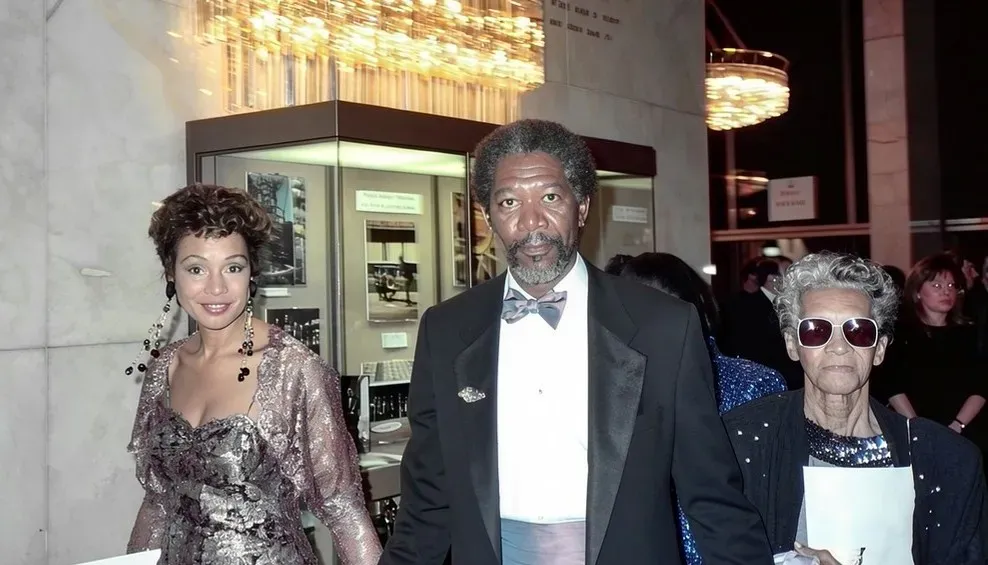
Freeman joined the US Air Force in the 1950s. He served as an automatic tracking radar repairman, a technical job far from the stage. He had hoped to become a fighter pilot, but that dream didn’t pan out.
After leaving the service, he moved to Los Angeles and took acting and dance classes. Stage and television work came first, and film stardom arrived much later. His calm, steady presence on screen is easy to picture alongside a career that began with radar equipment.
Paul Newman
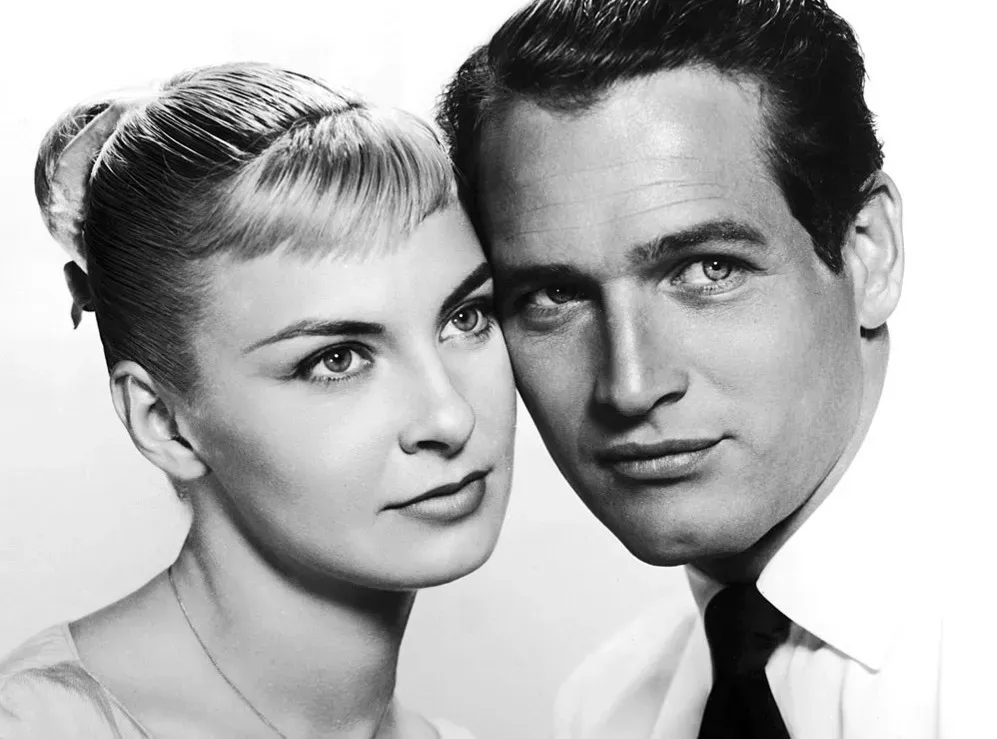
Newman enlisted in the US Navy during World War II and trained as a radioman and gunner on torpedo bombers. He had wanted to be a pilot, but color blindness ruled that out. He served in the Pacific theater near the end of the war.
When the war ended, he went to college and then pursued acting seriously. By the 1950s he was working on Broadway and in film. His wartime service rarely took center stage in his public image, though it was a real part of his early years.
Clint Eastwood
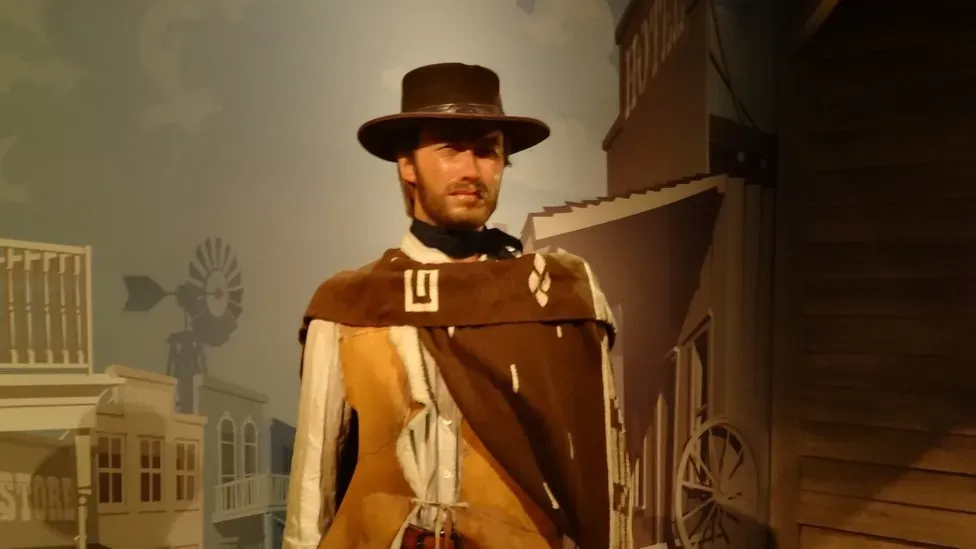
Eastwood was drafted into the US Army in the early 1950s during the Korean War. He was stationed at Fort Ord in California, where he worked as a swimming instructor. He never went into combat.
He did survive a military plane crash into the Pacific Ocean in 1951 and swam to shore. Fort Ord also put him in contact with people in the entertainment business, which helped steer him toward Hollywood. Later he became one of the industry’s most durable actors and directors.
James Stewart
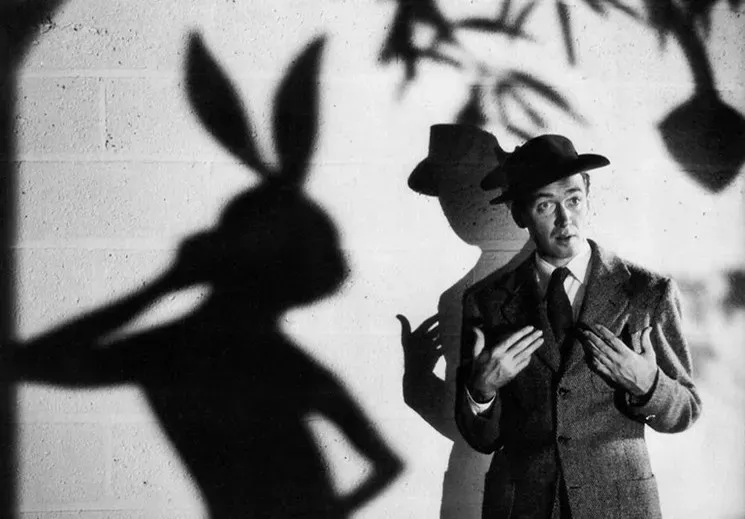
Stewart was already an Oscar winning actor when he entered the Army Air Forces before the US joined World War II. He became a pilot and flew combat missions over Europe as a bomber commander. Few leading men of his era saw wartime action so directly.
He stayed in the Air Force Reserve after the war and eventually reached the rank of brigadier general. He returned to acting and made some of his best known films in the following years. His military record sits comfortably beside his screen legacy.
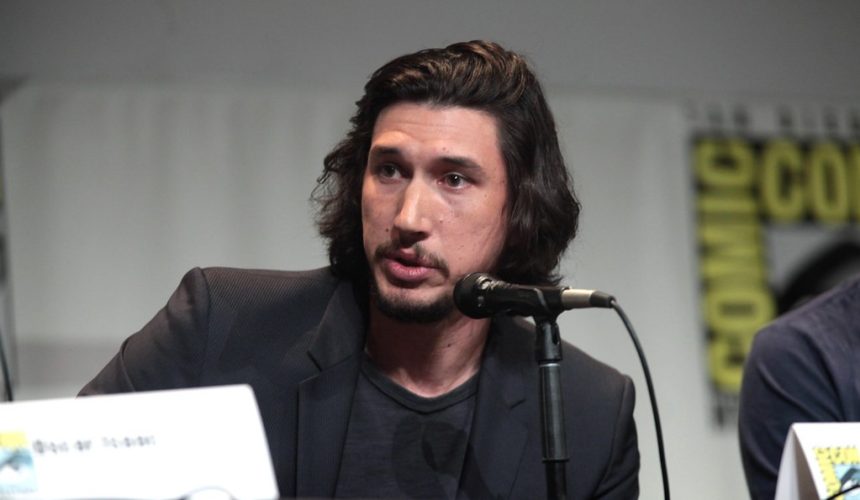
Adam Driver
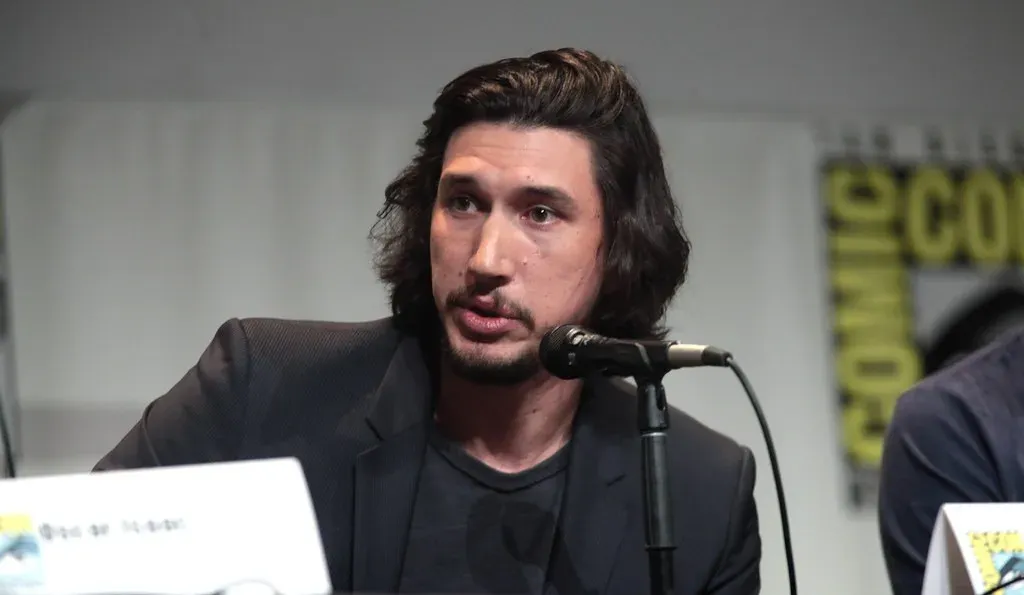
Driver joined the US Marine Corps after the September 11 attacks. He served in a mortar unit, but a mountain biking injury led to a medical discharge before he could deploy overseas. He has spoken publicly about how much the experience shaped him.
Afterward he enrolled at Juilliard to study acting. He later rose to fame through television and then major films, including the Star Wars series. He also founded Arts in the Armed Forces, a nonprofit that brings theater to military communities.
Audie Murphy
Murphy is remembered as one of the most decorated American combat soldiers of World War II. He received the Medal of Honor for his actions in France in early 1945. He had enlisted as a young man after initially being turned away for being underweight.
After returning home, he was encouraged to try acting, and he went on to appear in dozens of films, mostly Westerns. He played himself in the 1955 film To Hell and Back, based on his own memoir. His story is one of the clearest cases of a soldier becoming a screen star.
Gene Hackman

Hackman joined the US Marine Corps as a teenager, reportedly by overstating his age. He served in the late 1940s and early 1950s, working in communications as a radio operator. His postings included time in Asia.
Once he left the Marines, he drifted through a series of jobs before settling on acting. He trained at the Pasadena Playhouse and built a career on stage and screen. Years later, he became one of the most respected character actors of his generation, winning two Academy Awards.
Chuck Norris

Norris joined the US Air Force and served as a military policeman. He was stationed at Osan Air Base in South Korea in the late 1950s. There he began studying Tang Soo Do, a Korean martial art.
That training became the foundation of his later career. After the service he won karate titles and opened schools, and some of his students were celebrities. Film roles followed, then the long running television series Walker, Texas Ranger.