Dogs communicate constantly, but most of it happens in a language made of posture, timing, and small physical cues rather than words. Owners often catch themselves guessing at what a certain look or gesture means, sometimes landing close to the truth and sometimes missing it entirely. Trainers and behaviorists who spend their days observing these signals have a clearer read on what is actually going on beneath the surface.
The head tilt during conversation
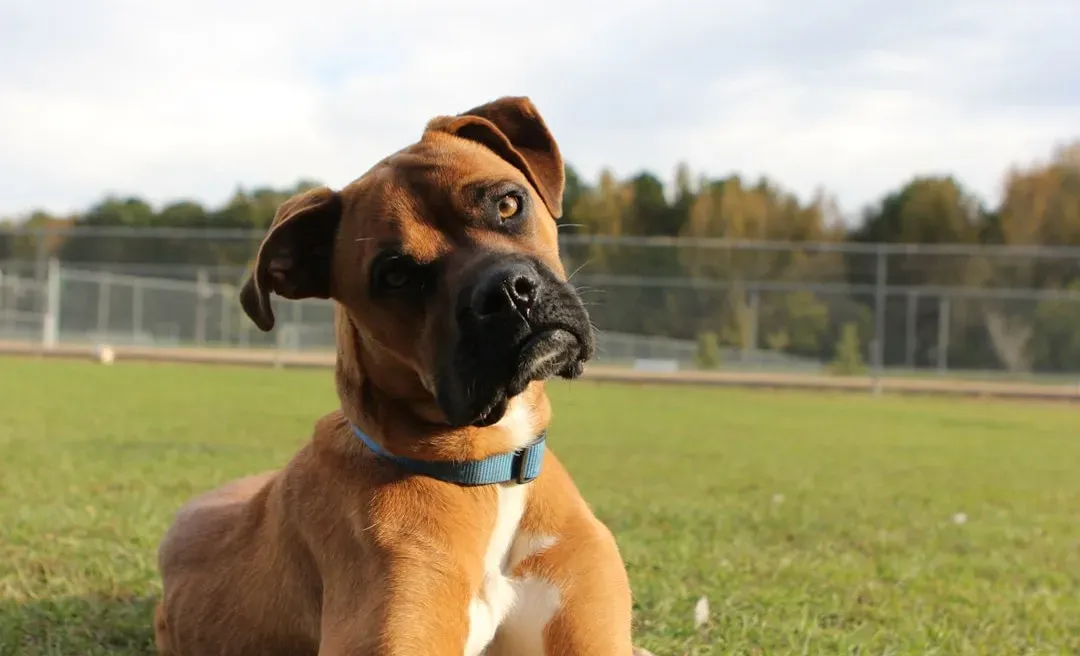
That classic tilted head, ears perked, eyes locked onto your face, is one of the most photographed dog behaviors there is, and it turns out there is real substance behind it. A slow, gentle head tilt is the most common variation and is often seen when a dog is carefully listening to a familiar voice or trying to pinpoint where a sound is coming from. Trainers frequently connect this to focused listening rather than simple cuteness.
Researchers have also looked at whether certain dogs tilt their heads more than others. A 2021 study published in Animal Cognition found that “gifted” dogs, especially border collies capable of recalling dozens of toy names, tilted their heads about 43 percent of the time when responding to verbal cues, while other dogs did so only about 2 percent of the time. That gap suggests the tilt may be tied to concentration and word recognition rather than pure instinct, though anatomy plays a role too, since dogs with longer muzzles sometimes tilt to get a clearer visual line on a person’s face.
Which way the tail wags
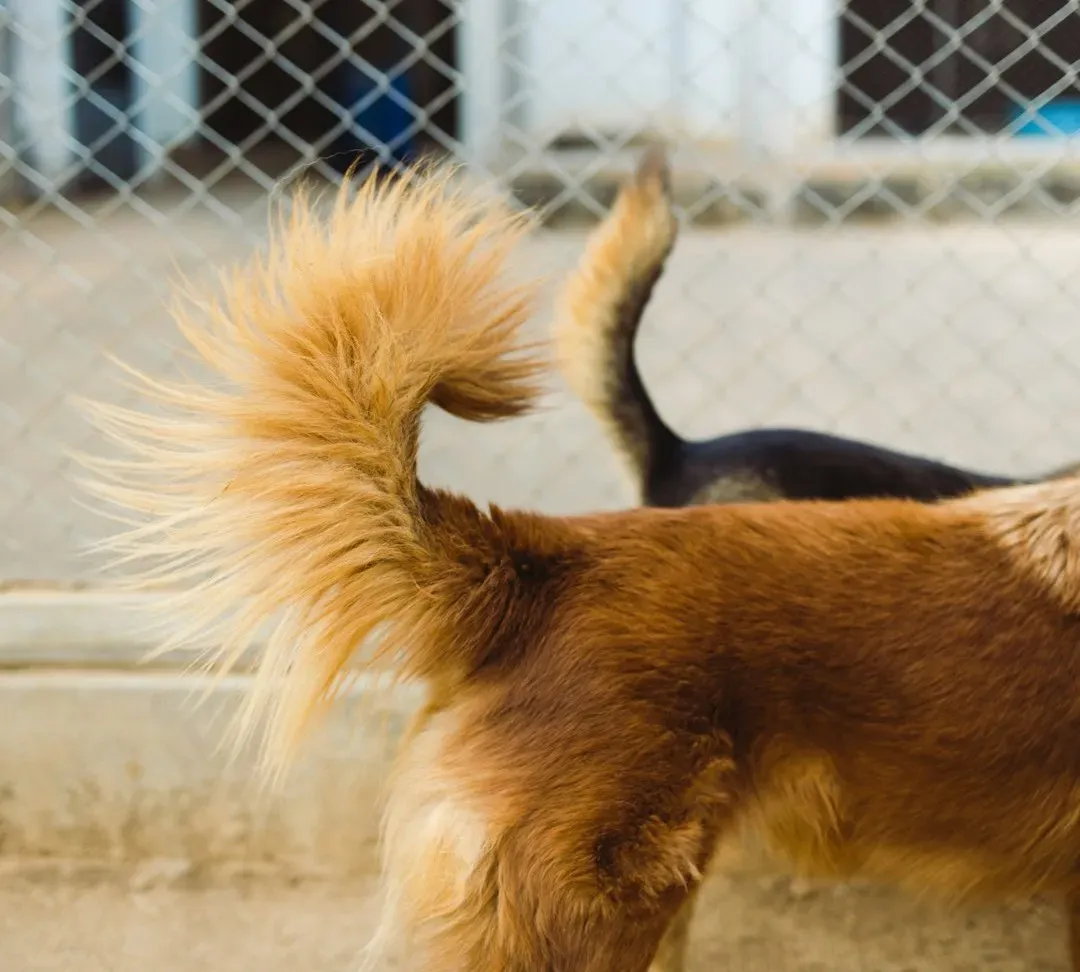
Most people notice when a tail wags and assume it always signals joy, but the direction of that wag carries information trainers pay close attention to. Researchers found that dogs wag their tails to the right when looking at something they want to approach, such as their owner, but wag to the left when confronted with something they want to back away from, such as another dog with an aggressive posture. This asymmetry appears linked to which side of the brain is more active in that moment.
Other dogs watching this wag seem to pick up on the difference too. Seeing a fellow dog swing its tail to the right keeps canines relaxed, while a wag to the left side of the dog’s body seems to induce stress, according to the researchers behind the study. It is a subtle cue, easy to miss unless you are watching from directly behind the dog, but trainers say it is one of the more honest signals a dog gives off since it is largely involuntary.
Yawning at the wrong moment
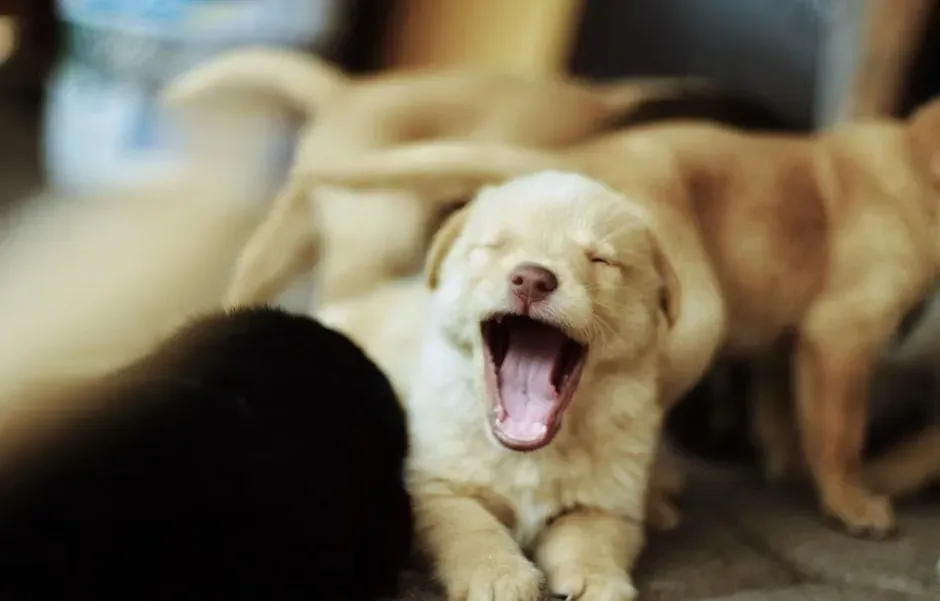
A yawn on the couch before bedtime is exactly what it looks like. A yawn during a vet visit, a training session, or a tense greeting with a stranger is a different story entirely. Dogs yawn when they are tired, but also to communicate emotions, manage stress, or as a form of submission in social situations, according to certified trainer Erin Askeland.
Trainers who work with reactive or anxious dogs often treat a mistimed yawn as an early warning sign rather than something to ignore. A dog yawning during training is often a sign the session is too long or the criteria too hard, not that the dog is bored. Catching that signal early gives an owner the chance to ease off before frustration builds into something bigger.
Rolling onto their back
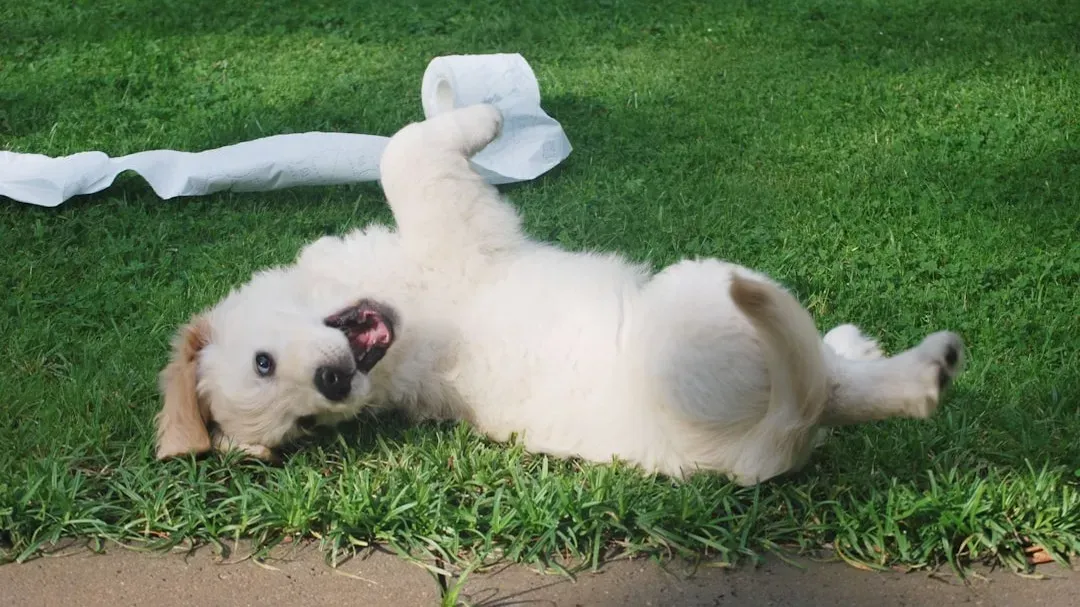
Belly exposure is often read as pure relaxation, and sometimes it is exactly that, a dog stretched out and asking for a rub. But trainers caution that context changes the meaning considerably. A dog that rolls over stiffly, tucks its tail, and averts its eyes while showing its belly is usually signaling appeasement or discomfort rather than an invitation.
The difference tends to show up in the rest of the body. A relaxed belly-up dog has loose limbs, a soft face, and often a wagging tail, while an anxious one holds tension through the shoulders and hips. Trainers generally advise reading the whole posture together rather than treating the belly flip as a single, standalone signal.
Sudden bursts of running, also known as zoomies
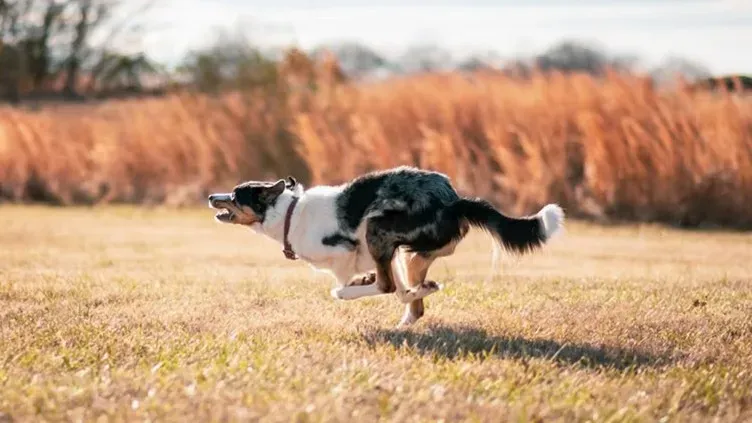
Every dog owner has witnessed it: a calm animal suddenly tears through the yard or living room at full speed for no obvious reason. Trainers call this a Frenetic Random Activity Period, and it typically shows up after a bath, a nap, or a stretch of pent-up energy finally finding an outlet. It is not a sign of distress in most cases, just an abrupt release of built-up excitement or stress hormones.
Puppies and younger dogs tend to have zoomies more often simply because they have more energy to burn and less impulse control around it. Trainers usually see this as harmless as long as the space is safe, though a dog that develops sudden zoomies in a previously calm routine might be worth watching for other behavioral shifts.
Leaning their body weight against you
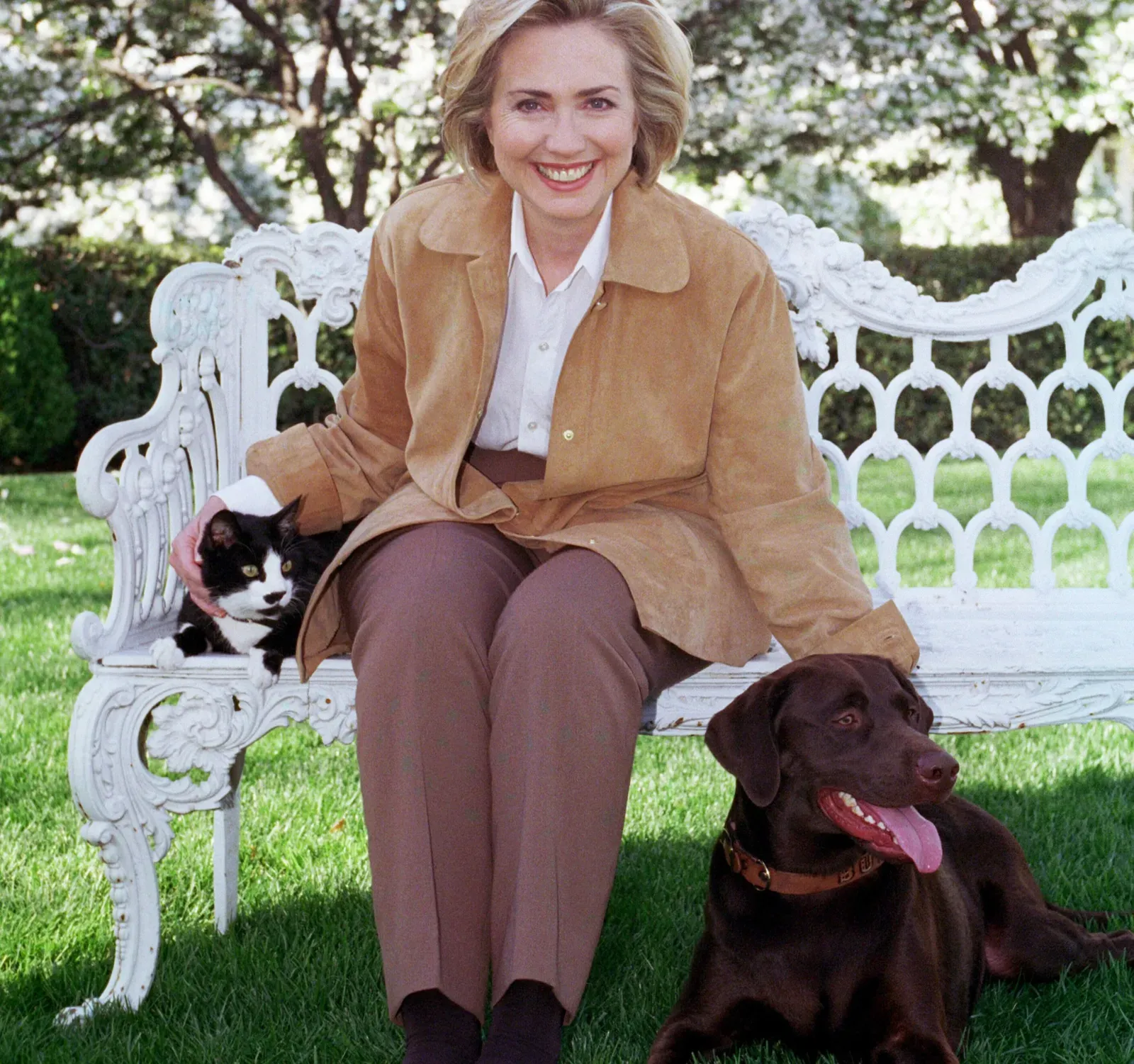
A dog that presses its side or back against your leg while you sit or stand is doing more than looking for warmth. Trainers commonly interpret this as a bonding behavior, a physical way of seeking closeness and reassurance from someone the dog trusts. It shows up often in dogs that are naturally affectionate, but it can also increase during moments of mild uncertainty, like a loud storm or an unfamiliar visitor.
This is different from a dog that pushes past you or blocks your movement, which trainers tend to view as more about spatial control than affection. The leaning behavior is usually soft, sustained, and paired with relaxed body language rather than stiffness or vigilance.
Long, slow blinks while looking at you
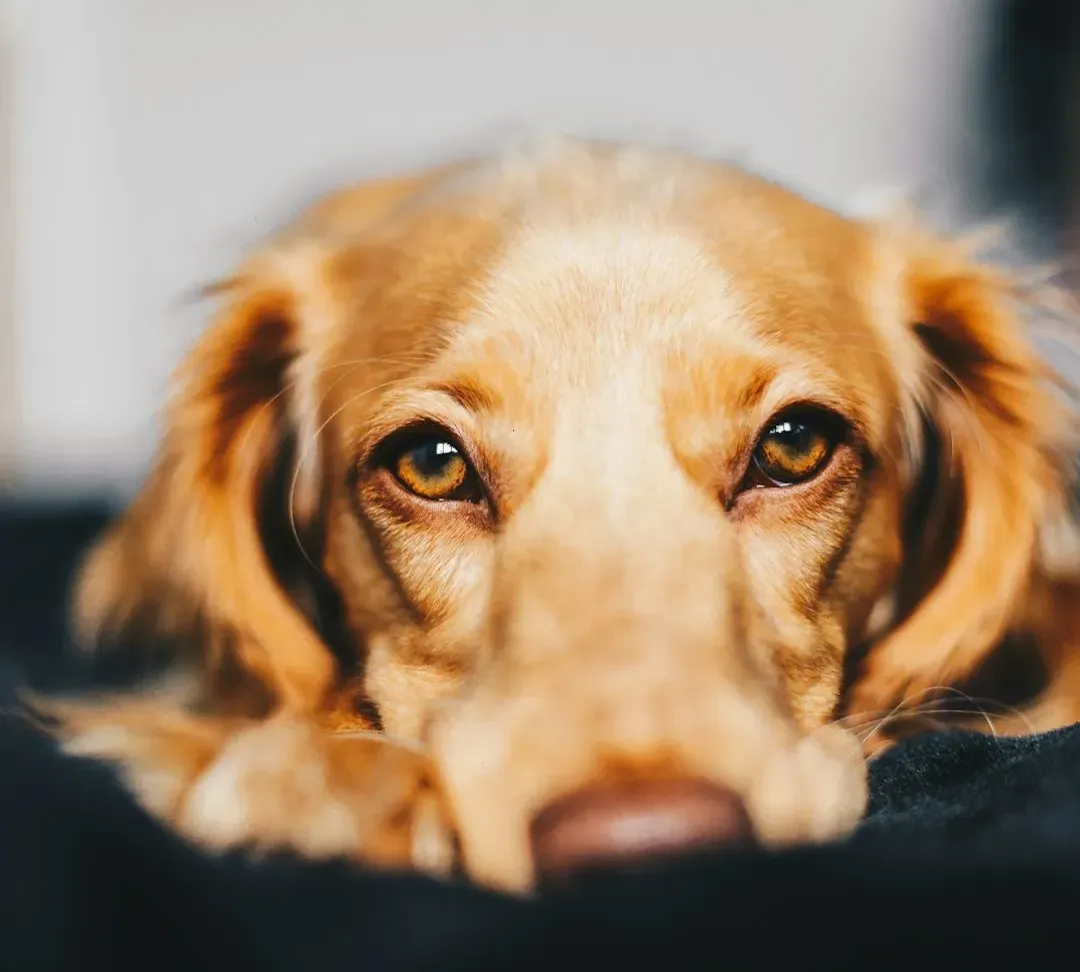
Sometimes called a “dog kiss,” the slow blink is a quiet signal many owners miss because it happens gently and without fanfare. Trainers who study calming signals note that a soft, half-closed eye combined with relaxed facial muscles usually reflects comfort and trust rather than sleepiness. It is often paired with a relaxed mouth and loose ears, which together paint a picture of a dog that feels safe in the moment.
Some trainers encourage owners to return the gesture by softening their own gaze and blinking slowly back at the dog. It will not turn into a two way conversation, but many report that dogs respond to a calm, unhurried gaze with a similar softening of their own posture, reinforcing that nothing in the room requires alertness.
Circling before lying down
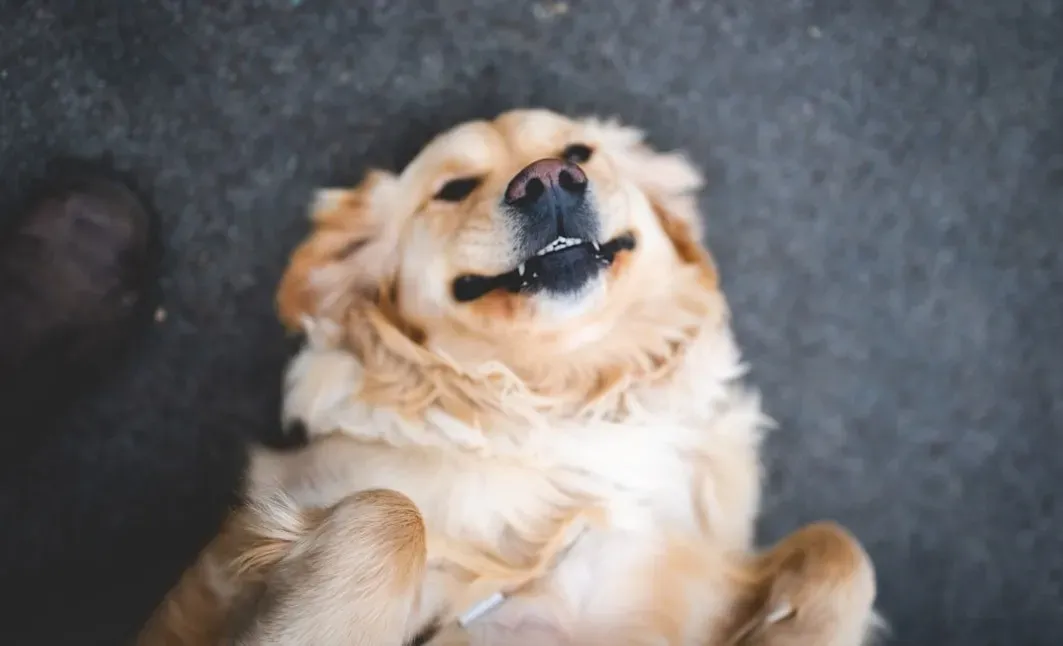
This one looks almost ritualistic, a few tight turns before finally settling into a bed or a favorite spot on the floor. Trainers generally trace this back to instinct rather than fussiness, an echo of behavior seen in wild canines that circle to flatten grass or check the ground before resting. It shows up in nearly every breed to some degree, though it can be more pronounced in dogs with strong prey drive or heightened environmental awareness.
A dog that suddenly starts circling excessively, especially at night or in unfamiliar places, may simply be adjusting to a new environment rather than expressing anxiety. Trainers only flag it as a concern when the circling becomes compulsive, prolonged, or paired with visible restlessness that does not resolve once the dog lies down.
Pawing at you without being asked
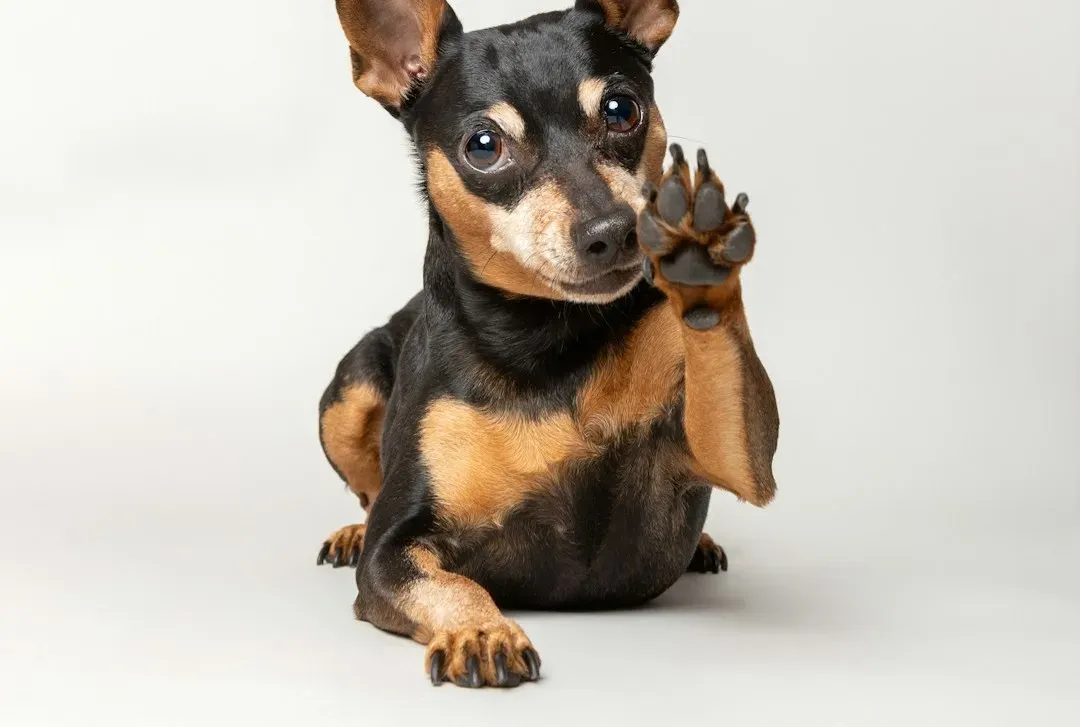
A gentle paw placed on a knee or arm, offered without any training cue involved, usually functions as a request for attention. Trainers see this most often in dogs that have learned, sometimes through accidental reinforcement, that a light paw touch reliably gets a response from their person. It can mean the dog wants to be pet, wants food, or simply wants acknowledgment after being ignored for a while.
Persistent or repeated pawing that escalates into scratching is usually a sign the initial signal was not picked up on. Trainers often recommend responding to the first gentle paw touch rather than the more insistent version, since dogs quickly learn which version of a behavior actually gets results.
Bringing you toys or random objects
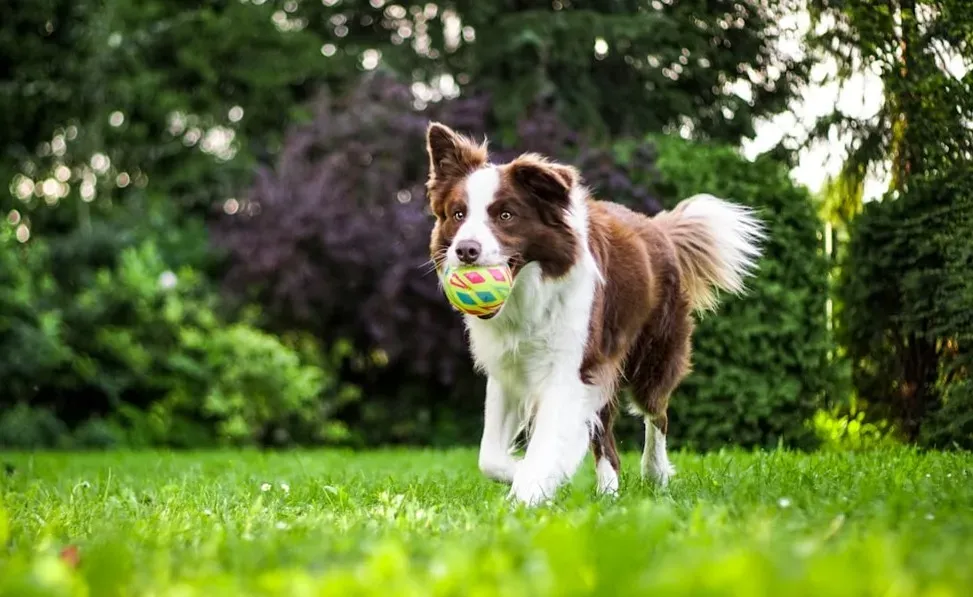
A dog that drops a toy, a shoe, or even a sock at your feet unprompted is engaging in a behavior trainers often describe as a form of social bonding rather than simple play. In some cases it reflects a retrieving instinct that never fully switched off, especially in breeds developed for fetching work. In others, it is closer to an invitation, the dog’s way of drawing a person into interaction on its own terms.
Partner offer
Trainers note that the specific object matters less than the pattern of the behavior. A dog that repeatedly brings items during moments of excitement or greeting is usually expressing enthusiasm, while one that brings an object during a stressful moment, like after a loud noise, may be using it as a self-soothing prop rather than an offering.
Reading the whole picture
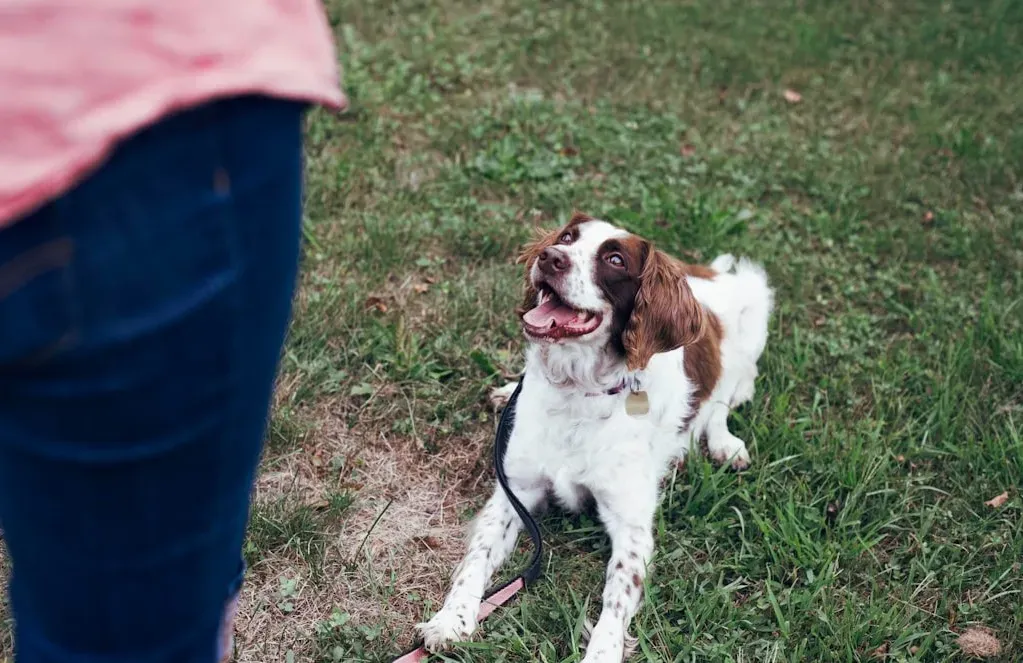
No single behavior on this list tells the full story on its own, and trainers are consistent on that point across the board. A tail wag, a yawn, or a slow blink only becomes meaningful once it is read alongside everything else the dog’s body is doing at the same time. Context, timing, and the surrounding environment shape the message far more than any isolated gesture ever could.
Paying attention to these small signals over time tends to sharpen an owner’s instincts more than any single explanation can. The dogs are not being subtle on purpose. They are simply speaking a language that rewards patience and close observation, and the more fluent an owner becomes in it, the fewer surprises the relationship tends to hold.
Partner offer
Planning a trip to Vegas?
Compare hotel rates and show tickets on VEGAS.com.