Hollywood runs on ambition. The whole machine is built around the idea that once you make it, you fight to stay there. So when someone who has genuinely made it – an Oscar winner, a box office draw, a household name – quietly packs up and leaves, it tends to stop people cold.
Some of the most fascinating departures in entertainment history weren’t forced. They were chosen. No scandal, no box office collapse, no studio politics pulling the strings. Just a person deciding that life beyond the spotlight held something more worth having. Here are eight actors who made that decision at the height of their power.
1. Grace Kelly – The Princess Who Chose Monaco Over Hollywood
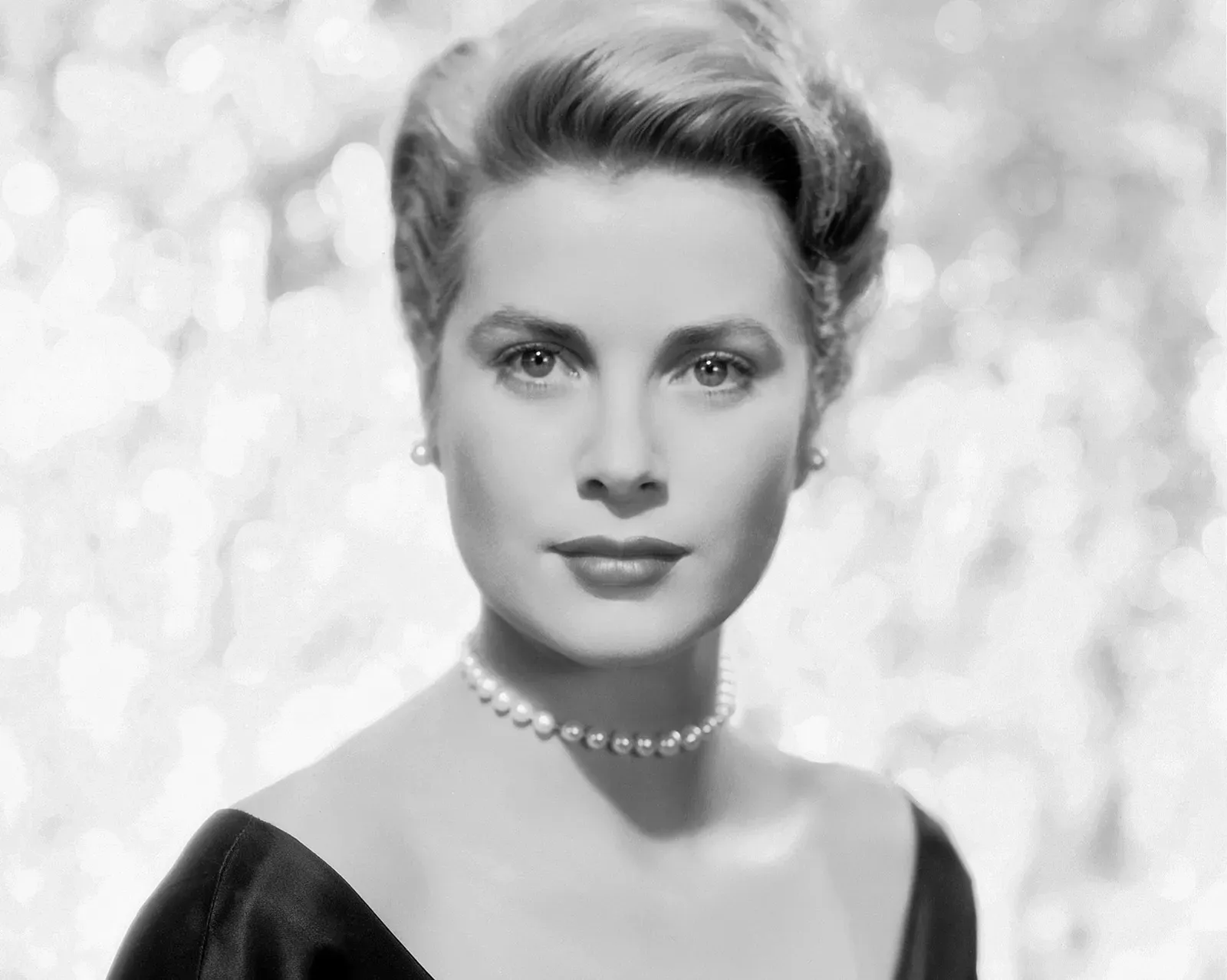
In 1956, after winning an Academy Award for Best Actress for The Country Girl, four Golden Globes, and having established herself as a fashion icon, Kelly shocked the world when she announced her retirement from film at just 26 years old. She had already starred in three Alfred Hitchcock films and was one of the most sought-after actresses in cinema.
At 26, the Philadelphia-born actress married Prince Rainier III in 1956 to become the Princess of Monaco, dedicating much of her time to philanthropic work. After years away from the industry, she dabbled in entertainment by narrating a documentary and TV movie, then joined the board of 20th Century Fox Film Corporation in 1976. She never returned to acting as a career. She died in 1982, leaving behind one of Hollywood’s most enduring and quietly romantic exits.
2. Gene Hackman – A Two-Time Oscar Winner Who Simply Walked Away
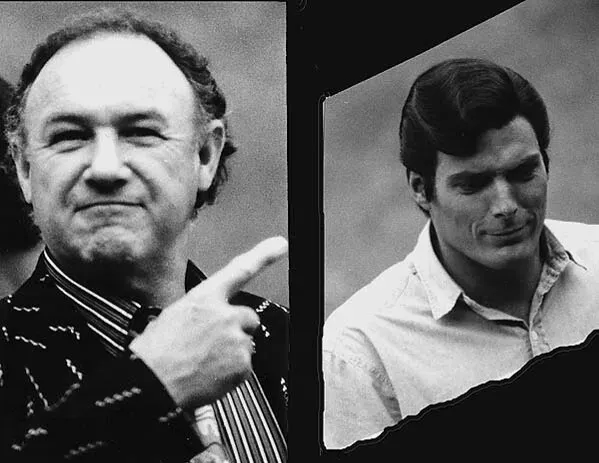
After a career in which he played everyone from conflicted cops to inspirational basketball coaches to failed fathers to Lex Luthor, Hackman quietly retired from acting after the 2004 comedy Welcome to Mooseport, devoting his energies to writing novels and painting. He was 74 at the time, but still in strong creative form. The decision surprised industry insiders who assumed he had more left to give.
He had been battling serious health problems for a while, even going through an angioplasty in 1990; a decade later, he said, his doctor warned him that his heart “wasn’t in the kind of shape that I should be putting it under any stress.” He moved to New Mexico, restored homes, painted, wrote or co-wrote five novels, invested in a restaurant, and bicycled around Santa Fe. He passed away in February 2025 at 95, having spent his final two decades doing exactly what he wanted.
3. Daniel Day-Lewis – The Method Actor Who Retired, Then Came Back for One Last Film
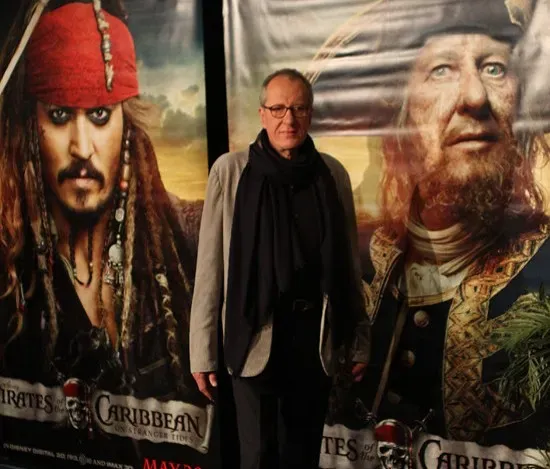
Daniel Day-Lewis is widely recognized as one of the most talented performers in the history of motion pictures. He earned a record three Academy Awards for Best Actor before announcing his complete retirement from the profession. The announcement came shortly before the release of his final film, Phantom Thread, in 2017. His statement was brief and deliberate: he would no longer be working as an actor. No press conference, no extended explanation.
In 2025, however, a new film arrived: Anemone, a psychological drama directed by Ronan Day-Lewis in his feature directorial debut, from a screenplay he co-wrote with his father, Daniel Day-Lewis, who also stars in the lead role. It features Day-Lewis’s return to acting for the first time since Phantom Thread in 2017, alongside Sean Bean and Samantha Morton in supporting roles. Day-Lewis emphasized that the project never felt like a comeback in the traditional sense, but rather an organic response to a collaboration rooted in personal meaning and creative necessity.
4. Rick Moranis – The Comedy Icon Who Put Family First

Endearing actor and comedian extraordinaire Rick Moranis was a constant presence on screens all across the world during the 1980s and the 1990s, delivering delightfully zany performances in unforgettable flicks like Ghostbusters and its sequel, Spaceballs, Little Shop of Horrors, and Parenthood. He was one of the most reliably bankable comic actors of his era. Then, with very little fanfare, he stepped back.
At the height of his Ghostbusters and Honey, I… fame, the 1980s star stepped away from filmmaking not long after his wife passed away from breast cancer in 1991 to focus on raising his kids Rachel and Mitchell. Though Rick hasn’t had a live-action movie role since 1997, even passing on a cameo in Paul Feig’s 2016 Ghostbusters remake, he’s remained a treasured figure to fans who grew up watching him. His choice was rooted not in disillusionment but in something more straightforward: his children needed him more than Hollywood did.
Partner offer
5. Jack Nicholson – Hollywood’s Last Outlaw, Gone Quiet
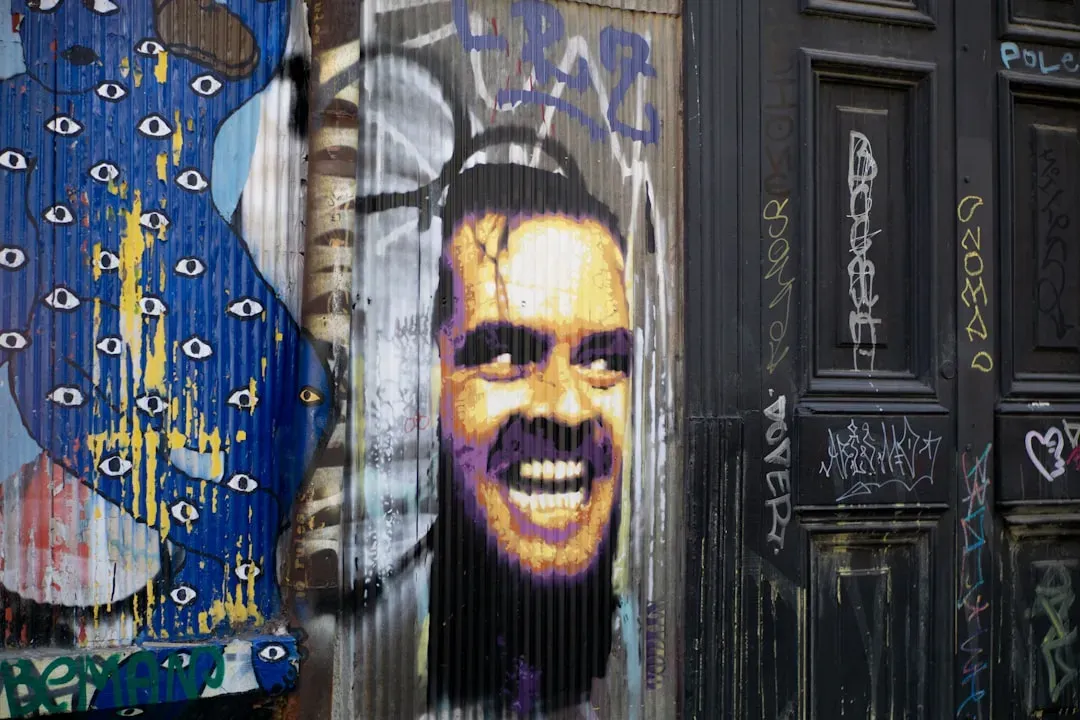
Jack Nicholson chose not to keep acting into his 80s: he walked away in 2010, after appearing in longtime collaborator James L. Brooks’ How Do You Know. He left to enjoy life with nothing to prove, having won three Oscars and earned an additional nine nominations. For a man so synonymous with big, scene-chewing performances, the exit was remarkably low-key.
One of his last major public appearances was co-presenting the Oscar for Best Picture with First Lady Michelle Obama in 2013, though he’s also known to turn up courtside from time to time. He has not acted since, and unlike most Hollywood retirements, his has held. Both Hackman and Nicholson found stardom relatively late – Hackman at 36 in Bonnie and Clyde, Nicholson at 32 in Easy Rider – and both dominated 1970s cinema. It’s a strange kind of symmetry that two giants of the same era both chose, in the end, to simply stop.
6. Phoebe Cates – From 1980s Icon to Manhattan Boutique Owner

The star of Gremlins and Bright Lights, Big City became one of the most in-demand actresses of the 1980s thanks to her breakout role in 1982’s Fast Times at Ridgemont High. She left acting for the most part after starring in 1994’s Princess Caraboo with her husband, Kevin Kline. The transition was gradual rather than dramatic, but the result was the same: a full exit from the industry.
She chose to focus on raising the couple’s two children, who now both have careers in the arts, and opened a Manhattan boutique. When she wed fellow actor Kevin Kline in 1989, they agreed to alternate so that they were never working at the same time, as part of their plan to care for their son and daughter. Instead of acting, Phoebe explored her entrepreneurial spirit, opening a boutique in New York City. The life she built after Hollywood turned out to be the one she wanted all along.
7. Dave Chappelle – Walked Away From $50 Million to Find Peace
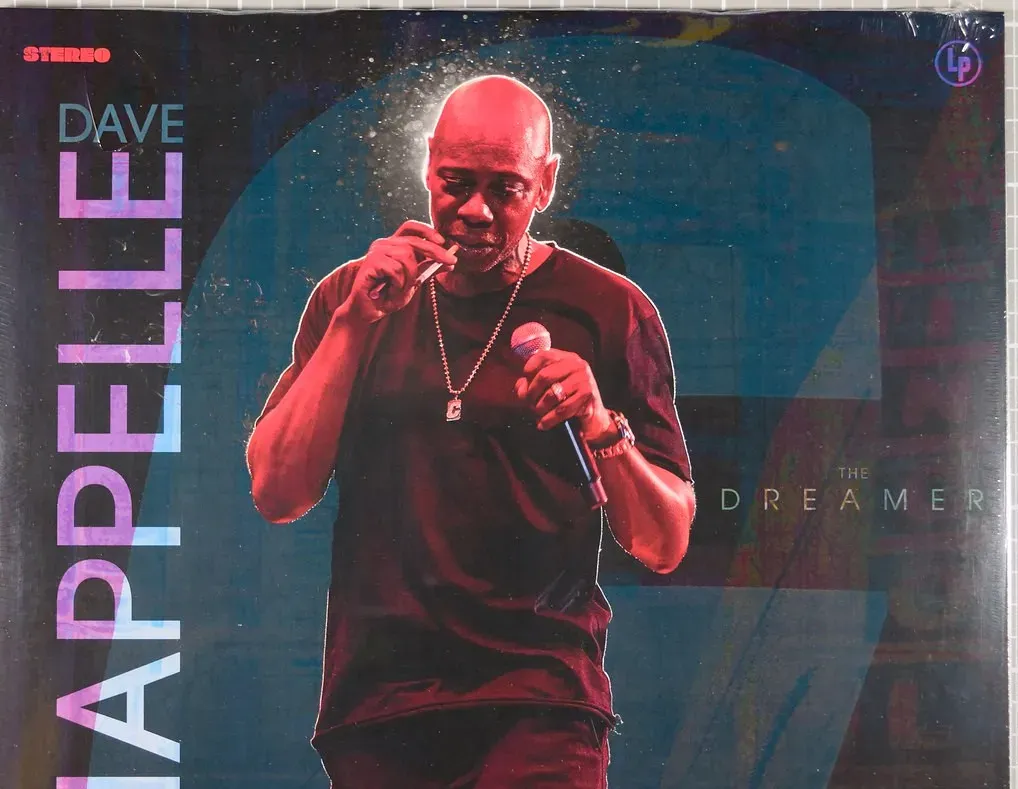
Though best known for his groundbreaking Chappelle’s Show rather than traditional Hollywood films, Dave Chappelle’s decision to walk away at the height of his fame in 2005 remains shocking to this day. He left his $50 million Comedy Central contract, citing pressures of fame, creative differences, and the toll the entertainment machine took on his well-being. The exit was jarring precisely because everything, from the outside, looked like it was going perfectly.
After leaving showbiz, he went on a retreat to South Africa and later started living on a farm in Ohio, away from the chaos. He spent many years performing stand-up comedy in small venues and avoiding the mainstream media spotlight. While he eventually returned to perform major specials, he never resumed his previous television career. What he traded was enormous. What he gained, apparently, was harder to put a price on.
8. Greta Garbo – The Legend Who Chose Silence Over Stardom
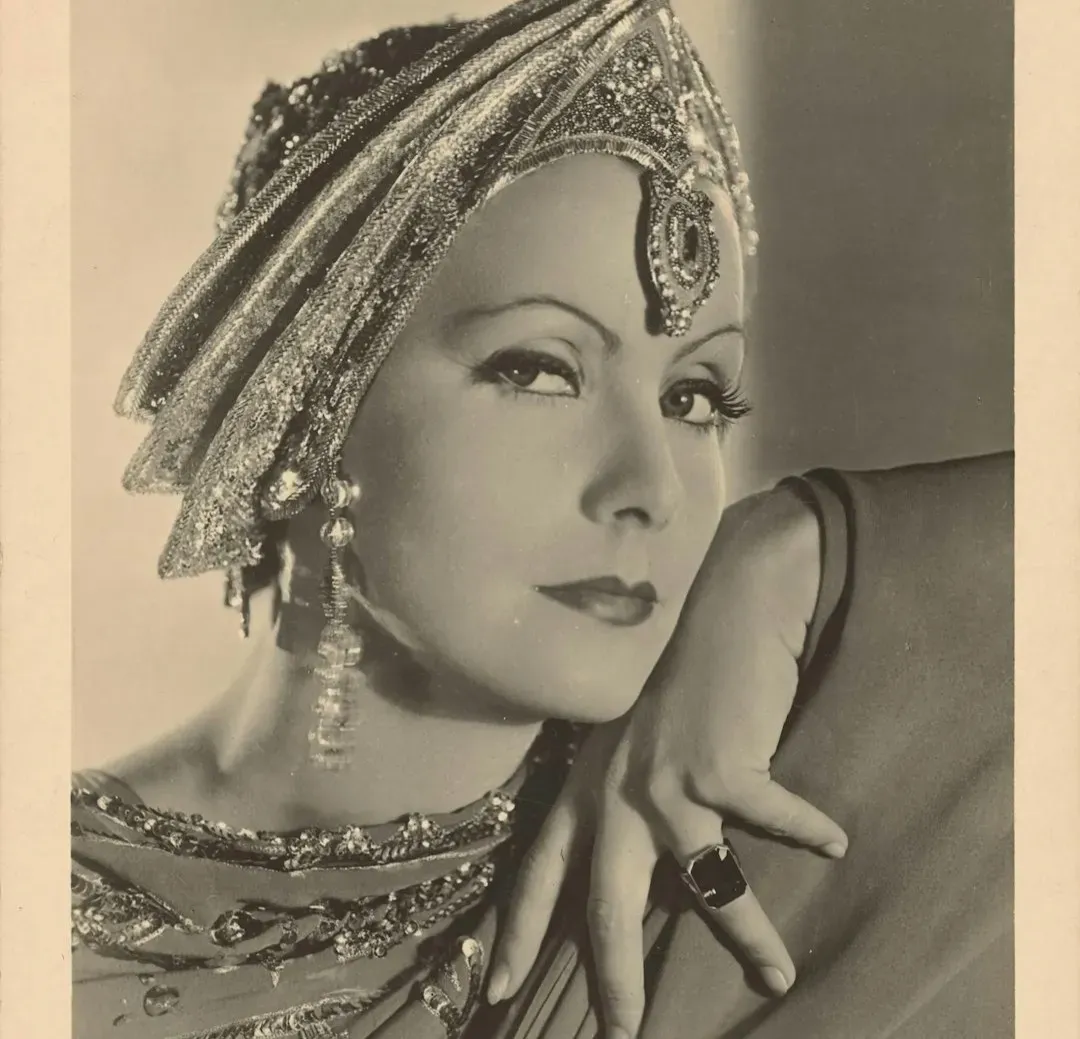
Greta Garbo, known for her haunting performances in Ninotchka (1939) and Camille (1936), was a silent and early talkie legend. She retired at 35 in 1941 after Two-Faced Woman, craving privacy. The film had received poor reviews, but Garbo’s reasoning ran deeper than a single critical misstep. She had long found the mechanics of celebrity exhausting.
Garbo lived quietly in New York, collecting art and avoiding fame’s glare. Her enigmatic aura and choice to embrace solitude over stardom made her one of Hollywood’s most enduring mysteries. Coincidentally, she was offered the role of a bygone film star in Sunset Boulevard – a part that seemed almost written for her. Despite being perfect for the role, she turned it down. She never appeared on screen again. The silence she chose in 1941 she kept until her death in 1990.
What connects these eight people isn’t regret or failure. It’s the opposite: a clear-eyed recognition that they had already accomplished something real, and that the next chapter didn’t have to involve a camera. Fame, it turns out, is only a destination for those who decide it is.
Partner offer
Planning a trip to Vegas?
Compare hotel rates and show tickets on VEGAS.com.