There’s a gap between what critics write and what audiences actually feel, and nowhere does it show up more clearly than at the box office. Movie ratings are often used to predict the box-office success of a film, but reviews aren’t always connected to how audiences feel. Sometimes movie critics absolutely destroy a film in their reviews, but audiences are undeterred by their harsh words. This isn’t a fluke. It happens again and again, across genres and decades, and the pattern raises a genuine question about what movies are really for.
At one end of the spectrum, you have films that audiences genuinely love but critics are often far more dismissive of. In these cases, the gap usually comes down to genre, tone, or just a different idea of what “good” entertainment looks like. The nine films below are some of the clearest examples of that divide, each one panned by reviewers and embraced by millions.
Transformers: Revenge of the Fallen (2009)
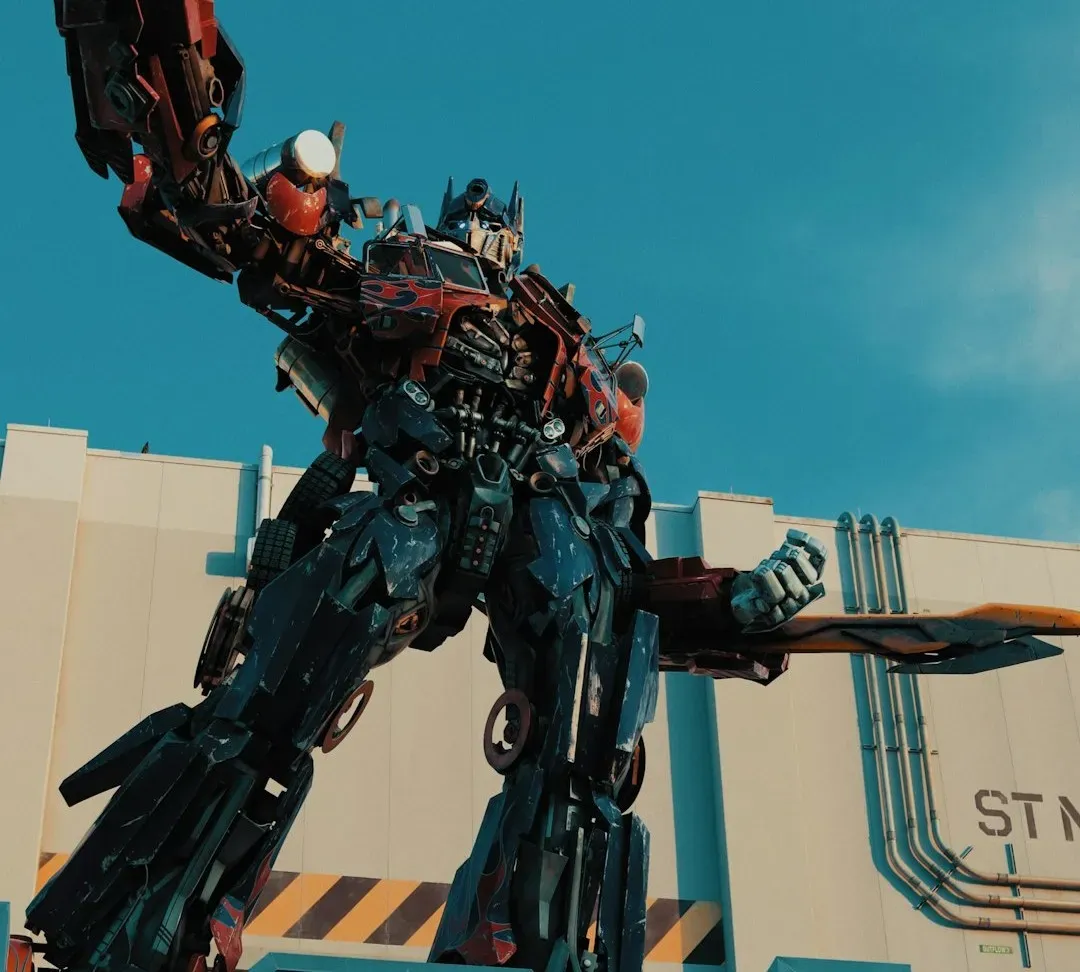
Michael Bay’s Transformers: Revenge of the Fallen received a 19% on Rotten Tomatoes in the summer of 2009. That score did little to scare away fans, as it took in $200 million in its first five days. It dropped 61% in its second weekend and still grossed $402 million. Critics called it loud, overlong, and incoherent, and they weren’t entirely wrong about any of that.
The critical consensus was blunt: Transformers: Revenge of the Fallen is a noisy, underplotted, and overlong special effects extravaganza that lacks a human touch. Yet Revenge of the Fallen is the best-grossing movie domestically in the entire franchise, according to Box Office Mojo. A lot of that can be attributed to the excitement people had for the franchise. Audiences weren’t looking for nuance. They wanted giant robots, and they got them.
Venom (2018)
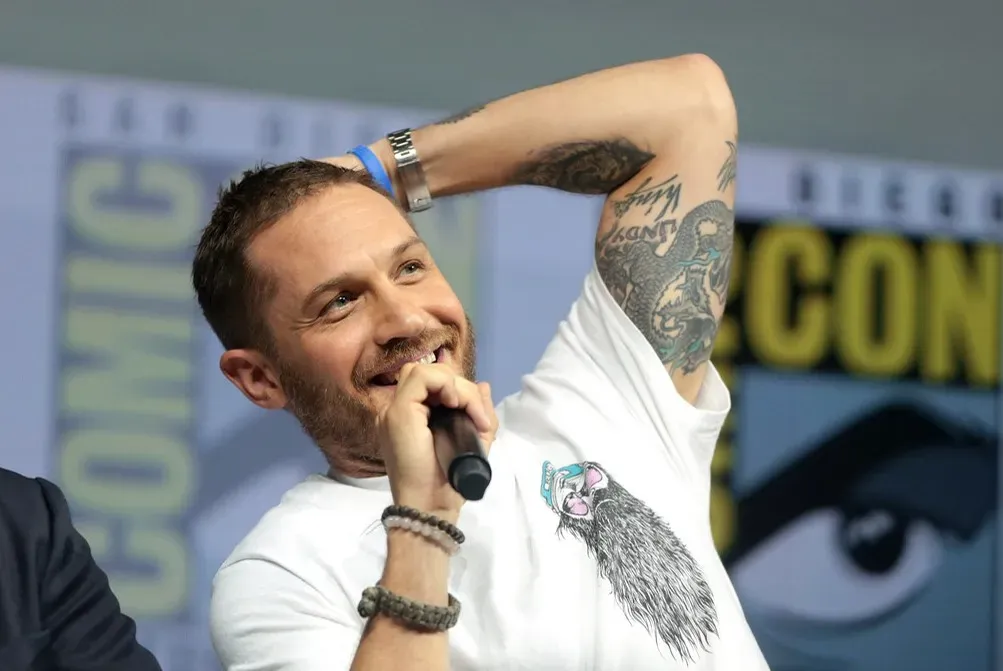
Rotten Tomatoes’ Tomatometer and Popcornmeter results come in at a 30% critic score and 80% audience score for Venom, marking a full 50% difference between the two. Critics called it tonally confused and messy, particularly taking issue with its disconnect from the broader Spider-Man universe. The site’s critical consensus reads that Venom’s first standalone movie turns out to be like the comics character in all the wrong ways: chaotic, noisy, and in desperate need of a stronger attachment to Spider-Man.
The Venom trilogy earned $1.8 billion from its overall worldwide box office, with the installment rated lowest by critics of the trilogy bringing in over $800 million of those results. Tom Hardy did a phenomenal job as Eddie Brock, and fans enjoy the blend of humor and action shown in the film. It became a cultural touchstone precisely because it leaned into its own weirdness rather than away from it.
Batman v Superman: Dawn of Justice (2016)
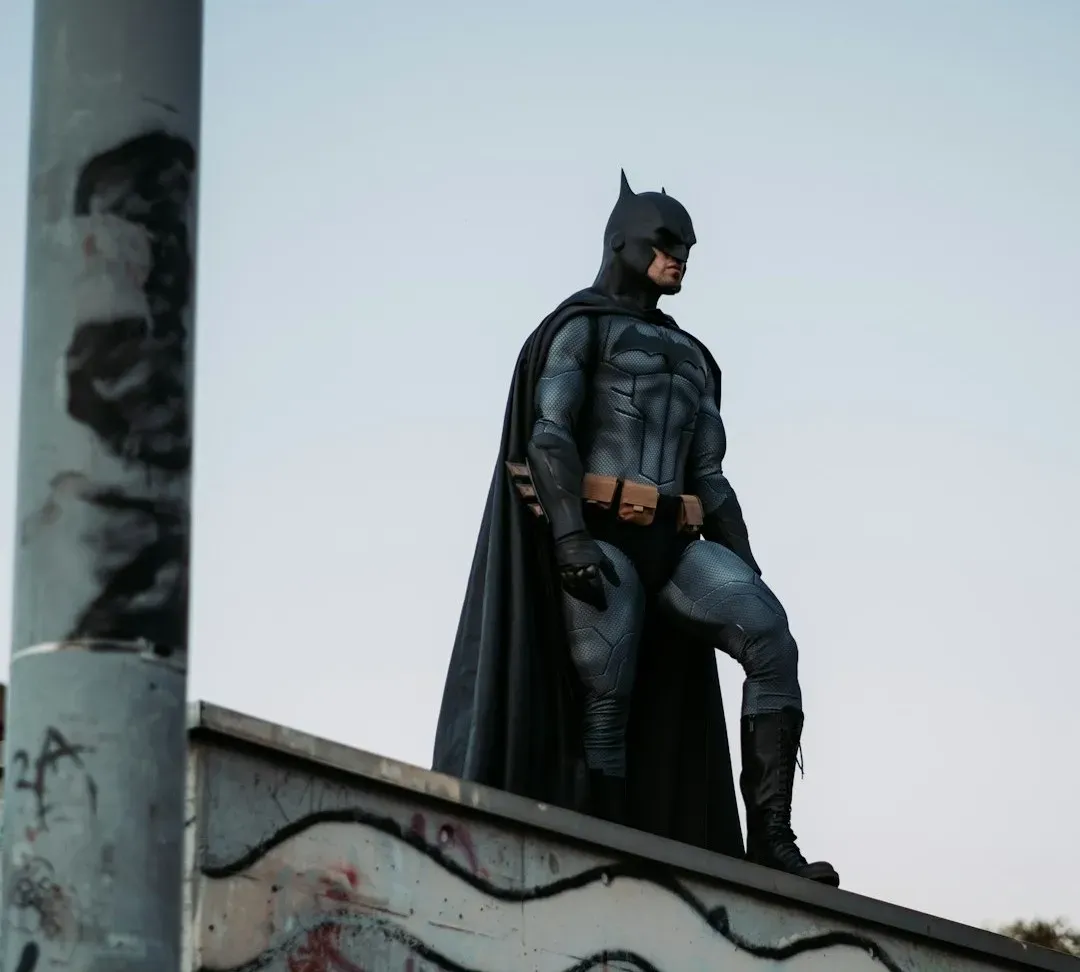
Although the reviews for Zack Snyder’s Batman v Superman: Dawn of Justice were far worse than anyone ever expected, hitting a low of 29% on Rotten Tomatoes, it still managed to open strong over the Easter weekend to the tune of $166 million. Batman v Superman: Dawn of Justice is the highest-earning film in the Superman franchise. Starring Ben Affleck, Henry Cavill and Amy Adams, fans packed theaters to see the movie, but critics didn’t understand the hype.
DC fans arrived in force regardless of the reviews, driven by the sheer novelty of seeing these two iconic characters share the screen for the first time in live action. As far as fan reaction to the movie, the CinemaScore “B” rating does not point to the kind of hatred usually associated with deeply negative fan reactions. For a film critics described as incoherently structured, it clearly connected with a large number of people on some level.
Grown Ups (2010)
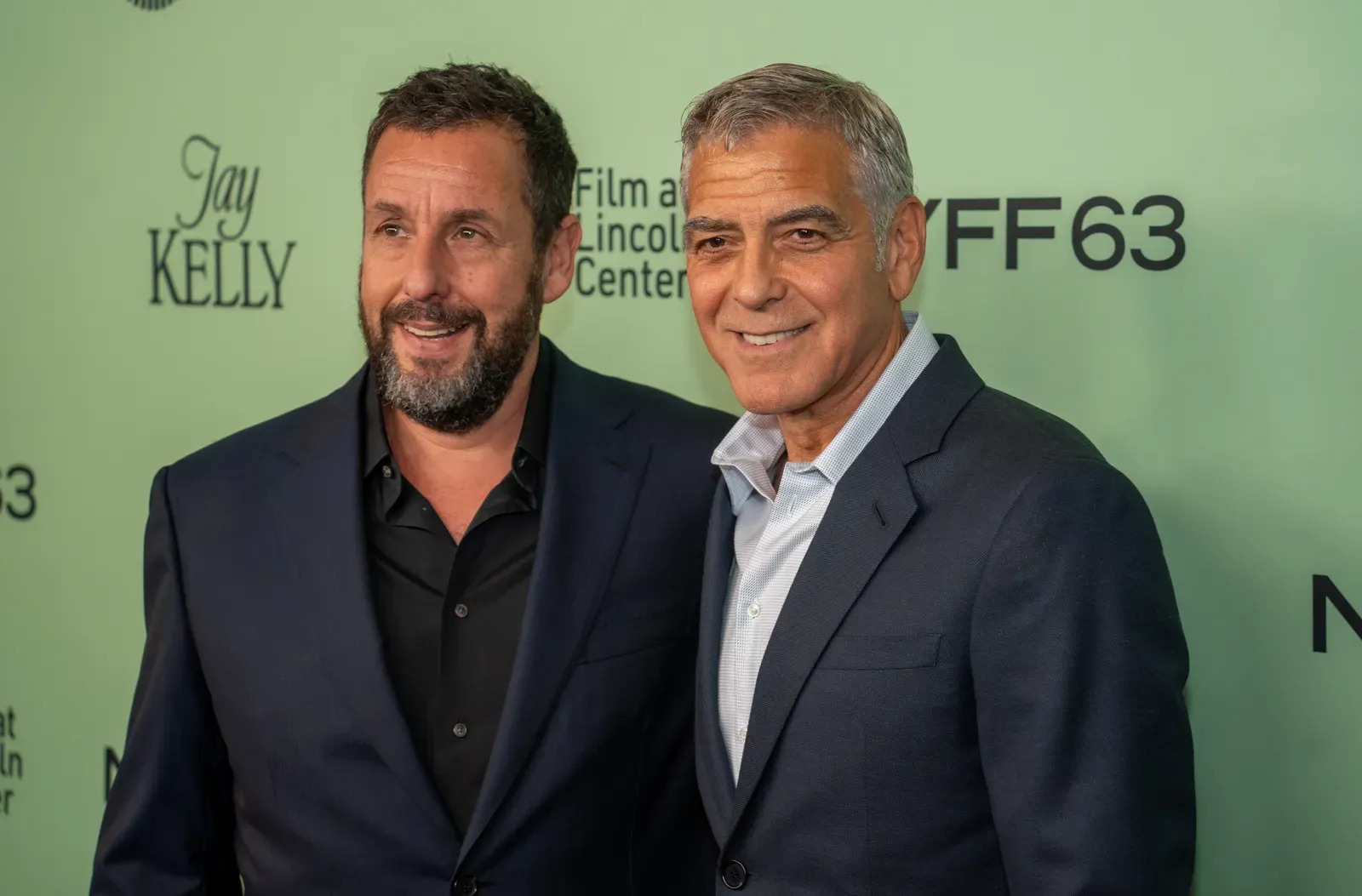
Adam Sandler is no stranger to being panned by critics, but most of his lowest-rated films are comparably disliked by fans. With Grown Ups, where many of the viewers gave it decent reviews, it was given one of his worst critical receptions of all time, scoring a meager 10% with many criticizing it as humorless, dull and predictable. Critics were almost uniformly brutal, treating it as a low point even by Sandler’s standards.
Despite that, the film was a genuine crowd-pleaser. The sequel racked up nine Razzie nominations, but audiences weren’t nearly as savage, giving it a 53% Popcornmeter. Somehow, the movie still managed to surpass its budget threefold, grossing a not-too-shabby $247 million. The original Grown Ups performed even better, proving that the chemistry between Sandler and his friends was exactly what audiences wanted to see, critical consensus be damned.
Partner offer
A Minecraft Movie (2025)
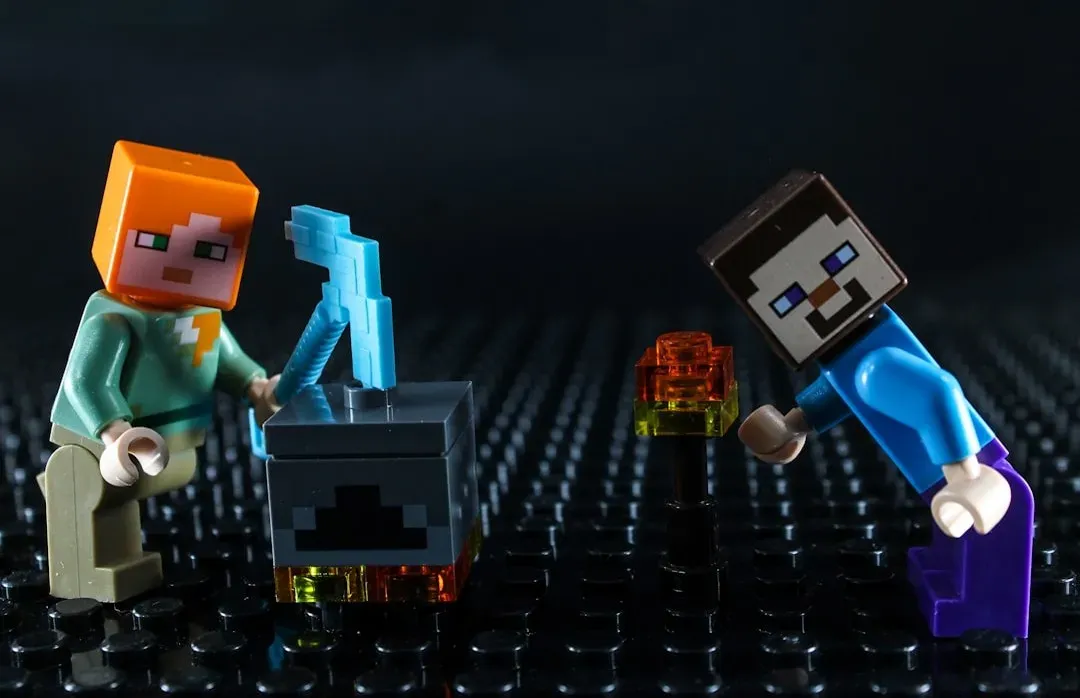
Easily standing as one of the most recognizable divides between critics and audiences in 2025, A Minecraft Movie showed exactly how much success a film could have by appealing to its dedicated audience above all else. The film’s overwhelming love for the game of Minecraft made it a hit for audiences who grew up with the game. It sparked enormous online enthusiasm, complete with viral theater moments that kept the conversation alive for weeks.
Critics had a much more jaded opinion towards A Minecraft Movie, not jiving with the reheated Jack Black style of comedy and simply not having an emotional connection to Minecraft as a video game experience. Without this preexisting understanding of Minecraft’s creativity-fueled brilliance, the film adaptation’s usage of memes and goofy humor left it a sour experience for many critics. The divide felt almost generational: critics reviewed a film, while audiences celebrated a piece of their childhood.
The Super Mario Bros. Movie (2023)
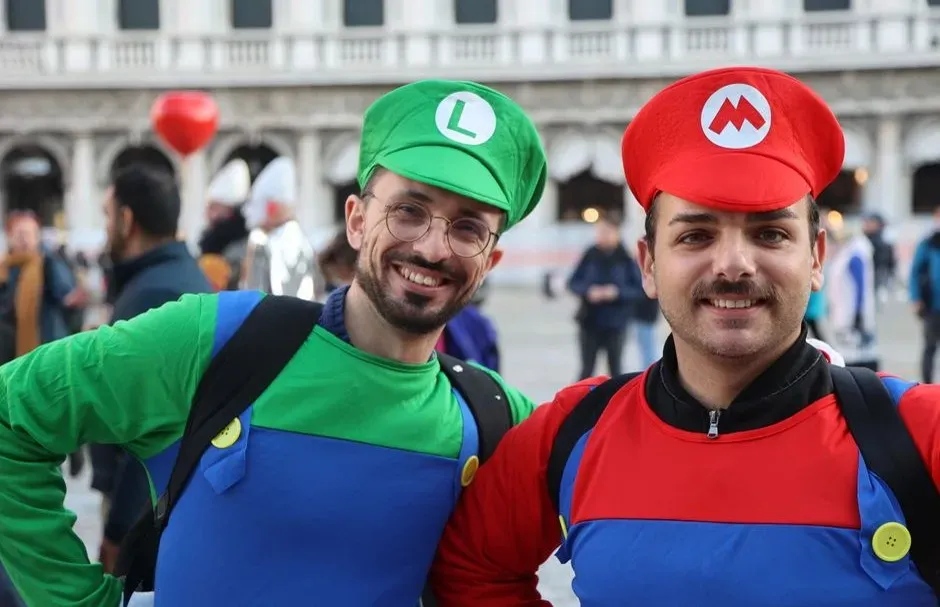
Illumination’s attempt at translating the adventures of the iconic jumping plumber into the silver screen left critics indifferent, giving it a 59% score, while audiences and their impressive 95% score were much more receptive. Colorful, breezily paced, and filled to the brim with Easter eggs that Nintendo fans were delighted to see, the film certainly earned its rightful place in the hearts of families around the world, even if critics found the writing too hollow to enjoy.
One of the turning points in proving the financial upside to taking classic video game characters and putting them on the big screen came with the smash hit The Super Mario Bros. Movie. It was a resounding success for Nintendo and Illumination Entertainment, bringing in over a billion dollars at the box office. That gap between the critic score and the audience score, nearly 36 percentage points, remains one of the widest recorded for a major studio release in recent memory.
Mamma Mia! (2008)

The critics’ main dislikes of the film were in regard to its storyline, blasting it as tacky, cliché, directionless, and irrelevant. One thing most critics agreed on is that the music, which consists of all ABBA cover songs, is performed excellently by the cast. Most even said the music is the only saving grace for the film. The reviews ranged from indifferent to outright dismissive.
The audience’s opinion was worlds apart from the critics’ opinion. Fans consider it something of a modern classic, with great performances, an amazing cast, enjoyable humor, and a lighthearted tone. It seems that fans enjoy this movie for what it is, while critics wanted more out of it. The film went on to gross over $600 million worldwide against a relatively modest budget, spawning a sequel a decade later that performed similarly well with audiences.
Jurassic World: Fallen Kingdom (2018)

The first sequel to Jurassic World continued the financial success of the dinosaur-laden franchise, bringing in more than a billion dollars and proving that audiences were still eager to see prehistoric beasts on the big screen. However, critics were far more critical this time, negatively reviewing the film for its wooden characters and hollow themes. The shift in tone toward gothic horror elements in the second half particularly divided professional reviewers.
Jurassic World: Fallen Kingdom did very well at the box office, breaking the billion-dollar mark and earning the studio far more than it spent to produce the film. The audience appetite for dinosaur spectacle clearly hadn’t dimmed, even if the story logic had grown shakier. Hollywood is an industry whose main goal is to ensure that audiences show affection for a particular film with their purchasing power. So sometimes, even when the critical reception to a movie is quite poor, a film becomes a resounding success at the box office.
Where the Crawdads Sing (2022)

Where the Crawdads Sing has a near-perfect rating from audiences, while critics gave it a surprisingly low score, with a rating more befitting of a low-budget slasher than a mystery drama. Critics were particularly harsh on the film for what they deemed to be “tonally incoherent,” arguing the story was too shallow and cliché, not leaving much mystery to be solved. The source novel by Delia Owens was a publishing phenomenon, which likely shaped how fiercely fans defended the adaptation.
In genre-heavy or high-concept films like Where the Crawdads Sing, the divide becomes even clearer: critics focus on narrative logic or execution, while audiences respond to the emotional idea at the center of it. That emotional core, a story of survival, loneliness, and nature, resonated deeply with readers who came in already attached. The film grossed well above its production budget, proof that a devoted readership can carry a movie past even the harshest reviews. There’s no clean resolution to the gap between critics and audiences. What you end up with isn’t just disagreement over individual movies, but a deeper split in what people think movies are for. It’s always been true that critics and audiences don’t perfectly align. That tension, far from being a problem, might actually be one of the more interesting things about cinema.
Partner offer
Planning a trip to Vegas?
Compare hotel rates and show tickets on VEGAS.com.