Box office numbers have never been a reliable measure of greatness. Some of the most technically innovative, emotionally resonant, and culturally enduring films in history walked into theaters, quietly died, and then spent years clawing their way back into conversation. What’s striking isn’t just that it happened, but how often it happened to films we now treat as sacred texts of cinema.
The reasons vary: bad timing, hostile press, studio interference, confused audiences, or simply a film that arrived before the world was ready for it. Not every legendary movie was considered a success immediately. Some films received bad reviews, weak box office numbers, or confused audiences when they first came out. Over time, however, they gained recognition through word of mouth, changing cultural trends, or later generations discovering them in a completely different context. These ten films are proof of exactly that.
1. Citizen Kane (1941)

In May 1941, it premiered in a New York cinema and was a box-office bomb. Now, 85 years later, Citizen Kane is considered by many to be the greatest film ever made. The black-and-white film by Orson Welles, who was just 25 at the time, tells the story of fictional media mogul Charles Foster Kane, in whom contemporaries believed they could easily recognise media magnate William Hearst.
One of the main reasons for the low box office numbers was media tycoon William Randolph Hearst. When Hearst discovered that Charles Foster Kane’s story was an unfavorable and loose adaptation of his life, he banned any mention of Citizen Kane and Orson Welles in all of his newspapers and radio networks across the country. This resulted in fewer theaters agreeing to screen Citizen Kane. Citizen Kane is now frequently cited as the greatest film ever made, and for 40 years it stood at number one in the British Film Institute’s Sight and Sound decennial poll.
2. Blade Runner (1982)
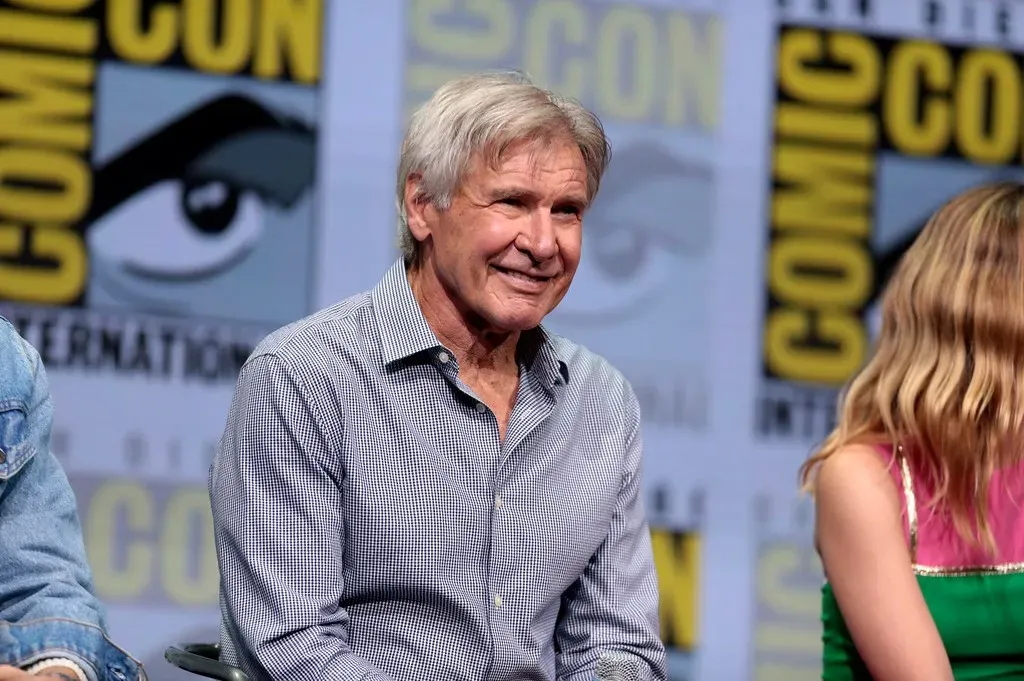
Now considered a seminal achievement in cyberpunk sci-fi cinema, Ridley Scott’s Blade Runner stumbled out of the blocks in 1982. Made for $30 million, the film barely broke even at the domestic box office before grossing $39.5 million worldwide. Early reviews were mixed, and many viewers weren’t sure what to make of its blend of sci-fi noir, corporate dystopia, and philosophical questions. The studio also pushed for a voiceover and a more upbeat ending, which didn’t match director Ridley Scott’s original tone and confused some critics.
In 1992, Warner Bros. released Blade Runner: The Director’s Cut. In this version, Scott removed every bit of the Deckard voiceover, cut out the imposed happy ending, and even added a dream sequence that reshaped the entire story to add ambiguity to Deckard’s own identity. Scott was given another chance to re-edit the film in 2007 with The Final Cut, which mostly contains everything from the Director’s Cut with newly shot effects scenes and other digital changes. In the decades following its theatrical release, the movie surpassed cult classic status to be recognized as one of the most landmark, visionary science fiction films ever made, and since 1993, the film has been preserved in the National Film Registry by the Library of Congress for its cultural relevance.
3. The Shawshank Redemption (1994)
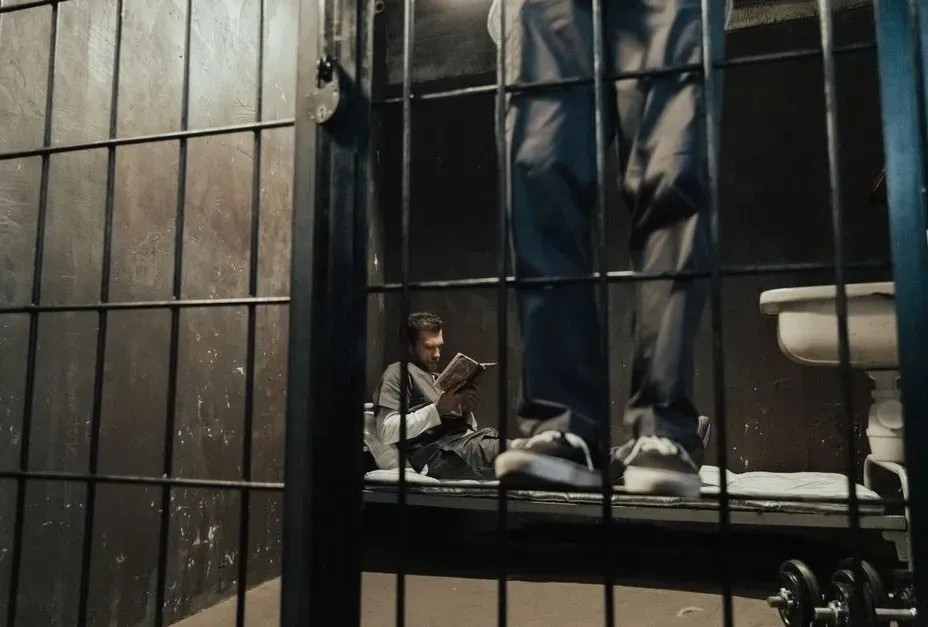
The film faced stiff competition at the box office and the Academy Awards in 1994, contending with Pulp Fiction and Forrest Gump. Despite earning critical acclaim, the film grossed only $16 million during its initial box office run against a budget of $25 million. It seems almost impossible that IMDb’s number one movie on its Top 250 highest-rated films of all time list, with a score based on millions of user votes, could have faced any backlash that positive word of mouth could not overcome. Still, it happened, with many citing the movie’s title as a problem.
The Shawshank Redemption fared slightly better upon a theatrical re-release following its Oscar nominations; however, the film did not truly gain momentum until its home video release. Mostly through positive word of mouth, it became one of the nation’s top video rentals of 1995. A television deal with Turner Broadcasting System further increased the film’s popularity. The film now ranks among the most beloved films of all time, holding the highest user score on IMDb since 2008.
4. It’s a Wonderful Life (1946)
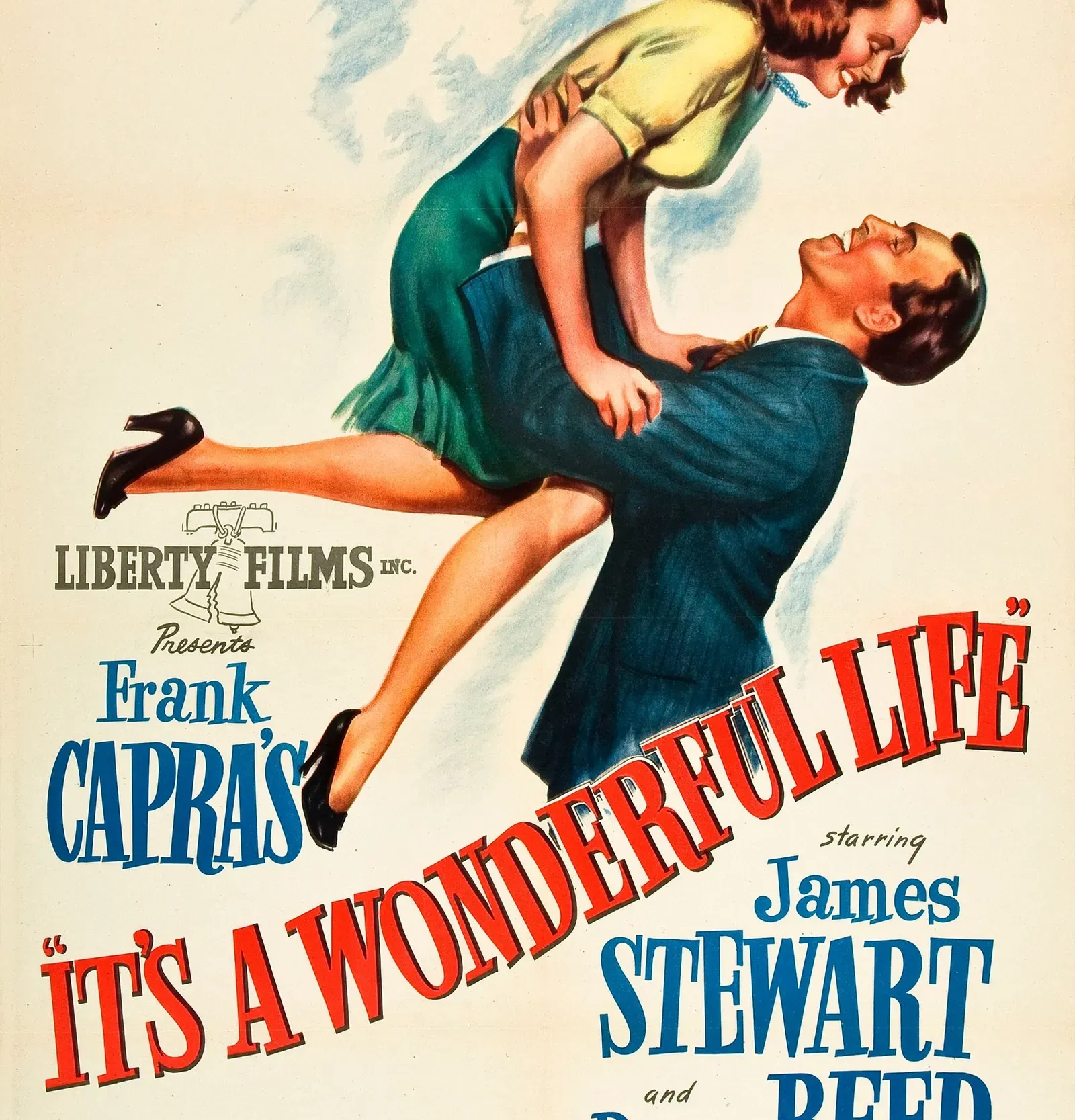
Despite having alright reviews and five Oscar nominations including one for Best Picture, It’s a Wonderful Life lost money because audiences were more drawn to lighter films after World War II. The movie was produced by Frank Capra’s Liberty Films and distributed by RKO Pictures; however, despite having heavy hitters behind it, it failed to recoup its budget. The movie only managed to gross $3.3 million on a $3 million budget, far short of breaking even, and ended up signaling a decline in the career of director Frank Capra.
For years, the movie was mostly forgotten – until a legal oversight changed everything. In 1974, the studio failed to renew the film’s copyright, which meant it fell into the public domain. Because of that, TV stations could air it for free, and they started showing it constantly during the holidays. New viewers helped the movie to gain critical appreciation, and nowadays the story of George Bailey is frequently ranked as an all-time American cinematic classic.
5. The Thing (1982)
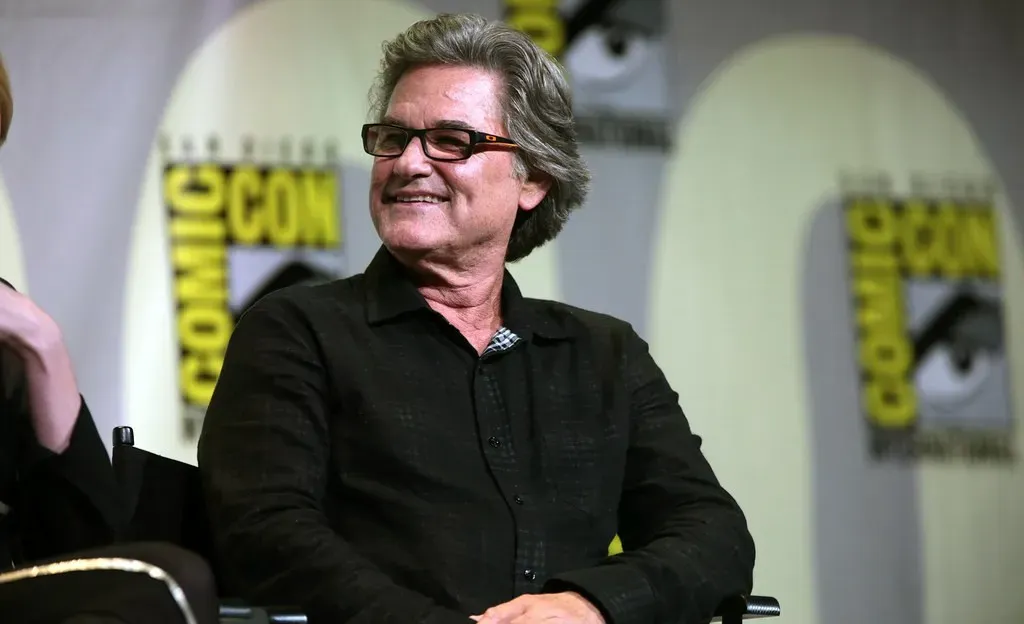
The Thing was a critical and box office bomb, only bringing in $19.6 million on a $15 million budget. In retrospect, it was probably a victim of timing. The alien movie genre in the early 1980s was dominated by Spielberg-esque feel-good stories, something that The Thing very much isn’t. It’s hard to believe critics didn’t love director John Carpenter’s The Thing when it hit theaters in 1982. Maybe it was because the alien-themed story was a dark, violent film released just two weeks after the beloved family-friendly E.T., which general audiences clearly indicated as more palatable with the power of their wallets.
That film has not been re-tooled, edited, or significantly altered from its original theatrical release. The version hailed as a masterpiece is the same one that played in cinemas in 1982. The film did not change, the culture around it did. Its groundbreaking special effects and intense atmosphere eventually found an appreciative audience. Over the years, horror aficionados have praised its suspenseful storytelling and claustrophobic setting, transforming it into a cult classic that’s now considered one of the best horror films of all time.
Partner offer
6. Fight Club (1999)

The studio wasn’t sure how to market Fight Club, so the ads leaned on dark humor and slick visuals without really explaining what the movie was about. Critics were split, and audiences didn’t rush out to see it, which led to a disappointing box office run. The movie itself had a sharp point of view about consumer culture, identity, and anger that stuck with the people who did see it. Just like multiple movies that are now classics, Fight Club wasn’t a huge hit, box office-wise, making $101 million with a $63 million budget, but its cult status exists to this day.
Fight Club became a huge hit when it came out on DVD. The disc became a must-own item, helped by its packed special features and the strong home-video market of the time. It was the DVD that made the film into a cultural touchstone. Fight Club is one of the few films considered better than its inspirational book by most viewers, with even author Chuck Palahniuk admitting that the movie is superior to his original story.
7. The Big Lebowski (1998)

The Coen brothers’ film was not a huge hit upon release. Despite being their follow-up to the award-winning thriller Fargo, the 1998 crime comedy failed to capture audience attention. The Big Lebowski is another example of a movie discovered through TV airings and the video rental market, with Jeff Bridges becoming synonymous with the character of The Dude to this day. The Big Lebowski burned in the face of its competition when it premiered, taking on James Cameron’s Titanic and making only $46 million against a $15 million budget.
The absurd crime caper has cultivated one of the most unique fan bases, with its own festivals called Lebowski Fest, where attendees cosplay, bowl, and drink White Russians. The Big Lebowski was also the impetus for Dudeism, a real religion based on The Dude’s chill vibes, leaving an indelible mark on the world after failing to impress at the box office. It’s possible that all the things that make The Big Lebowski great, the odd but memorable characters, the unusual plot, and offbeat sense of humor, were also the reasons people didn’t catch it in theaters.
8. Children of Men (2006)
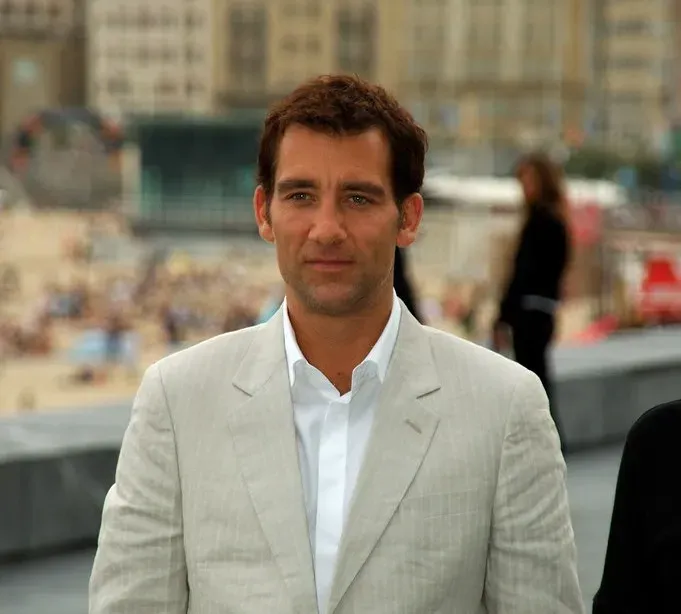
A bleak, dystopian tale, Alfonso Cuarón’s Children of Men is one of the most fantastic alternate future films ever conceived. In a world in which infertility has resulted in a slow, gradual extinction of the human race, a lone bureaucrat is given charge of the only living pregnant woman in the world. Children of Men’s haunting cautionary tale apparently didn’t resonate with general audiences, earning only $70 million against a budget of $76 million.
Children of Men was initially considered a failure at the box office but has since garnered a dedicated fan base and critical recognition. Its long, unbroken tracking shots, particularly the harrowing battle sequence filmed in a single take, are now routinely cited in film school discussions and studied as landmarks in modern cinematography. The film has aged into something that feels almost prophetic, its themes of migration, despair, and fragile hope landing harder with each passing year.
9. Idiocracy (2006)
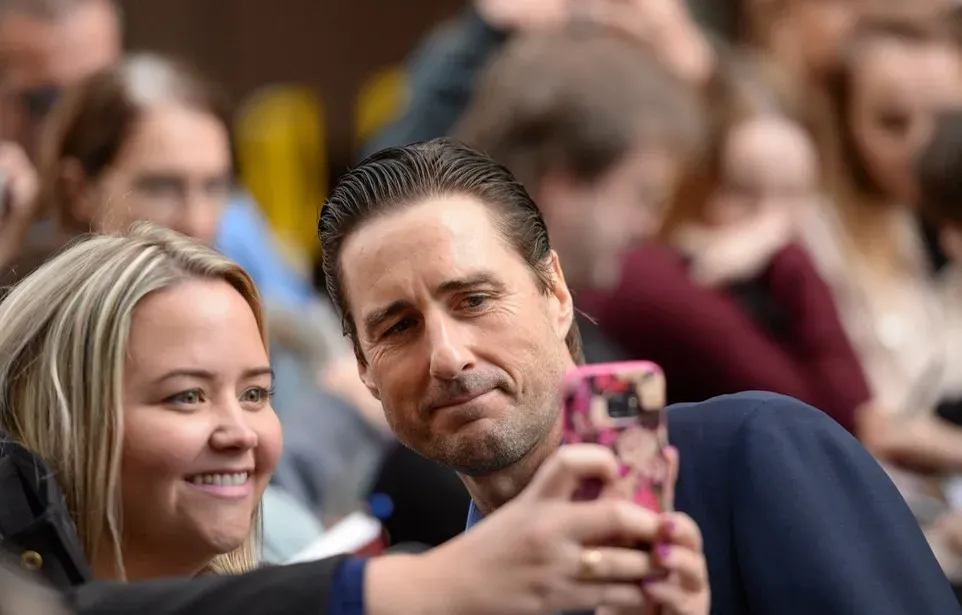
Mike Judge might be known for his animated series like King of the Hill or Beavis and Butt-Head, but the live-action 2006 film Idiocracy is arguably his magnum opus. When an unremarkable soldier is flung into the far future, he makes the terrifying realization that he’s now the smartest man in a broken, stupid world. Audiences in 2006 didn’t get Idiocracy, gifting it a pitiful $500,000 box office haul. Grossing just under $500,000 on a $2.4 million budget, the film gained more attention on home video and TV.
When the movie was released on TV and DVD, comedy fans discovered it and elevated it to cult status. Mentions of the film skyrocketed again during the 2016 US election, with the screenwriter tweeting that he never expected it to become a documentary. Its relevance is continually being referenced, with the idiotic dystopian future looking more and more familiar. In 2026, the film’s satire lands less like fiction and more like a progress report.
10. Speed Racer (2008)
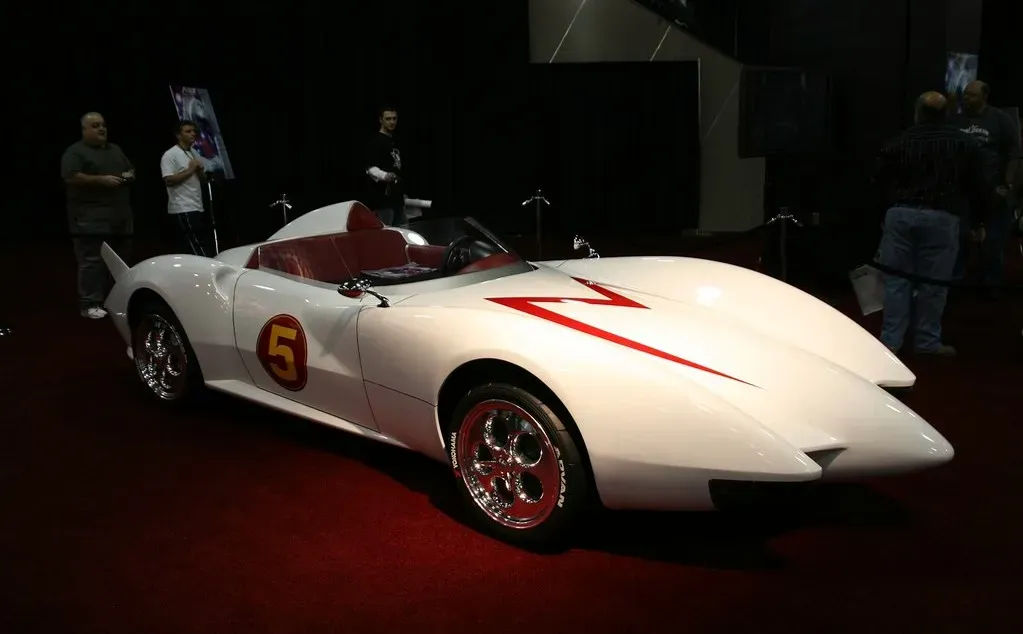
Speed Racer was a visual spectacle that cost $120 million to make but brought in only $93 million. At first, critics panned its cartoonish look and hyperactive editing. However, as tastes changed, so did opinions about the film. Fans now celebrate its bold colors, innovative special effects, and energetic storytelling. An awe-inspiring foray into digital photography and visual effects, the Wachowskis broke all cinematic conventions by converging anime, manga, and video game aesthetics into a familiar sports movie arc.
Without anyone realizing, contemporary cinema has been trying to copy what Speed Racer laid out, with immersive CGI landscapes and assaults on human senses being the norm for average moviegoers. The film is now regularly name-dropped by a new generation of directors as a direct visual influence. The movie’s transformation from bomb to beloved is a testament to the power of creative risk-taking.
What connects all ten of these films isn’t just a shared commercial failure. It’s the fact that each one held something genuinely original, something the marketplace simply wasn’t equipped to receive at the time. The box office measures appetite, not quality. And appetite, as it turns out, can take decades to develop.
Partner offer
Planning a trip to Vegas?
Compare hotel rates and show tickets on VEGAS.com.