Hollywood loves a tidy origin story, yet the path to an Oscar winner is often messier than the trophy suggests. Before a film becomes a landmark, it usually passes through several sets of hands, and some of those hands say no.
The seven cases below all involve directors who passed on, or stepped away from, films that later took the top prize at the Academy Awards. Their reasons range from scheduling and personal history to plain lack of interest.
Sergio Leone and The Godfather

Paramount went looking for a director for Mario Puzo’s crime saga, and Sergio Leone was among the first to be approached. Leone turned down the option to work on his own gangster film, Once Upon a Time in America. He reportedly wanted to deconstruct the Hollywood gangster myth in a way The Godfather wouldn’t have allowed.
The choice carried a cost. Once Upon a Time in America didn’t reach theaters until 1984, twelve years after The Godfather arrived. Meanwhile, The Godfather won Best Picture at the 45th Academy Awards, and Brando won Best Actor.
Peter Bogdanovich and The Godfather
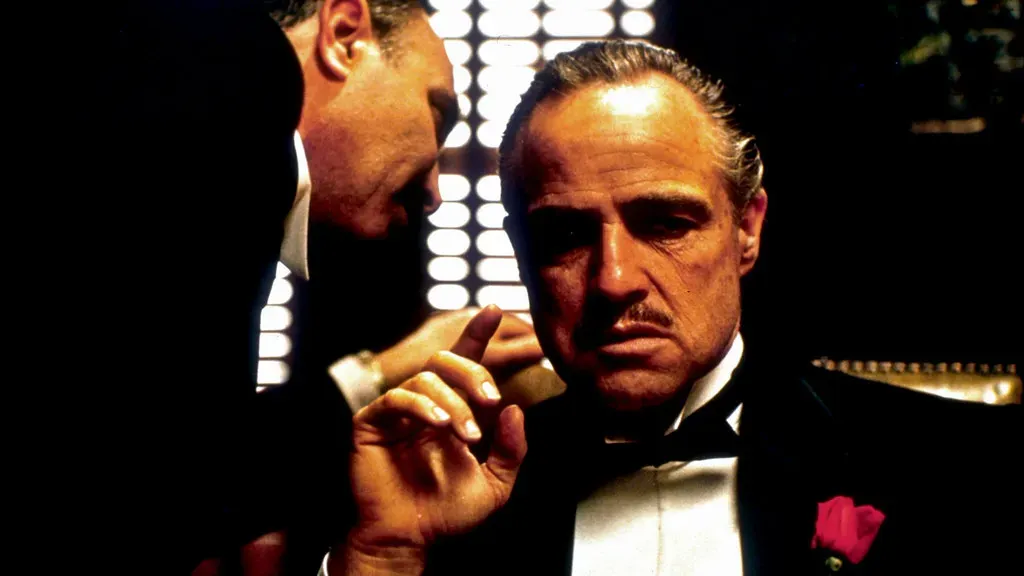
Paramount’s next call went to Peter Bogdanovich, and his answer was even quicker. He declined because he was not interested in the mafia. The subject matter simply didn’t appeal to him.
Reports say he brushed the offer off so casually that he didn’t realize it was The Godfather until about a decade later. He was also not alone. Peter Yates, Richard Brooks, Arthur Penn, Franklin J. Schaffner, Costa-Gavras and Otto Preminger were all offered the job and declined.
Roman Polanski and Schindler’s List

Steven Spielberg wasn’t sure he was ready to direct Schindler’s List himself, so he looked for someone else. He first approached Roman Polanski, who declined, though Polanski later made his own Holocaust film, The Pianist. The reason was deeply personal.
Polanski had lived through the Kraków ghetto, and his mother was killed at Auschwitz. Years later he reflected that he couldn’t have been as objective as Spielberg was. The Pianist earned him a Best Director Oscar in 2003.
Partner offer
Martin Scorsese and Schindler’s List
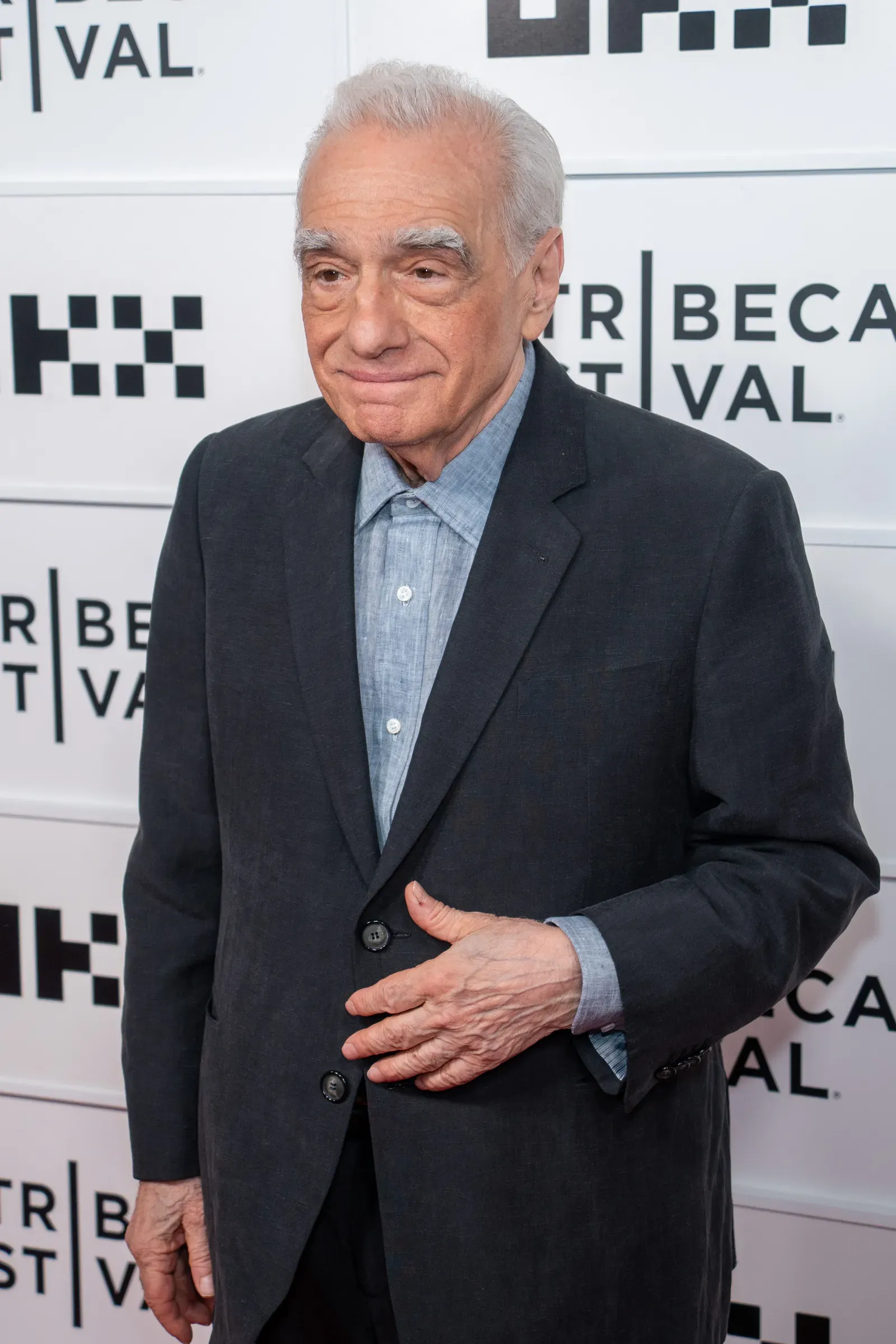
Martin Scorsese’s case is a little different, because he said yes first. He signed on to direct Schindler’s List in 1988. Accounts differ on why he let go, though one common explanation is that he felt a Jewish director should tell the story.
Spielberg, meanwhile, had realized he wanted the film after all. He offered Scorsese the chance to make the Cape Fear remake instead, at the price of handing the Schindler project back. Scorsese agreed, and Spielberg went on to win his first Best Director Oscar for the film.
Terry Gilliam and Forrest Gump

Forrest Gump had a crowded waiting room of directors before it found its filmmaker. Ivan Reitman, Penny Marshall and Terry Gilliam passed on the project before Robert Zemeckis was hired. Barry Sonnenfeld was also attached for a time, but he left to direct Addams Family Values.
Zemeckis turned out to be the right fit. The film became the top grossing release in the United States that year and earned over 678 million dollars worldwide against a 55 million dollar budget. It also beat The Shawshank Redemption and Pulp Fiction at the 67th Academy Awards.
Steven Spielberg and Rain Man

Even Spielberg has been on the other side of this list. Rain Man was a difficult project that went through several directors. Spielberg was brought in to replace Martin Brest and address script problems, but Sydney Pollack took over after Spielberg bowed out.
Turner Classic Movies notes that Spielberg eventually passed to work on Indiana Jones and the Last Crusade. Barry Levinson then took over. The film won Best Picture, Best Director, Best Actor for Hoffman and Best Original Screenplay.
William Wyler and The Sound of Music
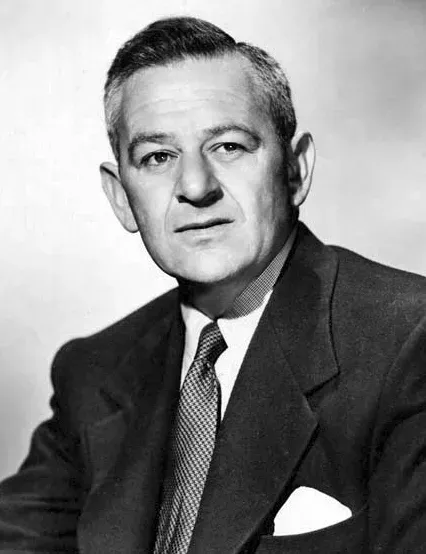
William Wyler, one of Hollywood’s most decorated directors, was once the man in charge of The Sound of Music. He was a Swiss German Jew who had won three Best Director Oscars, and he was originally assigned to the film. He reportedly pictured a version with far more Nazi imagery in the final stretch.
He eventually walked away. Wyler decided to direct the psychological thriller The Collector instead, and Robert Wise came onboard. The results were split at the 38th Academy Awards: The Sound of Music won Best Picture and Wise won Best Directing, while Wyler was nominated for The Collector.
Partner offer
Planning a trip to Vegas?
Compare hotel rates and show tickets on VEGAS.com.