Reviews and sales don’t always point the same way. Some books get a pile of unkind notices on release day and still end up on nightstands, beach bags and library hold lists for years.
The four novels below fit that pattern. Each drew harsh criticism, mostly aimed at the prose, the politics or the plotting, and each found an audience that didn’t much care. The claims are kept to well documented ones, and the sales figures are broad estimates, not exact counts.
The Da Vinci Code by Dan Brown

Dan Brown’s 2003 thriller followed a Harvard symbologist through a chase across Paris and London. Many reviewers were unimpressed by the writing. Complaints about flat dialogue and clunky sentences followed the book for years.
Readers kept turning pages anyway. The novel has sold well over eighty million copies worldwide, according to widely cited publishing figures. It also spawned a 2006 film, a run of sequels featuring the same hero, and a lasting habit of guided tours built around its locations.
Twilight by Stephenie Meyer
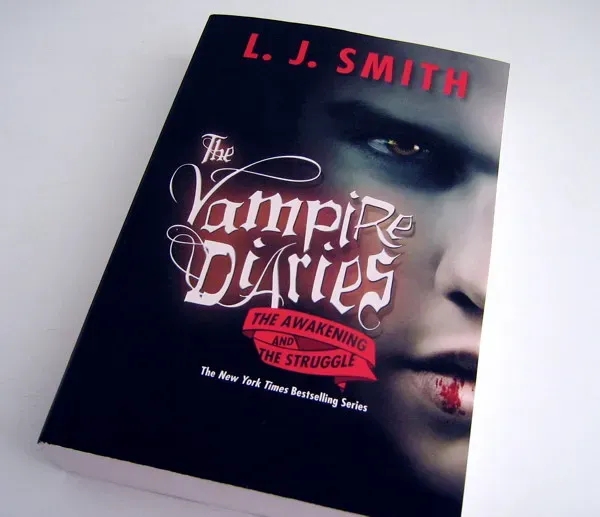
Twilight arrived in 2005 as a young adult romance about a teenage girl and a vampire. Critics were divided, and a fair number found the prose repetitive and the central relationship troubling. Those objections have stayed part of the conversation ever since.
Partner offer
The series sold in the region of one hundred sixty million copies across its books, based on figures reported by its publisher and major news outlets. Its readers never really left, either. Meyer’s 2020 release of Midnight Sun, which retold the first book from the vampire’s side, showed how much appetite was still there fifteen years on.
Fifty Shades of Grey by E. L. James

This one began as fan fiction inspired by Twilight before it was reworked and published as a novel in 2011. Reviewers were often blunt about the writing, and the book became a frequent target of parody. Even so, the conversation around it was hard to avoid.
The trilogy has sold more than one hundred fifty million copies worldwide, as reported by its publisher and the press. It was translated into dozens of languages and adapted into a film series. Much of its early momentum came from word of mouth and e-readers, which let people read it without a cover to explain.
Atlas Shrugged by Ayn Rand

Ayn Rand’s 1957 novel was met with widespread hostility from reviewers. Many objected to its length, its lecturing tone and its philosophy. It was not the kind of debut that suggests a long shelf life.
Yet the book has stayed in print for nearly seven decades. It remains a steady seller, and its ideas keep resurfacing in political debate, which keeps new readers arriving. Whether people love it or argue with it, they keep picking it up.
Partner offer
Planning a trip to Vegas?
Compare hotel rates and show tickets on VEGAS.com.