Most famous books weren’t written in bursts of inspiration. They were built one ordinary morning at a time, often by people who treated the desk like a workplace with fixed hours.
The eight writers below worked very differently. Some counted words, some counted hours, and one rented a hotel room just to keep the day in order. What they share is a belief that showing up on schedule matters more than waiting to feel ready.
Haruki Murakami


Murakami has described a routine that sounds almost athletic. When he’s working on a novel, he gets up around four in the morning and writes for roughly five or six hours. He’s said this in interviews and in his memoir about running.
The afternoon belongs to the body. He runs about ten kilometers or swims, then reads, listens to music, and goes to bed around nine. He’s explained that he repeats this daily with little variation, treating the repetition itself as part of the work.
Stephen King

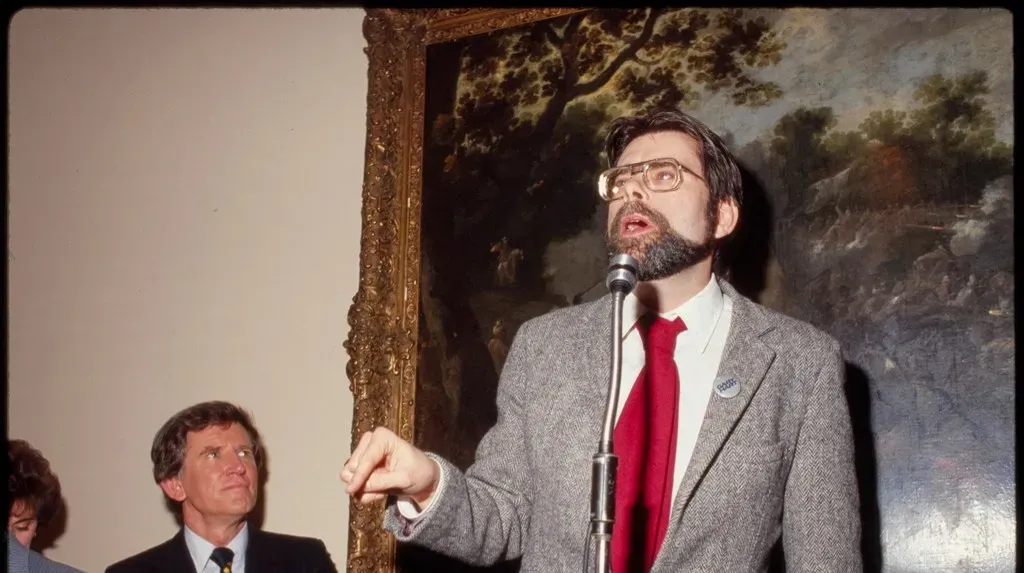
King sets a daily quota, and he laid it out in his craft memoir, On Writing. His target is about two thousand words a day, which he has described as roughly ten pages. He prefers to do it in the morning, with the door closed and distractions kept to a minimum.
He also writes that he rarely takes a day off, even on holidays. A first draft, in his view, should take about three months, close to the length of a season. The steady quota is how a very long book gets finished that quickly.
Maya Angelou

Angelou kept her writing away from home. She rented a small hotel room and arrived early in the morning, usually around half past six. She asked staff to remove the art from the walls so nothing pulled at her attention.
She worked there until early afternoon, using a legal pad, a deck of cards, a Bible, a dictionary, and a thesaurus. Then she went home and read over what she’d written. She has said the room gave her a clear boundary between writing time and everything else.
Ernest Hemingway

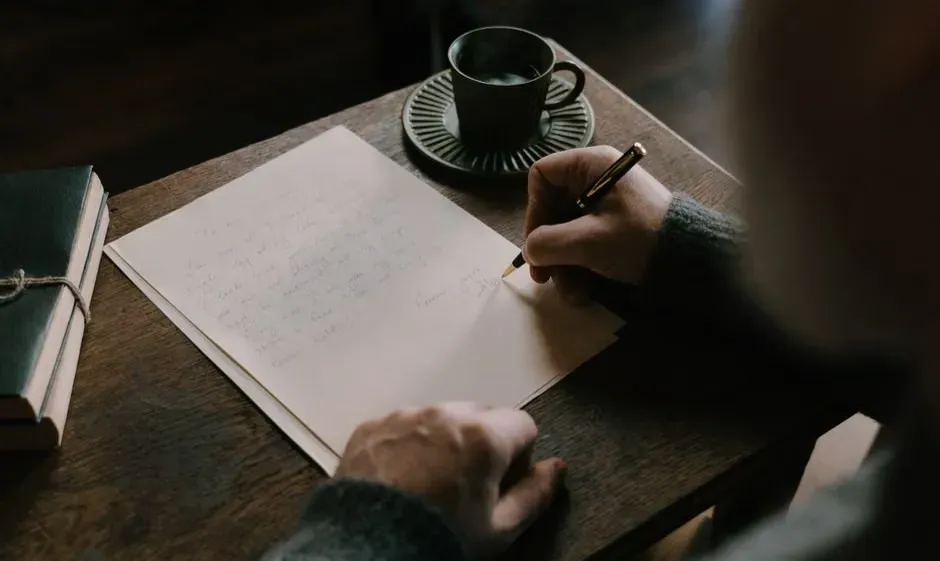
Hemingway wrote at first light and said he liked the quiet and the cool of early morning. He worked standing at a tall surface in some periods of his life, a habit often noted by biographers. He would reread his pages from the start each day and then keep going.
Partner offer

He also tracked his progress. He kept a record of his daily word counts, and he tried to stop while he still knew what came next, so the next morning would start easily. It’s a small trick, but it explains how he avoided staring at a blank page.
Anthony Trollope


Trollope wrote around forty-seven novels while holding a demanding job at the British Post Office. He explains his method in his autobiography. He rose early, around half past five, and wrote for about three hours before heading to work.
He set a pace of around two hundred and fifty words every quarter of an hour, and he watched the clock to keep to it. If he finished a novel before his time was up, he began the next one right away. His output shows what a rigid habit can produce without a full-time writing career.
Toni Morrison

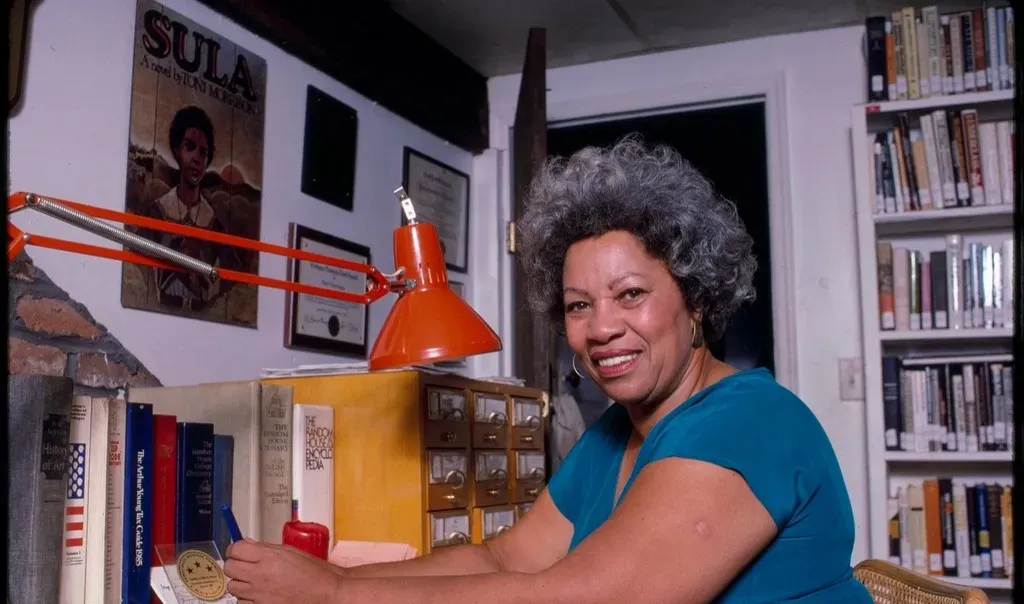
Morrison wrote while holding a full-time editing job and raising two sons. Because of that, her best hours came before dawn, and she’s described getting up while it was still dark. She also talked about a small ritual of watching the light arrive before she began.
She treated that ritual as a way of entering the work. Later in life she had more flexibility, yet she remained an early riser. The pattern started out of necessity, but it became a personal method she returned to.
Jack London


London committed to a daily target of one thousand words, and writers have been citing it for more than a century. He worked in the morning, finishing his count before turning to other activities. Biographers note that he held to this even when he was traveling.
His goal was modest enough to hit every day, which made it sustainable. Over a career of roughly sixteen years, he produced dozens of books along with many stories and articles. The lesson from his pace is that small numbers add up when they never stop.
Octavia E. Butler

Butler wrote in the early morning hours, often rising well before most people, and she treated writing as a daily discipline long before she earned a living from it. She worked other jobs while she built her career, including early shifts, so she fit her writing around them. Interviews and archived notes show how committed she was to the habit.
Her papers, held at the Huntington Library, include handwritten notes to herself about goals and persistence. They show someone who planned her career on paper and returned to the page daily. Her science fiction, including Kindred and Parable of the Sower, came out of that steady effort.
Partner offer
Planning a trip to Vegas?
Compare hotel rates and show tickets on VEGAS.com.