Publishing loves a myth of pure talent rising on its own. The truth is messier. Careers get made through timing, inheritance, and sometimes the sheer luck of being second in line when a bigger name says no or simply can’t finish the job. The eight stories below share a common thread: a project, a series, or a literary legacy needed someone, and the person everyone expected to take it on wasn’t available. What happened next turned relatively unknown writers into household names, and in a couple of cases, into literary legends whose work has outlasted the person they replaced.
1. Mary Shelley and the ghost story challenge that became Frankenstein
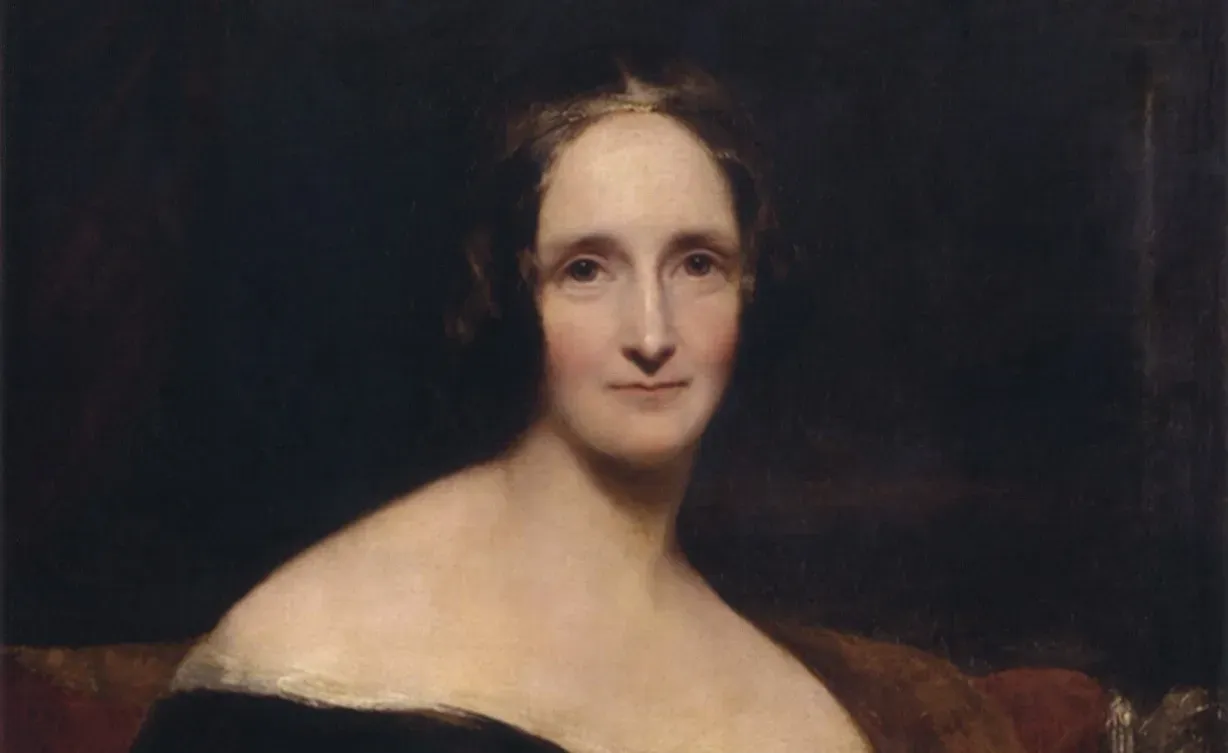
In the summer of 1816, Lord Byron proposed a ghost story writing contest during a rainy stay at Villa Diodati in Switzerland. Byron himself started a vampire tale but abandoned it after a few pages, losing interest almost as quickly as he’d picked it up. Percy Shelley made an attempt too, and his effort went nowhere as well.
Mary Shelley, then eighteen and unpublished, was the one who actually finished what she started. Her contribution grew into Frankenstein, published anonymously in 1818, and it eventually eclipsed the reputations of the famous men who’d given up on their own entries. The dropout, in this case, wasn’t a single decision but a slow fade of interest from two literary giants, which left the field wide open for the person willing to see the work through.
2. John Polidori and the vampire story Byron left behind
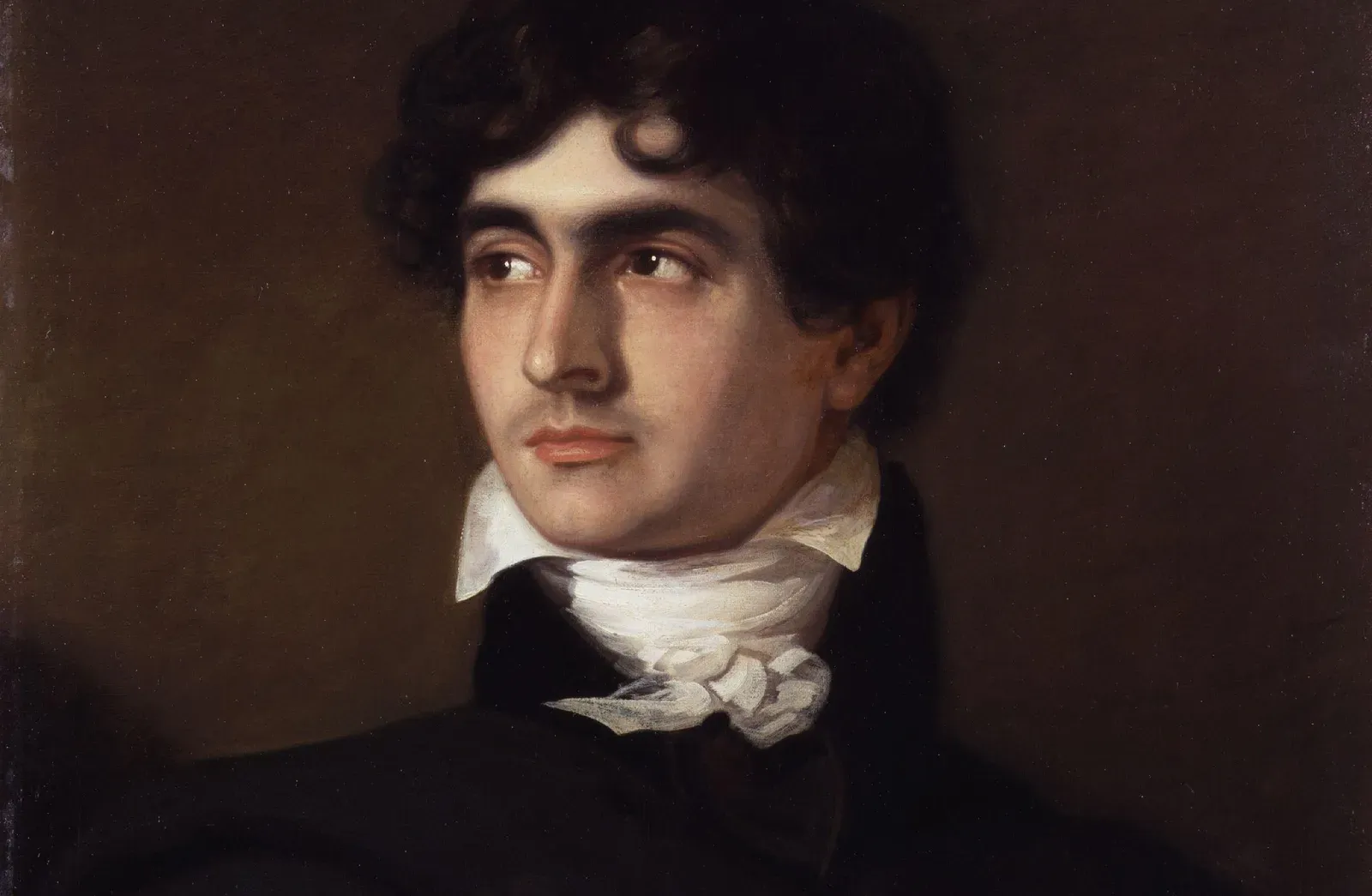
Byron’s abandoned vampire fragment from that same Villa Diodati summer didn’t disappear. His personal physician, John Polidori, took the discarded idea and shaped it into “The Vampyre,” a short story that helped define the modern vampire archetype decades before Bram Stoker’s Dracula arrived on shelves. Polidori published it in 1819, and for a while it was even mistakenly credited to Byron himself.
Once the true authorship came out, Polidori got his due as the writer who essentially invented a genre convention from someone else’s unfinished scraps. His career afterward was short and difficult, but “The Vampyre” remains a fixture in horror literature history. It’s a clean example of an author’s fame resting entirely on a project another writer walked away from.
3. Brandon Sanderson and the ending of The Wheel of Time
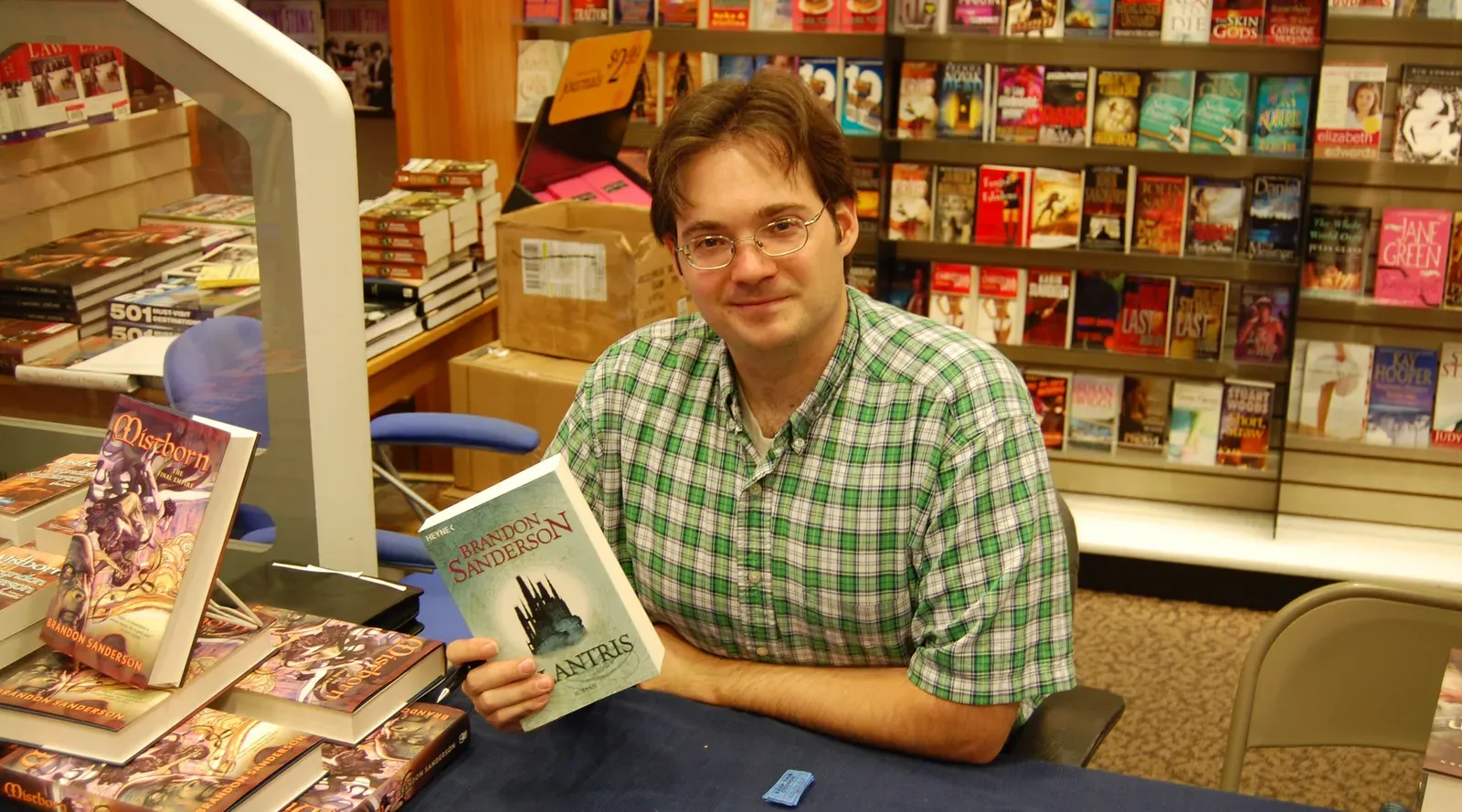
When Robert Jordan died in 2007 with his sprawling Wheel of Time series unfinished, the fantasy world buzzed with speculation about who could possibly close out one of the genre’s biggest sagas. People were talking about asking A Song of Ice and Fire author George R.R. Martin to do the job. That never happened, and according to Sanderson himself, Martin “would have turned it down absolutely” and it “wouldn’t have been appropriate to put him in that position,” which is part of why the publisher mostly looked at newer authors whose careers could handle the disruption.
Jordan’s widow and editor, Harriet McDougal, ultimately made her decision after reading Sanderson’s Mistborn novels. Her mind was already largely made up by that point, since she knew she couldn’t have George. Sanderson went on to write the final three books in the series, The Gathering Storm, Towers of Midnight, and A Memory of Light, bringing the story to a fitting close, and the job transformed him from a rising genre writer into one of fantasy’s biggest names.
4. Eoin Colfer and the sixth Hitchhiker’s Guide book
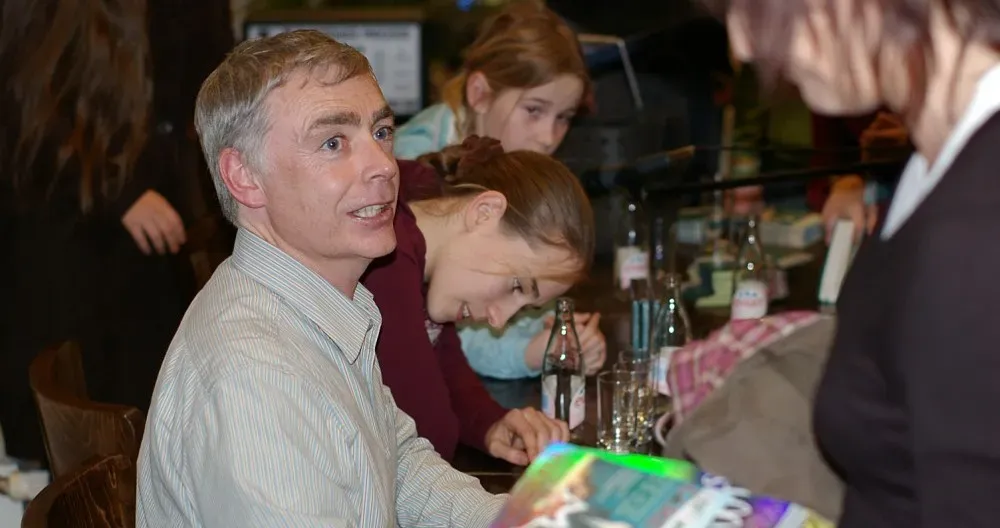
Douglas Adams always intended to write a sixth Hitchhiker’s Guide to the Galaxy novel, wanting to end the series on a less bleak note than 1992’s Mostly Harmless. He died suddenly in 2001 before he ever got the chance. Since Mostly Harmless was a “very bleak book” and he died before writing the sixth installment, his widow, Jane Belson, and the literary agency managing his estate contacted Eoin Colfer to ask him to write it instead.
Colfer, already known for the Artemis Fowl series, published “And Another Thing…” in 2009 to mark the thirtieth anniversary of the original book. Reaction among longtime fans was mixed, with some questioning why a children’s author had been handed such a beloved property. Still, the book sold well and gave Colfer a permanent place in science fiction history as the writer who finished a job Adams never got to start.
5. David Lagercrantz and the continuation of the Millennium series
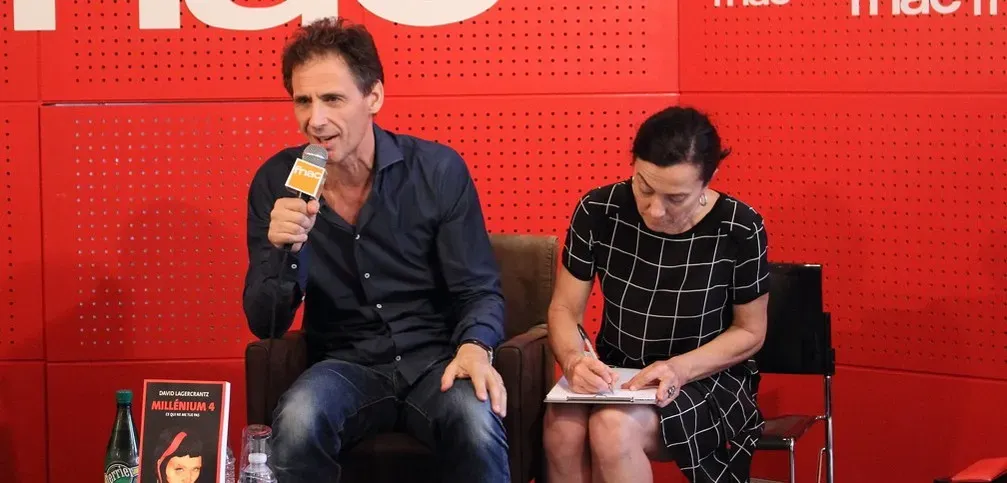
Stieg Larsson died suddenly in 2004, just as his Millennium trilogy, beginning with The Girl with the Dragon Tattoo, was about to become a worldwide phenomenon. He left behind a partially finished fourth manuscript on his laptop, but Swedish inheritance law didn’t recognize his longtime partner, Eva Gabrielsson, as a legal heir since the two were never married. Gabrielsson held the unfinished files and declined to hand them over or complete the book herself, effectively removing herself from continuing the series.
Larsson’s father and brother, who inherited the literary rights, eventually turned to Swedish journalist and author David Lagercrantz to write new installments from scratch. His first Millennium novel, The Girl in the Spider’s Web, arrived in 2015 and became an instant international bestseller. Lagercrantz went on to write several more entries in the series, building a career largely on a gap left open when the person closest to the original author couldn’t or wouldn’t step into the role.
6. Alexandra Ripley and the sequel to Gone with the Wind
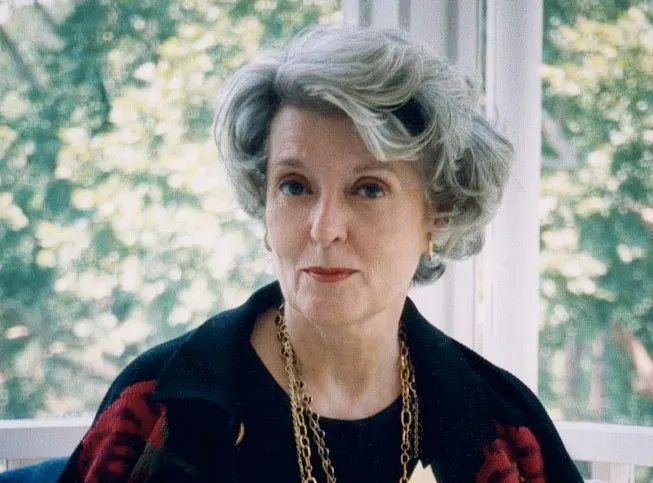
Margaret Mitchell’s estate spent years negotiating who would write an authorized sequel to Gone with the Wind, one of the best selling novels in American history. Several well known novelists were reportedly approached or entered talks during that long search before the project eventually landed with the right fit, a process that stretched on for the better part of a decade. The sheer weight of following a cultural touchstone made plenty of established writers hesitant to take on the risk.
Alexandra Ripley, a historical novelist with a solid but far less prominent career at the time, accepted the commission and delivered “Scarlett” in 1991. The book became a massive commercial success, topping bestseller lists despite mixed reviews, and it turned Ripley into one of the most talked about authors of that publishing season. Her name became permanently tied to a legacy that had passed through other hands before landing on hers.
7. Ted Hughes and the role Philip Larkin turned down
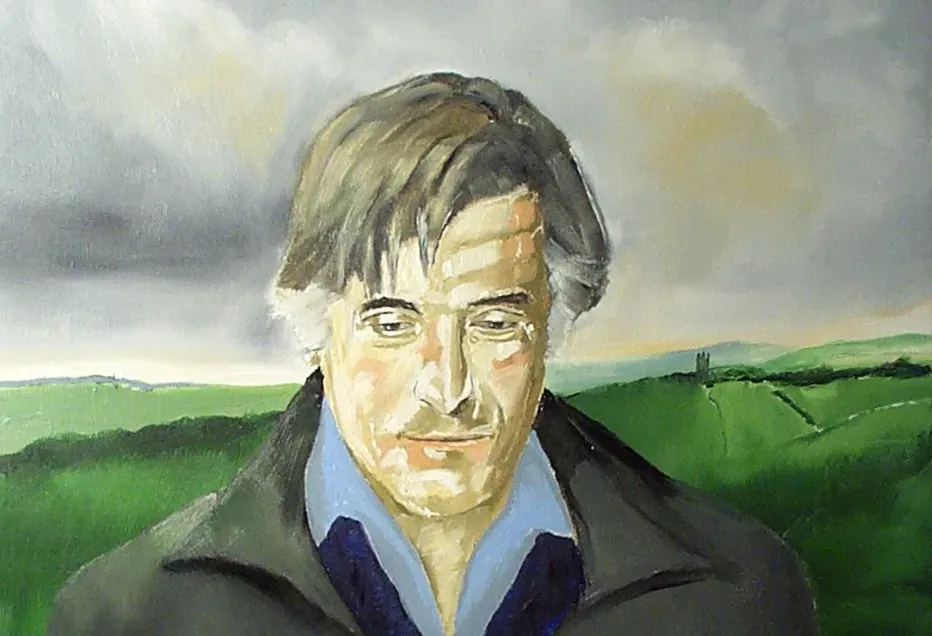
When Britain’s Poet Laureateship became vacant after John Betjeman’s death in 1984, Philip Larkin was widely seen as the natural successor given his stature in English poetry at the time. Larkin declined the honor, reportedly wary of the public duties and ceremonial writing the role demanded, along with concerns about his health. The position needed a new occupant, and the choice fell to Ted Hughes instead.
Hughes accepted and held the Laureateship until his death in 1998, using the role to write occasional verse for royal events while continuing his own celebrated body of work. The appointment cemented his place as one of the defining British poets of the twentieth century, a status that might have looked different had Larkin accepted the post himself. It’s a rare case where a literary rejection quietly reshaped who became the public face of English poetry for over a decade.
8. Andrew Neiderman and the books that kept V.C. Andrews alive

V.C. Andrews built a devoted following with gothic family sagas like Flowers in the Attic before her death in 1986 left an outline and partial notes for future books unfinished. Her publisher needed someone to continue the brand without disrupting the flow of new releases readers expected every year. Ghostwriter Andrew Neiderman was brought in to finish what she’d started and keep the name going.
Neiderman has written the overwhelming majority of books published under the V.C. Andrews name in the decades since, all while staying largely anonymous to the buying public. It’s an unusual kind of fame, since most readers still believe they’re picking up a book by someone who died nearly forty years ago. Even so, within the publishing industry, Neiderman’s ability to sustain a beloved author’s voice long after her death is well recognized and has made him one of the most prolific ghostwriters in modern fiction.
Taken together, these eight stories complicate the idea that great books simply find their perfect author on the first try. Sometimes the manuscript, the series, or the title just needs somebody willing to say yes when the obvious choice says no, or when death, illness, or hesitation removes the original writer from the picture entirely. The result isn’t always a lesser work either, since several of these replacements ended up producing books that readers now treat as essential parts of the very legacies they were once brought in to rescue.