You go to the kitchen, and your dog gets up too. You head to the bathroom, and somehow that door doesn’t count as private anymore. If this sounds familiar, you’re living with what vets and trainers call a “velcro dog,” and it turns out there’s real science behind why your pet treats you like a moving target it’s not willing to lose sight of. The behavior is common enough to have earned its own nickname, but the reasons behind it range from perfectly normal to something worth mentioning at your next vet visit. Understanding the difference can save you a lot of guesswork, and maybe a little worry too.
It’s Rooted in Ancient Pack Behavior

Dogs didn’t invent the habit of sticking close to their group. Wolves are what biologists call obligate social hunters, animals whose survival depends not just on being with others but on coordinated movement with them. That instinct never disappeared when wolves became dogs.
What looks like fondness at the household level is, at the biological level, the expression of a social architecture that predates dogs entirely, one that took shape in pack-hunting wolves long before domestication existed as a concept. Your dog isn’t overthinking it. It’s just doing what its ancestors were built to do.
You’re the Source of Everything Good
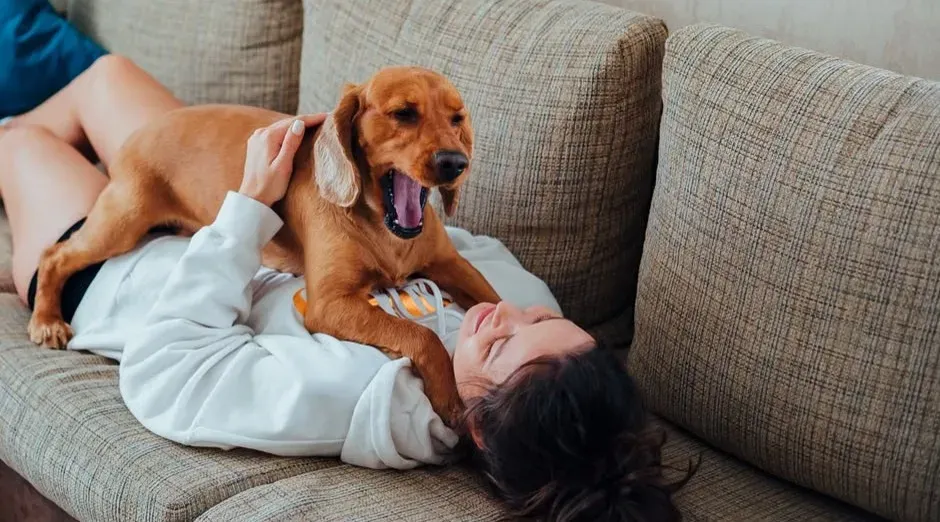
Ask any vet why dogs shadow their owners, and one answer comes up constantly. It usually means your dog sees you as its main source of safety, food, affection, and activity, a bond often nicknamed being a “velcro dog.” That’s not a small thing to a dog. You control the food bowl, the leash, and the couch cuddles.
This isn’t manipulation, it’s association. Many dogs will follow their owners simply because they love them. Over time, being near you becomes linked with nearly every positive experience in their day, so proximity itself starts to feel rewarding.
Breed Really Does Play a Role
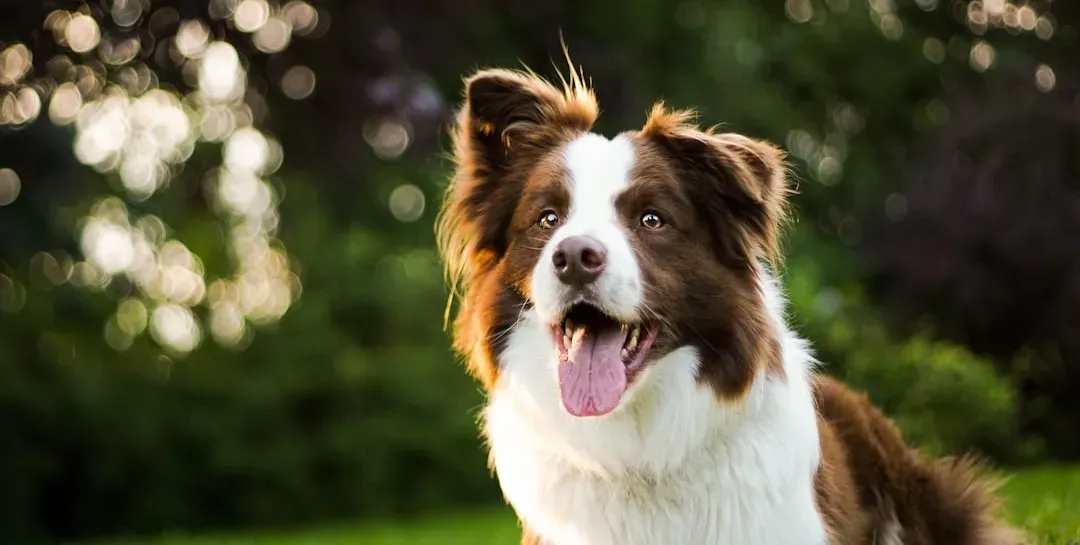
Some dogs are just wired for closeness more than others. It’s not uncommon for certain breeds to over-attach to their owners, including dogs in the Working Group or Herding Group that are bred to work side-by-side with humans. Border Collies, Australian Shepherds, and similar breeds were selected for generations to watch their handler’s every move.
That genetic history doesn’t just vanish because a dog now lives on a couch instead of a farm. It’s a trait that’s prized and bred into their genetic history, according to one veterinary source. If your velcro dog happens to be a herding breed, this is likely a big part of the explanation.
Most of the Time, It’s Simply Normal Affection
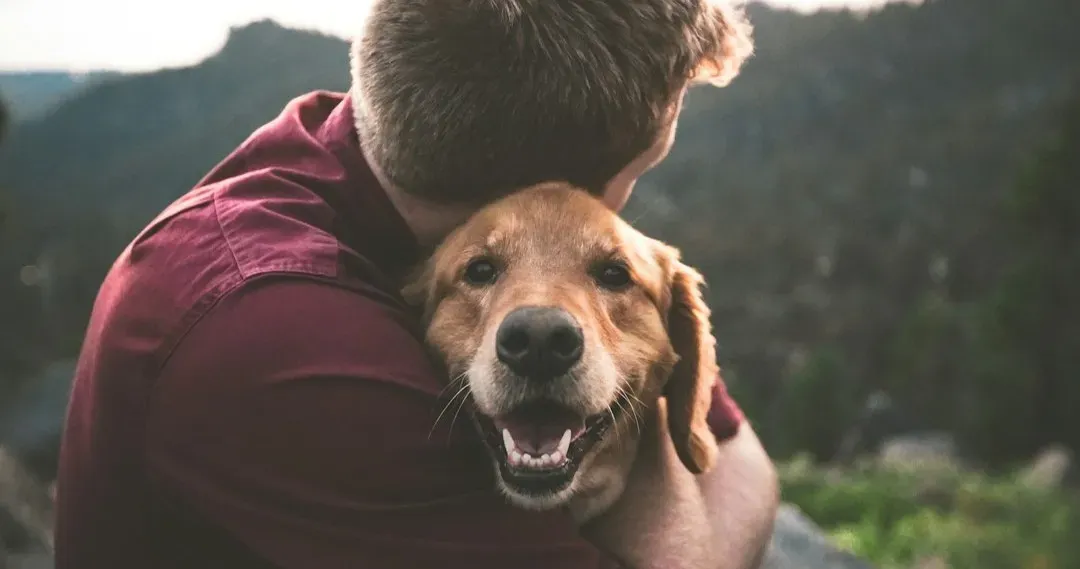
Before assuming something’s wrong, it helps to know that clinginess is usually not a red flag. Velcro dog behavior is a manifestation of the human-dog relationship, and in most cases, it’s considered normal and healthy. Dogs that evolved alongside humans for thousands of years developed a level of social dependence that’s fairly unique in the animal kingdom.
Vets often draw a distinction between happy shadowing and something more troubling. Velcro behavior is happy proximity-seeking while you are present, and the dog is relaxed, settles when you settle, and copes when you leave. If that description fits your dog, there’s little reason for concern.
Sometimes It’s About Attention, Not Just Love
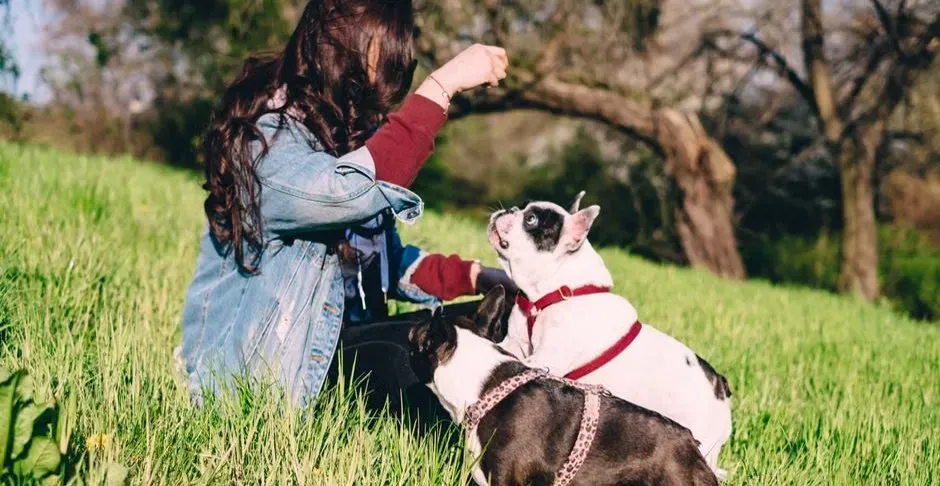
Dogs are quick learners, and they notice patterns in how you respond to them. Dogs pick up on what gets them attention from their owners very quickly, so if you react to your dog following you around with lots of petting and praise, that’s likely why they keep doing it. It’s a feedback loop that builds gradually, often without owners even realizing they’re reinforcing it.
This doesn’t mean the behavior is fake or shallow. It just means some of the following is learned rather than purely instinctive, and that distinction matters if you’re ever trying to adjust the habit.
Curiosity and Boredom Can Be Factors Too

Not every following dog is anxious or starved for attention. Sometimes they’re simply nosy. One reason dogs become clingy is due to lack of mental stimulation, and offering enrichment can help stave off boredom.
A dog with little to occupy its mind will often decide that watching you is the most interesting thing happening in the house. Puzzle toys, scent games, and more structured exercise can sometimes reduce this type of following without addressing anything emotional at all.
Separation Anxiety Is a Different, More Serious Story
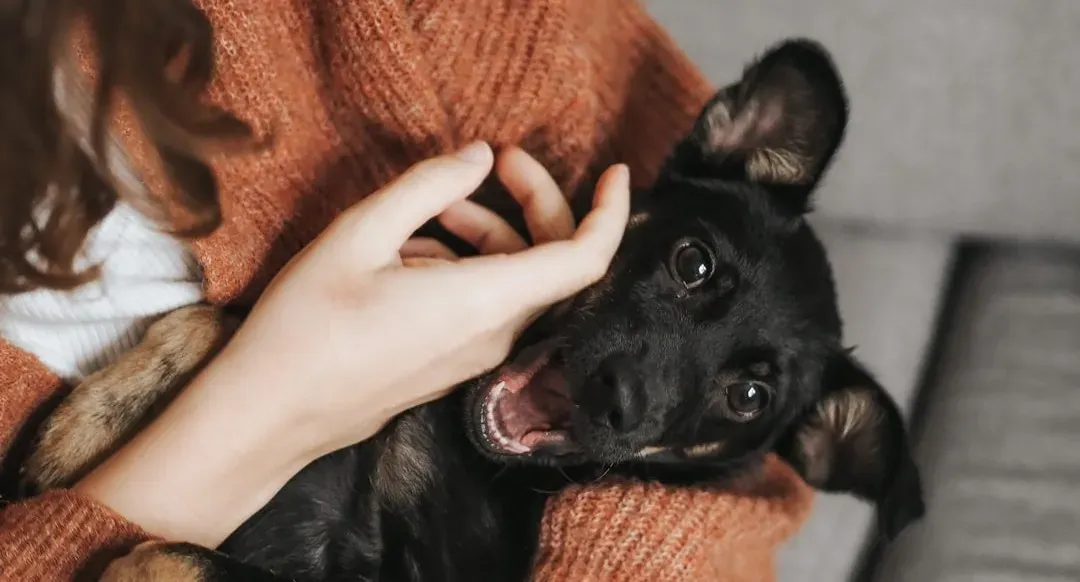
This is where vets urge caution, because true separation anxiety looks similar on the surface but comes from a very different place. Separation anxiety in dogs is a behavioral disorder characterized by anxiety and distress when a dog is away from their pet parent. It’s not just a preference for company, it’s genuine panic.
The condition is far from rare. Separation anxiety is one of the most common behavioral disorders in dogs, and it affects not only the dog but also the pet parent, straining the human-animal bond. Dogs suffering from it typically show excessive following, pacing, excessive salivating, shaking, destructive chewing, and barking, howling, or whining.
The Real Test Is What Happens When You Leave
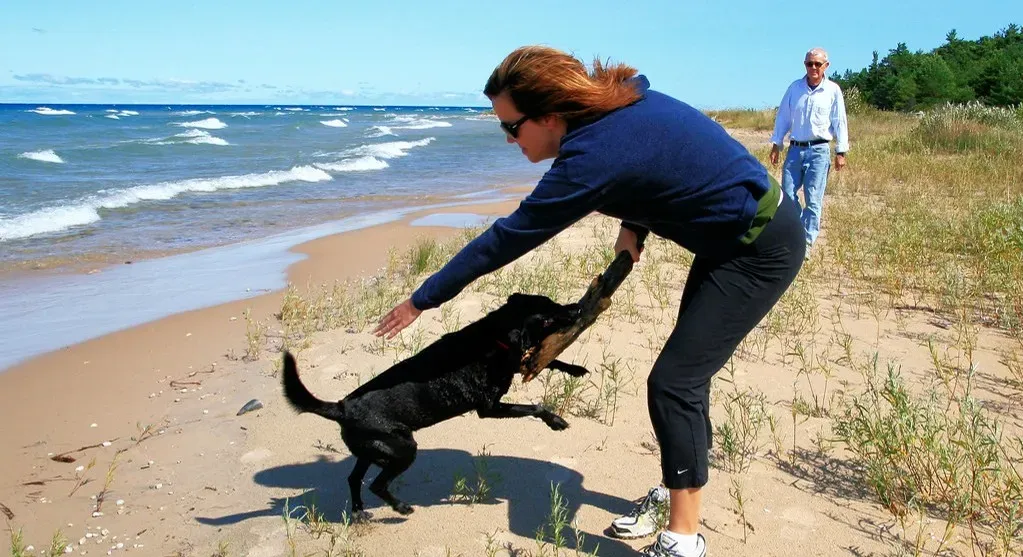
Vets generally agree that following behavior alone doesn’t tell you much. What matters is how the dog handles being alone. A velcro dog happily follows you when you’re home but copes fine when you leave.
Contrast that with a dog struggling with anxiety, who reacts very differently. The key is distinguishing a happy velcro dog from one with separation anxiety, who becomes distressed when left alone and benefits from help. A short camera recording of your dog home alone can reveal a lot more than watching them trail you around the kitchen.
Sudden Changes Deserve a Vet’s Attention
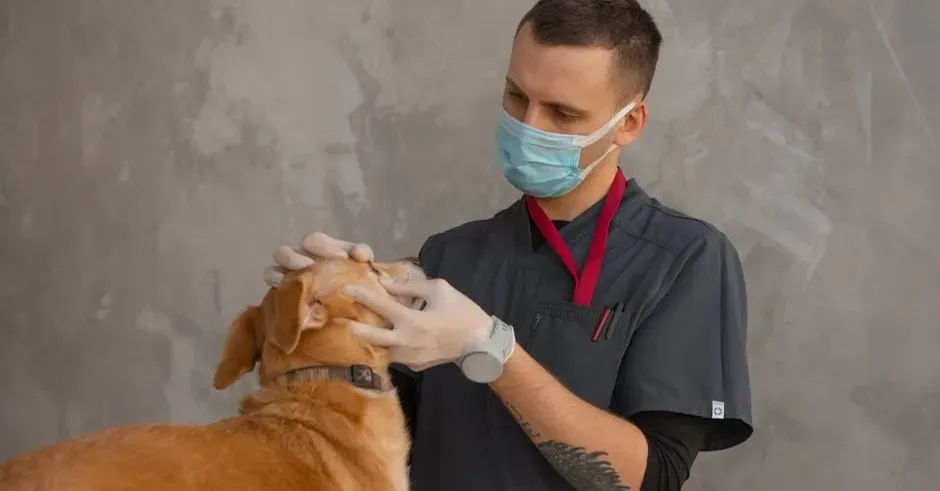
One thing multiple veterinary sources agree on is timing. A dog that has always been clingy is different from one that suddenly becomes clingy overnight. A sudden change in any behavior, including new clinginess, is one of the most common non-specific signs of pain or illness in dogs, and it’s worth a vet check before settling on a behavioral explanation.
Age can also shift the picture. An older dog may be losing their sight or hearing, and as a result, they may become more fearful of the environment and dependent on having their owner near. Pain, cognitive decline, and sensory loss can all disguise themselves as simple neediness.
Encouraging Healthy Independence Still Matters
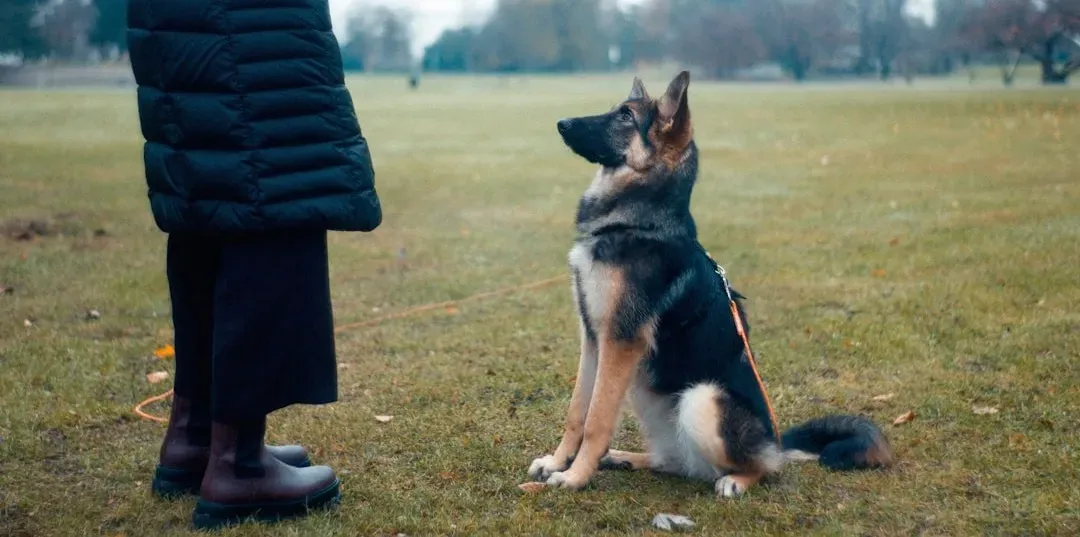
Even when following behavior is completely normal, most vets suggest building in some independence anyway. Encouraging healthy independence can help your dog become less clingy and more confident, especially for those times when they need to be home alone. This isn’t about rejecting affection, it’s about resilience.
Partner offer
Practical steps like short, calm departures, a comfortable resting spot away from you, and consistent daily routines tend to help. A dog that feels secure on its own usually handles real separations, vet visits, boarding, or travel, with far less stress than one that has never practiced it.
Final Thoughts
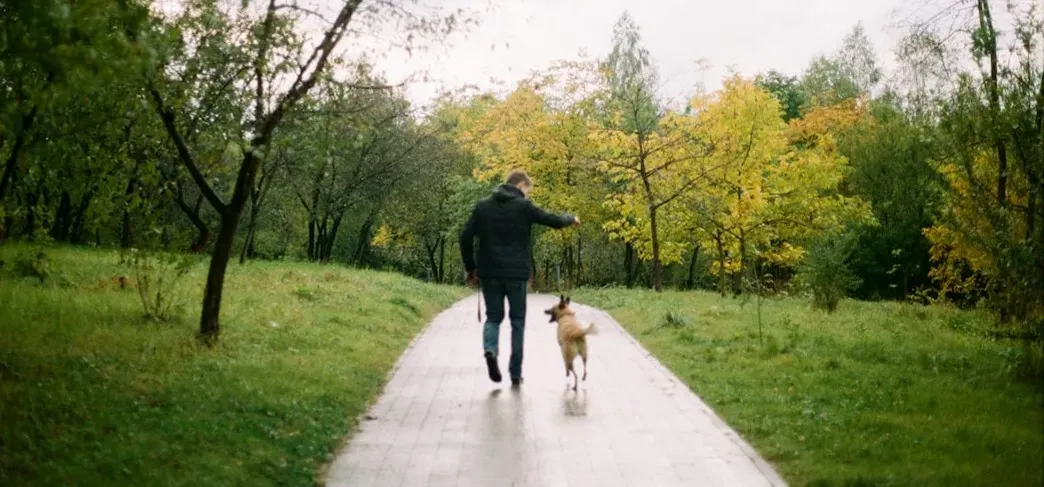
A dog trailing you from room to room is, in the vast majority of cases, a sign of a strong bond rather than a problem to solve. It reflects thousands of years of shared history, plus whatever personal quirks and breed traits your particular dog brings to the table.
The one thing worth watching for is change. If a calm, easygoing dog suddenly turns into an anxious shadow, that shift is worth a conversation with your vet, not because clinginess itself is alarming, but because sudden shifts sometimes point to something physical going on beneath the surface. Otherwise, a dog that wants to be near you is doing exactly what dogs have always done best.
Partner offer
Planning a trip to Vegas?
Compare hotel rates and show tickets on VEGAS.com.