Long before branding consultants and social media handles, writers were already shaping public personas through invented names. Some needed to hide their gender to be taken seriously, others wanted distance from a controversial past, and a few simply liked the sound of a new identity better than their own. Whatever the reason, these pseudonyms became so central to their work that many readers still don’t know the person behind the name.
The eight writers below didn’t just dabble in pen names for a single book or a side project. They built entire careers, reputations, and legacies around invented identities, often keeping their real names out of the spotlight for decades. Here’s a closer look at who they really were and why they chose to write as someone else.
1. George Eliot (Mary Ann Evans)
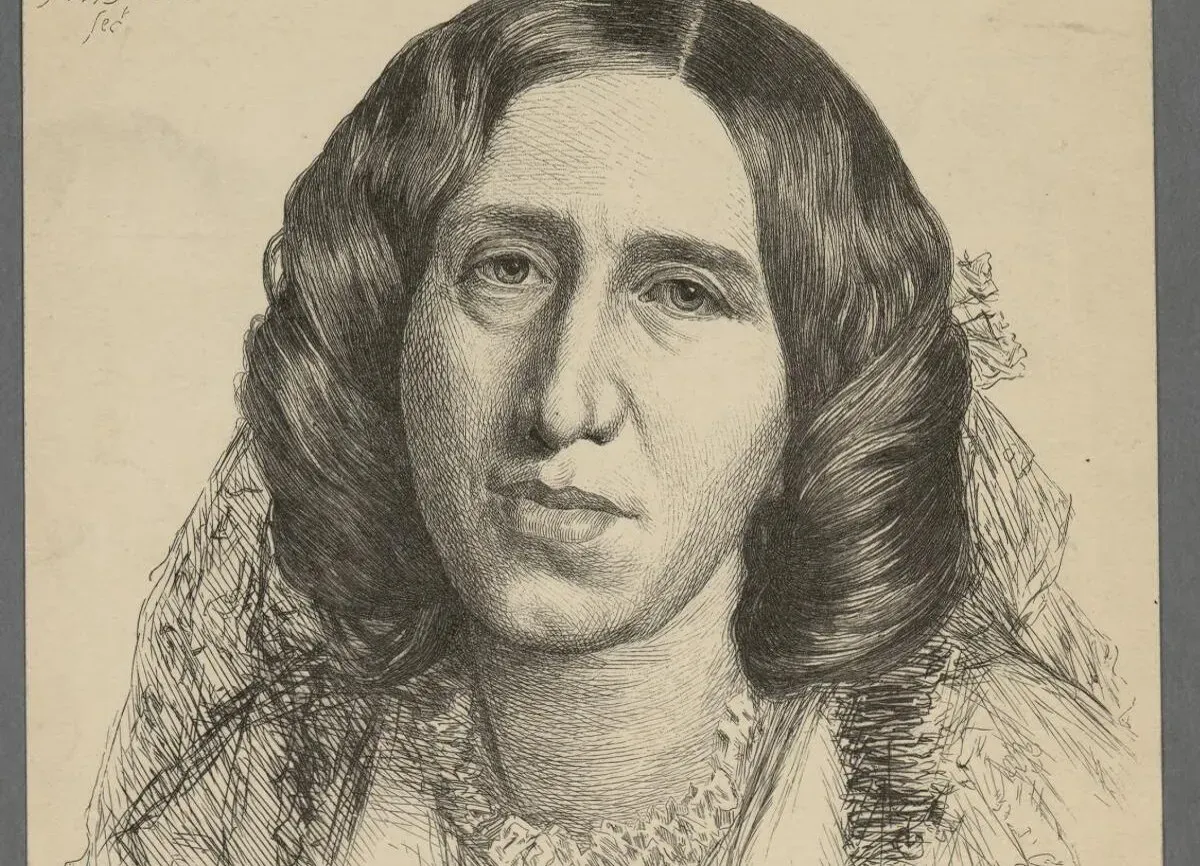
Mary Ann Evans adopted the name George Eliot in 1857, largely to ensure her work would be judged seriously rather than dismissed as a “lady novelist,” a common bias against women writers in Victorian England. She wanted a masculine-sounding name that would carry weight in literary circles dominated by men. The strategy worked remarkably well, and novels like Middlemarch and The Mill on the Floss cemented her reputation as one of the greatest novelists of the era.
Evans kept the pseudonym for virtually her entire writing life, even after her identity became widely known within literary circles. She continued publishing as George Eliot because the name had already become inseparable from her body of work. Today, most readers still recognize her by that invented name rather than her birth name.
2. Mark Twain (Samuel Langhorne Clemens)

Samuel Clemens began using the name Mark Twain in 1863 while working as a journalist in Nevada, borrowing the term from riverboat slang meaning two fathoms of water depth, a phrase tied to his earlier years as a steamboat pilot. The name gave him a distinct voice separate from his given name and quickly became his public identity. By the time he wrote The Adventures of Tom Sawyer and Adventures of Huckleberry Finn, Mark Twain was already a household name across America.
Clemens used the pseudonym for the rest of his life, rarely publishing under his birth name again. He leaned into the persona so completely that Mark Twain became less a pen name and more a full public character, complete with a recognizable wit and lecture-circuit presence. His real name is now mostly a footnote to the legend he built.
3. Lewis Carroll (Charles Lutwidge Dodgson)
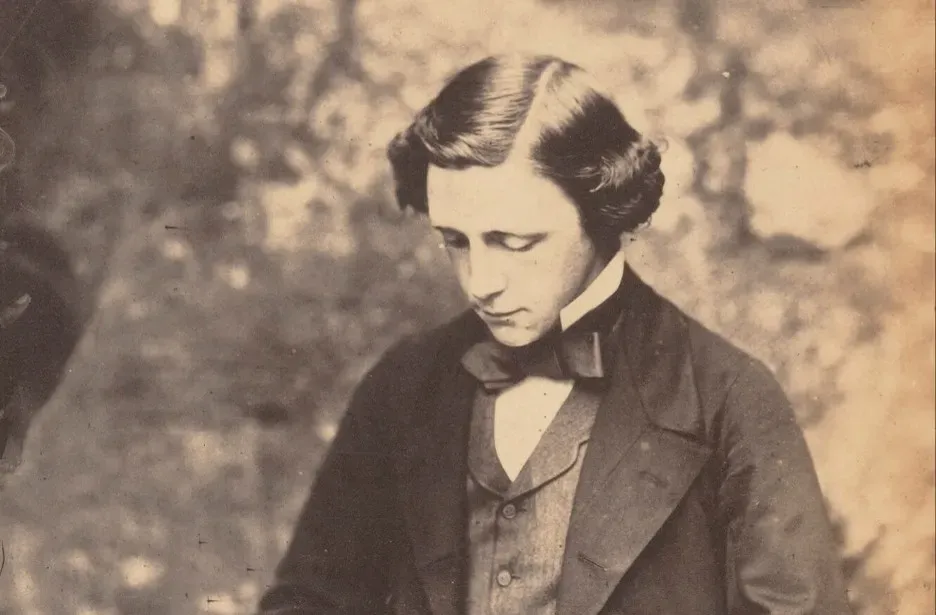
Charles Dodgson was a mathematics lecturer at Oxford who wrote Alice’s Adventures in Wonderland and Through the Looking-Glass under the name Lewis Carroll, a name he formed by translating and rearranging his own first and middle names into Latin equivalents. He wanted to separate his serious academic work in mathematics and logic from his playful, imaginative fiction. Keeping the two personas distinct allowed him to maintain credibility in academic circles while indulging his love of nonsense literature elsewhere.
Dodgson maintained this separation for most of his writing career, publishing his mathematical papers under his real name and his fiction almost exclusively as Lewis Carroll. The split was so effective that many of his academic colleagues reportedly didn’t connect him to the beloved children’s stories for years. His pen name has since far outlived recognition of his real one outside academic history.
4. Dr. Seuss (Theodor Seuss Geisel)
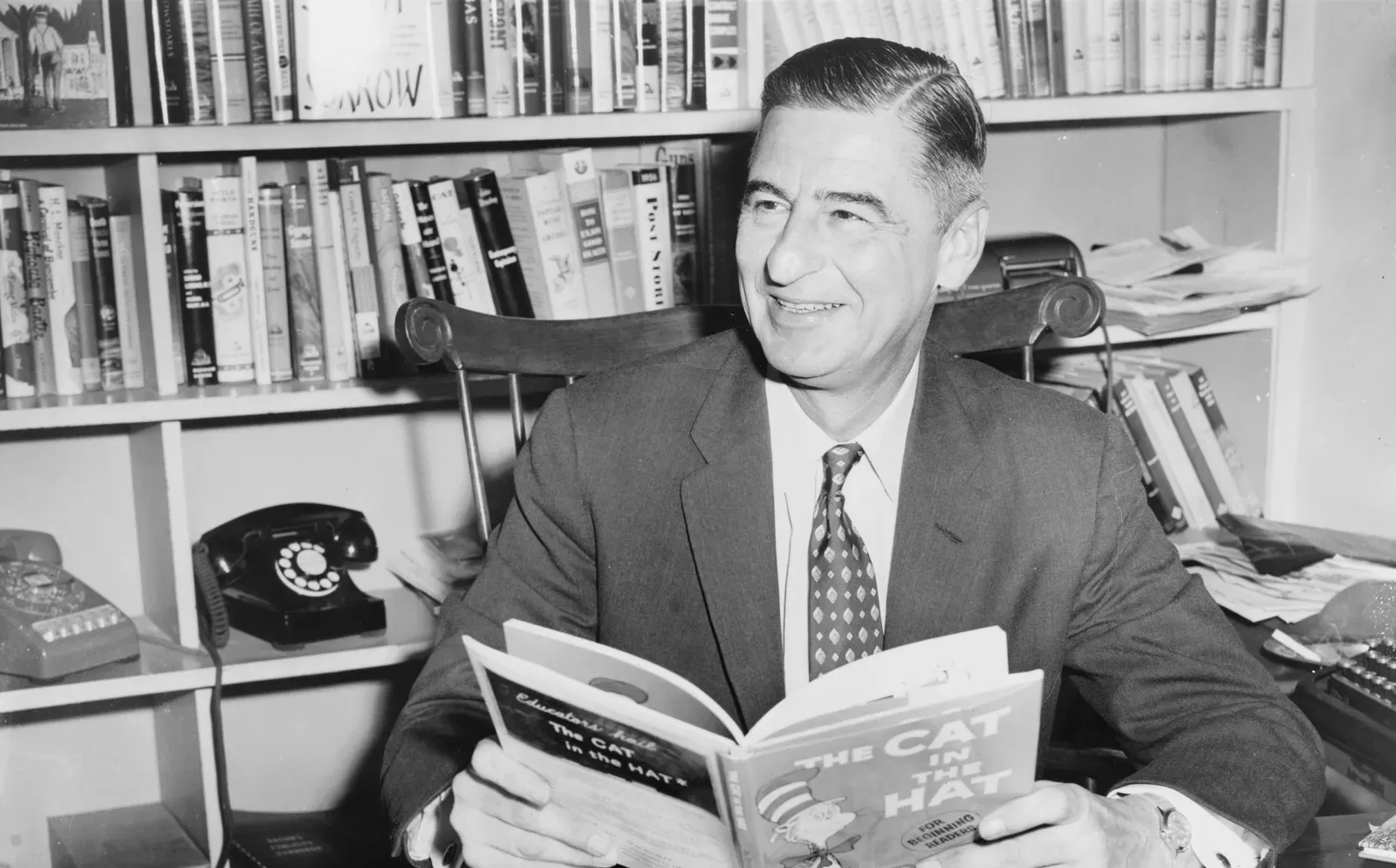
Theodor Geisel started using “Seuss” as a pen name while writing for his college humor magazine and later added “Dr.” as a playful nod to the doctorate he never actually finished. He adopted the persona partly out of humor and partly to build a distinct brand for his cartoons and later his children’s books. By the time he published The Cat in the Hat and Green Eggs and Ham, Dr. Seuss had become one of the most recognizable names in children’s literature.
Geisel used the name for the overwhelming majority of his career, occasionally publishing adult-oriented work under a different pseudonym, Theo LeSieg, which was his last name spelled backward. Still, Dr. Seuss remained his primary and most enduring identity. Generations of readers know him only by that invented doctor persona rather than his birth name.
Partner offer
5. George Orwell (Eric Arthur Blair)
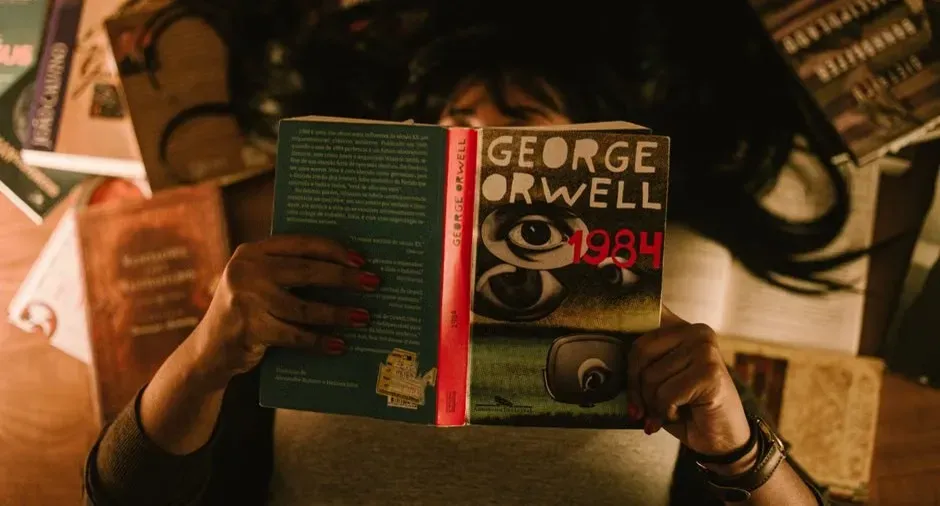
Eric Blair chose the pen name George Orwell before publishing Down and Out in Paris and London in 1933, reportedly wanting a plain, English-sounding name that wouldn’t draw attention to his background or embarrass his family given the book’s frank depiction of poverty. The name Orwell was inspired by a river in Suffolk, England, a place he apparently found appealing. From that point forward, nearly everything he published, including Animal Farm and Nineteen Eighty-Four, appeared under this new identity.
Blair used the Orwell name for the rest of his writing life and it became so dominant that even close friends and colleagues often addressed him as George. The pseudonym eventually eclipsed his birth name almost entirely in public memory. His political essays and dystopian fiction are still studied worldwide under the name he invented rather than the one he was born with.
6. Voltaire (François-Marie Arouet)
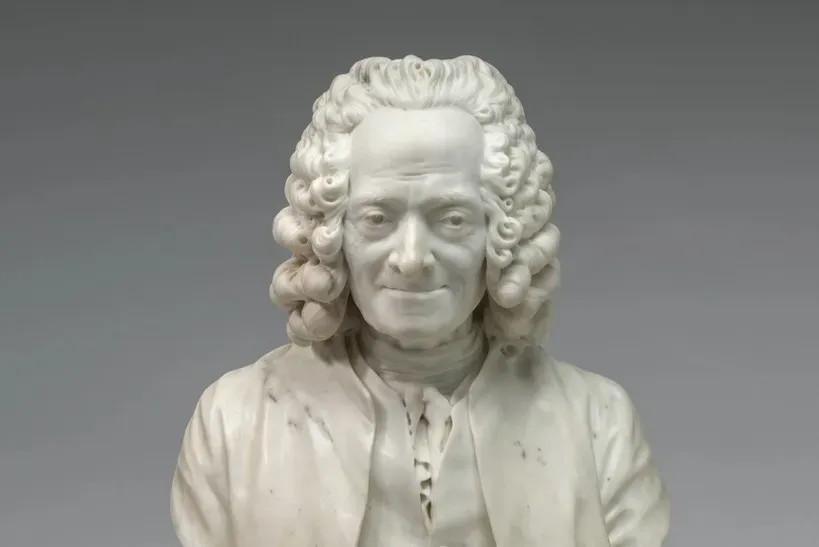
François-Marie Arouet adopted the name Voltaire around 1718, and while the exact origin of the name remains debated among historians, it’s widely believed to be an anagram or stylized variation of his own name combined with family associations. He used the pseudonym to distance himself from a strained relationship with his father and to mark a fresh identity as a writer and philosopher. The name quickly became inseparable from Enlightenment-era philosophy, satire, and works like Candide.
Arouet used the Voltaire name for essentially his entire adult writing career, rarely if ever reverting to his birth name in his published work. The pseudonym became so culturally significant that it now represents an entire era of intellectual thought. Most references to his philosophy, correspondence, and literary output use only the invented name.
7. George Sand (Amantine Lucile Aurore Dupin)
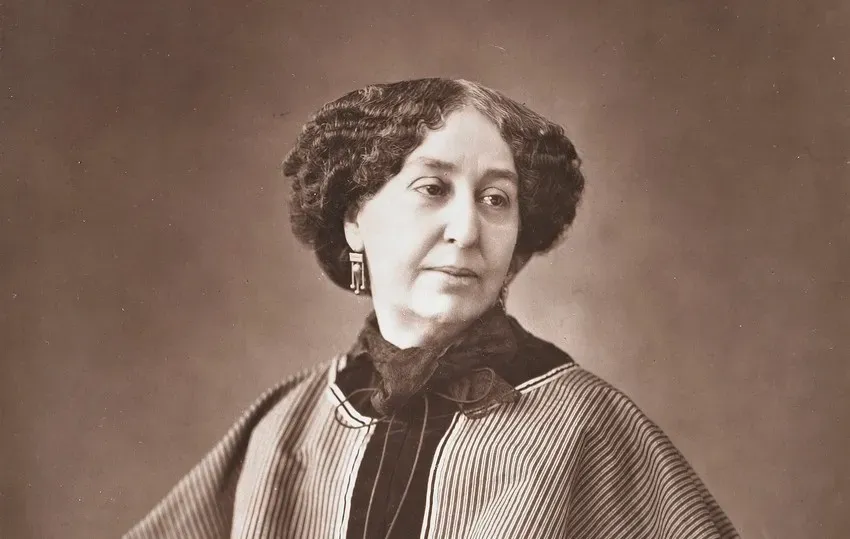
Amantine Lucile Aurore Dupin adopted the pen name George Sand in the early 1830s, choosing a masculine name partly to gain the same literary freedoms and serious critical reception typically reserved for male authors of the period. She also famously adopted male clothing in public life, which added to the persona she built around the name. Her novels, including Indiana and Consuelo, quickly gained critical attention under this new identity.
Dupin continued publishing as George Sand for the rest of her prolific career, producing dozens of novels, plays, and essays under the name. The pseudonym became so tied to her public image that even her personal relationships, including a well-documented one with composer Frédéric Chopin, are typically discussed using the Sand name rather than her birth name. She remains one of the most commercially successful French novelists of the nineteenth century.
8. Molière (Jean-Baptiste Poquelin)
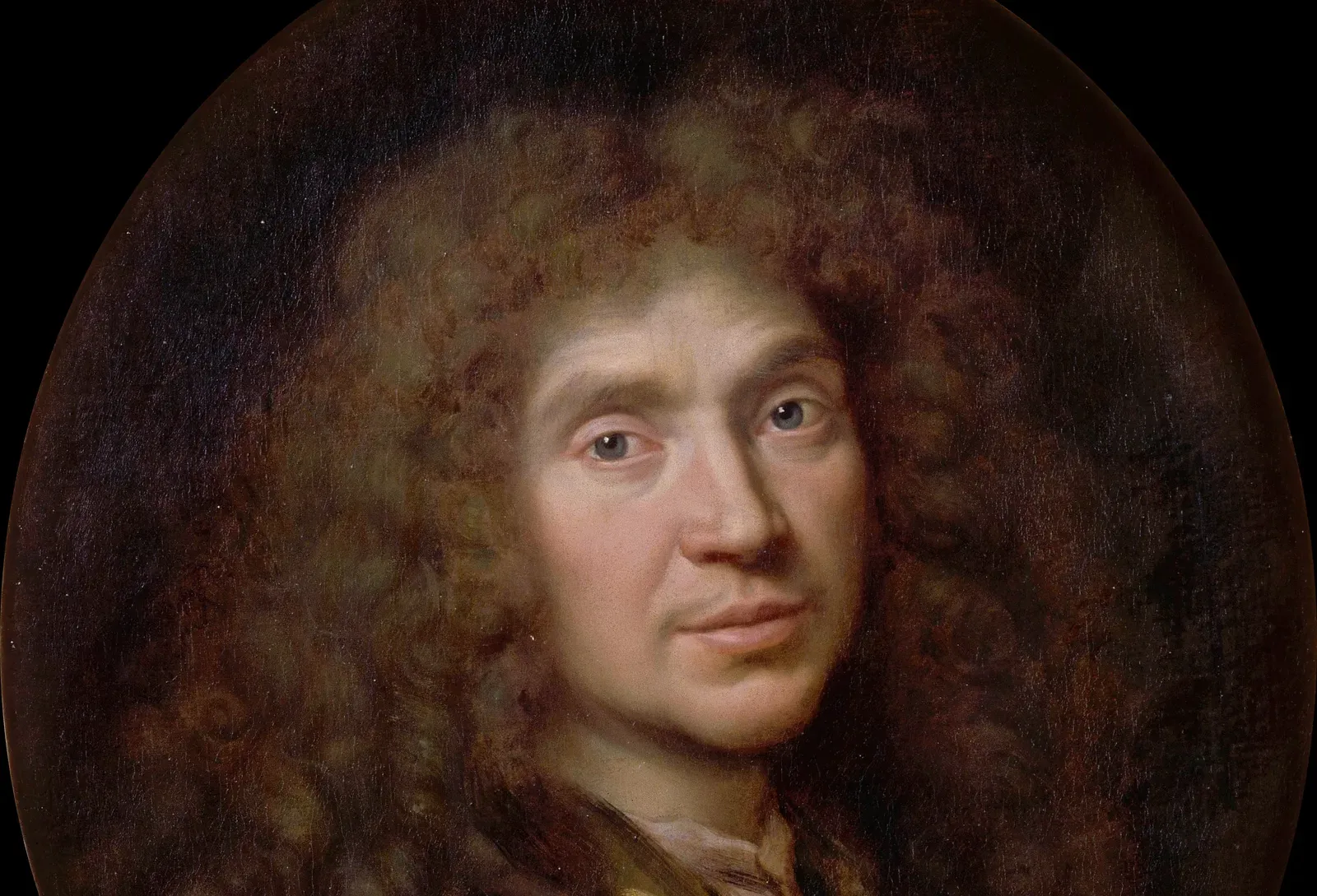
Jean-Baptiste Poquelin adopted the stage and pen name Molière around 1644 when he began his career as an actor and playwright, likely to separate his theatrical work from his family’s respectable trade background in upholstery. Acting and playwriting were not considered particularly reputable professions at the time, so the pseudonym offered a layer of protection for his family’s standing. Under this name, he went on to write enduring comedies such as Tartuffe and The Misanthrope.
Poquelin used the name Molière for virtually his entire career in theater, and it became so definitive that his birth name is barely used even in academic discussions of French drama. His plays are still performed today strictly under the Molière name, centuries after his death in 1673. Few pen names in literary history have proven as durable or as thoroughly replaced their bearer’s original identity.
What ties these eight writers together isn’t just the use of a false name, but the sheer permanence of the choice. Each of them built such a substantial body of work under their invented identity that the pseudonym eventually became more real, more recognized, and more historically significant than the birth name it replaced. In some cases, like Voltaire or Molière, the pen name effectively erased the original from everyday use altogether.
These stories are a reminder that a pen name was rarely just a marketing gimmick. It was often a survival tool, a shield, or a deliberate reinvention that allowed writers to say things, in ways, they might never have been permitted to say under their own names.
Partner offer
Planning a trip to Vegas?
Compare hotel rates and show tickets on VEGAS.com.