Hollywood likes to talk about creative vision, but sometimes the real story behind a movie is a spreadsheet. A single casting call, made months or even years before, can quietly determine whether a production stays on budget or spirals into chaos. When an actor gets fired, walks away, or becomes too much of a liability, studios don’t just lose a face on the poster. They lose schedules, marketing plans, and sometimes tens of millions of dollars.
The following eight cases show how casting gone wrong can ripple through an entire production, forcing reshoots, lawsuits, and last minute rewrites. Some of these decisions were forced by scandal, others by scheduling conflicts nobody saw coming. All of them left a very real dent in a studio’s bottom line.
1. Kevin Spacey’s removal from All the Money in the World
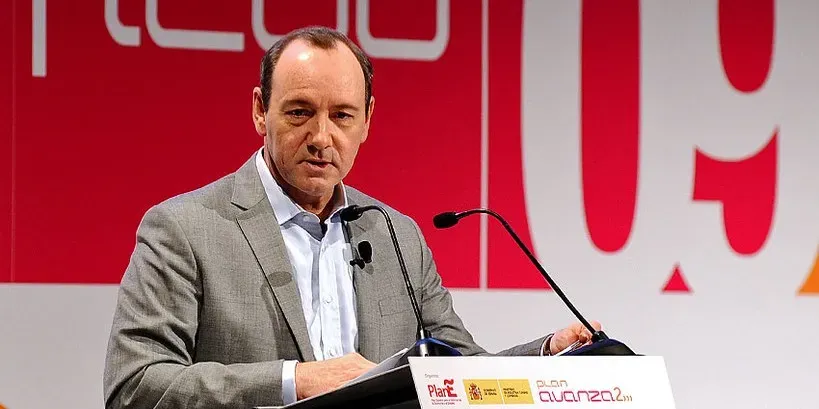
When multiple sexual misconduct allegations surfaced against Kevin Spacey in late 2017, director Ridley Scott made an almost unheard of choice. Ridley Scott decided to fire Spacey and replace him with Christopher Plummer, a move that came at a financial risk and carried a significant price tag as the director raced to finish the film ahead of its release. The reshoots happened in a matter of days, not months, which only added to the cost.
The decision kept the movie’s holiday release and added ten million dollars, paid for by financing partner Imperative Entertainment, to the drama’s forty million dollar budget as Scott filmed nearly four hundred new shots over nine days in the UK and Italy. Reshooting Spacey’s scenes took eight to ten days and required bringing back stars Mark Wahlberg and Michelle Williams, both of whom had contracted reshoot time that ended up being exceeded. It remains one of the fastest, most expensive recasting jobs ever attempted on a finished film.
2. Johnny Depp’s exit from the Fantastic Beasts franchise
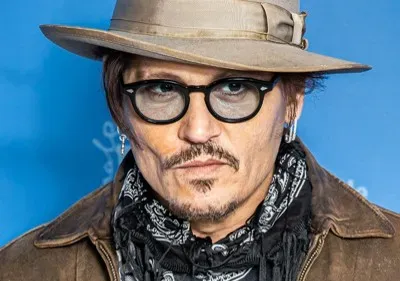
Warner Bros. cast Johnny Depp as the dark wizard Grindelwald for the Fantastic Beasts spin off series, betting on his star power to anchor a new corner of the wizarding world. After Depp lost a UK libel case tied to domestic abuse allegations made by his ex wife Amber Heard, the studio asked him to step down from the role. He was replaced by Mads Mikkelsen for the third film in the series.
The recasting forced additional reshoots and reworked marketing for a franchise that was already struggling to match the box office heat of the original Harry Potter films. The third installment, Secrets of Dumbledore, underperformed significantly compared to its predecessors, and Warner Bros. quietly shelved plans for further sequels afterward. The Depp casting decision, made years earlier, ended up shaping the fate of an entire planned trilogy.
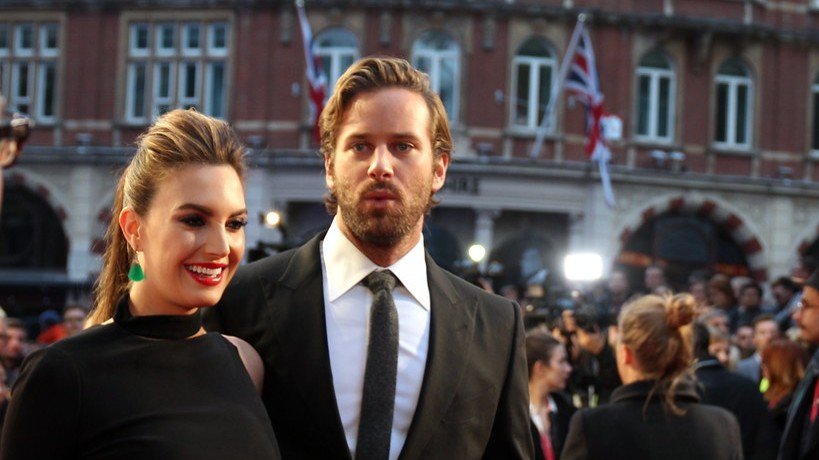
3. Armie Hammer’s departure from Shotgun Wedding
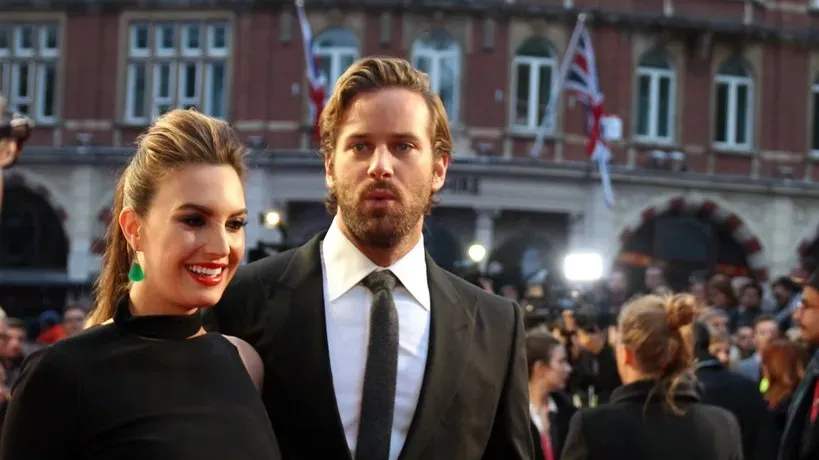
Armie Hammer was set to star opposite Jennifer Lopez in the Lionsgate action comedy Shotgun Wedding until disturbing private messages attributed to him surfaced online just weeks before filming began. Hammer dropped out of the movie amid a social media firestorm about what the actor calls bullshit claims about him, and a production spokesperson confirmed he had requested to step away from the film.
Josh Duhamel stepped in to replace Hammer in the lead role opposite Lopez, with production still scheduled to begin shortly after in the Dominican Republic. Bringing in a new lead so close to the start date meant scrambling on wardrobe, chemistry reads, and contract negotiations under serious time pressure. The film eventually skipped a wide theatrical release altogether, landing on Amazon Prime Video instead of the big screen rollout Lionsgate originally planned.
4. Henry Cavill’s mustache and the Justice League reshoots
This one sounds almost too strange to be true, but it is well documented. While filming reshoots for Justice League, Henry Cavill was simultaneously contracted to Paramount for Mission: Impossible – Fallout, where his character wore a mustache that he was forbidden from shaving. Warner Bros. offered to pay Paramount three million dollars to let Cavill shave and regrow the facial hair during the interim, but Paramount refused to budge.
Bound by contract, Cavill could not shave, forcing Warner Bros. to use CGI to remove the mustache digitally, though the alteration appeared unnatural, especially in close ups. The awkward digital fix became an instant internet punchline and a symbol of the production’s larger troubles. It is a rare case where a scheduling conflict tied to one actor’s look on another film ended up costing millions and generating years of mockery.
5. Charlie Sheen’s firing from Two and a Half Men
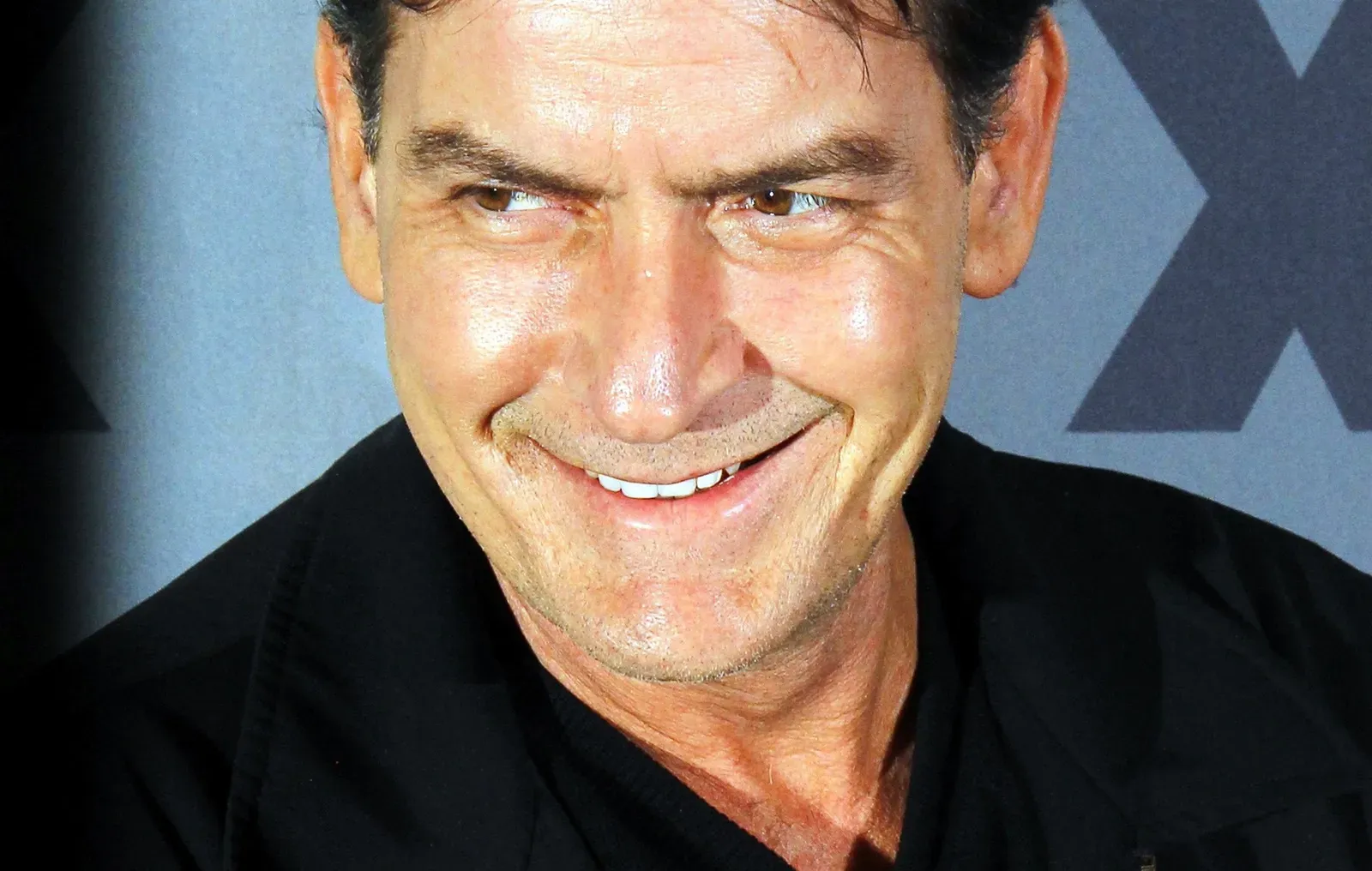
Charlie Sheen was the highest paid actor on television when Warner Bros. Television fired him from Two and a Half Men in 2011 following a very public meltdown. Sheen filed a hundred million dollar legal dispute against Warner Bros. and co-creator Chuck Lorre over his firing from the hit sitcom.
Charlie Sheen ultimately received twenty five million dollars in his settlement with Warner Bros. Television and Lorre, an amount that covered back end payments for his appearances on the show. Beyond that lump sum, Sheen’s syndication profits from the nearly two hundred episodes he appeared in could total roughly one hundred million dollars over the following seven to ten years. The dispute stands as one of the most expensive television firings in history, all stemming from a decision to remove one actor from a show that had made him a household name.
6. Ezra Miller and the marketing retreat around The Flash
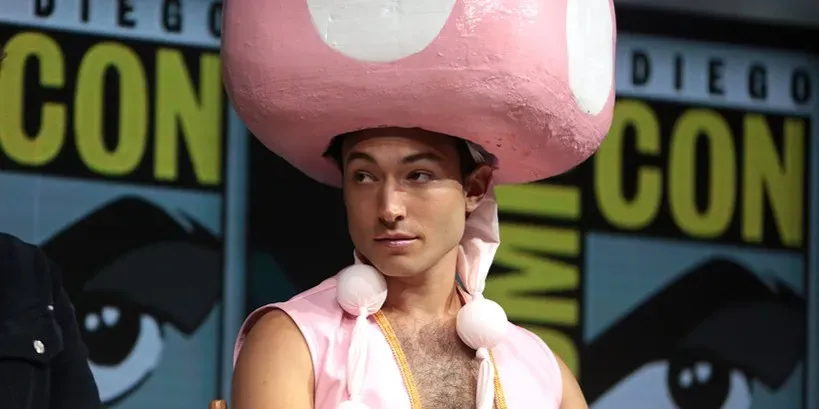
Warner Bros. had spent nearly a decade developing The Flash as a cornerstone of its DC film slate, built entirely around Ezra Miller’s take on the Scarlet Speedster. As Miller became the subject of multiple arrests and disturbing personal allegations between 2022 and 2023, the studio faced a decision it ultimately chose not to make: recasting the role outright, since the film was already shot.
Instead, Warner Bros. scaled back press appearances and public promotion for Miller ahead of the release, a workaround that limited the usual publicity blitz for a tentpole superhero film. The Flash went on to underperform significantly at the box office relative to its reported budget of well over two hundred million dollars, and industry analysts widely pointed to the controversy as a factor that suppressed audience turnout. The film became a cautionary tale about the risk of building an entire franchise investment around a single actor’s off screen behavior.
7. Amber Heard’s reduced role in Aquaman and the Lost Kingdom
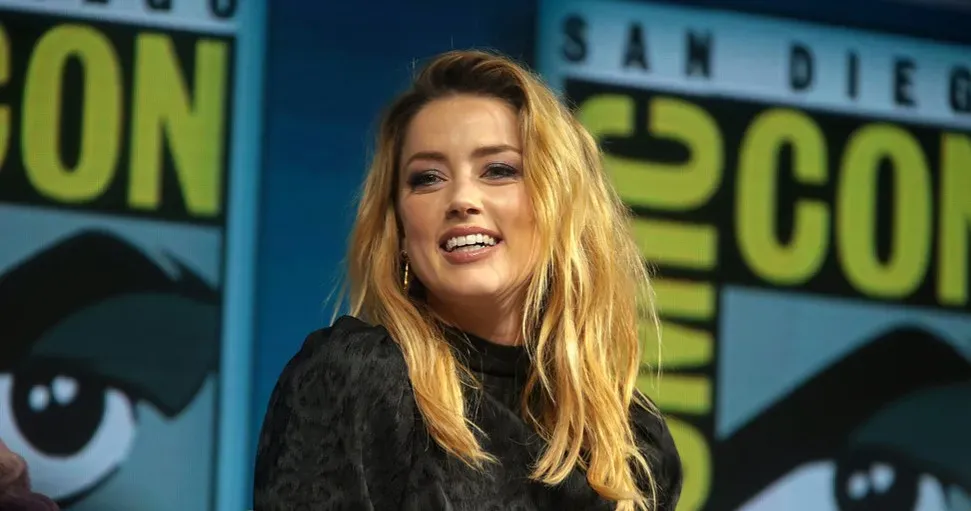
After Johnny Depp won his defamation case against Amber Heard in 2022, a large online petition pushed Warner Bros. to remove Heard from Aquaman and the Lost Kingdom entirely. The studio did not cut her from the film, but her screen time was noticeably reduced from what had originally been planned, and the marketing campaign largely avoided featuring her.
The film’s box office performance fell well short of its predecessor, which had been one of the biggest DC hits ever released. While plenty of factors contributed to the sequel’s underwhelming run, including general superhero fatigue at the box office, the casting controversy surrounding Heard became a persistent storyline that overshadowed the film’s own marketing. Warner Bros. ultimately closed out its DC Extended Universe with a film whose promotional strategy had been shaped by a casting dispute it never fully resolved.
8. Nate Parker and the collapse of The Birth of a Nation
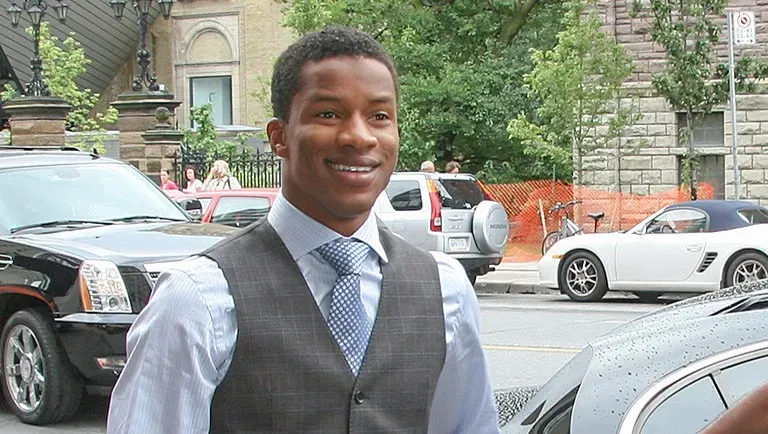
Fox Searchlight paid a record breaking amount at the Sundance Film Festival in 2016 to acquire The Birth of a Nation, a slavery drama written, directed by, and starring Nate Parker. The studio was positioning the film as a major awards contender until a college era rape case involving Parker resurfaced in the press just weeks before release, along with new details about the accuser’s death by suicide years later.
Public backlash was swift, and the film that had once looked like an Oscar frontrunner opened to a fraction of its expected audience. Fox Searchlight had reportedly paid around seventeen and a half million dollars for distribution rights, and the film’s underwhelming domestic run meant the studio recovered only a small portion of that investment. The case remains a stark example of how a lead casting choice tied so closely to a filmmaker’s own persona can sink a project when personal controversy resurfaces at the worst possible moment.
Casting decisions rarely make headlines the way a bad script or a blown special effects budget does, yet the financial fallout can be just as severe, sometimes worse. What connects these eight cases is timing. Studios that acted fast, like Ridley Scott swapping in Christopher Plummer within days, managed to limit the damage and even turn the story into a point of pride. Studios that hesitated, or bet everything on a single star’s off screen conduct staying quiet, often paid a much steeper price once the public reaction caught up with them.