You’ve heard it a hundred times. A soaring string melody plays under a car gliding down a coastal highway, or a triumphant fanfare backs a chocolate bar unwrapping in slow motion, and somewhere in the back of your mind you know the music, even if you couldn’t name the composer. Classical music has been quietly doing the heavy lifting in advertising for decades, lending instant emotional weight to products that otherwise have thirty seconds to make an impression. What’s interesting is how a handful of pieces keep resurfacing across completely different brands and decades. Below are eight that have become so tied to commercials that many people know the tune long before they ever learn its proper title.
1. In the Hall of the Mountain King – Edvard Grieg
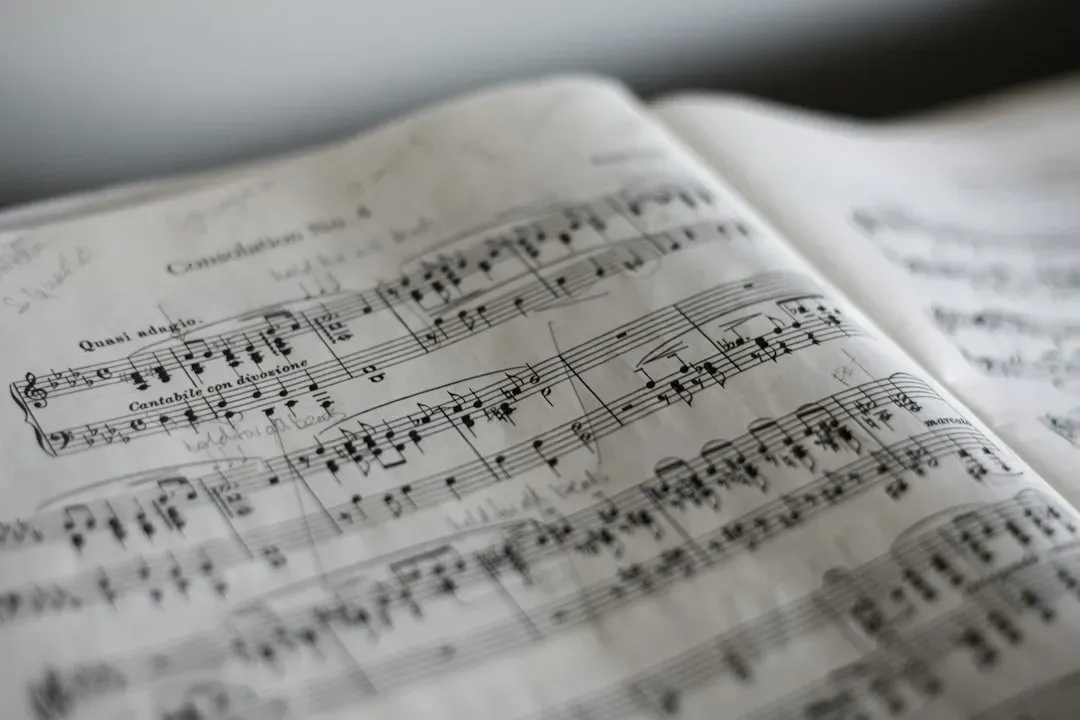
Composed in 1875 as incidental music for Henrik Ibsen’s play Peer Gynt, this piece was written for the scene where the title character enters the hall of a troll king. Edvard Grieg composed it in 1875 as incidental music for the sixth scene of act 2 in Henrik Ibsen’s 1867 play Peer Gynt. The music’s slow, creeping build into a frantic, chaotic climax makes it a natural fit for anything that needs to escalate from calm to comedic panic.
It’s shown up in commercials ranging from vintage video game ads to modern mobile app promotions, including a well-known spot for a mobile strategy game. A 1983 CBS video game commercial used Grieg’s In the Hall of Mountain King to advertise their game, Mountain King. The piece’s steady acceleration practically writes its own punchline, which is likely why advertisers keep reaching for it.
2. Also Sprach Zarathustra – Richard Strauss

Most people know this piece from its thunderous opening fanfare, made iconic by Stanley Kubrick’s 2001: A Space Odyssey, but its reach extends well beyond film into advertising. Another popular repertoire used in TV commercials and TV dramas and films is Sprach Zarathustra by Richard Strauss, a tone poem with nine sections based on Friedrich Nietzsche’s novel Thus Spoke Zarathustra. Its grandiose, almost cosmic opening makes it a shorthand for dramatic reveals of any kind, from luxury cars to breakfast cereal.
According to music commentators tracking commercial trends, this piece became a go-to choice for advertisers precisely because of its association with grandeur and spectacle. Its use tends to change every few years largely depending on use in movies or commercials, and it got very popular after Stanley Kubrick used it in 2001. Once a piece of music becomes shorthand for “something big is about to happen,” advertisers rarely let it go quietly.
3. Symphony No. 9, “From the New World” – Antonín Dvořák

For UK audiences especially, the second movement of this symphony is inseparable from a specific memory: a boy pushing his bike up a steep, cobbled hill. Dvořák’s New World Symphony is one of classical music’s most recognisable works, and for many in the UK, the second movement will forever be tied to a boy pushing a bike up a steep cobbled hill in a 1973 advert directed by Ridley Scott. That commercial is still regularly cited as one of the most beloved British adverts of all time.
The gentle, homesick quality of the melody works because it doesn’t push too hard. It simply sits underneath the imagery and lets nostalgia do the rest. That restraint is part of why the pairing has aged so well, decades after the original ad first aired.
4. Rhapsody in Blue – George Gershwin

Gershwin’s sweeping 1924 composition has become nearly synonymous with a certain kind of smooth, luxurious brand image. A 1992 Galaxy chocolate advert paired the smooth richness of chocolate with the sweeping elegance of Gershwin’s Rhapsody in Blue. The piece’s blend of jazz and orchestral grandeur gives advertisers a way to suggest sophistication without saying a word.
Beyond chocolate, the piece has been linked with airlines and other brands wanting to evoke a feeling of effortless glamour. Its opening clarinet glissando alone is instantly recognizable, which makes it useful even in short clips where there’s no time to build up a melody slowly. Few classical works manage to sound both nostalgic and modern at once quite the way this one does.
5. O Fortuna, from Carmina Burana – Carl Orff
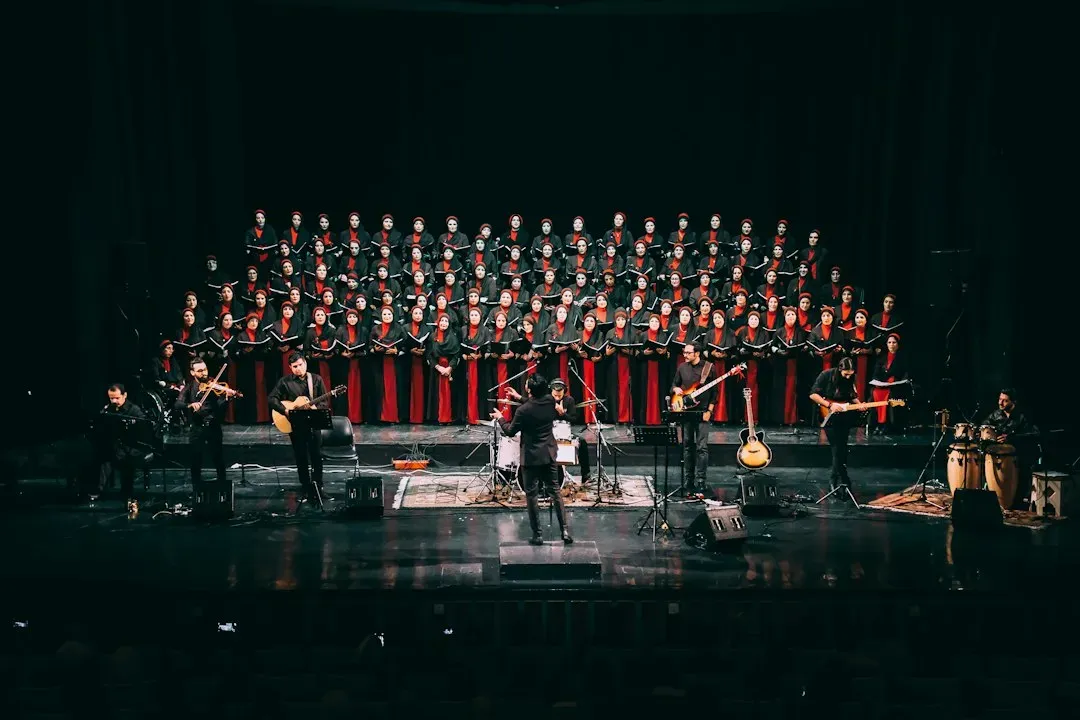
Few pieces of music carry as much sheer dramatic force as the opening chorus of Orff’s Carmina Burana. Carl Orff’s Carmina Burana is one of the most recognisable choral works of the 20th century, and in the 1970s and ’80s, ‘O Fortuna’ became the unmistakable soundtrack to Old Spice’s aftershave commercials. The thunderous choir and pounding percussion make it almost impossible to ignore, which is exactly the point.
Partner offer
It has since become something of a cliché in advertising and film trailers alike, used any time a brand wants to signal power, intensity, or high stakes. That overuse hasn’t dulled its effect much. There’s still something about those opening bars that makes viewers sit up a little straighter.
6. Nocturne in E-flat Major, Op. 9 No. 2 – Frédéric Chopin
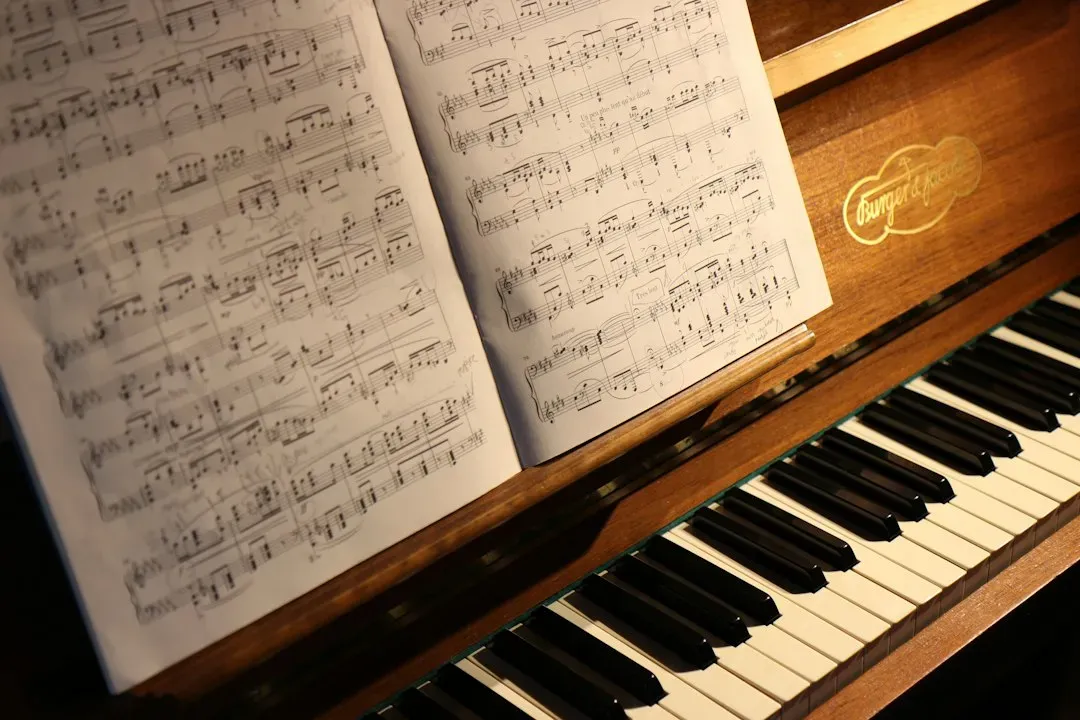
Chopin’s nocturnes were written for quiet, intimate listening, which makes their appearance in fast food advertising a bit of an odd fit, yet it works surprisingly well. The Nocturne in Eb major is one of the most famous pieces written by Chopin and has been performed and featured in many different movies and commercials, including a 2020 KFC promotion for their fried chicken. The piece’s flowing, unhurried melody brings an unexpected touch of elegance to something as ordinary as fast food.
That contrast between refined music and everyday products is part of what makes classical pieces so useful in advertising generally. A simple, familiar melody can reframe a mundane moment as something worth pausing for. Chopin’s nocturne does that job about as gracefully as any piece could.
7. Flight of the Bumblebee – Nikolai Rimsky-Korsakov

Originally written as an orchestral interlude, this piece has become the go-to soundtrack for anything frantic, fast, or chaotic. Originally written as an orchestral interlude for the opera The Tale of Tsar Saltan in 1899-1900, Flight of the Bumblebee is the most familiar piece by Rimsky-Korsakov and is often incorporated into movies, theme music, and TV commercials. Its rapid, buzzing string runs practically demand to be paired with fast motion or comedic timing.
One particularly memorable use came from an insurance company that turned the piece into an unlikely metaphor. One commercial used the music as the snoring pattern of a grandfather in a Geico insurance advertisement. It’s a good example of how a piece of music can be repurposed in a way its composer never could have anticipated, yet it still fits perfectly.
8. Palladio – Karl Jenkins
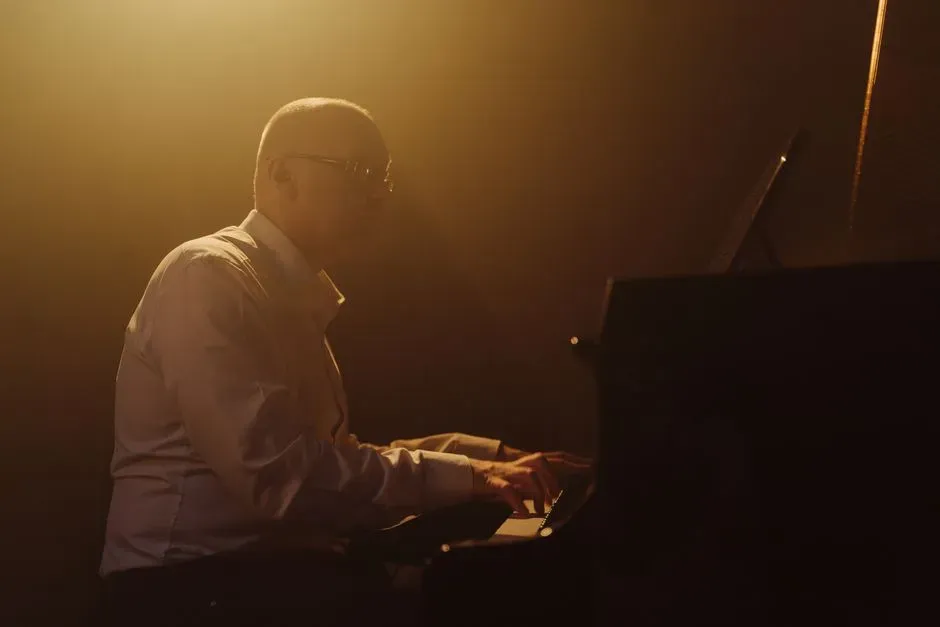
Not every piece on this list is centuries old. Karl Jenkins composed the motifs that would become Palladio specifically for advertising, and the work has gone on to become one of the most licensed pieces of contemporary classical music. A 1993 commercial from De Beers Diamonds used the captivating motifs composed by Welsh composer Karl Jenkins, which later became the first movement of Palladio, a three-movement concerto grosso named after the Renaissance architect Andrea Palladio.
The piece’s driving string rhythm has since made appearances in commercials well beyond diamonds, often used to suggest urgency, luxury, or momentum. In addition to the string orchestral version, the first movement has been arranged for various ensembles and solo piano. It’s a rare case of a commercial actually creating a piece of classical music that then took on a life of its own in concert halls and recordings. These eight pieces show how deeply classical music is woven into the world of advertising, often without viewers even realizing where the melody came from. Some were written centuries before television existed, while others, like Palladio, were composed specifically for a commercial and later became concert staples in their own right. Either way, the pairing of music and product has proven remarkably durable, with these same pieces resurfacing in new campaigns decade after decade.
Partner offer
Planning a trip to Vegas?
Compare hotel rates and show tickets on VEGAS.com.