Directors spend months behind the camera, so it’s always a small thrill when one steps in front of it. Some do it as a playful signature, while others do it because the part needed someone and they were the handiest option. Either way, a quick cameo can feel like a wink from the person running the show.
Here are eight filmmakers whose brief appearances in their own movies are well documented. Each one shows a slightly different reason a director might decide to show up on screen.
Alfred Hitchcock
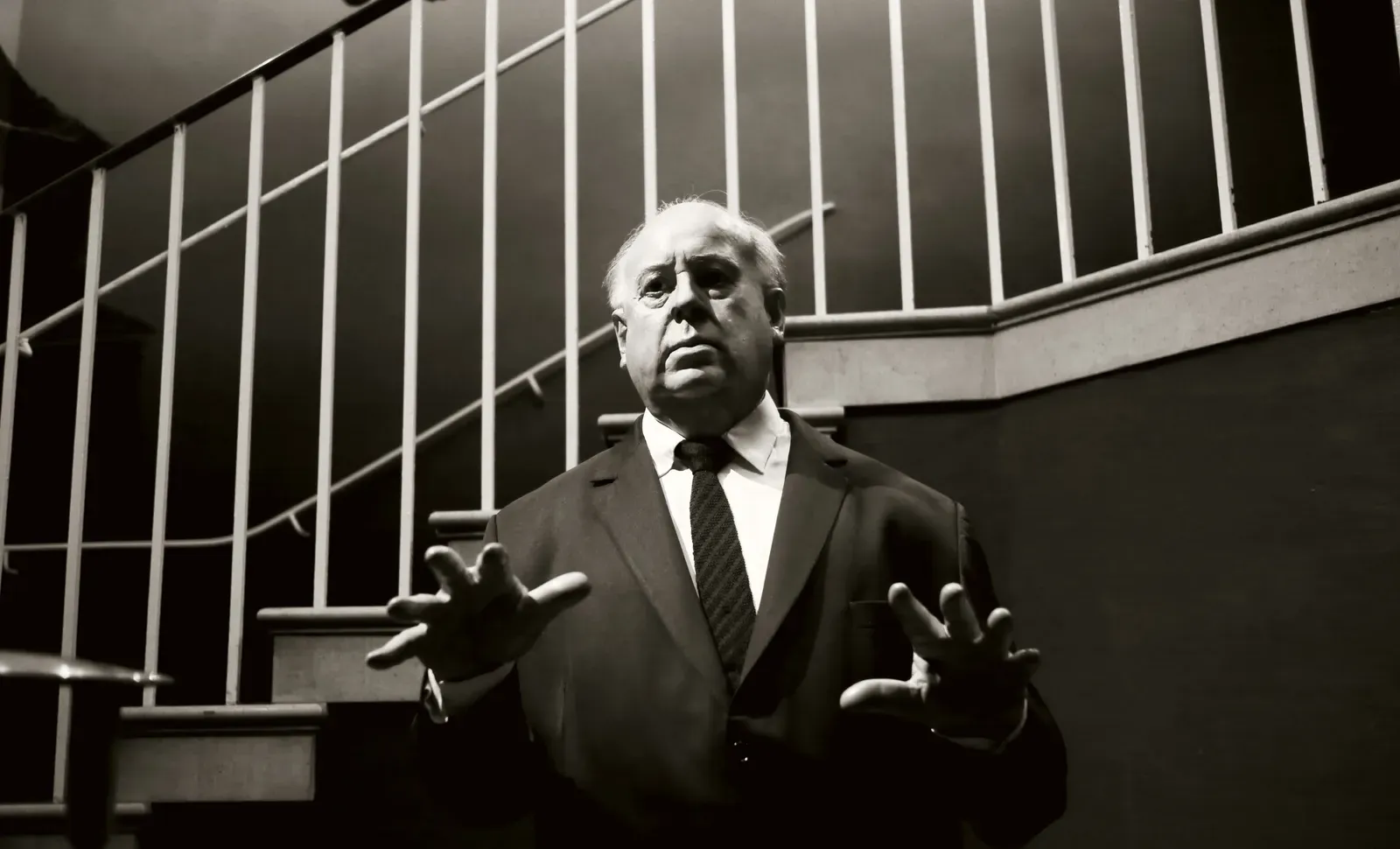
Hitchcock is the best-known example. He appeared briefly in a large share of his films, usually as a passerby, a man boarding a bus, or a figure in a crowd. In Lifeboat (1944), where the setting made a walk-on impossible, he appeared in a newspaper advertisement for a weight-loss product.
The habit began partly out of practicality, since he sometimes filled out background roles himself in his early British work. Over time it became a game for audiences, and he reportedly moved the cameo earlier in some films so viewers wouldn’t be distracted waiting for him.
M. Night Shyamalan
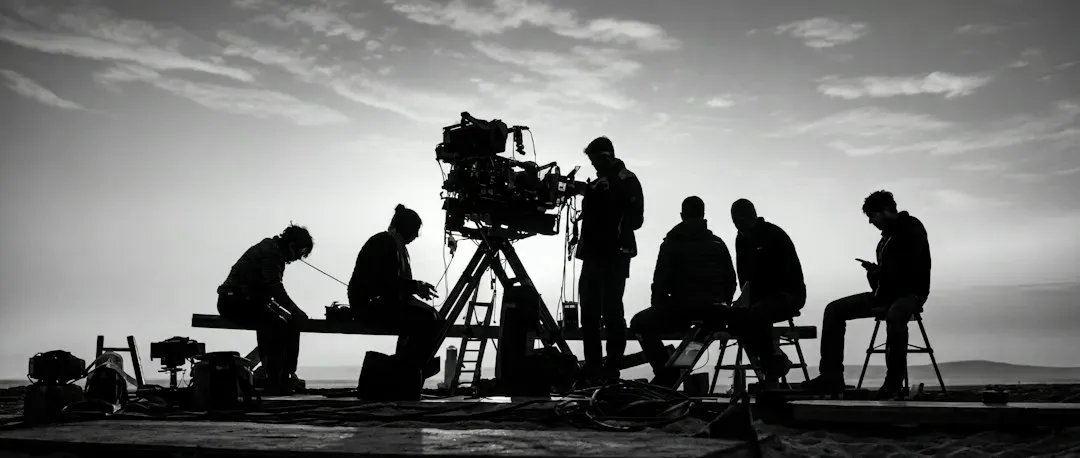
Shyamalan has made himself a recurring presence in his own thrillers. He plays a significant supporting role as a doctor in Signs (2002), and he appears as the character Ray in Unbreakable (2000). In The Sixth Sense (1999), he plays a doctor in a small part.
His cameos are often compared to Hitchcock’s, though his roles have sometimes been more than a glimpse. He has continued the habit in recent years, including in Knock at the Cabin (2023), where he appears briefly in a news broadcast segment, although I’d check the specifics before leaning on that detail.
Quentin Tarantino
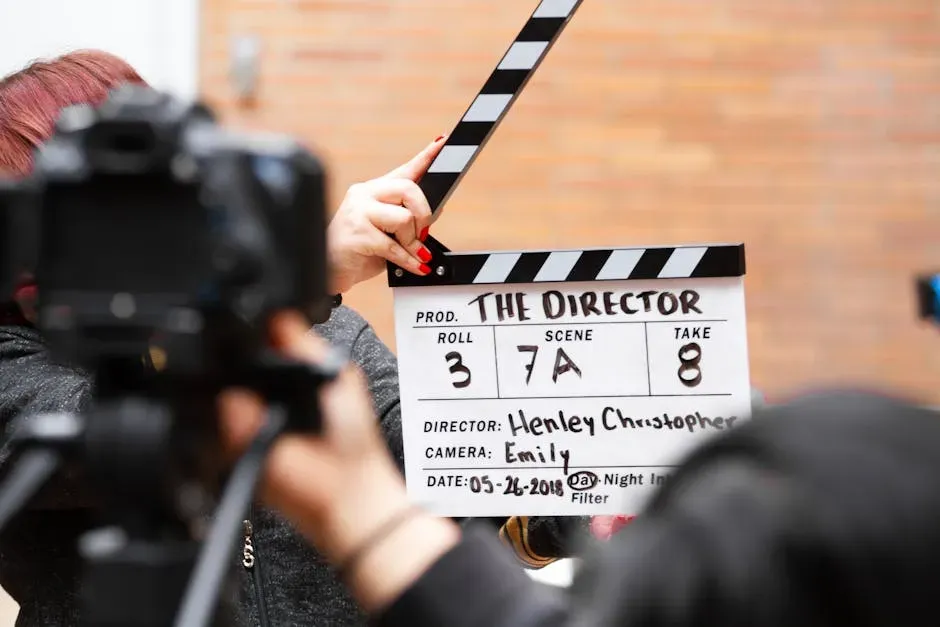
Tarantino has acted in several of his own films. He plays Mr. Brown in Reservoir Dogs (1992), a small but memorable part in the opening diner scene. He also shows up in Pulp Fiction (1994) as Jimmie, the owner of the house where Jules and Vincent take a body.
He appeared in Django Unchained (2012) as well, in a brief role as a mining company employee. These parts tend to be short, and they suit his habit of populating his films with offbeat, talkative characters.
Peter Jackson

Peter Jackson has a long record of cameos in his own work. In The Lord of the Rings: The Fellowship of the Ring (2001), he appears as a Bree townsperson munching on a carrot. He also turns up in The Return of the King (2003) as a pirate of Umbar.
He has also appeared in The Hobbit films, again in tiny roles. His family members have also been used in cameos in the franchise, which gives the productions a homemade feel despite their huge scale.
Partner offer
Martin Scorsese
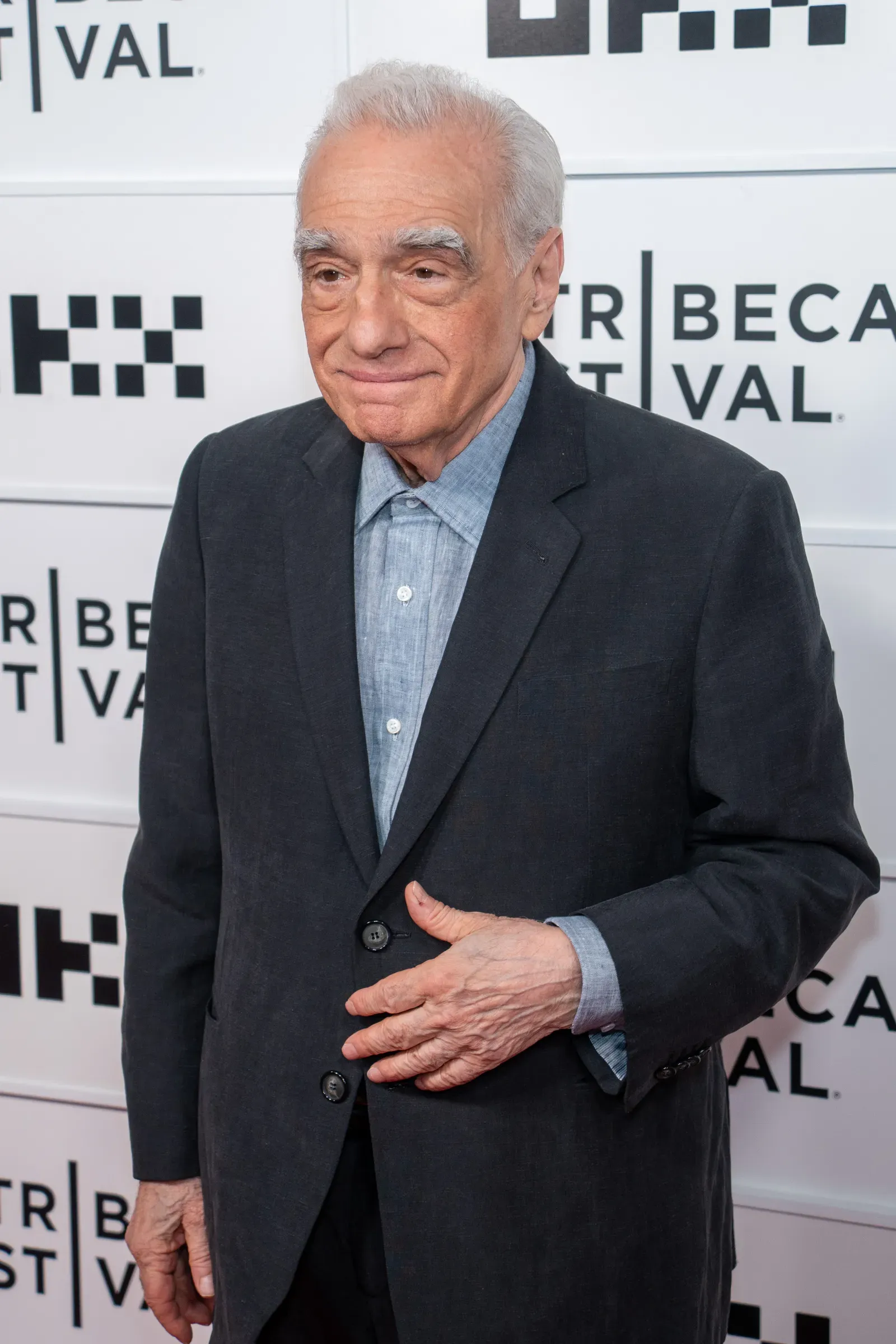
Scorsese often slips into his own films in small roles. In Taxi Driver (1976), he plays a passenger in Travis Bickle’s cab, a part that is more than a cameo and has become one of the film’s disturbing highlights. He also appears in Mean Streets (1973) as a gunman in the final scene.
In later films his appearances have been quieter, sometimes as a voice or a fleeting face. His early parts, though, reflect how filmmakers of his generation often filled gaps on low-budget sets themselves.
Stan Lee-Style Wink: Kevin Smith

Kevin Smith has appeared as Silent Bob in many of his own films, beginning with Clerks (1994), where the character is a quiet companion to Jay. The pair became recurring figures across his View Askewniverse movies, including Mallrats (1995), Chasing Amy (1997), and Dogma (1999).
This is an unusual example because the character became part of the brand. Smith later gave Silent Bob a bigger role in Jay and Silent Bob Strike Back (2001), but in many entries the character remains a brief, almost running-gag presence.
Spike Lee
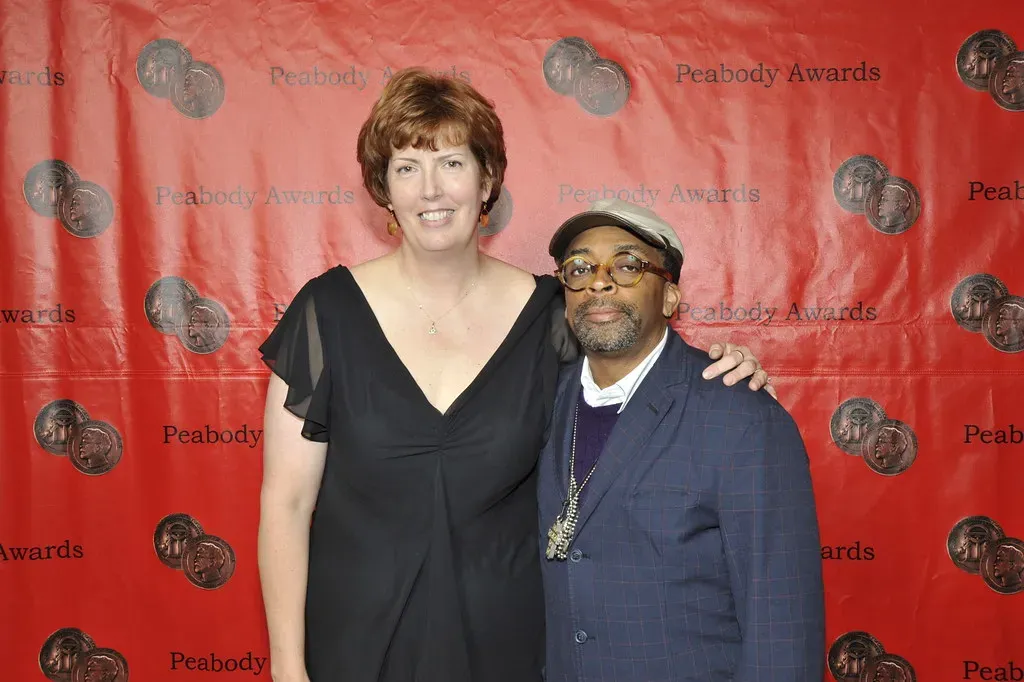
Spike Lee has frequently cast himself in his own films. He plays Mars Blackmon in She’s Gotta Have It (1986), and he plays Mookie in Do the Right Thing (1989), which is a lead role. In other films, his appearances have been shorter, such as a cameo in Malcolm X (1992), where he plays Shorty.
His on-screen turns are part of a broader pattern of hands-on involvement in his own projects. Some of those parts are brief enough to count as cameos, while others are larger, so he sits at the edge of this list.
Sam Raimi
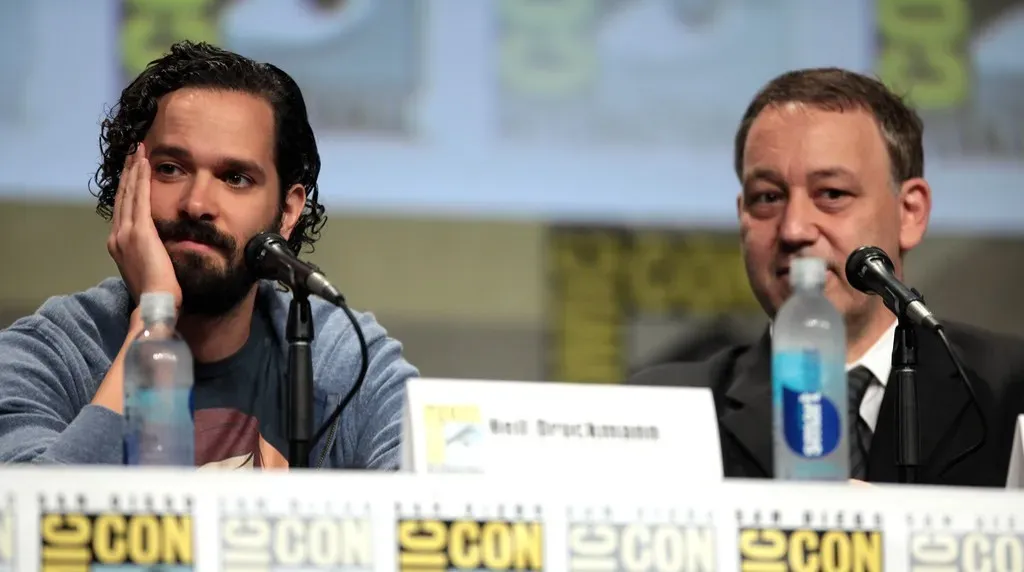
Sam Raimi has built a reputation for tiny appearances in his own movies, and he has often cast his friend Bruce Campbell too. In Spider-Man (2002), he doesn’t appear on screen in an obvious way, but Campbell is the wrestling announcer. In Spider-Man 2 (2004), Campbell has a memorable cameo as a snooty usher.
Raimi has appeared in some of his early work, such as The Evil Dead (1981), where he did small uncredited acting jobs because the production was so tiny. His case shows how small crews and tight budgets often pushed directors into front-of-camera work.
Cameos like these remind us that films are made by real people, often with limited resources and a sense of humor. Whether it’s a practical choice, a superstition, or a signature, a director’s brief appearance can add a small layer of fun for viewers who spot it. Several of these appearances are widely documented, but if you plan to cite one, it’s worth confirming the exact role in the film itself.
Partner offer
Planning a trip to Vegas?
Compare hotel rates and show tickets on VEGAS.com.