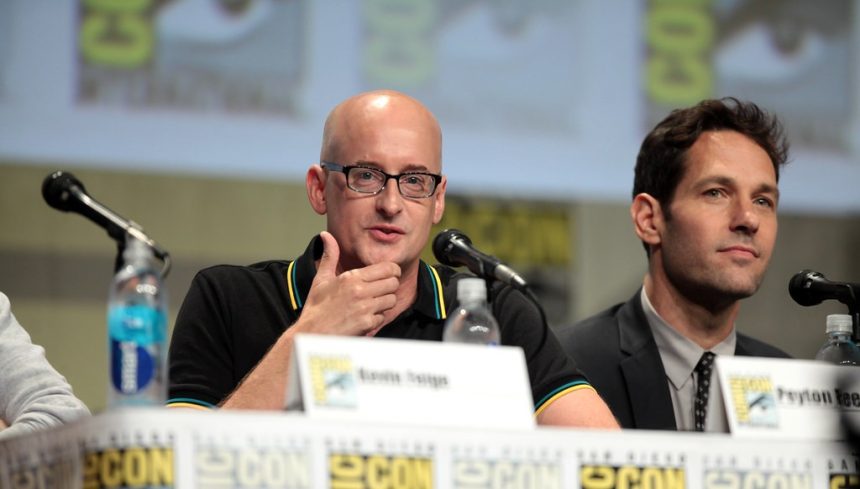
Hollywood loves a good replacement story. A director walks away from a project, sometimes for creative reasons, sometimes because a studio pushes them out, and the person who steps in ends up defining the film in a way nobody expected. It’s one of the odder patterns in film history, a reminder that a career-making break can arrive simply because the original plan fell apart. What follows are eight cases where a departure, whether voluntary or forced, opened the door for a director who went on to build a lasting reputation on the project they inherited.
1. Victor Fleming on Gone with the Wind
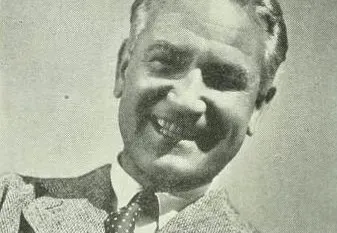
George Cukor spent three weeks shooting Gone with the Wind before things fell apart with producer David O. Selznick. A terse statement issued by Cukor and Selznick explained that as a result of disagreements over many of the individual scenes, they had mutually decided a new director should be selected. Cukor’s departure left a massive gap on one of the most expensive productions of its era.
Victor Fleming stepped in and carried the film through to completion, even though the process wore him down enough that he needed time off. The finished movie won him a Best Director Oscar. Cukor, for what it’s worth, landed on his feet too, winning his own Oscar the following year for The Philadelphia Story.
2. Richard Marquand on Return of the Jedi

George Lucas wanted David Lynch for the final chapter of the original Star Wars trilogy. After directing the debut Star Wars film, Lucas turned to Irvin Kershner for The Empire Strikes Back and Richard Marquand for Return of the Jedi. Lynch met with Lucas, got a headache during the pitch, and decided the material simply wasn’t for him. Steven Spielberg, David Lynch, and David Cronenberg were all considered to direct the film before Marquand signed on. Marquand had a relatively modest resume up to that point, mostly suspense films and a Beatles biopic. Taking on Return of the Jedi turned him into the man who closed out one of cinema’s biggest trilogies, even though he never directed another blockbuster of that scale before his death a few years later.
3. David Fincher on Alien 3

Before David Fincher ever stepped onto a soundstage as a feature director, Vincent Ward was attached to Alien 3 with a very different concept in mind, one set partly on a wooden planet inhabited by monks. David Fincher took over as director of Alien 3, which went into production without a finished script, while Ward went back to his own projects, including What Dreams May Come. The production that resulted was famously chaotic and reportedly miserable for Fincher himself.
Alien 3 was not well received on release, and Fincher has spoken about it as a rough introduction to studio filmmaking. Still, it put him on the map as a feature director, and the visual instincts he showed even in a troubled production hinted at what was coming. Within a few years he directed Seven and Fight Club, and the rest of his career speaks for itself.
4. Patty Jenkins on Wonder Woman
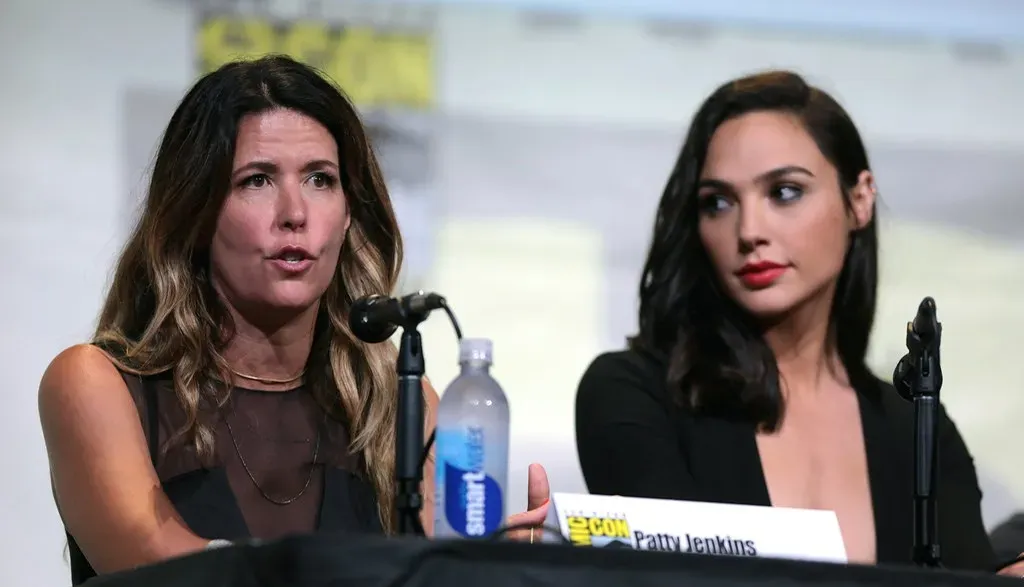
Michelle MacLaren was originally attached to direct Wonder Woman for Warner Bros., a major milestone as one of the first women to helm a big DC comic book film. She left the project over creative differences with the studio before shooting began. Just two days after announcing MacLaren had left the project, Warner Bros. announced her replacement, Patty Jenkins, director of Monster.
Jenkins had not directed a feature since her 2003 debut, so the jump to a major superhero tentpole was significant. Wonder Woman went on to become a critical and commercial success, and Jenkins became one of the most prominent names in the genre almost overnight. It is one of the clearer examples of a sudden vacancy turning into a genuine career turning point.
5. Peyton Reed on Ant-Man
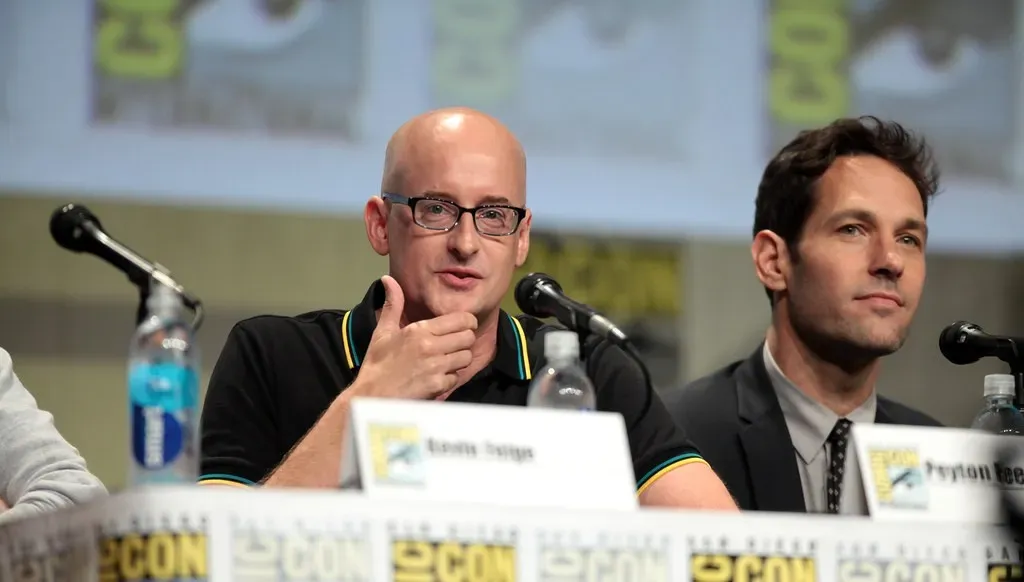
Edgar Wright had been developing Ant-Man for years before it ever reached production, reportedly attached to the project for close to a decade. While the nuts and bolts of filming weren’t fully in motion when Edgar Wright left Ant-Man, it was a colossal shake up, as he had been attached to the project for eight years. The split came down to how much creative control Marvel was willing to give him as writer-director.
Partner offer
Peyton Reed, previously known for lighter studio comedies, took over the reins. The breakup between Wright and Marvel Studios was cited as creative differences, and he was soon replaced by Peyton Reed, who was previously best known for movies like Bring It On and Yes Man. Reed went on to direct multiple Ant-Man sequels, turning what could have been a one-off assignment into a defining chapter of his career.
6. Ron Howard on Solo: A Star Wars Story
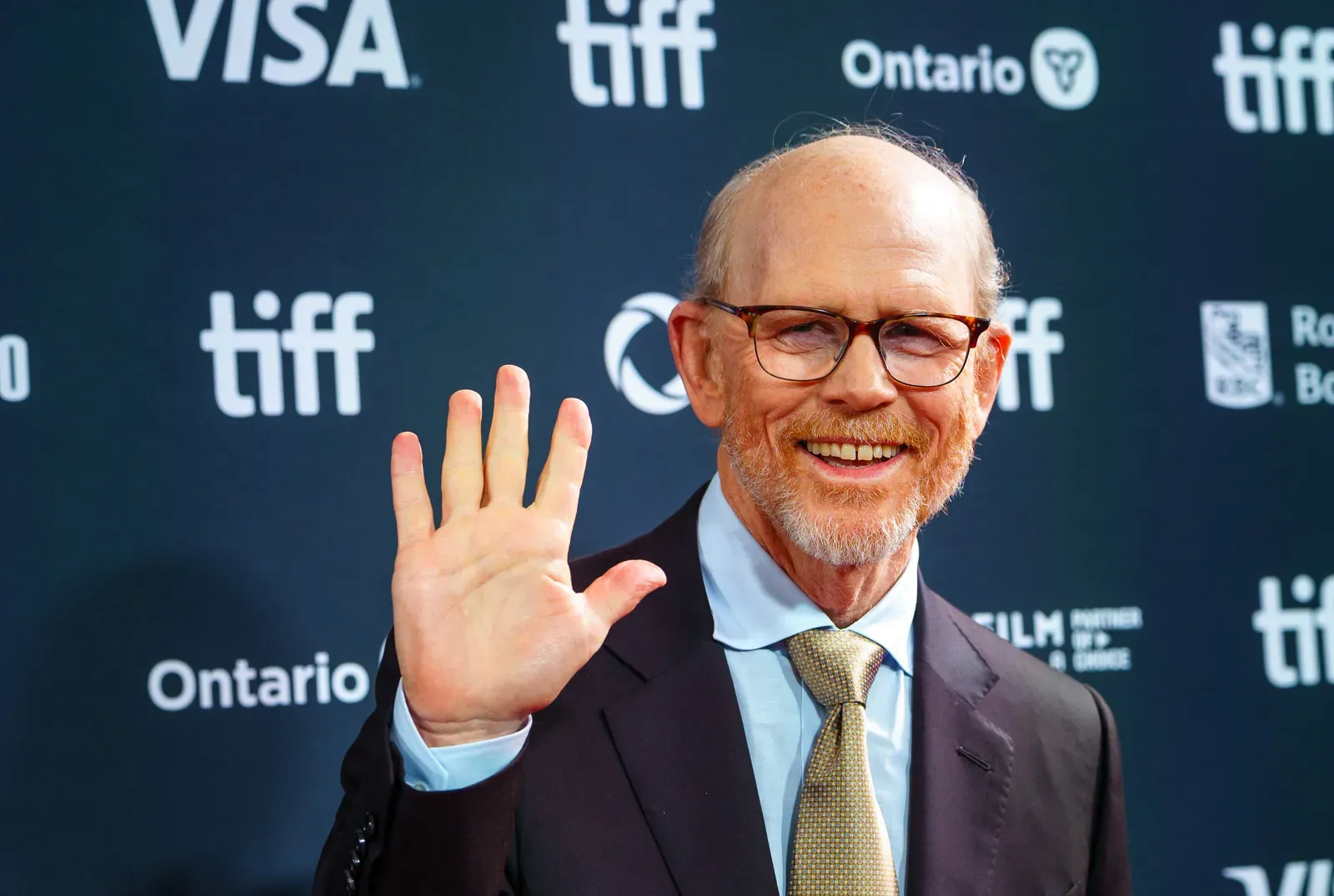
Solo: A Star Wars Story had been in production for months under directors Phil Lord and Christopher Miller before Lucasfilm decided to make a change. In the summer of 2017, four months into filming, Lucasfilm announced directors Phil Lord and Christopher Miller had left the blockbuster over creative differences. Reports suggested their loose, improvisational approach clashed with what the studio and screenwriter Lawrence Kasdan had envisioned.
Ron Howard came in with only months left to finish the film. Howard shot about seventy percent of Solo, thus earning him sole director credit on the movie, with Lord and Miller receiving executive producer acknowledgments. It was an unusual assignment for a director already known for Apollo 13 and A Beautiful Mind, but it added another entry to his long list of high profile studio rescues.
7. Zack Snyder on Watchmen
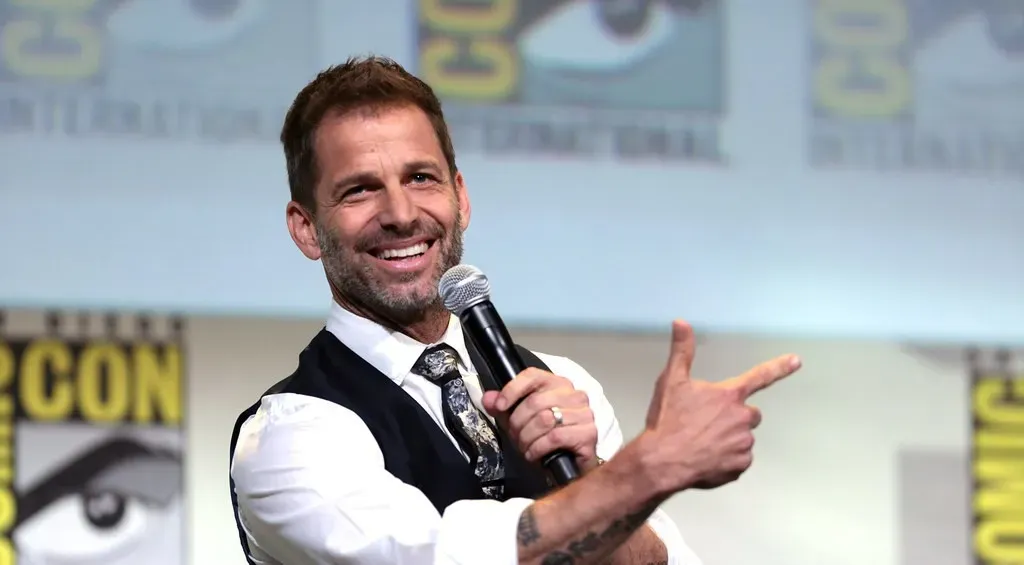
Watchmen sat in development limbo for close to two decades before Zack Snyder ever touched it. Terry Gilliam was one of the earliest directors attached, working on the project through the early 1990s before walking away entirely. Producers began developing the project at 20th Century Fox, later moving it to Warner Bros., and hiring director Terry Gilliam, who eventually left the production and deemed the complex comic unfilmable.
Several other directors, including Darren Aronofsky and Paul Greengrass, cycled through attachment to the project before it finally landed with Snyder. The project exchanged hands numerous times before finding its way back to Warner Bros., where the studio decided to hire Zack Snyder after being impressed by his work adapting 300. Watchmen became one of the more divisive comic book adaptations of its era, but it cemented Snyder as a director capable of handling dense, visually ambitious source material, setting the stage for his later run with DC’s superhero universe.
8. Christopher Nolan on Interstellar
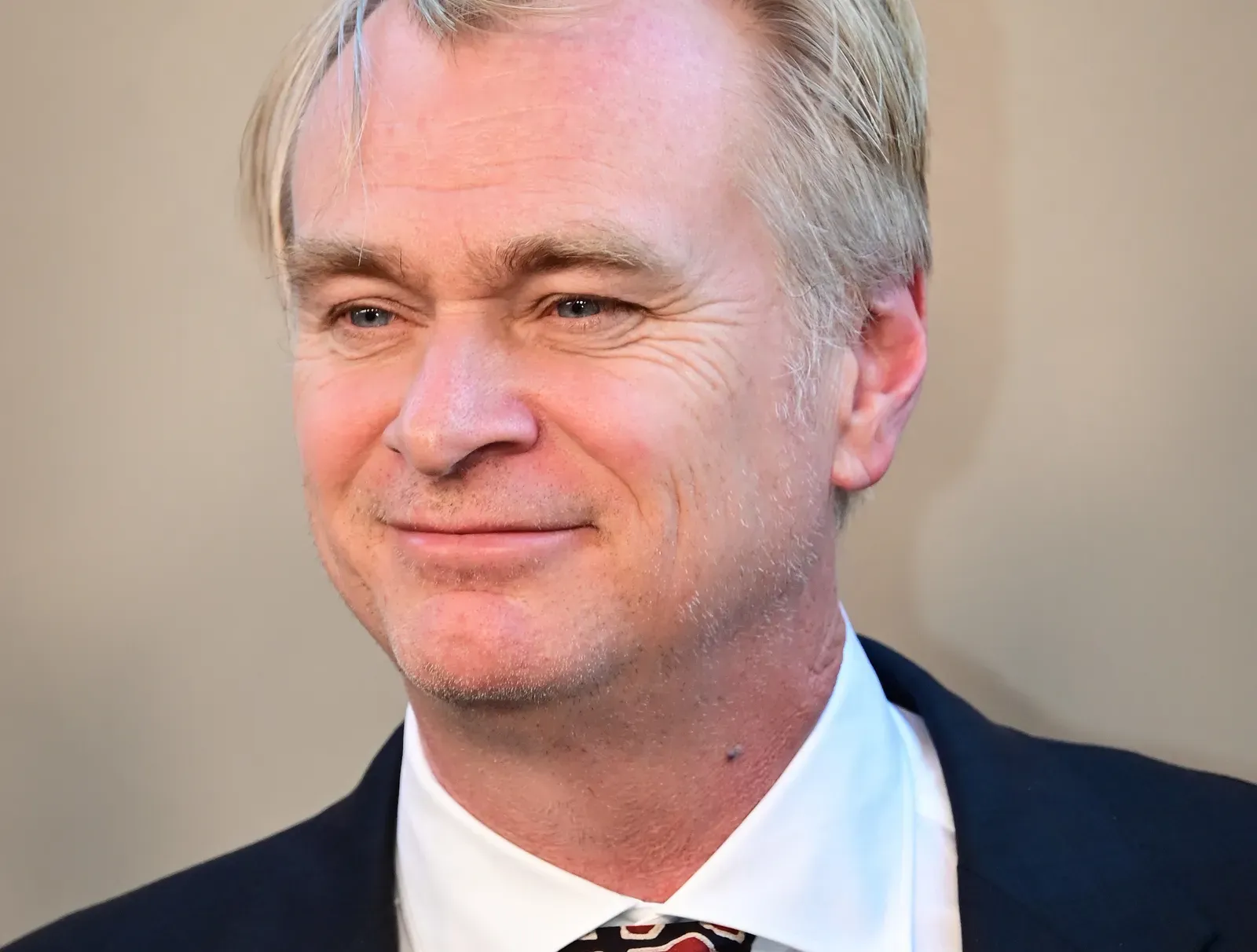
Interstellar began its life as a Steven Spielberg project, developed alongside screenwriter Jonathan Nolan starting in the mid 2000s. Steven Spielberg was originally meant to take the reins on the project, having been developing it alongside screenwriter Jonathan Nolan since 2006, but when DreamWorks struck a distribution deal with Disney, Spielberg became unavailable. The studio shuffle left the project without its intended director.
Jonathan Nolan’s brother, Christopher Nolan, was a natural fit given the family connection and his own track record with ambitious, effects-heavy filmmaking. Nolan reworked the material into something distinctly his own, and Interstellar became one of the defining science fiction films of the 2010s. It is a reminder that even an already famous director can see his career reshaped by another filmmaker’s exit, since Interstellar became one of the pillars of Nolan’s reputation as a director capable of blending big ideas with big spectacle.
These stories share a common thread. A departure that looked like bad news at the time, whether from burnout, creative disagreement, or scheduling conflicts, ended up clearing space for someone else to make a mark. Some of these directors were already known before their big break, others were relative unknowns handed an unexpected opportunity, but in every case the finished film became inseparable from the person who stepped in when the door opened.Partner offer
Planning a trip to Vegas?
Compare hotel rates and show tickets on VEGAS.com.