Every franchise eventually faces the same fork in the road. Stick close to what worked, or gamble on something new and risk losing the people who showed up in the first place. Most sequels split the difference, tweaking a formula just enough to feel fresh without feeling foreign.
Then there are the outliers, the sequels that didn’t just tweak the formula but tore it up entirely. Some of these swings were bold experiments that just didn’t land with longtime viewers. Others changed so much about tone, character, or mythology that longtime fans felt like they were watching a completely different story wearing a familiar name.
1. Highlander II: The Quickening (1991)
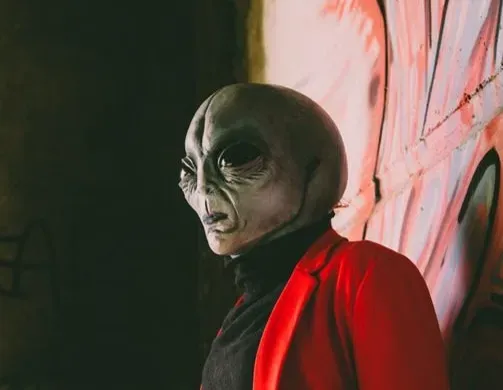
The original Highlander built a cult following around a fairly simple premise: immortal swordsmen from centuries past, duking it out in modern New York until only one remains. It was moody, mythic, and self-contained enough that fans didn’t need much more explanation than that. Then the sequel arrived five years later and decided the immortals weren’t ancient humans at all, but exiled aliens from a planet called Zeist.
The screenwriters decided to discard much of the mythology that made the first film such a cult favorite by making the Immortals aliens from the planet Zeist who battle on a dystopian Earth of 2024. One critic later compared the shift to imagining “a Star Wars sequel in which all the characters are 1950s California teens, except for Luke Skywalker, who is a World War I pilot for some reason”. The backlash was so severe that later Highlander films and the TV series simply pretended the sequel never happened, quietly erasing it from continuity altogether.
2. Halloween III: Season of the Witch (1982)

Halloween and Halloween II gave audiences Michael Myers, a silent killer stalking suburban Illinois on one specific night. Producers originally planned to turn Halloween into an anthology series with a new standalone horror story every year, and the third film abandoned Michael Myers entirely in favor of a plot about a sinister Halloween mask company and ancient Celtic witchcraft.
Audiences who bought tickets expecting a masked killer got a strange, unrelated tale involving robots and a corporate conspiracy instead. The reaction was swift confusion mixed with disappointment, and the anthology idea died on the spot. Michael Myers returned for the fourth film, and Halloween III has spent decades being reassessed as an odd curiosity rather than the betrayal many original fans felt at the time.
3. Star Wars: The Last Jedi (2017)
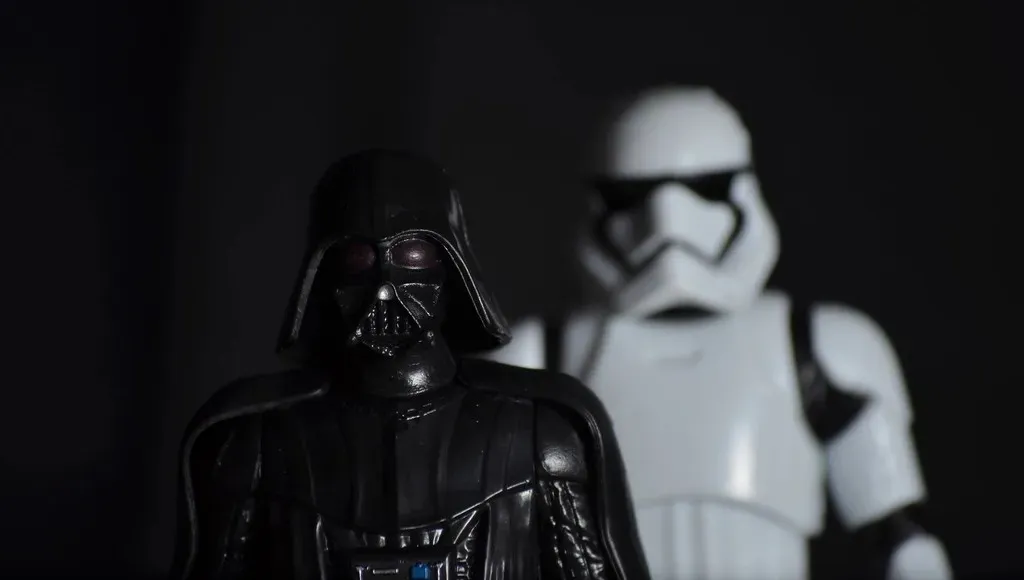
Few modern sequels split a fanbase quite as cleanly as this one. The film’s marketing did not reflect its subversiveness, leading to fan expectations not being met, and many choices surrounding Rey’s lineage, Snoke’s character, and Luke’s storyline caused controversy due to fan anger at prevalent theories not being catered to. Longtime viewers who expected a continuation of established mysteries instead got a film actively pushing back against them.
The Last Jedi opened to the second-biggest domestic weekend ever without accounting for inflation, and was retaining fairly sterling reviewer scores on Metacritic and Rotten Tomatoes, yet audience reactions on sites such as Metacritic showed positive and negative reviews running neck and neck. It sparked a new, unprecedented wave of anger and hate from the Star Wars fandom, and director Rian Johnson received death threats in the aftermath, a reaction that still gets debated in fan circles years later.
4. The Matrix Resurrections (2021)
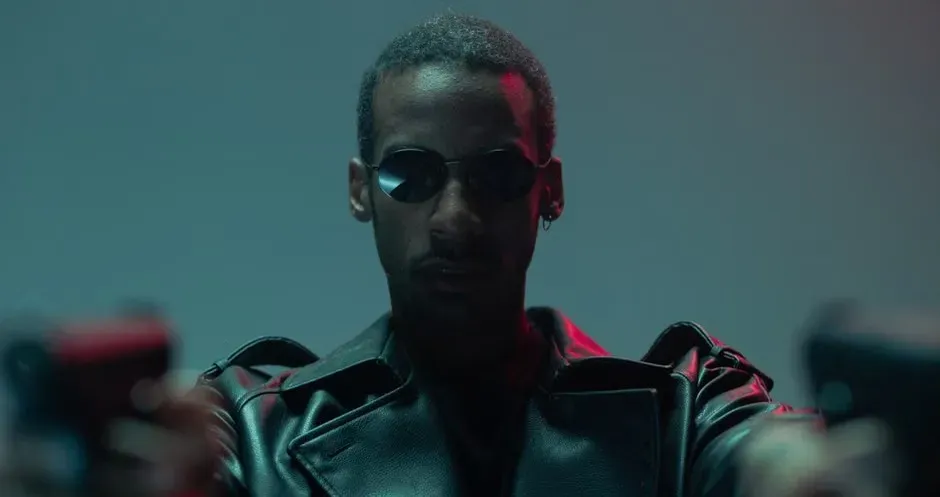
The Matrix trilogy built its reputation on stylish action and heady philosophical questions about simulated reality. Nearly two decades later, Resurrections arrived as something closer to a meta commentary on its own franchise, spending large stretches of runtime critiquing corporate sequel culture and reflecting on the nature of legacy filmmaking itself.
Partner offer
Fans expecting bullet-time gunfights and dojo showdowns instead got a slower, more introspective film that seemed almost uninterested in delivering typical action beats. The self-aware tone, including characters directly discussing why a studio would want to revive an old franchise, struck many longtime viewers as a strange choice for a movie meant to satisfy pent-up nostalgia. It performed modestly at the box office and remains one of the more polarizing entries in the series among original devotees.
5. Terminator: Genisys (2015)
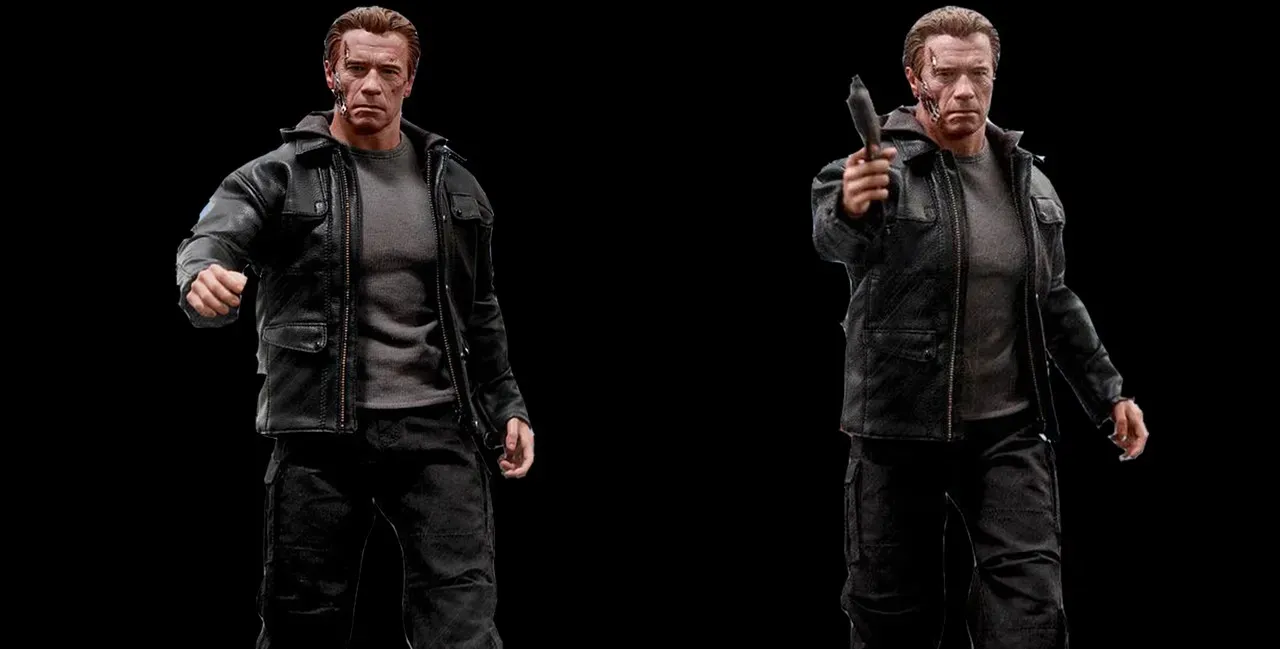
The Terminator series had already weathered a few uneven sequels by the time Genisys arrived, but this one took a different approach by rewriting the timeline established in the original 1984 film almost from scratch. Key relationships between Sarah Connor, Kyle Reese, and the original Terminator were restructured in ways that fundamentally altered the emotional core fans had known for thirty years.
Longtime followers who had invested in the mythology of Skynet and the resistance found themselves watching a story that treated the original timeline as something to be casually rewritten rather than honored. Critics and audiences alike found the plot convoluted, and the film underperformed relative to expectations given its budget and star power. It stands as a reminder that changing the past within a franchise can feel like erasing the very history fans came to care about.
6. Indiana Jones and the Kingdom of the Crystal Skull (2008)
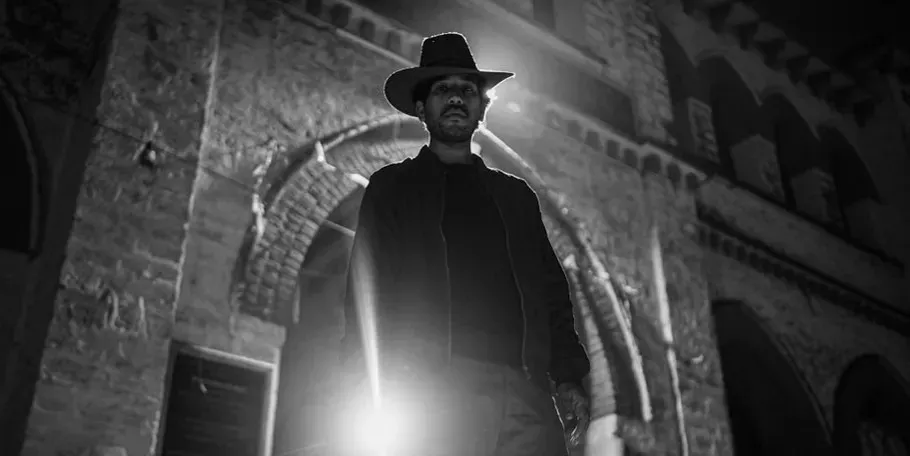
Indiana Jones spent three films firmly rooted in biblical relics, Nazi villains, and grounded pulp adventure, even when that adventure involved supernatural elements. The fourth installment shifted the mythology toward extraterrestrial artifacts and interdimensional beings, a tonal jump that felt closer to science fiction than the archaeological thrillers that built the character’s reputation.
Longtime fans who grew up on the original trilogy’s blend of history and myth found the alien angle jarring, arguing it clashed with the series’ established rules about what kind of mysteries Indy typically unraveled. The film still performed well commercially, but it became something of a punchline among devoted fans, frequently cited as the point where the franchise lost its footing. Later sequels have largely avoided leaning on that particular twist again.
7. Ghostbusters (2016)
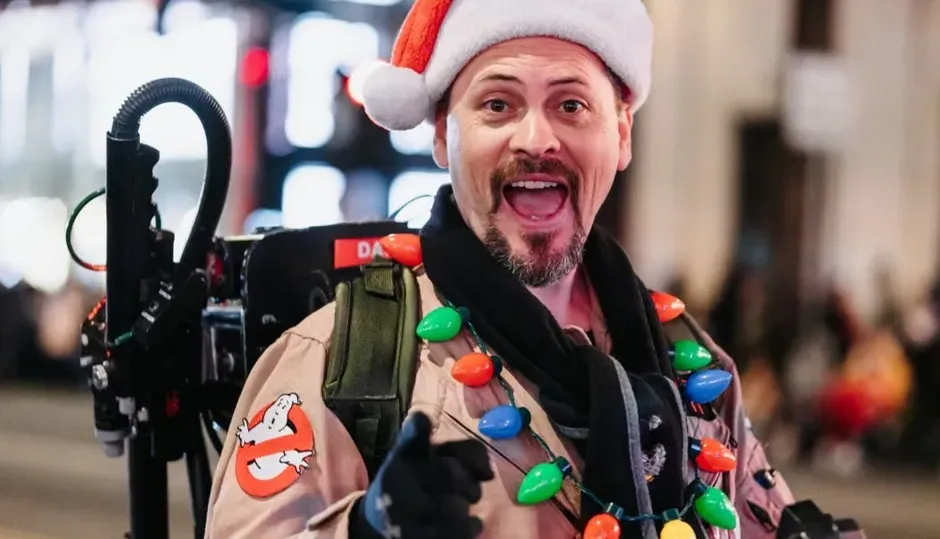
Technically a reboot rather than a direct sequel, this version of Ghostbusters still carried enough connective tissue and cultural weight to draw comparisons with a traditional franchise follow-up. The decision to recast the central team with an entirely new cast and comedic sensibility, while largely sidelining the original characters, felt to many longtime fans like a rejection of what made the 1984 film beloved in the first place.
The backlash arrived before the film even premiered, fueled by trailer reactions and online debates that often turned hostile and, in some corners, openly sexist toward the new cast. That toxic discourse overshadowed legitimate conversations about tone and pacing, though many original fans maintained their issues were about story execution rather than the cast itself. The film underperformed at the box office relative to its budget, and the franchise later returned to more traditional continuity with Ghostbusters: Afterlife and its sequels, treating the 2016 film as something of a standalone detour.
What ties these seven together isn’t simply that they changed things. Change is often necessary for a franchise to stay interesting over time. The common thread is that each film altered something fans considered foundational, whether that was mythology, tone, character relationships, or the basic rules of the world, without enough narrative groundwork to bring longtime viewers along for the ride.
Some of these films have aged into cult curiosities, reassessed with a bit more patience than they received on release. Others remain sore spots, still debated in forums and comment sections decades later. Either way, they serve as useful case studies in how much a franchise can bend before its most devoted audience decides it has broken entirely.
Partner offer
Planning a trip to Vegas?
Compare hotel rates and show tickets on VEGAS.com.