Film and television sets run on schedules, budgets, and a whole lot of patience. Most disagreements between actors and directors get resolved with a quiet conversation, a rewritten scene, or a compromise nobody talks about publicly. But sometimes the tension boils over completely, and an actor simply leaves, mid-shoot or mid-contract, and never sets foot on that soundstage again.
These eight cases span decades and genres, from network procedurals to blockbuster franchises. Some walkouts were quiet and calculated. Others were messy, public, and expensive. All of them changed the projects they left behind.
1. David Caruso leaves NYPD Blue mid-stride
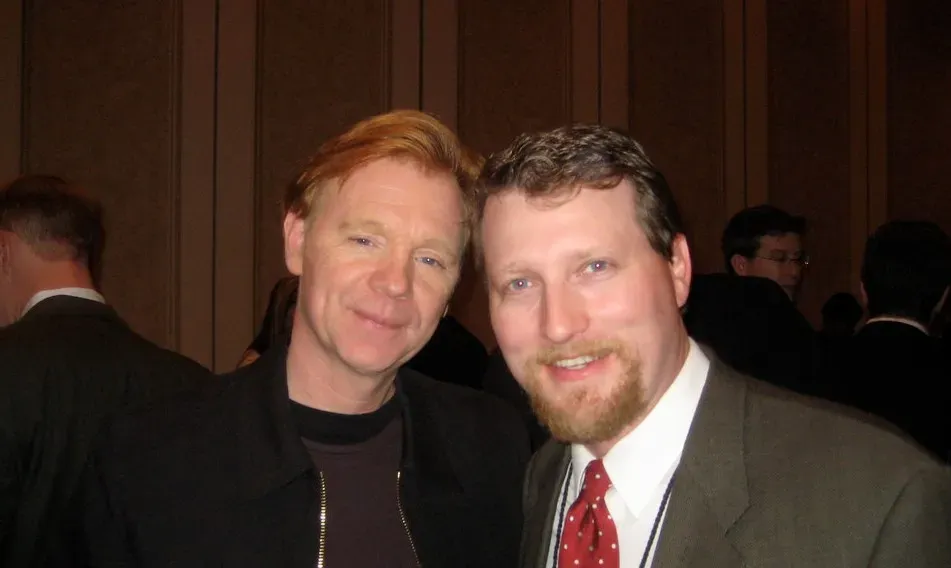
David Caruso’s exit from NYPD Blue remains one of the most literal walkouts in television history. According to a profile years later, when he finished filming his final scene, Caruso literally kept walking through the doors, away from the camera and off the set, with no goodbyes, no farewell handshakes, and no misty-eyed hugs. By the time production wrapped that day, he was simply gone.
The departure came early, just a handful of episodes into the show’s second season, after he made the decision to leave after the network refused to give him a sizable raise. He chased movie stardom instead, and while the films did not deliver the career he hoped for, he never returned to the 15th Precinct. Detective John Kelly was written off, and Caruso did not resurface as a major television lead again until CSI: Miami nearly a decade later.
2. Marlon Brando storms off The Island of Dr. Moreau
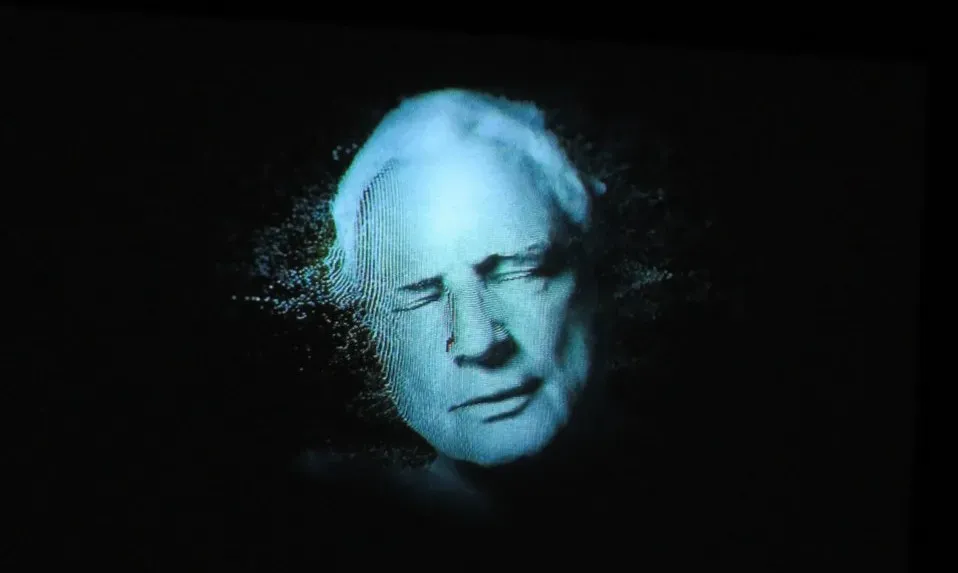
By the mid-1990s, Marlon Brando had little patience left for difficult productions, and the New Guinea-set adaptation of The Island of Dr. Moreau tested every last bit of it. During the tumultuous filming, Brando reportedly had enough of the chaotic production and clashed with director John Frankenheimer. The shoot was already infamous for its dysfunction before Brando added his own chapter to it.
After heated disagreements and a slew of bizarre circumstances, including a disgruntled crew and a script nobody seemed to believe in, Brando packed his bags and left the set. Other accounts describe him refusing to learn lines and disappearing into his trailer for long stretches while the crew waited. He never returned to finish the shoot on his original terms, and the finished film became better known for its behind-the-scenes chaos than for anything that ended up on screen.
3. Jean-Claude Van Damme abandons Predator
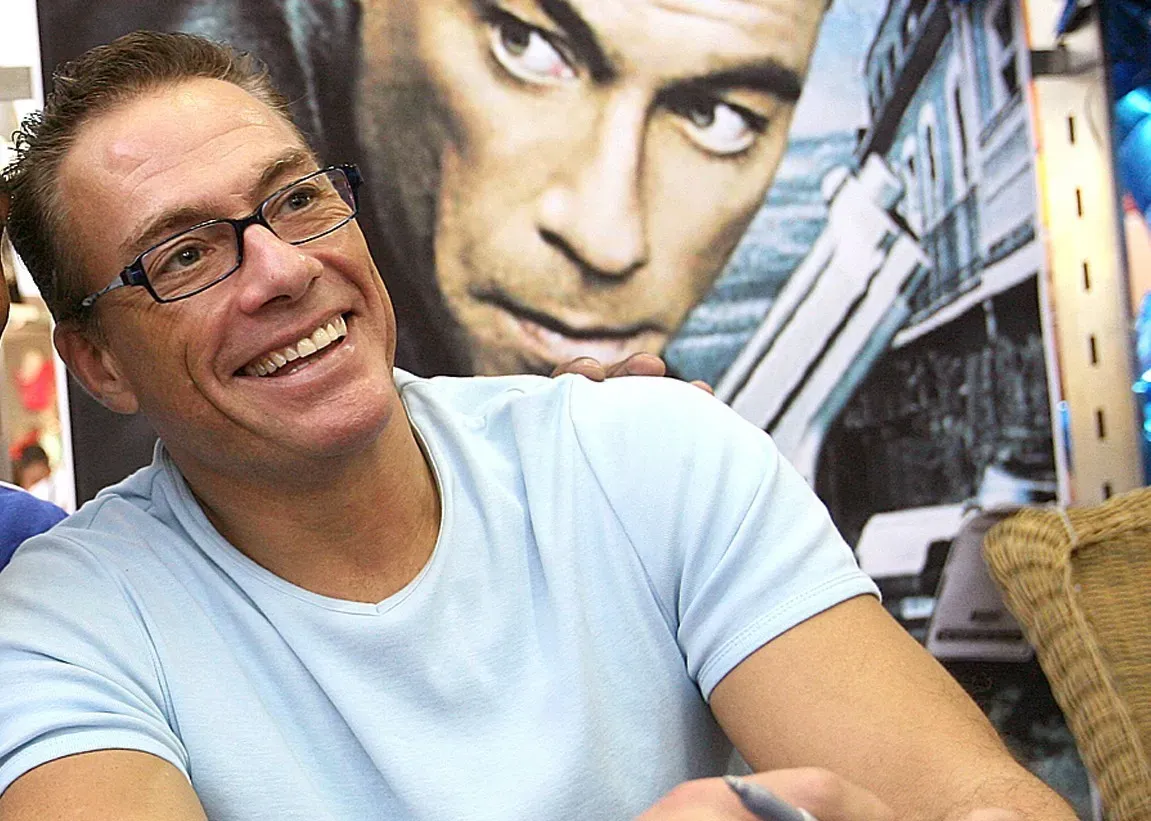
Before Kevin Peter Hall ever wore the iconic mask, Jean-Claude Van Damme was cast as the alien hunter in 1987’s Predator. The role sounded like a perfect fit for a martial artist, but the costume told a different story. He became increasingly unhappy with the red cloaking suit he was required to wear, which he found hot and difficult to move in.
Van Damme reportedly walked off the set after realizing the role was more of a stunt-heavy creature part than a martial arts showcase, and the production eventually replaced him with Kevin Peter Hall and redesigned the creature to be significantly taller. It turned out to be one of those rare walkouts that benefited everyone involved. The redesigned Predator became a horror icon, and Van Damme moved on to build his own action career elsewhere.
4. James Purefoy exits V for Vendetta over the mask
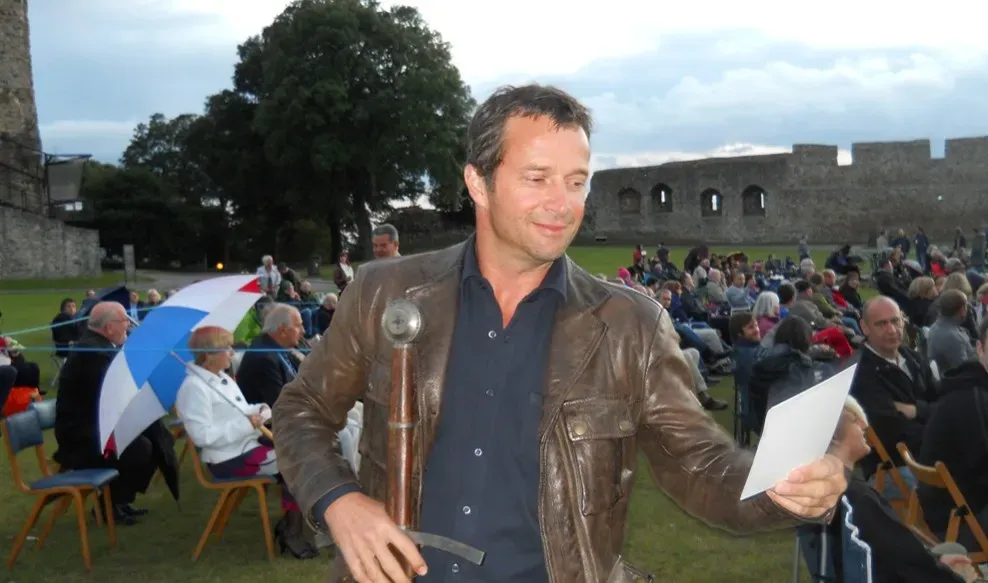
James Purefoy signed on to play the lead in the 2005 adaptation of V for Vendetta, a role built entirely around a character whose face the audience never sees. It sounded workable on paper, but the reality of performing an entire film behind a fixed expression wore on him quickly. After filming for six weeks, Purefoy walked away from the project because of frustrations regarding the character’s iconic mask.
He felt that the inability to show his face limited his performance and created a disconnect with the role. Hugo Weaving stepped in to finish the film, delivering the performance most audiences now associate with the Guy Fawkes mask. Purefoy has spoken about the decision candidly in interviews since, treating it as a lesson learned rather than a regret to hide from.
5. Kel O’Neill’s brief run on There Will Be Blood
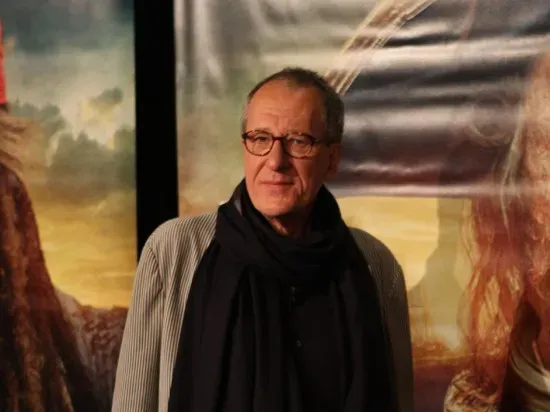
Long before Paul Dano became known for playing Eli Sunday, the young preacher in Paul Thomas Anderson’s There Will Be Blood was actually cast to actor Kel O’Neill. During production, Kel O’Neill was cast as the young preacher Eli Sunday. The role required going toe to toe with Daniel Day-Lewis at the height of his method-acting intensity, and that proved to be more than O’Neill had bargained for.
After several weeks of filming, O’Neill left the set mid-production and did not return to the role, reportedly struggling to maintain the intensity required to work opposite Daniel Day-Lewis. Paul Dano was brought in on short notice, and the script was reworked to make Eli a twin brother of another character to smooth over the recasting. The performance that resulted became one of the most talked-about supporting turns of that decade, which makes the original walkout an unusual footnote in an otherwise celebrated film.
6. Thomas Gibson’s abrupt end on Criminal Minds
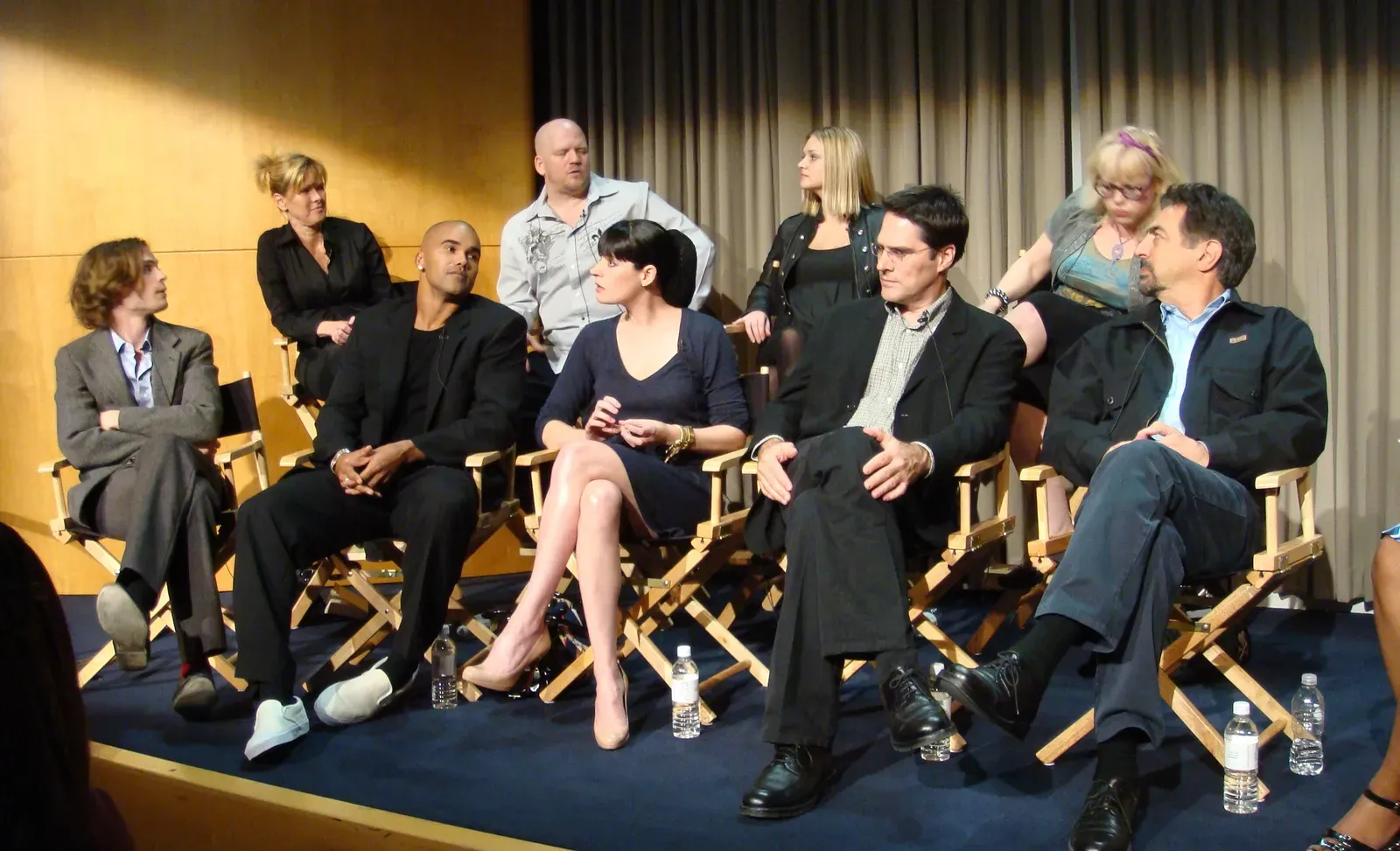
Thomas Gibson had played Aaron Hotchner on Criminal Minds for over a decade when his time on the show ended in a way nobody saw coming. Thomas Gibson was fired from Criminal Minds after a physical altercation with a writer and producer on set. The incident escalated quickly from a workplace dispute into a firing that ended a long-running role almost overnight.
He was initially suspended for two weeks, but the network later decided to terminate his contract permanently. Because the decision came so suddenly, the show never got the chance to properly write off a character who had anchored the series since its premiere. Gibson did not return to film any closing scenes, and Hotchner’s exit was handled through dialogue and offscreen explanation instead.
7. Shannen Doherty’s Charmed exit that stuck
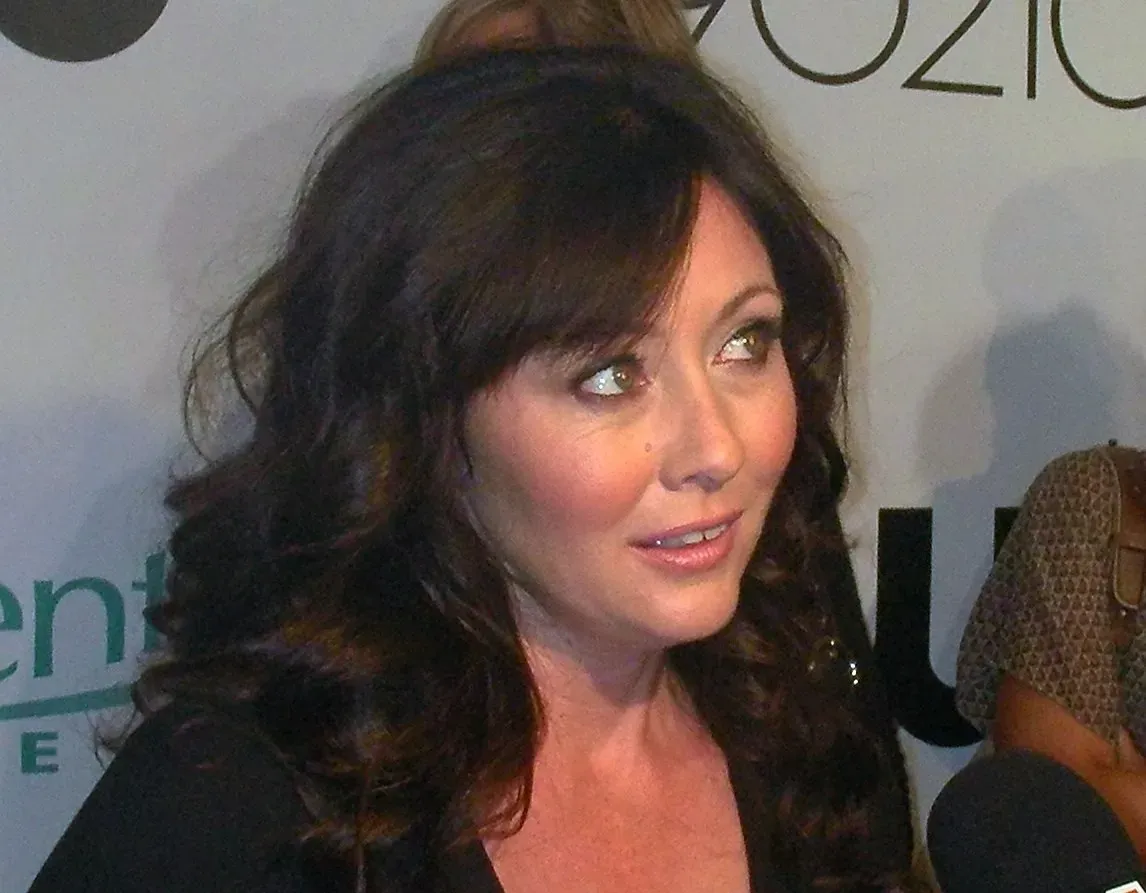
Shannen Doherty played Prue Halliwell for three seasons of Charmed before her run on the show ended abruptly. Doherty was fired from the show around the third season. The reasons behind the firing were debated publicly for years, with Doherty later alleging that co-star Alyssa Milano had pushed producers to choose between the two of them.
What made this exit different from a typical cast departure is that Doherty never went back, not even for a cameo. When later asked about skipping the show’s series finale entirely, she explained that going back to set would have crushed her, adding that even years later, walking on that set would have stirred everything back up for her. Her character was killed off in the season three finale, and she stayed away from the production for good, a decision she stood by for the rest of her life.
8. Wesley Snipes retreats during Blade Trinity
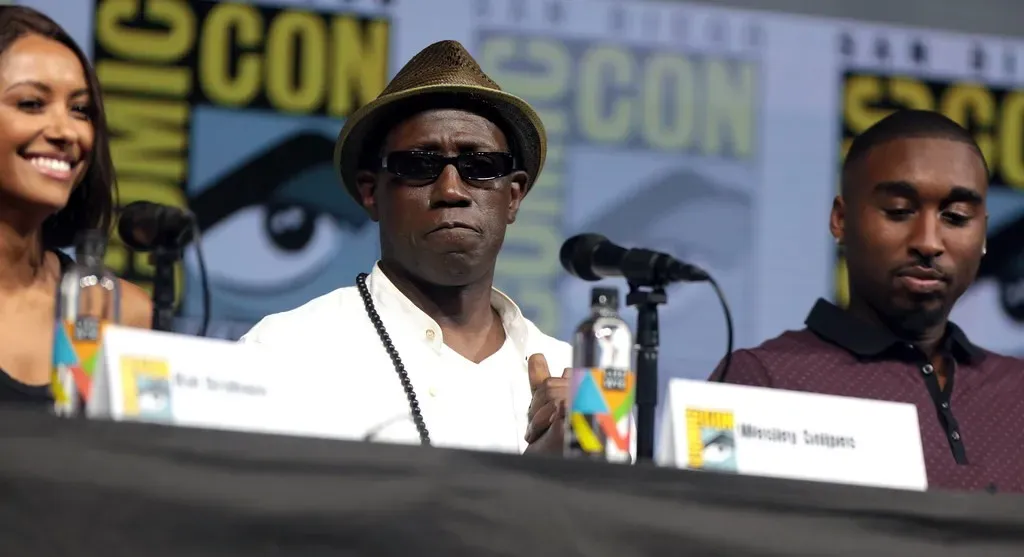
Wesley Snipes had starred in the Blade franchise since 1998, but the third installment turned into a battleground behind the camera. Wesley Snipes famously clashed with the production team during the filming of Blade Trinity. Reports from the set painted a picture of an actor who had essentially checked out of active collaboration with the crew.
Reports suggested that he spent most of his time in his trailer and only communicated with the director via written notes, and he eventually stopped appearing for his scheduled scenes, which forced the crew to use body doubles and digital effects. The film was completed despite the friction, but the relationship between Snipes and the production never recovered. He did not return for another Blade sequel, and the franchise moved on without him for good.
Walkouts like these rarely happen over a single bad day. They tend to build slowly, through unpaid demands, mismatched expectations, or personality clashes that no rewrite can fix. What links all eight of these cases is that once the actor left, the door closed for good, and the production simply had to find another way forward without them.