Some books stay with you for life. Others leave a mark of a different kind, the sort that makes you glance at the spine on your shelf and quietly look away. Plenty of famous titles fall into that second group, praised in classrooms and on bestseller lists, yet rarely picked up a second time.
The reasons vary. Length, bleak subject matter, dense prose, or plain fatigue all play a part. Here are eight well known books that readers often say they finished once and have no plans to revisit.
Infinite Jest by David Foster Wallace

This 1996 novel runs well over a thousand pages, and that includes a long section of endnotes that forces constant flipping back and forth. It has a devoted following, and it’s often named among the defining novels of its generation.
Still, many readers describe one pass as plenty. The commitment is enormous, and the book is as much a project as a story. Some people admire it more than they enjoyed it, which is a common reason for skipping a reread.
Ulysses by James Joyce
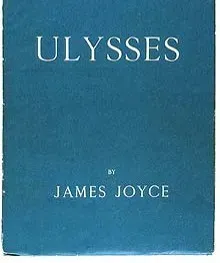
Published in 1922, Ulysses is regularly ranked among the greatest English language novels. It follows a single day in Dublin, but it does so through shifting styles, heavy allusion, and famously difficult stretches of stream of consciousness.
Many readers need a guide or companion text just to get through it once. After that effort, a second trip feels like signing up for another semester. Admiration tends to survive, but the appetite for repeating it often doesn’t.
Moby-Dick by Herman Melville
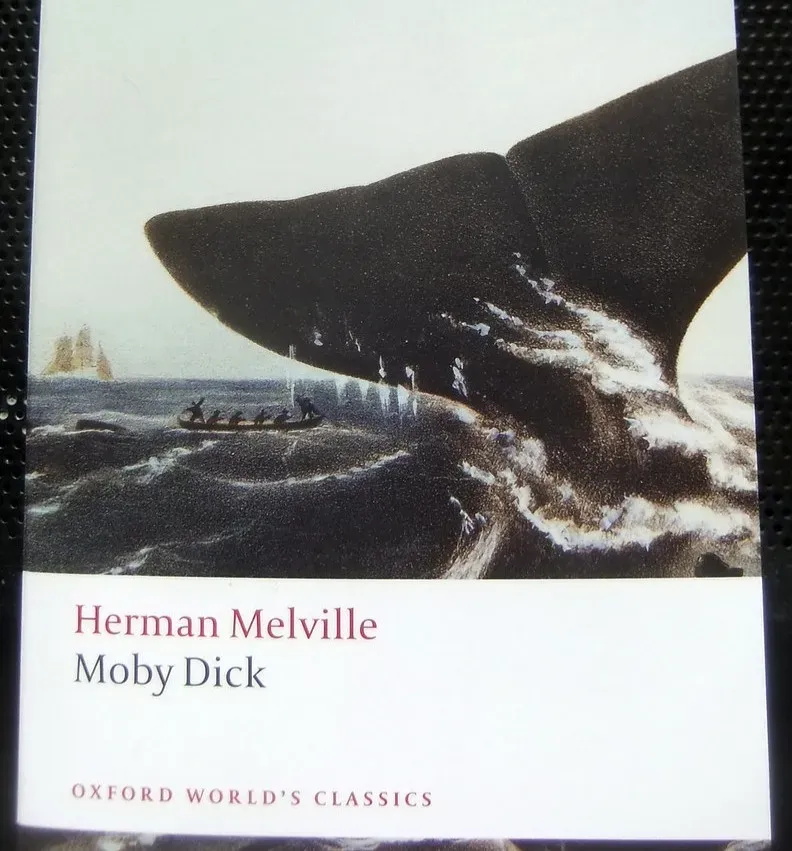
Melville’s 1851 whale hunt is a towering classic, though it didn’t find wide acclaim until well after his death. The story of Captain Ahab is gripping in patches, yet it’s interrupted by long chapters on whaling, ship life, and cetology.
Those digressions are the part readers most often mention. They can feel like a slow tide after the tense scenes. For many, one voyage is enough.
Lolita by Vladimir Nabokov

Nabokov’s 1955 novel is celebrated for its language and its unsettling narrator, a man who justifies his abuse of a child. Critics have long noted that the beautiful prose is part of what makes the book so disturbing.
Partner offer
Readers who admit they won’t return to it usually cite the subject matter, not the craft. It’s a book many respect and few describe as enjoyable. Once the intention of the narrator is understood, going back can feel unnecessary.
The Road by Cormac McCarthy

McCarthy’s 2006 novel won the Pulitzer Prize for Fiction, and it follows a father and son crossing a ruined, ashen America. The writing is spare and powerful, and the emotional weight is heavy from the first pages.
That’s exactly why some readers put it away for good. It’s short, but it lingers, and few people feel a need to feel that bleakness twice. The impact of a first read is hard to duplicate, and many are content to leave it there.
1984 by George Orwell
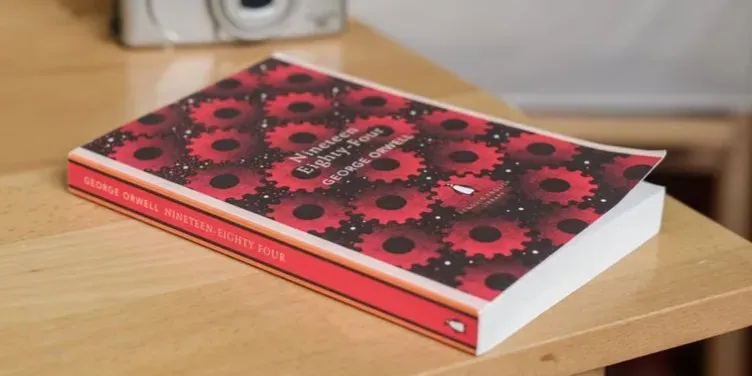
Orwell’s 1949 dystopia gave the language phrases like Big Brother and Room 101, and it keeps returning to bestseller charts whenever politics gets tense. Many people first read it as teenagers for school.
Some say once was enough, since the ending is crushing and the ideas have become so familiar through pop culture. Others feel they already know the book’s message without reopening it. It remains important, yet its grimness makes rereading a hard sell.
Atlas Shrugged by Ayn Rand
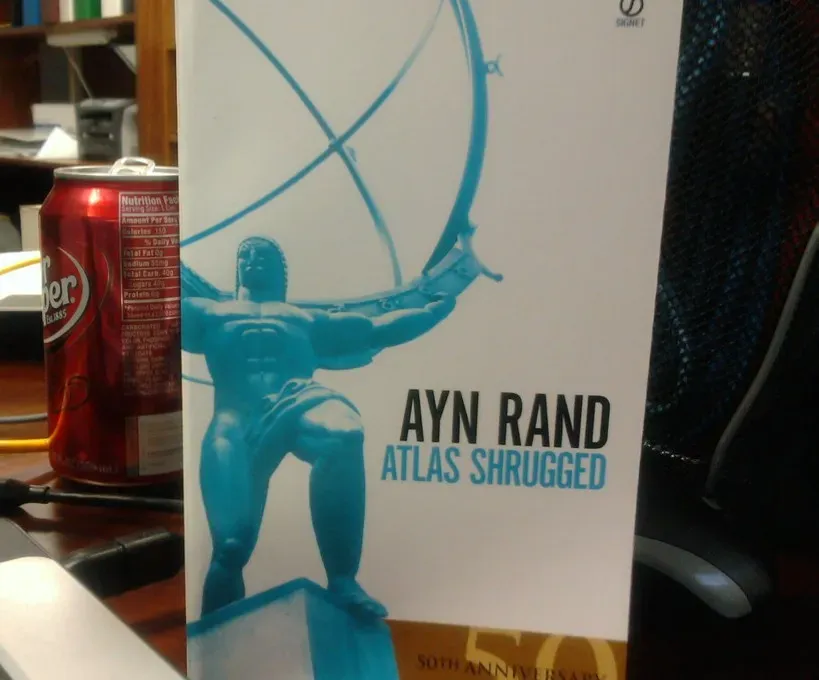
Rand’s 1957 novel is close to a thousand pages, and much of it is taken up by long speeches promoting her philosophy of Objectivism. Its most famous speech alone runs for dozens of pages.
Fans read it repeatedly, but many other readers finish it once out of curiosity and feel done. The characters can seem more like mouthpieces than people. For those readers, the argument was made clearly the first time.
Wuthering Heights by Emily Brontë

Brontë’s only novel appeared in 1847 and is still a fixture on school reading lists. Its wild moors and destructive love story have inspired countless adaptations.
Even so, readers often say they found the characters cruel and hard to like. The nested narration adds another layer of effort. It’s a memorable book, but not always a comforting one to open again.
Partner offer
Planning a trip to Vegas?
Compare hotel rates and show tickets on VEGAS.com.