
Some books get recommended so often that the praise starts to feel automatic, a line repeated without much thought behind it. Then there are the ones that actually earn the reputation, the novels that shift something in how a reader sees the world or remembers a particular kind of ache. This list leans toward the second category, gathering seven works that have held up across generations, cultures, and countless personal rereadings.
None of these picks are meant to be exhaustive or definitive, because no list about literature ever really can be. They are simply seven starting points, each one distinct in tone and scope, that continue to reward readers who give them the time they ask for.
1. One Hundred Years of Solitude by Gabriel García Márquez

Published in 1967, this Colombian novel followed the Buendía family through generations of love, war, and strange recurring fate in the fictional town of Macondo. It became the defining text of magical realism, a style where the fantastic and the mundane sit side by side without much explanation or apology.
Márquez won the Nobel Prize in Literature in 1982, and this book remains the most cited reason why. Readers often mention how the novel’s circular sense of time, where history seems to repeat with small variations, changes how they think about their own family stories long after finishing it.
2. Beloved by Toni Morrison
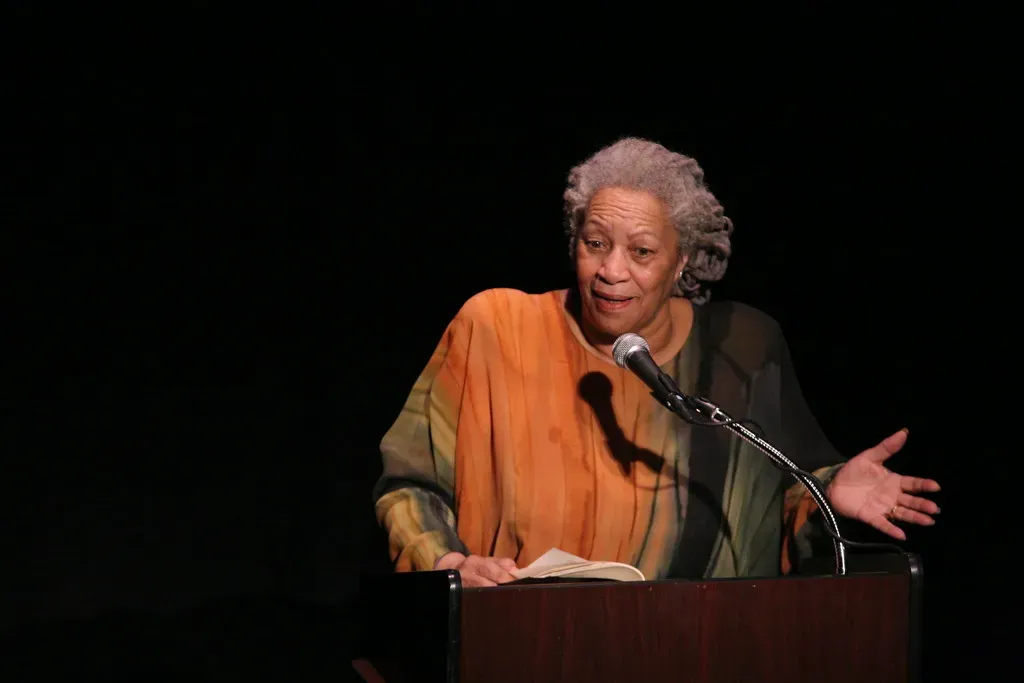
Toni Morrison’s 1987 novel draws loosely on the real story of Margaret Garner, an enslaved woman who killed her own child rather than see her returned to slavery. The book unfolds through fragmented memory and haunting, structured in a way that mirrors trauma itself rather than simply describing it.
Morrison received the Pulitzer Prize for Fiction for Beloved in 1988, and she went on to win the Nobel Prize in Literature in 1993, becoming the first Black woman to receive that honor. The novel is frequently taught in university courses on American history and literature because of how directly it confronts the psychological cost of slavery rather than just its historical facts.
3. Crime and Punishment by Fyodor Dostoevsky

Written in 1866, this Russian novel follows Rodion Raskolnikov, a former student who convinces himself that a murder can be morally justified if the victim is worthless enough to society. What follows is less a crime thriller and more an extended psychological unraveling, as guilt seeps into every corner of his daily life.
Dostoevsky wrote much of the novel while facing serious debt, publishing it in serialized form for a Russian literary journal. The book remains a touchstone in philosophy and psychology courses because of how precisely it maps the internal logic people use to justify their worst decisions.
4. Pride and Prejudice by Jane Austen

Jane Austen published this novel anonymously in 1813, and it centers on Elizabeth Bennet navigating marriage, class, and her own quick temper in early nineteenth century England. The wit in the dialogue still lands today, which is part of why the book has never really gone out of print since its release.
Partner offer
Austen’s sharp observations about social status and personal pride were unusual for the era, especially coming from a woman writing under a pseudonym at first. The novel has inspired hundreds of adaptations, including a notable 2005 film version, but the original text still holds a sharper edge than most of them capture.
5. The Brothers Karamazov by Fyodor Dostoevsky
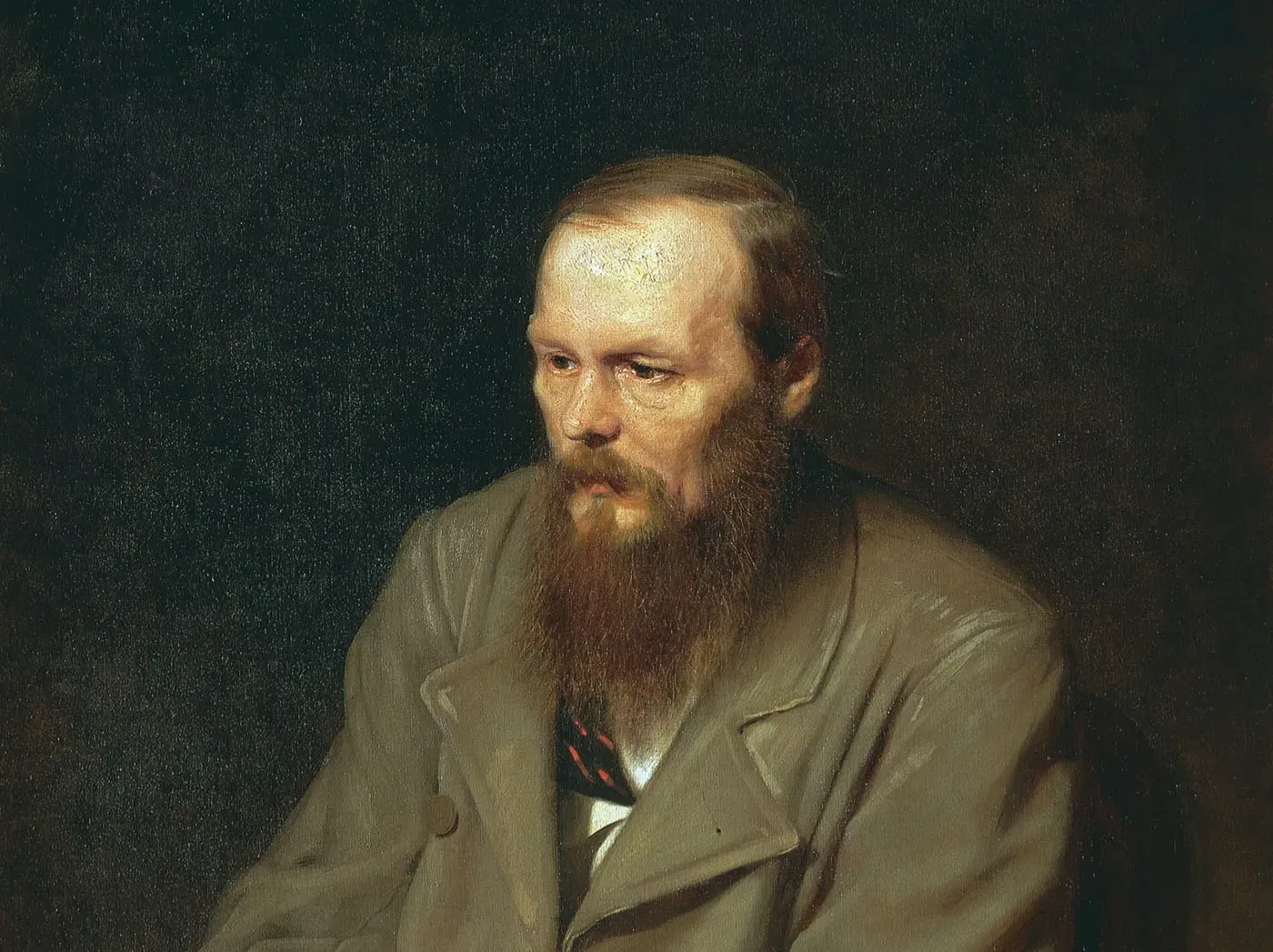
Dostoevsky’s final novel, published in 1880, centers on three brothers and their complicated, often bitter relationship with their father, all set against questions of faith, doubt, and moral responsibility. It is a dense book, but the density comes from genuine philosophical weight rather than unnecessary padding.
The novel is often cited by writers and thinkers as one of the most complete explorations of belief versus skepticism ever put into fiction. Sigmund Freud reportedly called it one of the greatest novels ever written, and it remains a frequent reference point in discussions about theology and existentialism alike.
6. To Kill a Mockingbird by Harper Lee

Harper Lee’s 1960 novel is narrated by Scout Finch, a young girl in Alabama watching her father defend a Black man falsely accused of assault during the Depression era South. The book won the Pulitzer Prize for Fiction in 1961 and has sold more than 40 million copies worldwide since its release.
Lee based parts of the setting on her own childhood in Monroeville, Alabama, which gives the town of Maycomb its lived in, specific feel. The novel remains one of the most frequently assigned books in American schools, valued for how it frames prejudice through a child’s gradually shifting understanding of the adults around her.
7. War and Peace by Leo Tolstoy

Tolstoy’s sprawling 1869 novel follows several aristocratic Russian families during the Napoleonic Wars, weaving personal drama together with detailed historical analysis of the conflict itself. At roughly 1,200 pages depending on the translation, it has a reputation for intimidating readers before they even open the cover.
That reputation is a little unfair, since Tolstoy’s prose moves with surprising clarity even during the more philosophical passages on history and free will. The novel is often described as one of the finest examples of realist fiction, largely because Tolstoy treats both battlefield chaos and quiet domestic moments with the same careful attention.
Each of these seven novels approaches its subject from a different angle, whether that is historical trauma, personal guilt, social class, or the slow unfolding of belief. Taken together, they represent a range of literary traditions that continue to shape how readers think about fiction’s ability to hold complicated truths.
Partner offer
Planning a trip to Vegas?
Compare hotel rates and show tickets on VEGAS.com.