Most people think of great teachers as quiet figures standing at the front of a room. The reality is often far more complicated, and far more interesting. History’s most celebrated educators were soldiers, social outcasts, physicians, and rebels whose personal lives carried just as much weight as the lessons they delivered.
The stories behind these eight figures tend to unsettle the comfortable images we’ve built around them. A few were despised by their own communities. Some lived in exile. One charged no fees, owned almost nothing, and still ended up executed. Their influence, though, turned out to be nearly impossible to stop.
1. Socrates: The Teacher Who Denied Being One

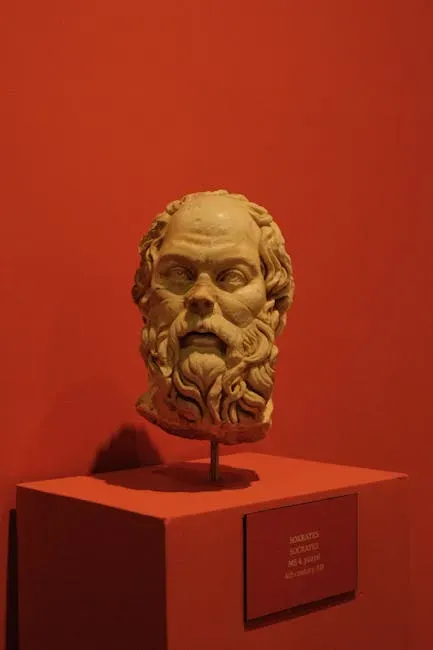
Cutting a distinct figure in fifth century BCE Athens with his unkempt clothing and long hair, Socrates conducted his classes in the marketplace and other public areas by engaging passersby in discussions designed to winnow out the truths of existence from popular wisdom and ingrained assumptions. His style of teaching involved not conveying knowledge, but rather asking question after clarifying question until his students arrived at their own understanding.
Socrates was widely hated in Athens, mainly because he regularly embarrassed people by making them appear ignorant and foolish. He was also an outspoken critic of democracy, which Athenians cherished. Ironically, he claimed he wasn’t a teacher during his trial for corrupting the minds of Athenian youth, though that may have been part of what was ultimately a failed attempt to stave off execution. Socrates wrote nothing himself, so all that is known about him is filtered through the writings of a few contemporaries and followers, most notably his student Plato.
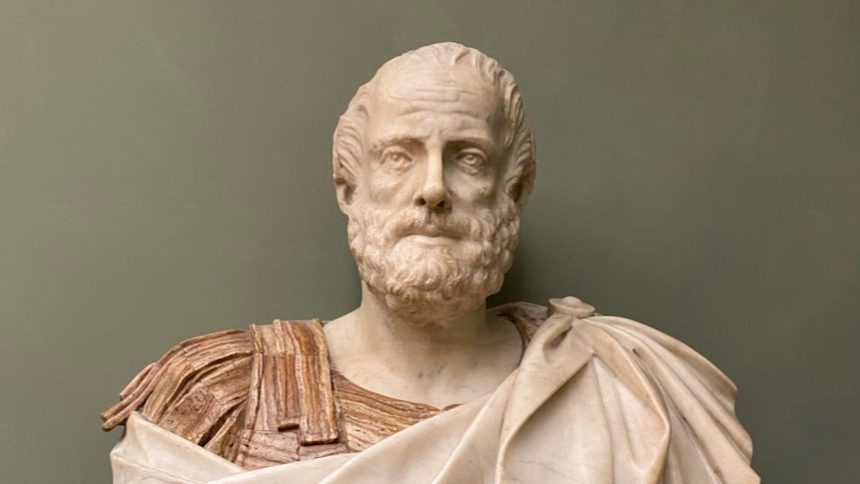
2. Aristotle: The Tutor Whose Classroom Was a Temple

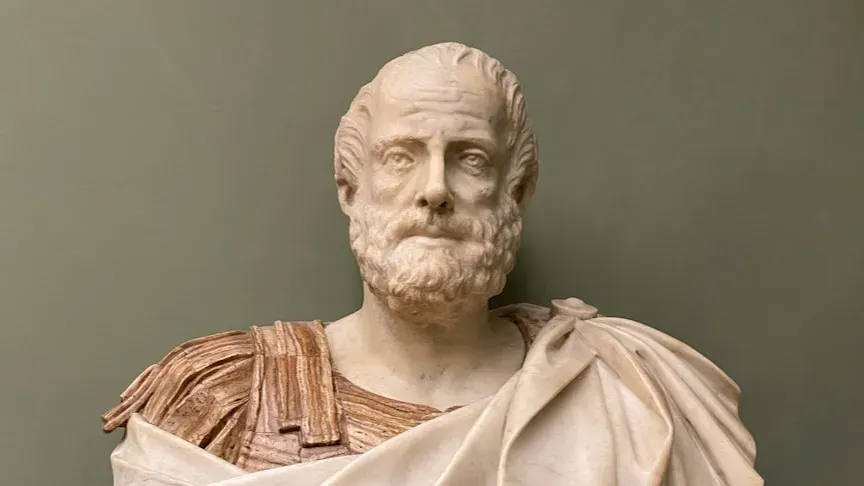
Around 343 BCE, King Philip II of Macedon called upon the prolific Greek philosopher Aristotle to tutor his 13-year-old son, Alexander III, who later became known as Alexander the Great. Philip II hired Aristotle in hopes of molding his young heir into a well-educated and cultured leader, fearing that military prowess alone wouldn’t be enough to command respect. Philip chose Aristotle and provided the Temple of the Nymphs at Mieza as a classroom. In return for teaching Alexander, Philip agreed to rebuild Aristotle’s hometown of Stagira, which Philip had razed, and to repopulate it by buying and freeing the ex-citizens who were slaves, or pardoning those who were in exile.
Under Aristotle’s tutelage, Alexander developed a passion for the works of Homer, and in particular the Iliad; Aristotle gave him an annotated copy, which Alexander later carried on his campaigns. Aristotle also established his own school, the Lyceum, covering everything from ethics and politics to biology. The relationship between teacher and student was not without tension. When Alexander started hiring foreigners in his army and administration, the relationship cooled, as Alexander wanted to expand the world and prove what a mixture of people could do and be.
3. Confucius: A Government Failure Who Became the World’s Most Influential Teacher

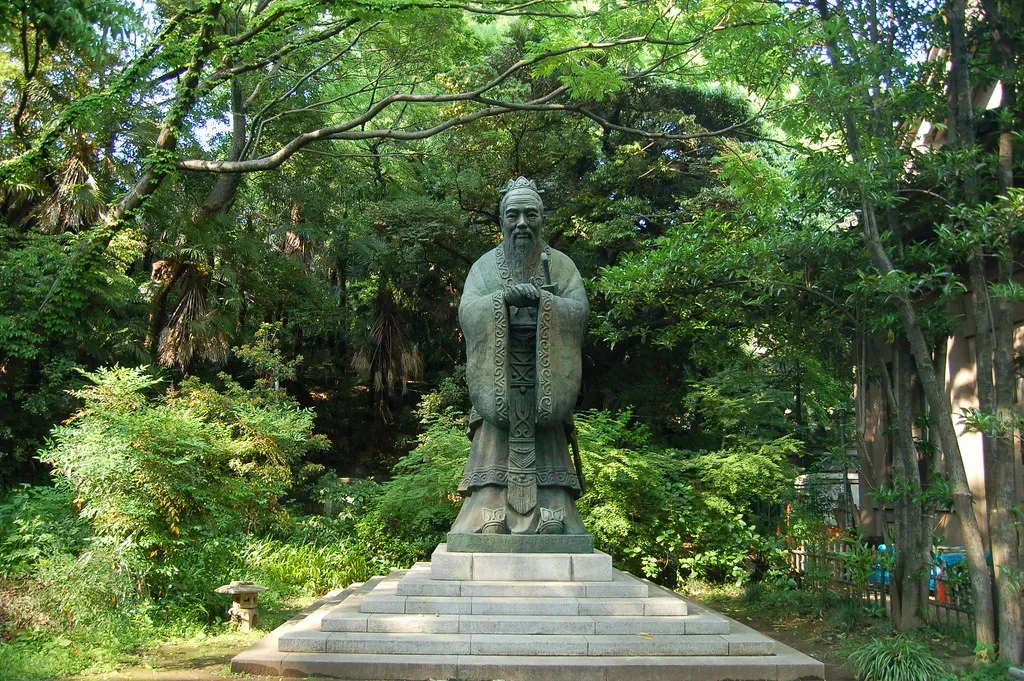
Long before formal schools existed, Confucius taught in China more than 2,000 years ago. He believed education should cultivate morality, respect, and wisdom rather than simply pass along facts. His teachings spread through oral tradition and later through texts that shaped Chinese society and influenced educational philosophy across Asia.
One fascinating fact is that Confucius was first and foremost a teacher. Over 2,500 years ago, he began teaching a small circle of students about ethics, morality, and governance. His classroom was simple, but his lessons built the foundation of Confucianism, shaping Chinese culture and influencing much of Asia for centuries. What is less widely known is that Confucius spent much of his life in political failure and wandering exile, trying unsuccessfully to persuade rulers to adopt his ideas before returning home in his later years to dedicate himself entirely to teaching.
4. Maria Montessori: Italy’s First Female Doctor Who Rewrote Childhood

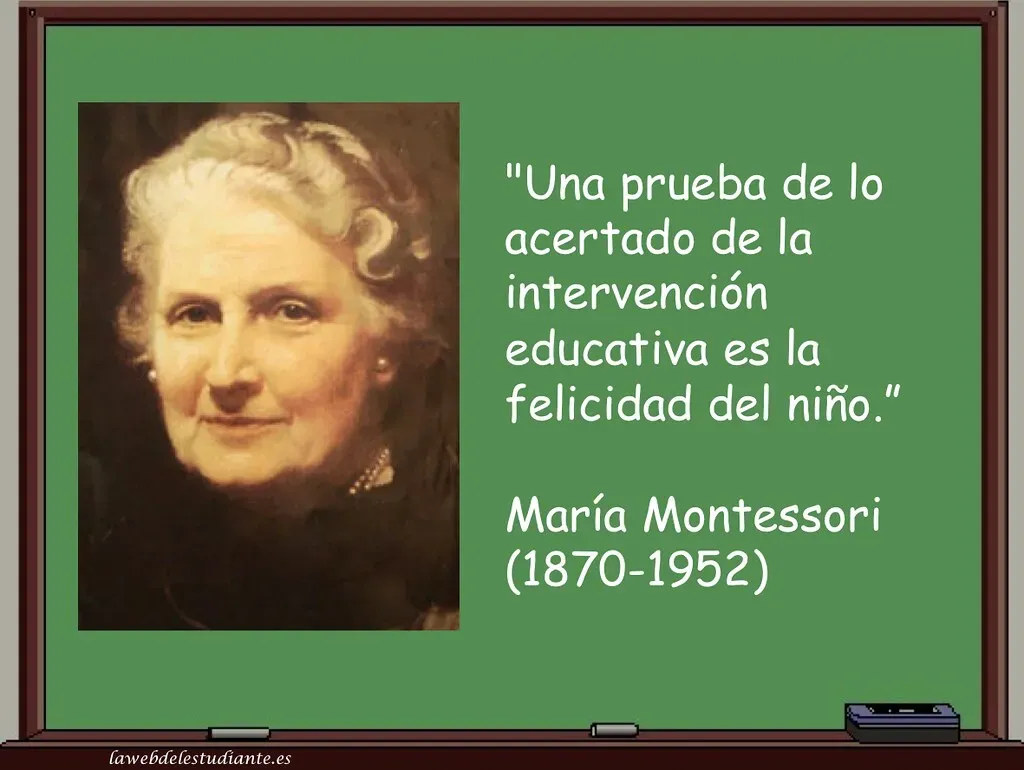
Facing her father’s resistance but armed with her mother’s support, Montessori went on to graduate with high honors from the medical school of the University of Rome in 1896, becoming the first female doctor in Italy. As a doctor, Montessori chose pediatrics and psychiatry as her specialties. Some of her medical studies had to be done by herself at night because, in that day, it was considered improper for a woman to dissect the human body in the presence of men.
Montessori’s success with developmentally disabled children spurred her desire to test her teaching methods on normal children. In 1907 the Italian government afforded her that opportunity. Montessori was placed in charge of 60 students from the slums, ranging in age from 1 to 6. The school, called Casa dei Bambini, enabled Montessori to create a prepared learning environment she believed was conducive to sense learning and creative exploration. By 1933 the Nazis had closed all of the Montessori schools in Germany, with Mussolini doing the same in Italy. She continued her work in exile, undeterred.
5. Anne Sullivan: A Half-Blind Teacher Who Changed What We Believe Is Possible

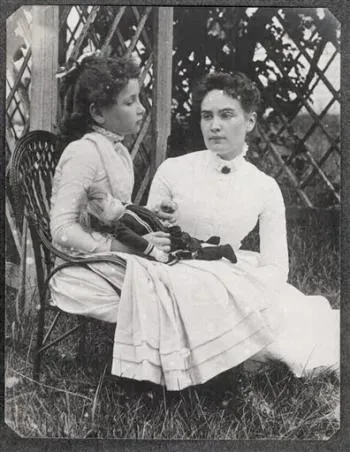
Rendered partially blind by disease and orphaned at an early age, Anne Sullivan had already faced numerous challenges by the time she agreed to teach a 6-year-old deaf and blind girl named Helen Keller. Sullivan famously penetrated her student’s shell by holding one of Keller’s hands under running water and tracing the word “water” on the other, commencing a series of accomplishments that remain awe-inspiring more than a century later.
Anne Sullivan is known as the teacher of Helen Keller, who was an American author and disability advocate who had lost both her sight and hearing when she was 19 months old. Sullivan, who was visually impaired herself, was able to overcome Keller’s lack of language through her teaching and enabled her to learn to communicate and become a world-renowned author and activist. When Anne Sullivan began working with Helen Keller in the late 19th century, most believed that a deaf and blind child could never communicate with the outside world. Sullivan, herself visually impaired, refused to accept that limitation. Through painstaking patience and creativity, she taught Keller to read, write, and eventually speak.
6. Savitribai Phule: The Woman Pelted with Stones on Her Way to Teach

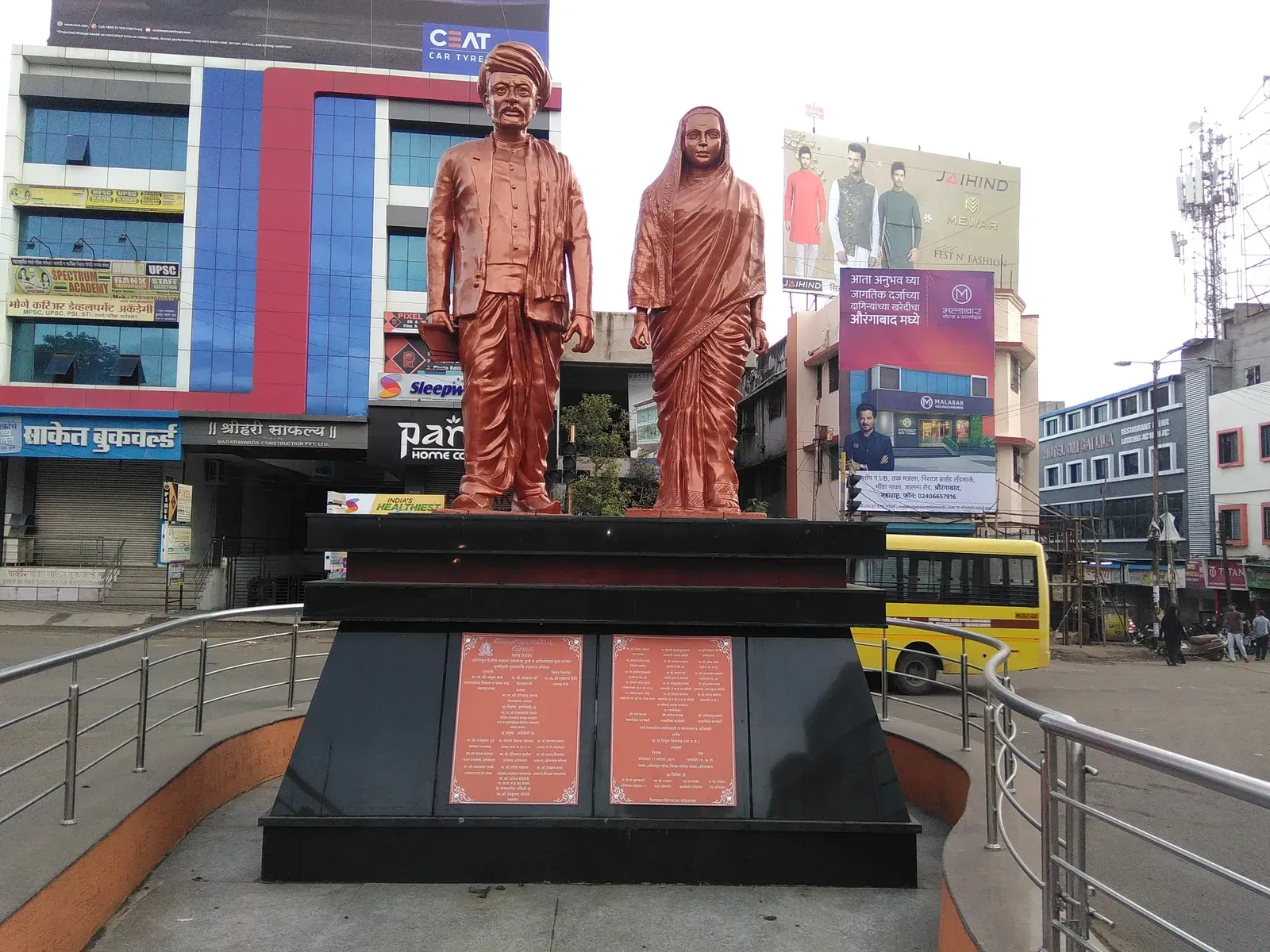
India’s Savitribai Phule was fortunate to find others willing to nurture what was a gifted, ambitious mind. Married at age 9, she learned to read and write from her husband, Jyotirao Phule, before pursuing a formal education that made her India’s first female teacher. Phule teamed with her husband to open a rare school for girls in 1848, a move that ignited controversy in a country with strict societal codes but also garnered accolades from the British government.
Although she eventually opened 18 schools, Phule’s accomplishments as an educator form just one component of her outsized legacy. She also famously set up support systems for India’s untouchables, child brides, widows, and abused women as part of efforts to spark widespread social reform. She advocated for the abolition of discrimination against gender and caste, laying the groundwork for educational reform in India. On her way to school each day, she reportedly carried a spare sari because locals who opposed her work would throw mud and stones at her as she walked.
7. Jaime Escalante: The Calculus Teacher Accused of Cheating Because His Students Were Too Good

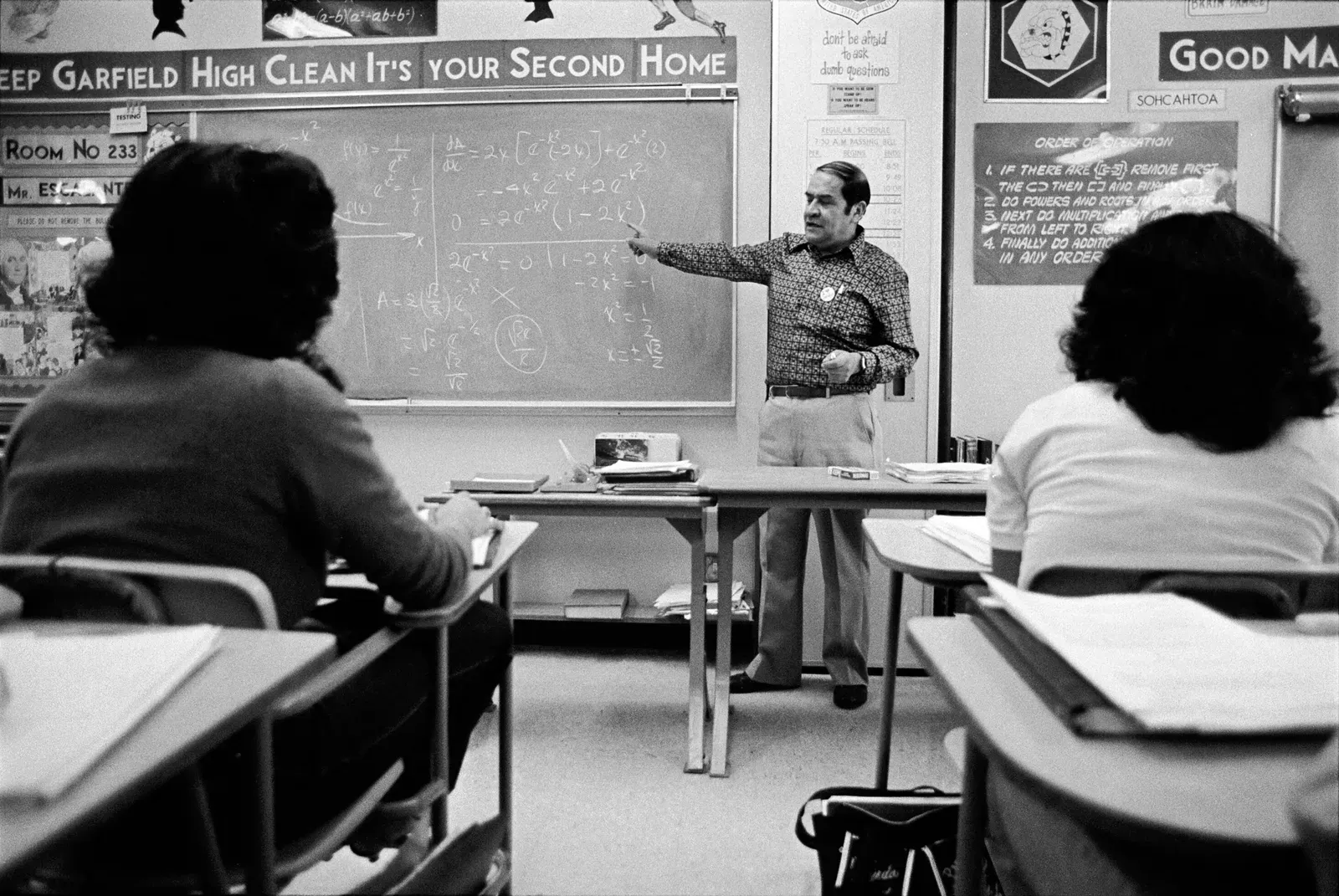
In the 1980s, a math teacher named Jaime Escalante walked into a Los Angeles classroom and decided his students, most of whom came from working-class Latino families, could master calculus. His belief was radical at the time. Escalante challenged stereotypes, held high standards, and demanded excellence. When his students passed Advanced Placement exams in record numbers, skeptics accused them of cheating because success at that level had been considered impossible.
All 18 of Escalante’s students passed the AP calculus exam in 1982. However, many of the students made similar errors, which the Educational Testing Services assumed was them cheating. Eventually, the students were allowed to retake the difficult exam and again passed. By the time the famed teacher left Garfield High in 1991, a whopping 600 students at the once-underperforming school had accepted the challenge to take AP courses across a wide range of subjects.
8. Mary McLeod Bethune: The Woman Who Built a University With $1.50

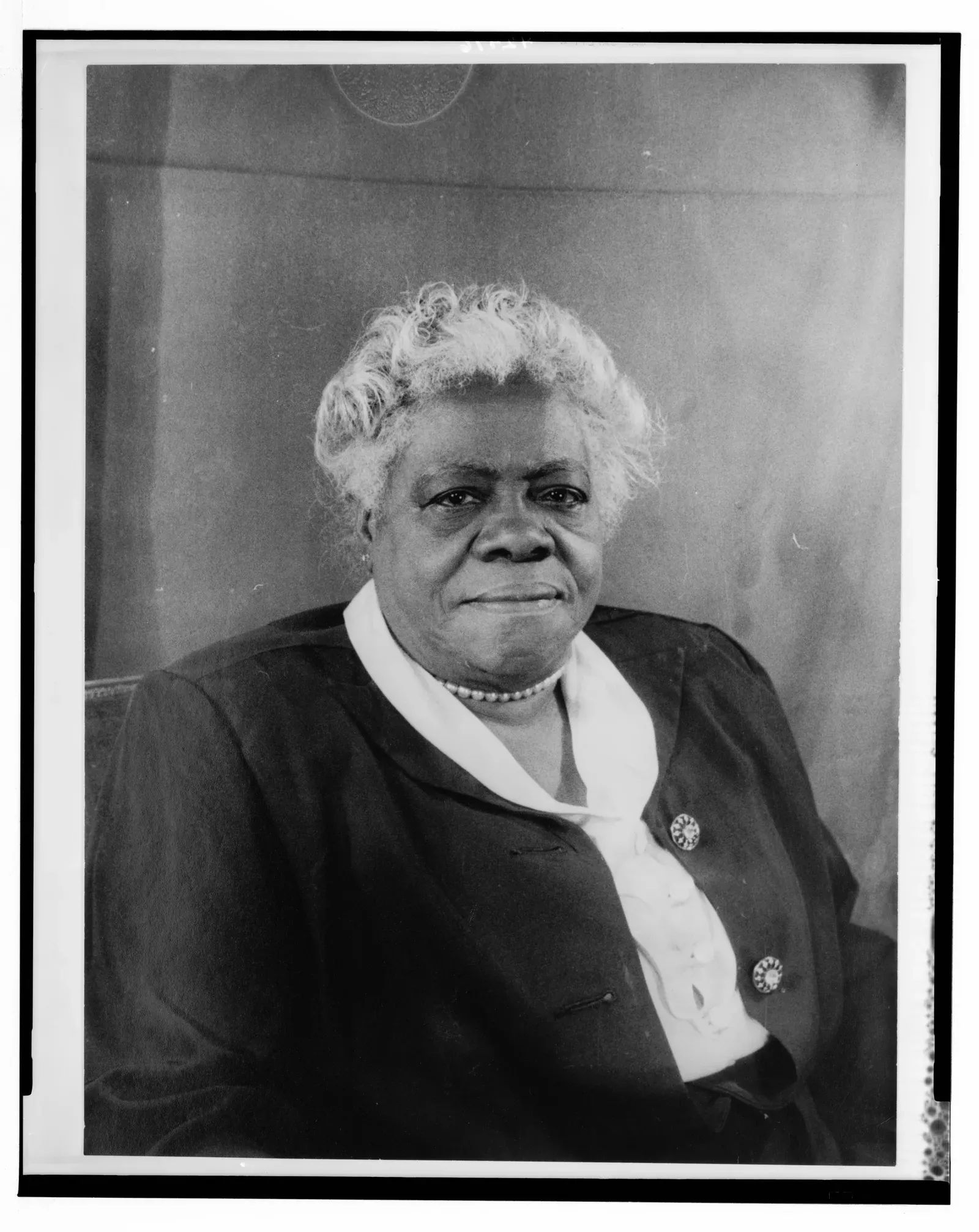
Mary McLeod Bethune was an American educator, stateswoman, and civil rights activist. In 1904, she founded an industrial school for African American girls in Daytona Beach, Florida, which later became Bethune-Cookman University. Bethune’s educational philosophy emphasised the importance of education for African American girls as a pathway to improving racial equality in the US.
As a leading figure in education, she also served as an advisor to President Franklin D. Roosevelt, advocating for the breakdown of segregation and improving educational opportunities for all children. She reportedly started her school with little more than a dollar and fifty cents, using burned wood as pencils and mashed elderberries as ink. The daughter of formerly enslaved parents, Bethune went on to become one of the most influential African American leaders of the twentieth century, proving that a classroom built from almost nothing could outlast nearly every obstacle placed in its way.
What connects these eight people is not a shared background or a common method. Some taught in temples, some in marketplaces, some in condemned buildings. What they held in common was a refusal to accept the ceiling that their circumstances had placed on learning. The actual stories behind the names we recognize tend to be stranger, harder, and considerably more inspiring than the versions we usually get.