Some music doesn’t just entertain. It reroutes history. , more than any other genres in modern Western music, have that remarkable ability to shake people to their core and then quietly reshape the world around them. From dusty Mississippi crossroads to stadiums selling out in minutes, the story is one of raw humanity transformed into sound. There are albums that simply defined eras, broke down racial barriers, rewired how musicians think, and gave entire generations a language to express pain, joy, and rebellion. Ready to take a deep dive into eight records that genuinely changed the game? Let’s go.
1. Robert Johnson – King of the Delta Blues Singers (1961)

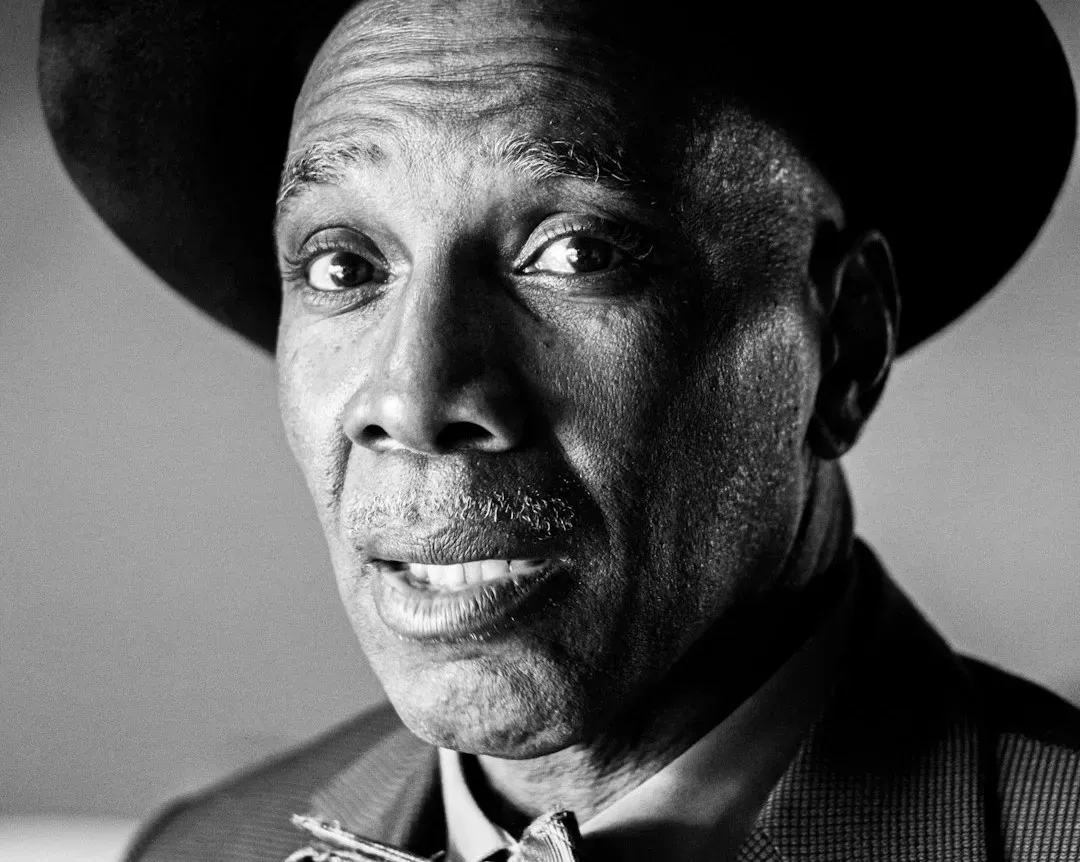
Robert Leroy Johnson, born May 8, 1911, was a blues musician and songwriter whose singing, guitar playing, and songwriting across his landmark 1936 and 1937 recordings have influenced later generations of musicians. Although his recording career spanned only seven months, he is recognized as one of the most influential musicians of the 20th century. Think about that for a second. Seven months. That’s shorter than most artists take to plan a tour.
In 1961, Columbia released “King of the Delta Blues Singers,” a compilation of Johnson’s music. The album made its way into the hands of American folk artists, including Bob Dylan, and soon became an immensely popular title among artists in Britain’s emerging rock scene, inspiring the likes of Fleetwood Mac, The Rolling Stones, and Led Zeppelin. Decades after its release, the album is regularly cited by music historians as a foundational text of both . The mysterious aura surrounding Johnson’s life and his so-called “deal with the devil” only adds to the album’s mystique. Rolling Stone magazine consistently places this record near the top of its greatest albums lists.
Johnson was inducted into the Blues Hall of Fame in its inaugural class in 1980, and he became a member of the Rock and Roll Hall of Fame in 1986. In 2003, the U.S. Library of Congress added “The Complete Recordings” to the National Recording Registry, a list of audio recordings deemed “culturally, historically, or aesthetically significant.” Honestly, not bad for someone who barely got paid for his work in his lifetime.
2. John Mayall & the Bluesbreakers – Blues Breakers with Eric Clapton (1966)

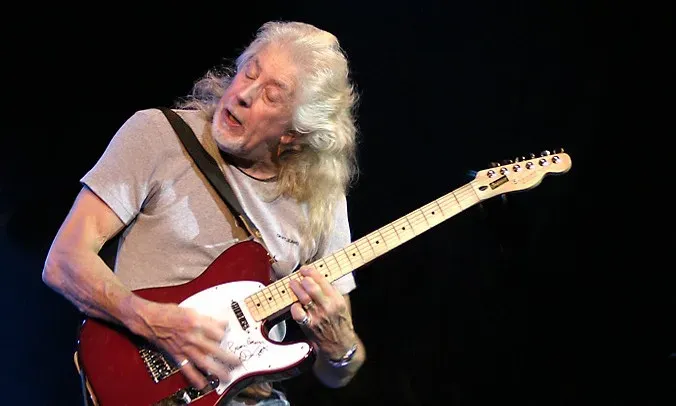
Few albums carry the mythic reputation of “Blues Breakers with Eric Clapton,” often referred to simply as the “Beano Album.” When Eric Clapton joined John Mayall’s Bluesbreakers in 1965, he brought with him a fiery guitar approach inspired by Chicago blues legends like Freddie King and Otis Rush. The record earned Clapton a nickname that still gives guitarists chills: “Clapton is God” was reportedly scrawled on walls across London after this album dropped.
Often referred to as the “Beano Album” thanks to Clapton’s comic-book-reading pose on the cover, this record was a defining moment for British blues rock. John Mayall’s leadership brought together a revolving door of incredible talent, but it was Eric Clapton’s fiery guitar tone that grabbed global attention. The use of the Gibson Les Paul through a cranked Marshall amp became a blueprint for blues rock guitarists everywhere.
Widely regarded as one of the greatest blues albums of all time, “Blues Breakers with Eric Clapton” marked a turning point in Clapton’s career. His searing guitar tone and emotional playing on tracks like “Hide Away” and “All Your Love” solidified his reputation as a blues rock pioneer. The album’s influence extended far beyond its initial release, inspiring countless guitarists to pick up the instrument and pursue their own musical dreams.
3. Albert King – Born Under a Bad Sign (1967)


Albert King was best known for his wailing Flying-V guitar playing and howling voice, culminating at a peak with his 1967 album “Born Under a Bad Sign,” and its title track, which have become almost synonymous with the blues since the album’s release under Stax Records. One notable thing about this album is just how cleanly it is cut. Whilst it maintains the feeling of a live recording, each instrument can be clearly heard without overpowering King’s soulful vocals. The album is widely regarded as one of the greatest blues albums, having been inducted into the Blues Foundation Hall of Fame, the Grammy Hall of Fame, as well as the National Recording Registry.
The best-selling blues album of the 1960s is “Born Under a Bad Sign” by Albert King, with over 1 million copies sold worldwide. Its soulful blend of blues and R&B, featuring tracks like the title song, influenced rock and blues artists alike, boosted by the decade’s blues revival. This is one of the most influential albums ever. “Born Under a Bad Sign” was a big influence on luminaries like Jimi Hendrix, Eric Clapton, and Stevie Ray Vaughan. When three of the greatest guitar players of all time cite the same record as a touchstone, you pay attention.
4. Jimi Hendrix Experience – Electric Ladyland (1968)

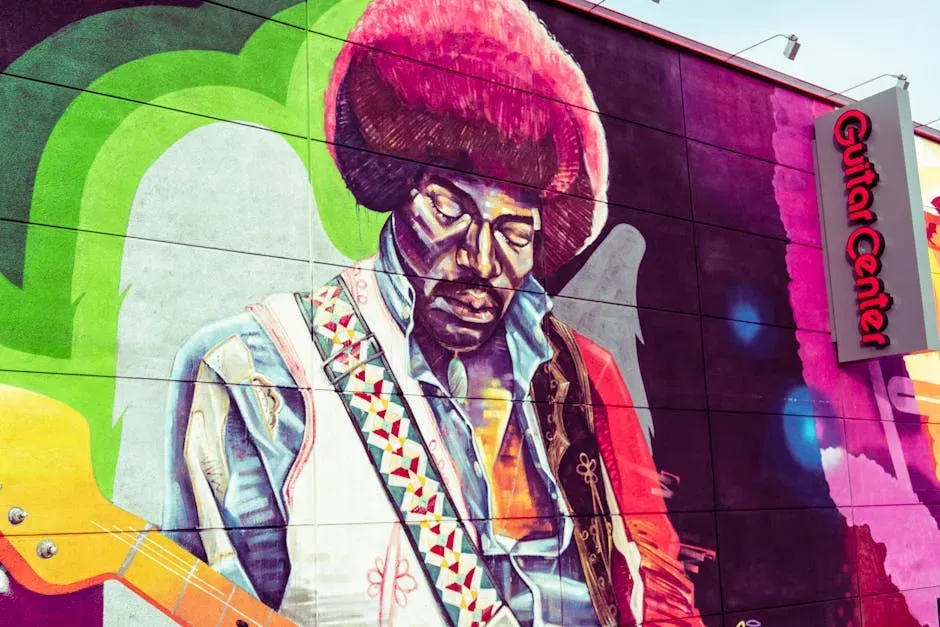
Electric Ladyland was Jimi Hendrix’s magnum opus, showcasing his unparalleled talent and musical vision. From the psychedelic blues of “Voodoo Child” to a stunning rendition of “All Along The Watchtower,” the album pushed the boundaries of what blues rock could be, leaving a massive impact on music history. Hendrix’s innovative guitar work and experimental approach to songwriting continue to inspire musicians and listeners alike, cementing his legacy as one of the greatest artists of all time.
On Rate Your Music’s all-time blues rock chart, “Electric Ladyland” holds a place among the very top, rated by tens of thousands of listeners alongside Hendrix’s earlier work “Are You Experienced.” Jimi Hendrix took the British blues scene by storm before becoming a worldwide phenomenon. Nobody has ever matched Jimi Hendrix’s combination of feeling, emotion, poise, and sheer musicality. That is not hyperbole. That is the historical consensus, and it hasn’t changed in decades.
5. Led Zeppelin – Led Zeppelin (1969)

Led Zeppelin’s music was rooted in the blues. The influence of American blues artists such as Muddy Waters and Skip James was particularly apparent on their first two albums, as was the distinct country blues style of Howlin’ Wolf. Their debut album was released in the US in January 1969 during the tour, and peaked at number 10 on the Billboard chart. According to Steve Erlewine, the album’s memorable guitar riffs, lumbering rhythms, psychedelic blues, groovy, bluesy shuffles and hints of English folk music made it “a significant turning point in the evolution of hard rock and heavy metal.”
The band’s eponymous debut was a mix of covers of blues standards and blues-derived original songs. Characterized by Page’s fierce guitar riffs, Plant’s high-pitched wail, and Bonham’s thundering backbeat, the record was an immediate success, making the U.S. top 10 despite generally negative reviews. Critics hated it at first. The public, on the other hand, couldn’t get enough.
The band is estimated to have sold over 300 million records worldwide, becoming one of the best-selling music artists in history. In 2025, Forbes magazine ranked Led Zeppelin as the best rock band of all time. Fifty-six years after that debut, the verdict is still the same.
6. The Allman Brothers Band – At Fillmore East (1971)

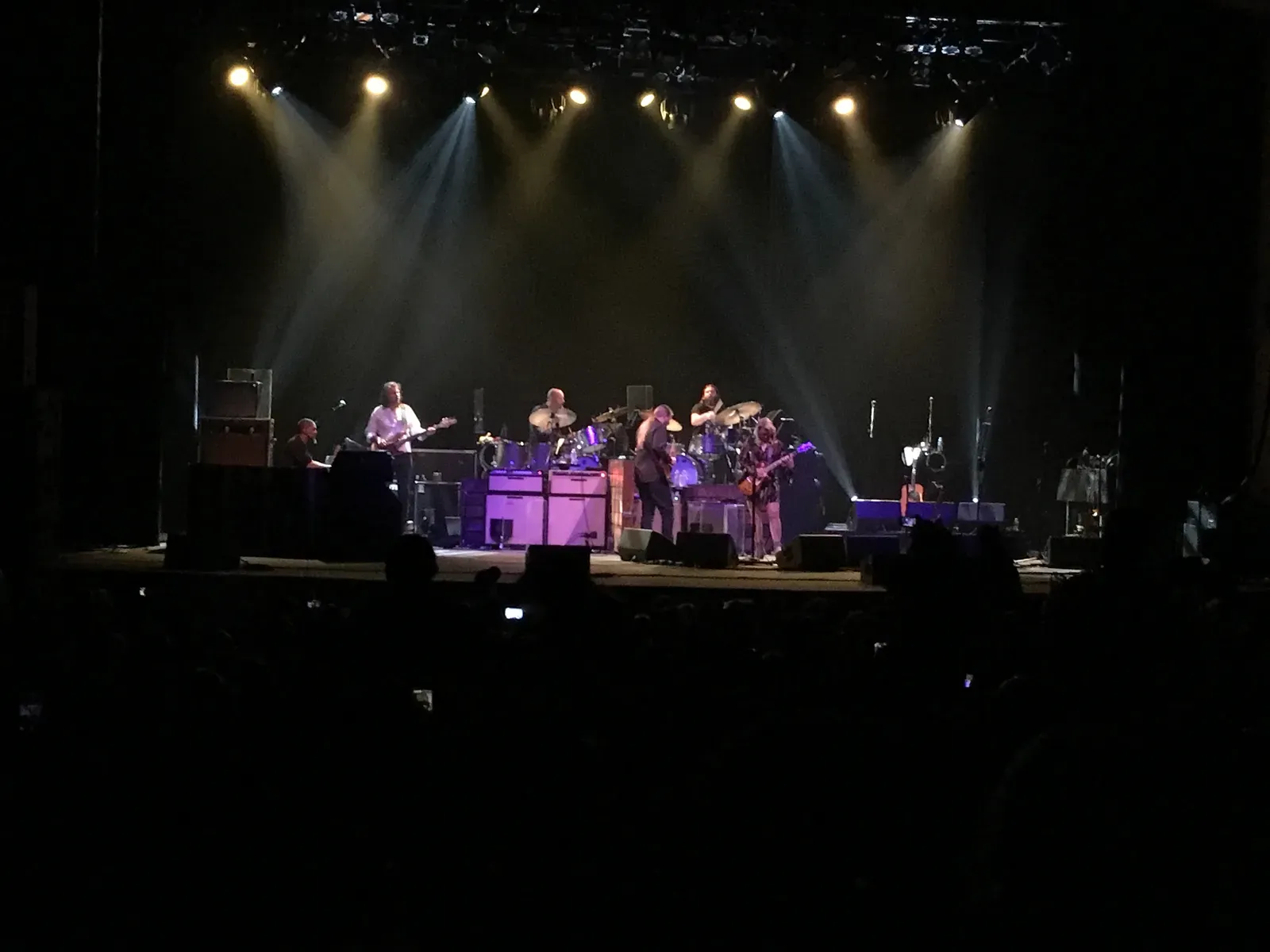
Few live albums have achieved the legendary status of “At Fillmore East,” a record that captured the Allman Brothers Band at the peak of their powers. The extended jams on songs like “Whipping Post” and “In Memory of Elizabeth Reed” showcased a level of musicianship and improvisation rarely matched in rock history. Duane Allman and Dickey Betts’ twin-guitar interplay became one of the most influential sounds in blues rock, inspiring generations of Southern rock bands. The recording also highlighted the band’s ability to stretch the blues into expansive, almost jazz-like territory. This album didn’t just capture a performance, it defined a genre’s live potential.
Here’s the thing about this record: it isn’t a slickly produced studio gem. It’s the sound of a band simply playing better than everyone else on the planet at that moment in time. An entire generation of blues-rock albums was born from this educational shift, with bands from the U.S. like ZZ Top, the Allman Brothers Band, and Stevie Ray Vaughan starting around 1964 drawing on foundational blues. The Allmans took that lineage and turned it into something breathtaking live.
7. Stevie Ray Vaughan – Texas Flood (1983)

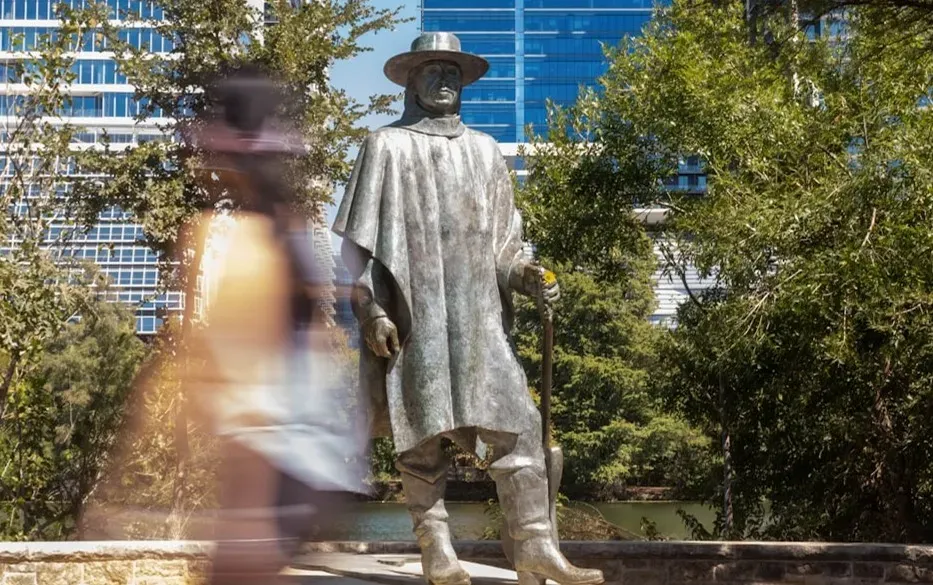
At a time when blues rock was far from the commercial spotlight, Stevie Ray Vaughan’s debut roared onto the scene and reignited the genre. Recorded in just a few days, “Texas Flood” delivered a fierce, unfiltered sound that channeled the spirit of his heroes while carving out a unique identity. Tracks like “Pride and Joy” and the title song became instant classics, showcasing Vaughan’s explosive guitar work and emotive vocals.
His “Texas blues” music was a flawless blend of hearty rock music and old-school blues, the perfect example of which would be “Texas Flood,” released in 1983 under Epic Records. Filled head to toe with upbeat, relentless guitar playing, “Texas Flood” contains Vaughan’s flagship song “Pride and Joy,” as well as the hugely impressive title track, which contains a guitar intro that is as soulful as it is both technically and stylistically impressive.
Vaughan’s first appearance at the Montreux Jazz Festival was notable because the audience’s reaction was mixed; while his performance enthralled many, it also drew boos from some purists unaccustomed to Vaughan’s intense, electric blues style. Despite the mixed reaction, Vaughan’s performance caught the attention of several music legends present at the festival, including David Bowie and Jackson Browne. The album launched Vaughan into international stardom and sparked a blues revival that influenced countless guitarists.
8. Derek and the Dominos – Layla and Other Assorted Love Songs (1970)


Recorded during a turbulent period in Eric Clapton’s life, “Layla and Other Assorted Love Songs” captured a rare level of emotional intensity. Clapton’s collaboration with Duane Allman proved particularly magical, producing some of the most memorable dual guitar work in rock history. Allman’s slide guitar blended seamlessly with Clapton’s blues-driven phrasing. The result was a deeply expressive album filled with passion and vulnerability.
The title track “Layla” became one of the most iconic songs in rock history. Its unforgettable riff and dramatic piano coda continue to resonate with listeners decades later. Derek and the Dominos’ lone studio album, “Layla and Other Assorted Love Songs,” is a masterpiece of blues rock. Anchored by Eric Clapton’s iconic guitar work and soulful vocals, the album features the timeless song “Layla,” along with other classics like “Bell Bottom Blues” and “Little Wing,” cementing its place in rock history. The album’s emotional depth and musical complexity continue to resonate with listeners, making it a timeless classic.
I think what makes this album so extraordinary is that it was born entirely from personal chaos, and yet every note sounds absolutely deliberate. It’s proof that the blues has always been the sound of real human experience, no matter how electric the guitars get. These eight albums aren’t just recordings. They are events. And the music is still very much alive.
What would your list look like? Tell us in the comments.