Most of us don’t think about the machinery behind a movie while the lights are down. We notice the story, the faces, the score. Yet nearly every screening rests on tools that first showed up in a particular film, often as a risky experiment.
Some of those tools have been refined beyond recognition, and others survive in principle rather than in form. Here are eight films where something new arrived and never really left.
The Jazz Singer (1927) and Synchronized Dialogue
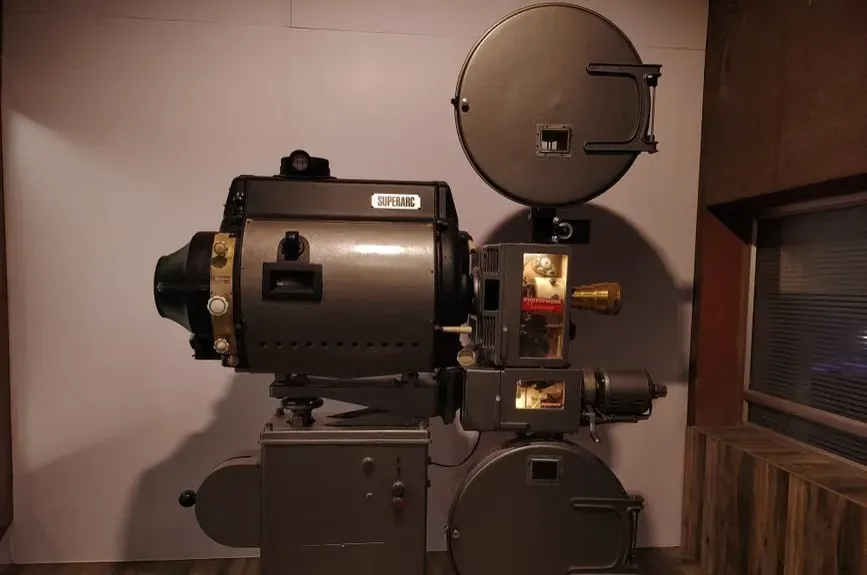
Warner Bros. released The Jazz Singer in 1927 using the Vitaphone system, which played recorded sound from discs synchronized to the projector. It wasn’t a fully talking picture, since most of it was silent with musical numbers and a few spoken passages. Still, audiences reacted strongly to hearing a performer speak on screen.
The disc method itself faded quickly, and the industry settled on recording sound directly onto the film strip. The expectation that sound and picture travel together stayed. Every modern cinema soundtrack descends from that shift.
Becky Sharp (1935) and Full Color Photography
Becky Sharp, directed by Rouben Mamoulian, is widely credited as the first feature film made in full three strip Technicolor. The process used a special camera that exposed separate strips of film to capture red, green, and blue information. Color had appeared in movies earlier, but not with this range.
The three strip system is long gone, replaced by color negative film and then digital sensors. What survives is the idea that color is a deliberate design choice, planned and controlled. Today’s digital color grading is the direct descendant of that thinking.
The Robe (1953) and Anamorphic Widescreen
Twentieth Century Fox released The Robe in 1953 as the first film shown in CinemaScope. The system used anamorphic lenses, which squeeze a wide image onto standard film and stretch it back out during projection. Studios were chasing something television couldn’t offer, and a much wider frame did the job.
Anamorphic lenses are still prized by cinematographers today. They give a widescreen image, and many working filmmakers like the distinctive look of their flares and edge softness. The widescreen shape you see in most theaters grew out of this moment.
Star Wars (1977) and Motion Control Effects
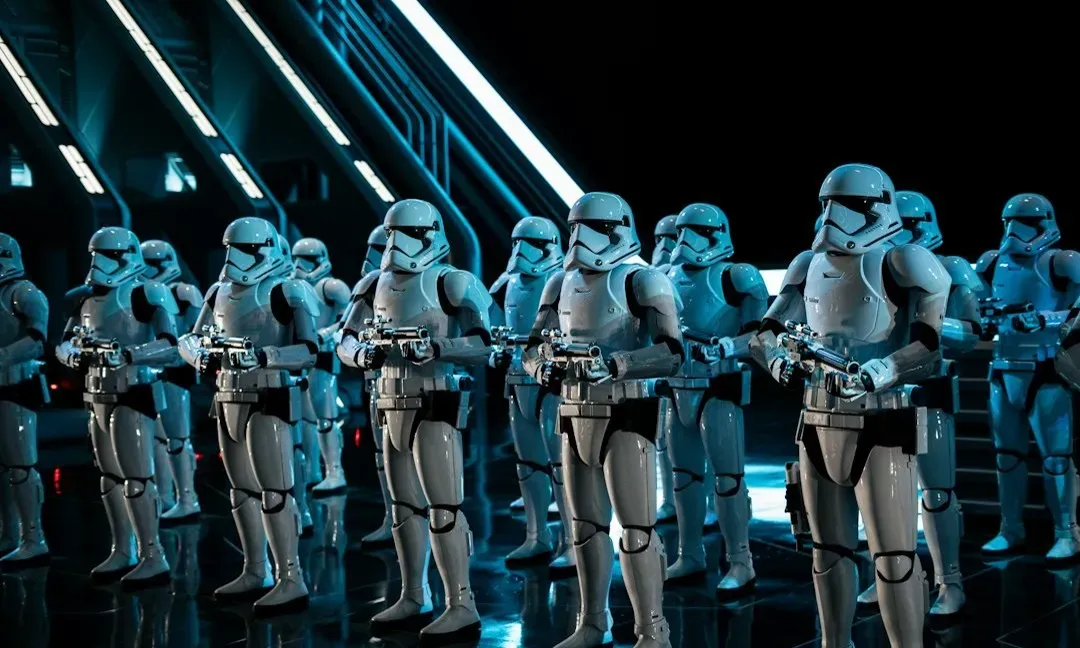
For Star Wars, George Lucas set up Industrial Light and Magic, and the team built a computer controlled camera rig known as the Dykstraflex, named for visual effects supervisor John Dykstra. It could repeat the exact same camera move multiple times. That made it possible to layer several model shots into a single convincing frame.
Repeatable, programmable camera movement is now a standard part of visual effects work. The rigs are more compact and far more precise, yet the logic is unchanged. ILM itself remains one of the best known effects houses in the business.
Toy Story (1995) and the Computer Animated Feature
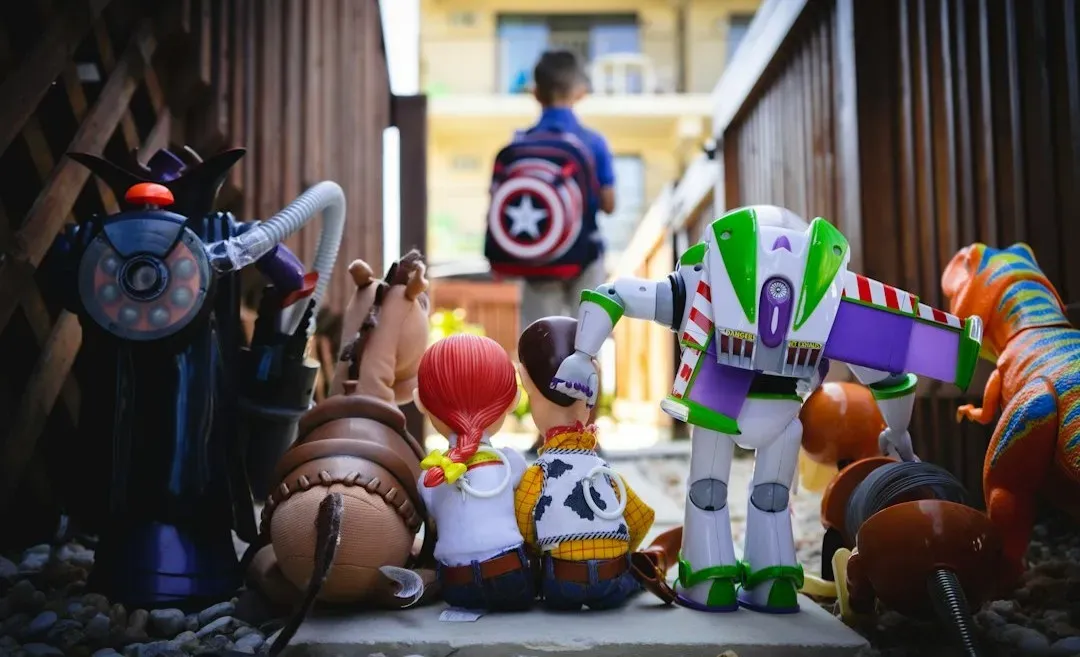
Toy Story, made by Pixar and released through Disney, was the first feature length film created entirely with computer animation. Pixar developed its own rendering software, called RenderMan, which turns digital models, lighting, and textures into finished images. The film proved that a full story could be told this way, and at feature scale.
RenderMan is still sold and used today, which is rare for software from the mid nineties. Its basic approach to rendering remains a reference point for studios worldwide. Animated features that rely on computers are now the norm rather than the exception.
Star Wars: Episode II, Attack of the Clones (2002) and Digital Shooting
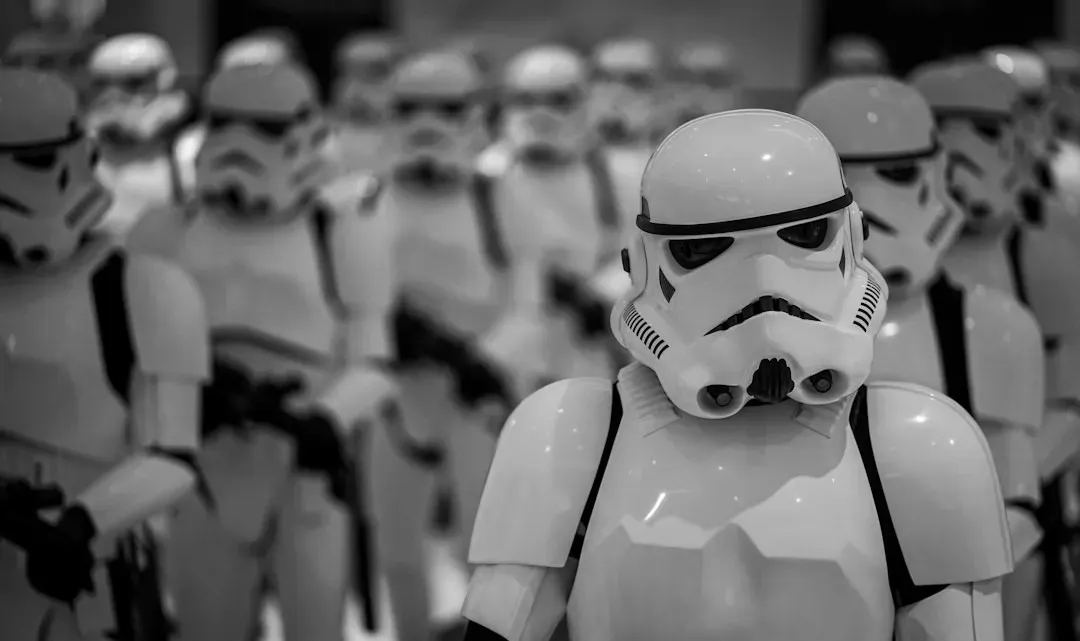
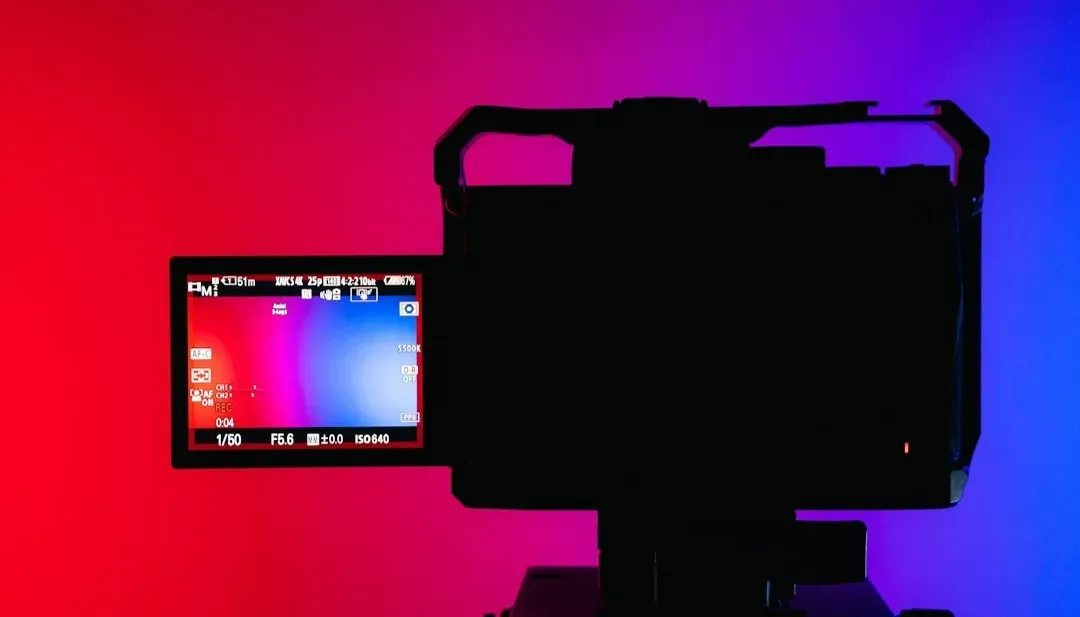
Attack of the Clones was among the first major studio features shot entirely on high definition digital video. Lucasfilm used Sony cameras recording at 24 frames per second, matching the traditional film rate, with lenses supplied by Panavision. Many in the industry were skeptical that digital could match film.
That skepticism faded over the following years, and digital cinematography became the dominant way to shoot big productions. Film hasn’t disappeared, as some directors still insist on it. Still, the digital camera is now the default tool on most sets.
Avatar (2009) and Modern Digital 3D
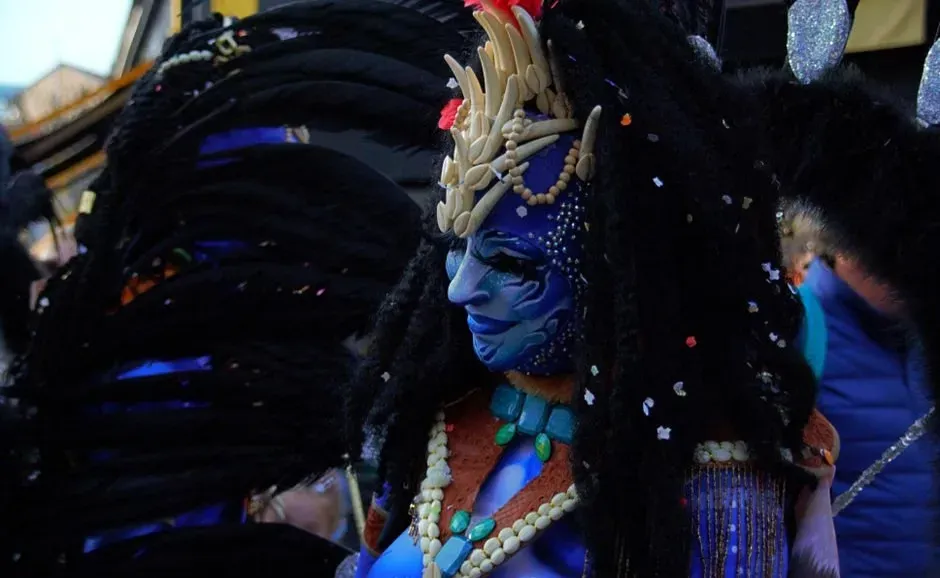
James Cameron’s Avatar relied on a purpose built stereoscopic camera system developed with Vince Pace, designed to mimic the spacing of human eyes. It was released in digital 3D and played a major role in the wave of new 3D screens installed in cinemas around that time. Earlier eras of 3D had mostly been novelties, but this one felt more polished.
The film also advanced performance capture, using head mounted cameras to record actors’ facial expressions. Both techniques have continued through Cameron’s later Avatar films. Facial capture in particular is now a common part of effects heavy productions.
Brave (2012) and Dolby Atmos Sound
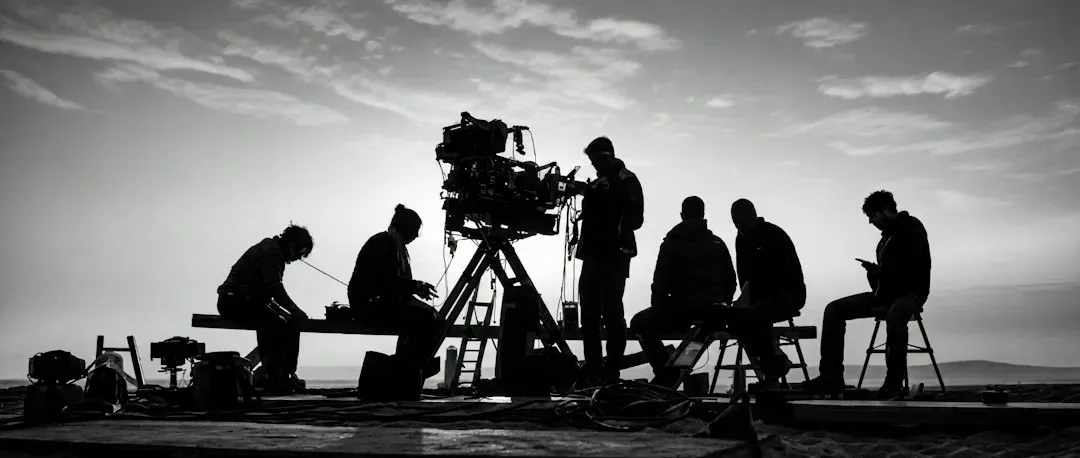
Pixar’s Brave was the first film released with a Dolby Atmos soundtrack. Atmos treats sounds as objects that can be placed and moved in three dimensional space, including overhead, rather than assigning them to fixed channels. Each theater then adapts that information to its own speaker layout.
The format has since spread to many cinemas and into home audio equipment. Filmmakers use it to place a sound exactly where it belongs in the room. Brave introduced a method of mixing that is still being used on new releases.