Some of the most recognizable moments in pop music were never planned. A wrong cable, a broken machine, a dream, a stutter that should have been erased. Take away the mistake and the song simply would not exist in the form we know it. Here are eight cases where chance did more work than intention, and the result still tops playlists decades later.
1. In the Air Tonight – Phil Collins
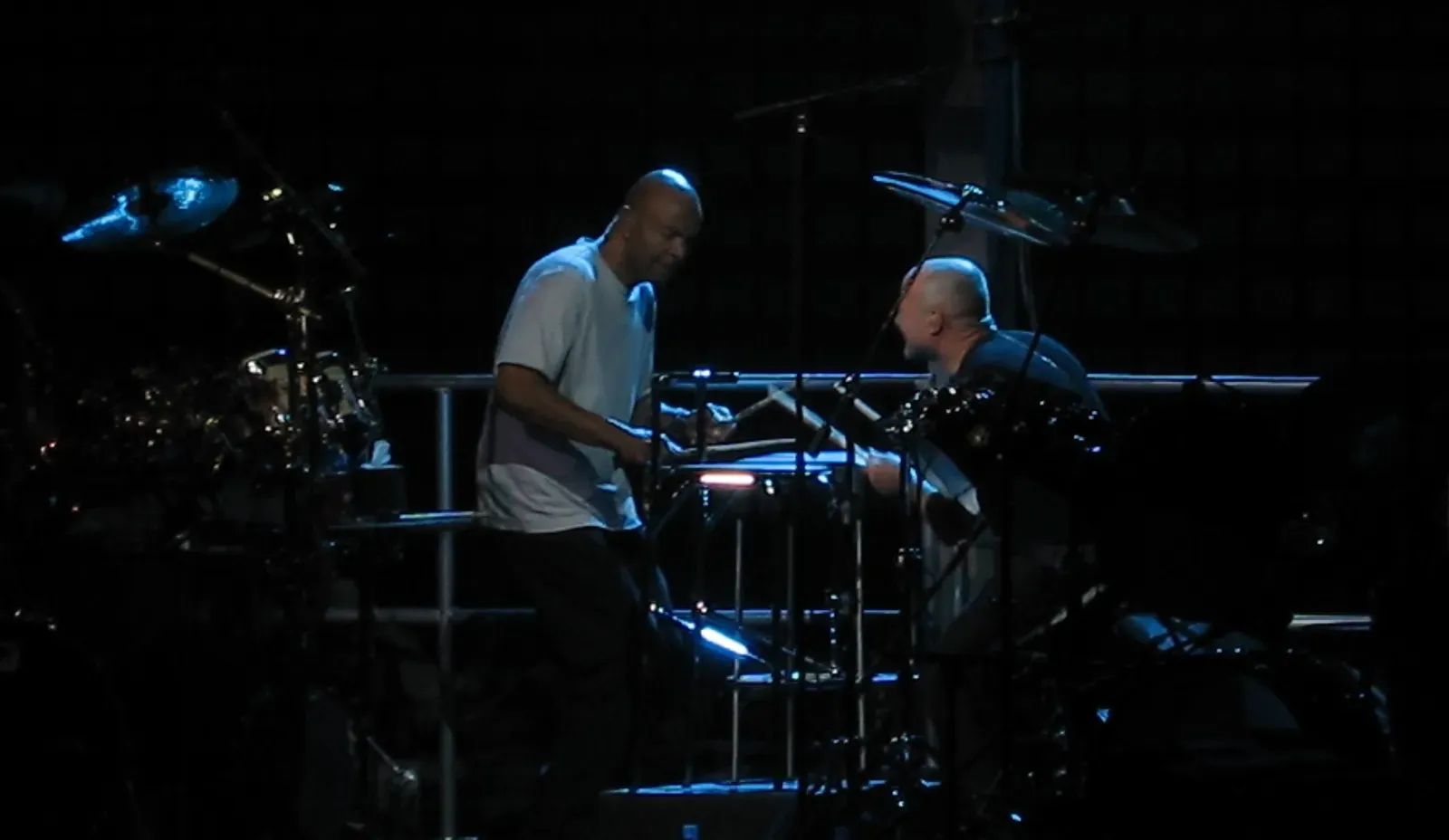
The drum fill that arrives roughly three and a half minutes into this 1981 track is one of the most quoted pieces of drumming in pop history, and it started as a total fluke. During sessions for Peter Gabriel’s third album, engineer Hugh Padgham accidentally triggered the reverse talkback circuit on the mixing desk while Collins was playing, and Padgham later described accidentally pressing the reverse talkback drum while Collins was playing, producing an almighty sound from the speaker.
Gabriel loved what he heard and asked Collins to keep playing the pattern, according to Collins’ own account of the session. Collins recalled playing with the sound because that was the tempo being set by the gate’s cutting off, with Gabriel telling him to keep going for ten minutes, and both artists ended up using the resulting pattern. That accidental gated reverb sound went on to define drum production across the entire decade.
2. Sweet Dreams (Are Made of This) – Eurythmics

Annie Lennox and Dave Stewart were broke, recently broken up as a couple, and struggling with borrowed studio equipment when this track came together. Stewart was trying to program a newly bought drum computer and simply could not get it to do what he wanted. As one account of the session puts it, operating the drum computer proved challenging, and the legendary drumming on the track was actually achieved accidentally, since the machine kept doing the opposite of what Stewart intended until he realized it sounded better than his original idea.
Lennox, who had been lying on the studio floor feeling low, reportedly jumped up the moment she heard the strange new pattern. She leapt off the floor asking what the sound was, then got on the Oberheim keyboard and played a string riff on top of what Stewart was doing, and the combination created something unexpected. A malfunctioning drum machine ended up producing one of the defining synth-pop singles of 1983.
3. Blue Monday – New Order

New Order’s biggest single hinges on a synth melody that sounds deliberately off-kilter, and it is, though not on purpose. Keyboardist Gillian Gilbert was tasked with manually programming an entire sequence note by note using a system she described as looking like a giant knitting pattern taped across the studio floor. She explained that the synthesizer melody is slightly out of sync with the rhythm because of an accident, since her job was to program the entire song by inputting every note manually from a sequence written out on sheets of paper, and she accidentally left one note out, which skewed the melody.
The band liked the strange, slightly wrong-footed feel so much they kept it rather than fixing it. The band considered the out-of-sync melody to be a happy accident that contributed to the track’s charm. It remains the best-selling twelve-inch single in UK chart history, built partly on a programming slip nobody bothered to correct.
4. Yesterday – The Beatles
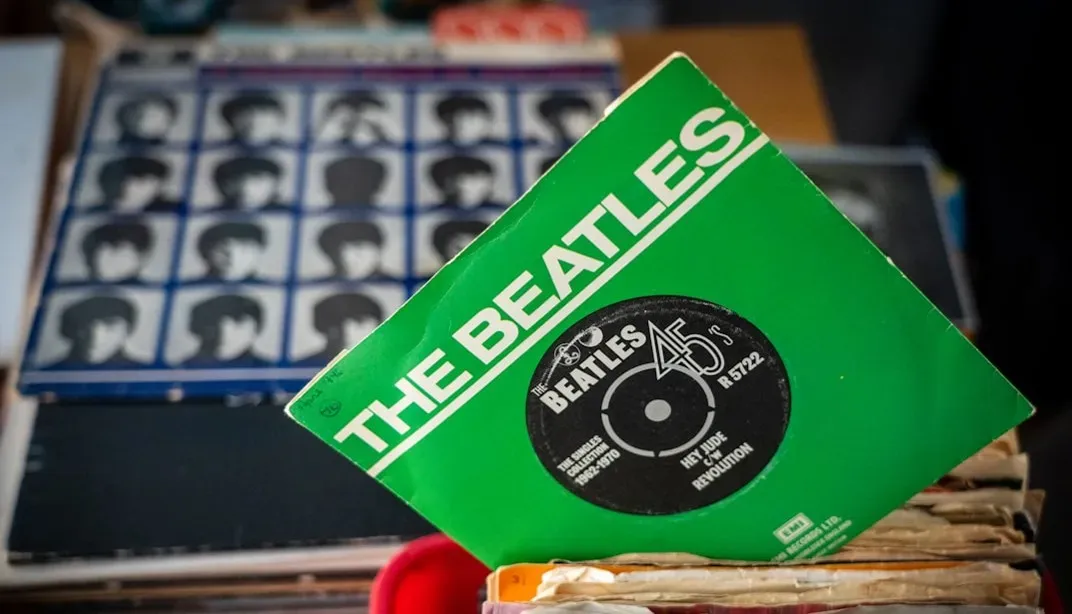
Paul McCartney has told the story many times over the decades: the entire melody for this song arrived in a dream. He woke up in his London flat, went straight to a piano, and played the tune almost note for note as it had appeared in his sleep, convinced at first that he must have unconsciously copied it from something else. For weeks he reportedly played the melody for friends and fellow musicians, asking if anyone recognized it, before accepting that it was genuinely his own.
The song went on to become one of the most covered compositions in recorded music history, a strange fate for something its writer did not consciously sit down to create. There was no studio trick or broken equipment involved here, just an unplanned burst of subconscious songwriting that McCartney nearly talked himself out of using. It stands as one of the clearest examples of a hit arriving fully formed without any deliberate effort behind it.
5. My Generation – The Who
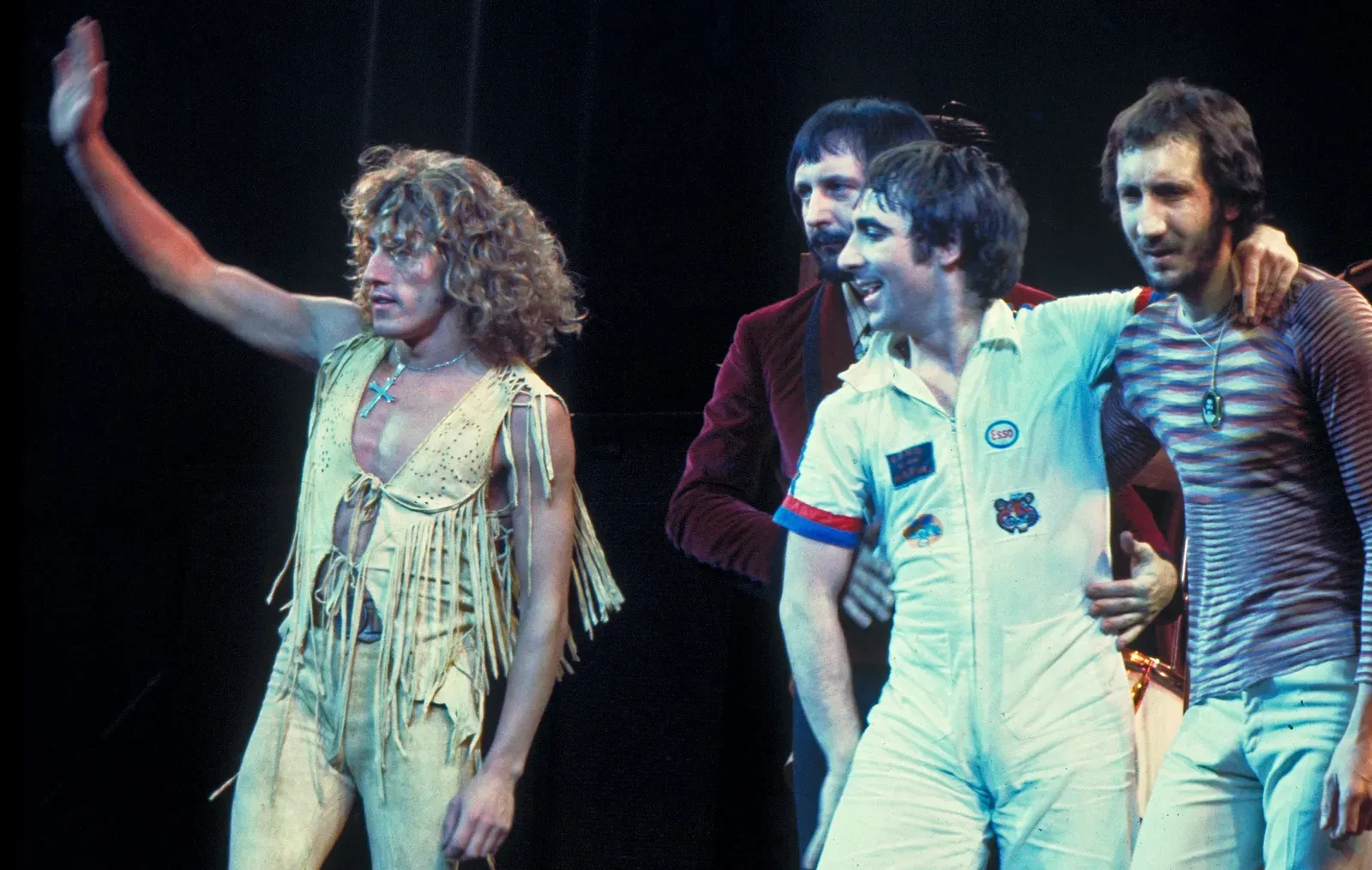
Roger Daltrey’s stammering delivery on this 1965 anthem was not written into the lyrics as a stylistic choice from the start. According to accounts from the band’s history, the stutter began as an unintentional slip during an early take, something closer to a vocal flub than a performance decision. Pete Townshend and producer Shel Talmy heard something in the imperfection that suited the song’s frustrated, anti-establishment tone, and the stammer stayed.
What could easily have been scrapped as a mistake became the single most memorable vocal quirk on the track. It gave the song an edge of genuine agitation that a cleanly sung line probably would not have carried. Decades later, the stutter is inseparable from the song’s identity, even though it began life as something the band almost certainly intended to fix.
6. Green Onions – Booker T. & the M.G.’s

This instrumental classic did not begin as a planned recording session at all. The story passed down through Stax Records history describes the musicians killing time in the studio, running through a loose blues riff while waiting for another artist to arrive for a scheduled session. Someone suggested they record what they were noodling with, mostly out of curiosity rather than any expectation it would amount to anything.
Stax executives liked the tape enough to release it, and the loose jam turned into a top ten pop hit and a genre-defining instrumental. It has since become one of the most sampled and referenced grooves in American music. A song born from idle studio downtime ended up shaping the sound of soul and funk instrumentals for years afterward.
7. Tom’s Diner (DNA Remix) – Suzanne Vega

Suzanne Vega originally released this track in 1987 as a spare, entirely a cappella folk recording with no instrumentation at all. A few years later, a British production duo known as DNA created an unauthorized dance remix of the song purely as an experiment, layering a house beat underneath Vega’s vocal without securing any rights to do so. The bootleg began circulating in clubs and on pirate radio, gaining momentum nobody involved had planned for.
The buzz grew large enough that Vega’s label, A&M Records, tracked down DNA and officially licensed the remix rather than trying to bury it. Once properly released, the DNA version became a genuine chart hit across multiple countries, reviving a song that had already run its commercial course. An unauthorized experiment turned into one of the more unusual comeback stories in modern pop.
8. Old Town Road – Lil Nas X

Before it became a record-breaking chart phenomenon, this song started as a cheap experiment. Lil Nas X purchased the instrumental, which blended country guitar textures with trap drum patterns, for around thirty dollars from a Dutch teenage producer working under the name YoungKio, who had found the beat pack online and had no idea it would end up anywhere near a hit record. The track was recorded quickly and released with little industry backing behind it.
Its rise came almost entirely through unplanned momentum on TikTok, where users adopted the song for a trend known as the Yeehaw Challenge, turning it into a meme before mainstream radio or streaming services caught up. The unexpected genre mashup even triggered a public dispute over whether it qualified as a country song, which only fueled more attention. A thirty dollar beat and a viral dance trend combined to produce one of the longest-running number one singles in Billboard history.