Every year, a handful of movies arrive wrapped in marketing muscle, franchise promise, and star power that practically guarantees a crowd. Sometimes that promise pays off. Other times, the finished film lands with a thud that no trailer could have predicted, leaving audiences and critics wondering what happened between the pitch meeting and the premiere. The seven films below all carried enormous expectations going in. Some were meant to launch entire cinematic universes. Others were simply supposed to be crowd pleasers riding on a beloved brand. What actually happened once the credits rolled tells a more complicated story about hype, timing, and the gap between anticipation and execution.
Batman v Superman: Dawn of Justice
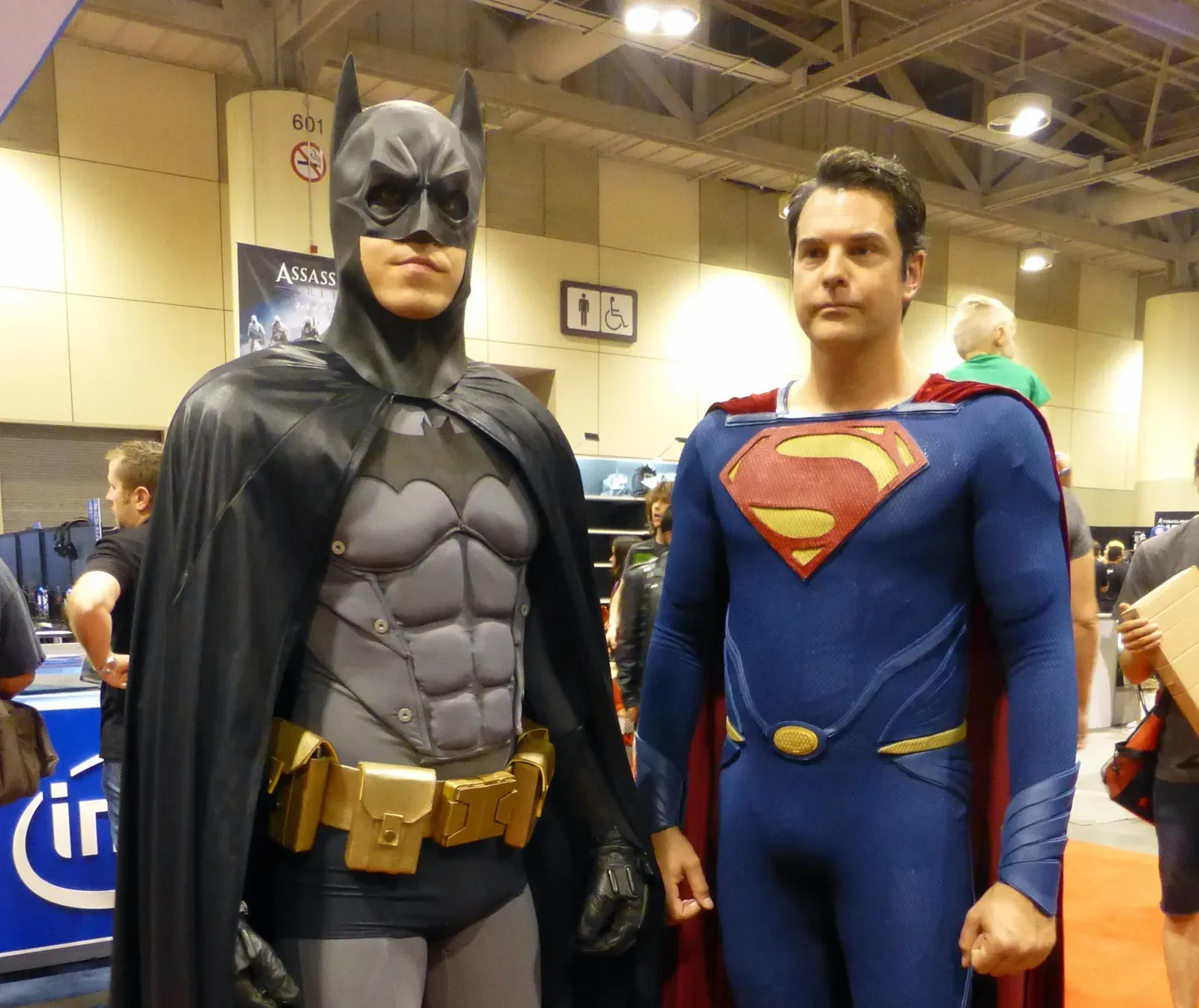
Warner Bros. treated this one as the cornerstone of an entire shared universe, pairing Ben Affleck’s Batman with Henry Cavill’s Superman for the first time on screen. Batman v Superman: Dawn of Justice took $424 million at the box office worldwide in its first five days despite poor reviews. That opening alone suggested the studio had a hit on its hands, at least financially.
The trouble showed up almost immediately after. Batman v Superman grossed $874 million at the global box office against a hefty $250 million budget, and the film earned a “Rotten” 28% from critics and 63% from audiences on Rotten Tomatoes. The steep gap between what fans paid to see and what critics thought of the finished product became one of the defining storylines of its release.
Suicide Squad

Warner Bros. leaned hard into the marketing for this ensemble villain movie, banking on a colorful cast that included Will Smith, Margot Robbie, and Jared Leto. Reviews arrived quickly and they were not kind, with the film settling into the same conversation as other critically maligned superhero movies of the era. Suicide Squad (2016) landed at 26% on Rotten Tomatoes, a score that put it in rough company with some of the genre’s most infamous misses.
Audiences still showed up in large numbers, drawn in by the trailers and the novelty of the antihero premise, and the film ended up turning a solid profit despite the reviews. That disconnect between box office performance and critical reception became something of a pattern for the DC films released around this period. It also set a template that would repeat itself with several other titles on this list.
The Mummy (2017)

Universal had ambitions far beyond a single movie here. This was meant to be the launchpad for the “Dark Universe,” an entire connected franchise built around the studio’s classic monster characters. The Mummy was initially designed to kick off Universal’s ambitious “Dark Universe” franchise, aimed at reviving the studio’s iconic monster movies for a modern audience.
The plan collapsed almost as soon as the film hit theaters. It received an abysmal 15% Rotten Tomatoes critic score and a 35% audience score. The film’s mixed reviews and tepid box office returns, grossing $409 million globally on a budget of $125 to $195 million, led to the collapse of those grand plans. Universal quietly shelved the Dark Universe within a couple of years, and the monster reboot idea went back to the drawing board.
Justice League
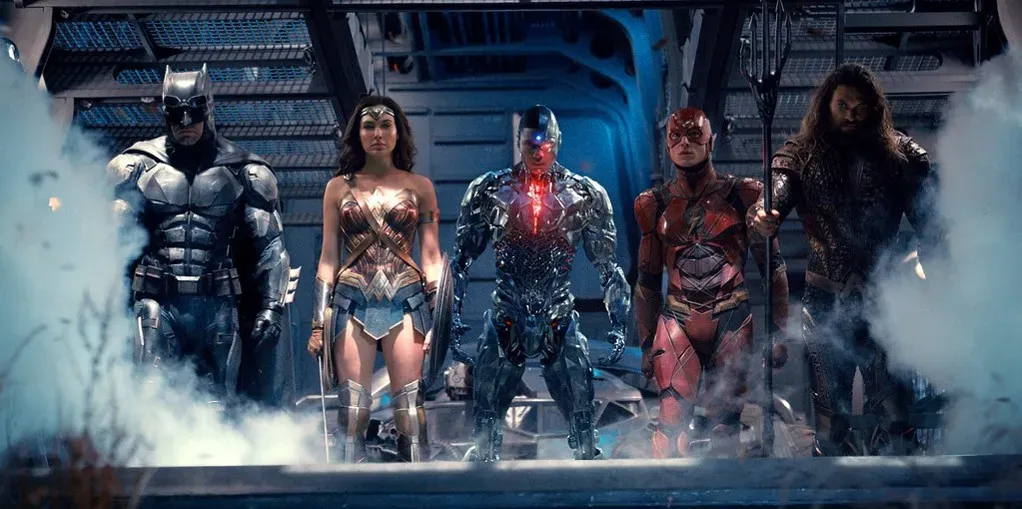
By the time this team-up arrived in theaters, DC’s shared universe was already under pressure to prove it could compete with Marvel’s Avengers formula. Production troubles, reshoots, and a director change during filming did not help matters. Justice League currently holds a 39% Tomatometer score based on 411 reviews, alongside a 67% Popcornmeter score from more than 100,000 ratings.
The box office told a similarly underwhelming story. Justice League opened below forecasts with $93.8 million on its debut weekend, and it never fully recovered from that soft start. The film’s final worldwide total was $657,924,295, making it the lowest grossing entry among the early DC Extended Universe films despite its massive budget and star lineup.
Fantastic Four (2015)
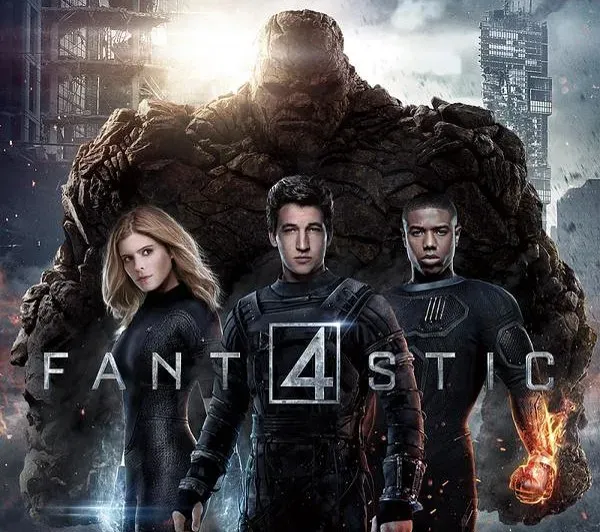
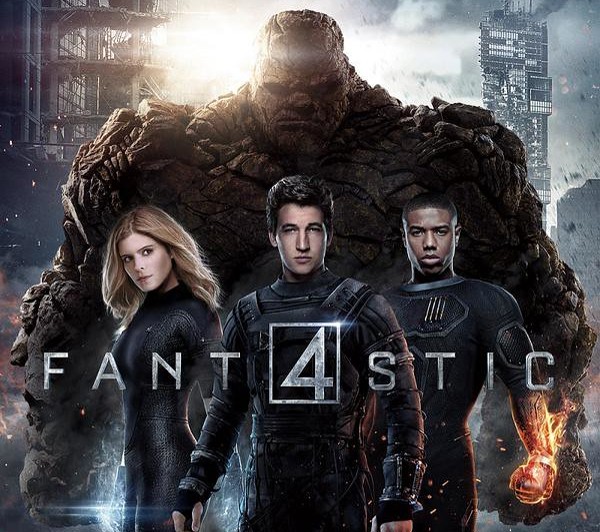
Fox’s attempt to reboot Marvel’s first family arrived with a young, buzzy cast that included Miles Teller and Kate Mara, plus a director known for smaller, more grounded genre work. The tonal mismatch between that indie sensibility and a big budget superhero tentpole showed up clearly once the film was finished. Fantastic Four (2015) scored just 9% on Rotten Tomatoes, placing it among the worst reviewed superhero films of the modern blockbuster era.
The box office followed a similarly grim trajectory, with the film struggling to clear even its own production budget domestically before fading quickly from theaters. Reports of extensive reshoots and behind the scenes friction only added to the sense that this was a troubled production from the start. Fox never moved forward with the planned sequel, and the property eventually reverted to Marvel Studios years later.
Star Wars: The Rise of Skywalker
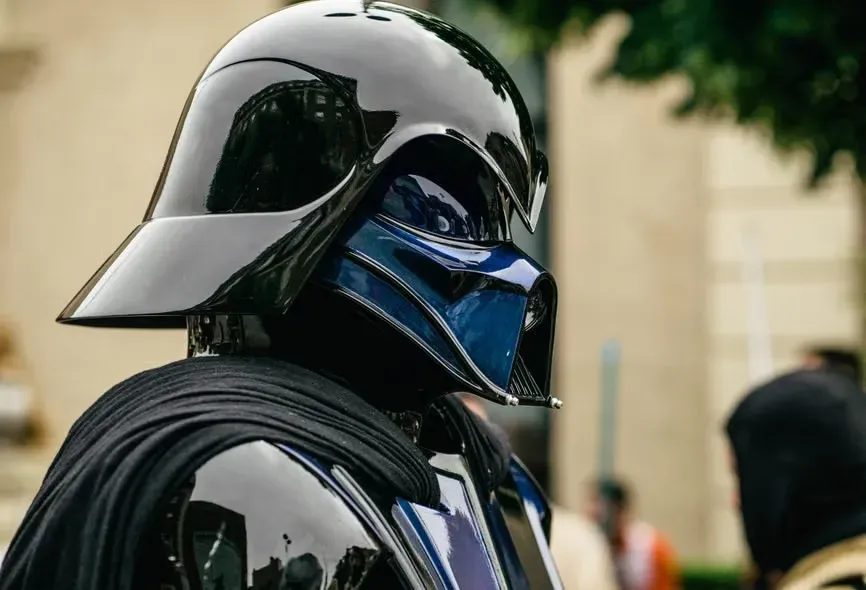
This one carried the weight of closing out not just a trilogy but the entire nine film Skywalker saga, a job that came with impossible expectations from a deeply divided fan base. The film fell to 52% on Rotten Tomatoes, just a percentage point below The Phantom Menace, making it, by that measure, the worst reviewed Star Wars film in the franchise up to that point.
Audiences reacted quite differently than critics did. According to Rotten Tomatoes, 86% of viewers liked the new Star Wars movie, whereas only 57% of critics gave it a positive review. It still amassed a $175.5 million debut that ranked as the third largest weekend of the year, proving that even a rocky critical reception could not keep dedicated fans away from theaters on opening weekend.
Morbius
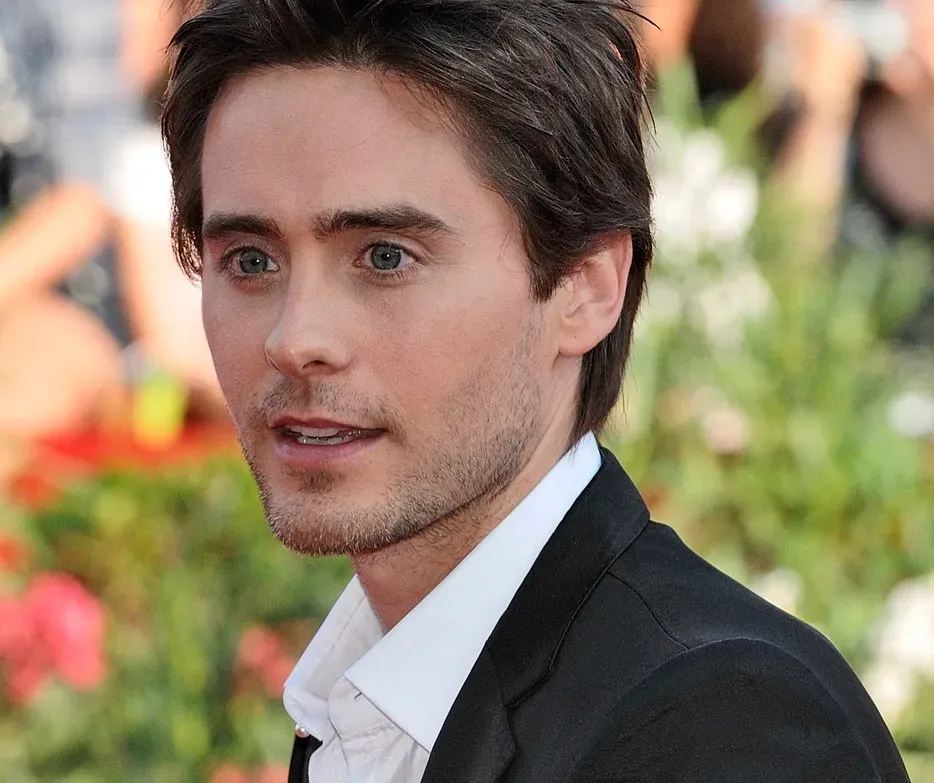
Sony pitched this one as another building block in its growing slate of Spider-Man adjacent characters, following the commercial success of the Venom films. Critics were not on board from the start. With 205 reviews counted, Morbius sports a rather dismal 16% Tomatometer score, making it one of the worst reviewed films to bear the Marvel insignia.
The box office numbers matched the tone of the reviews. Morbius carried a $75 million budget from Sony’s Universe of Marvel Characters, and the film dropped sharply after its opening weekend, eventually becoming better known online as an internet joke than as a launchpad for future sequels. What started as a modest opening turned into one of the more memorable box office stumbles of its year, remembered now more for its meme status than for anything that happened on screen.
These seven films share a common thread beyond disappointing reviews or shaky box office returns. Each one arrived carrying expectations built by marketing campaigns, franchise ambitions, or fan anticipation that the finished product simply could not match. Some still turned a profit, some became cult curiosities years later, and a couple faded from conversation almost entirely once the next big release took over the news cycle. What they all prove, in their own way, is that hype and quality are two very different things, and Hollywood keeps learning that lesson the hard way.