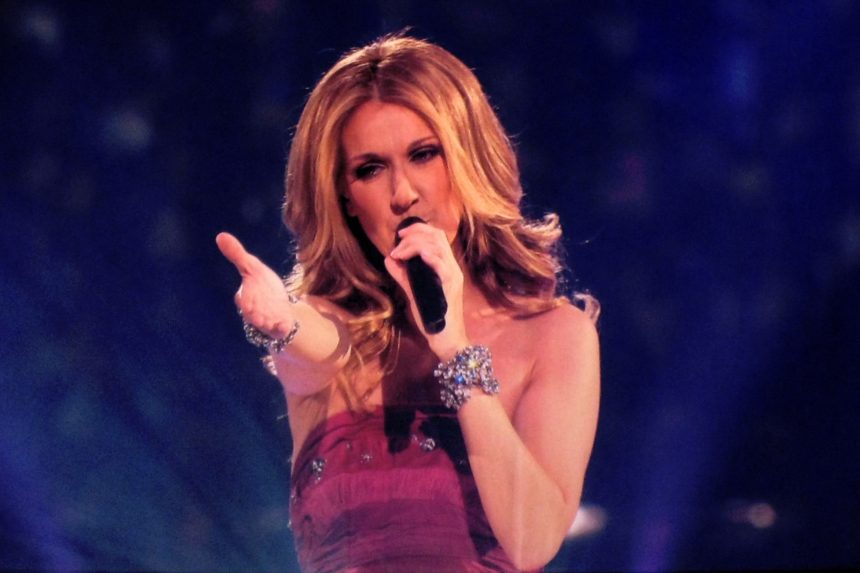
Some of the most recognizable songs in music history came within a hair of never existing at all, at least not in the version we know. Behind the glossy final product, there was often a singer shaking their head in the studio, arguing with a producer, or flat out walking away from the microphone. What makes these stories interesting isn’t just the drama. It’s how often the artist’s gut instinct was completely wrong about what would become one of their signature songs.
1. Celine Dion, “My Heart Will Go On”
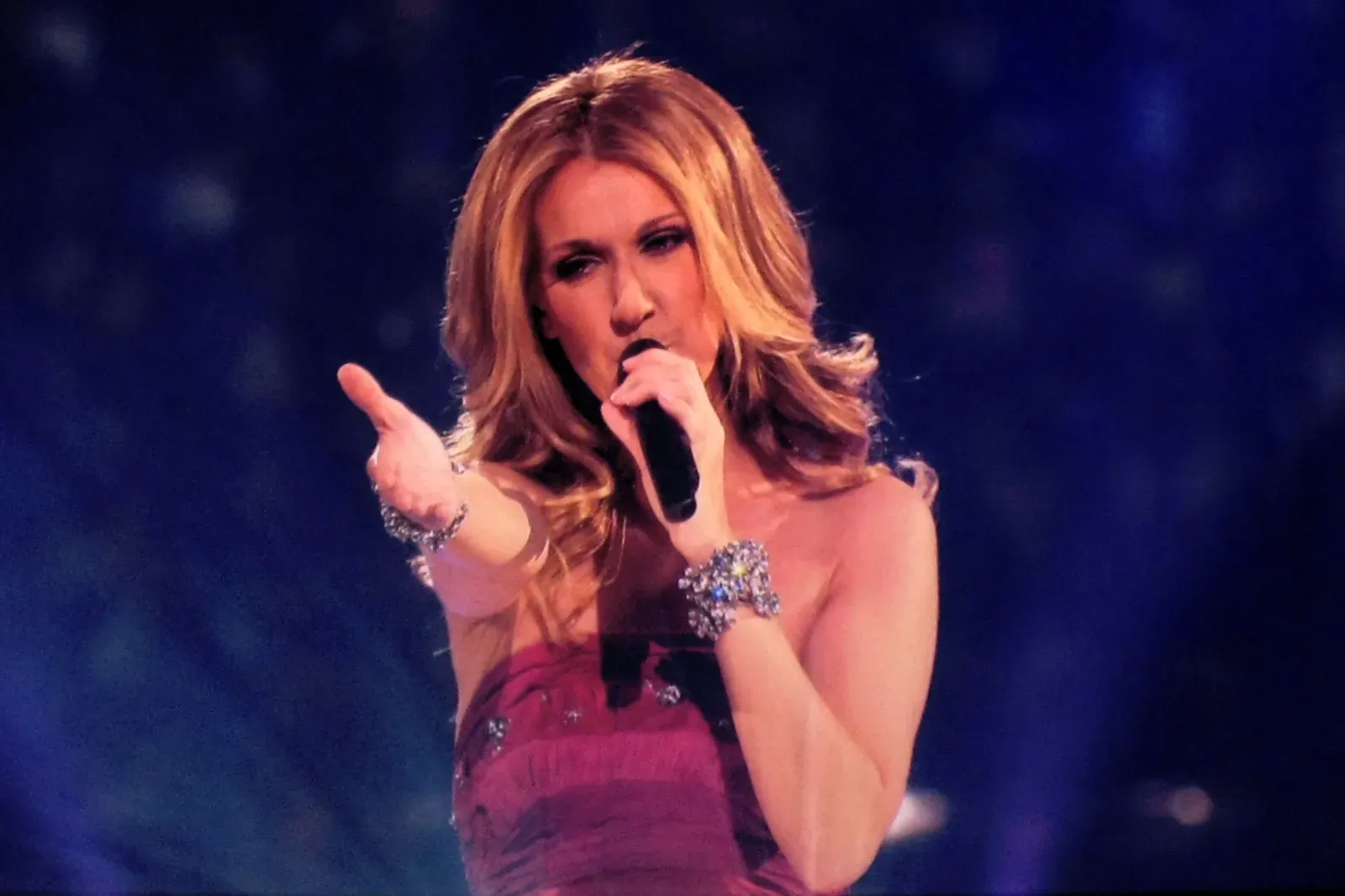
It’s strange to imagine now, but Celine Dion did not want anything to do with the song that would define her career. She revealed that she wasn’t initially sold on the 1997 global smash, “My Heart Will Go On.” When pressed on why, she said it simply didn’t appeal to her.
Her husband and manager at the time, René Angélil, stepped in before she could turn it down for good. He told her to hold on, and he talked to the writer about making a little demo first. That demo became one of the best selling singles of all time, and Dion has since joked that she’s grateful her team didn’t listen to her that day.
2. George Jones, “She Thinks I Still Care”
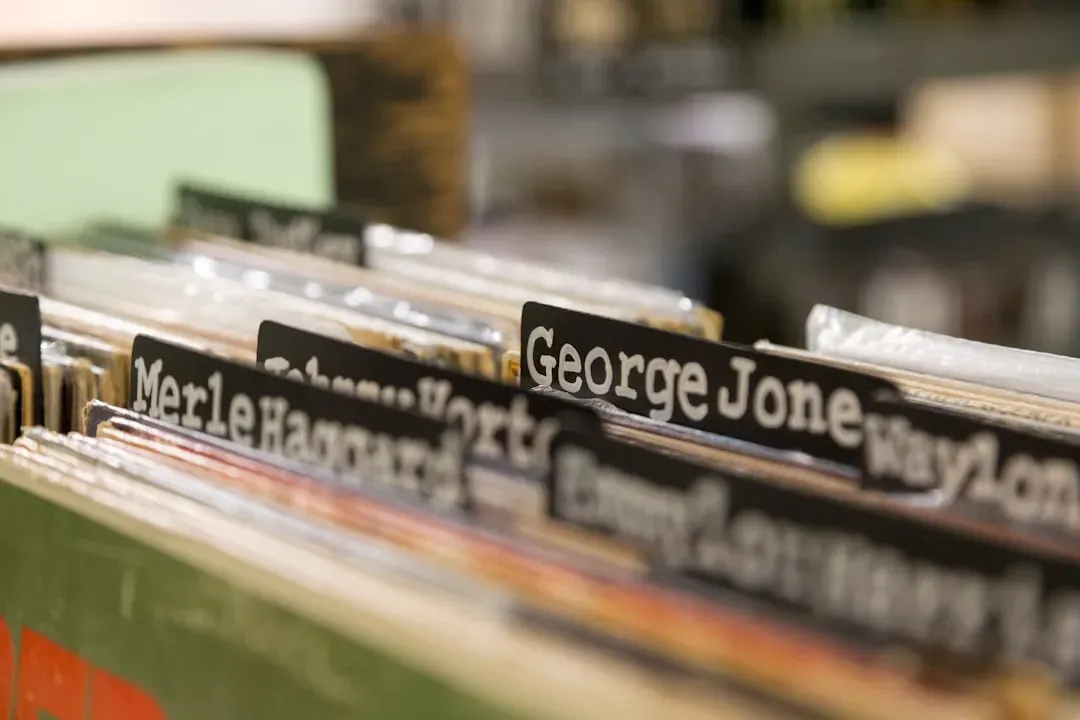
Country legend George Jones is remembered for one of the most influential voices in the genre, but he was also notoriously stubborn about which songs he’d sing. George Jones refused to record what would become one of his signature songs several times before finally giving in. The song, “She Thinks I Still Care,” kept getting pitched to him during casual visits to a Texas recording studio near his ranch.
Producer Jack Clement reportedly tried a workaround, playing a countrified version on guitar rather than the original demo, hoping to wear Jones down. It worked eventually, and the result became one of the biggest hits of his career. Released in 1962 as the first single from his United Artists contract, it went to No. 1 on the Billboard country chart and stayed there for six weeks. It later earned a spot in the Grammy Hall of Fame.
3. Cher, “If I Could Turn Back Time”

Songwriter Diane Warren knew she had something special with “If I Could Turn Back Time,” but Cher wasn’t buying it at first. According to Warren’s own account, Cher’s initial reaction was blunt, telling her to let her go back to sleep because the song was terrible. Warren was so convinced of the song’s potential that she offered to pay for the studio time herself if Cher hated the final result.
Cher eventually relented and stepped into the booth. The moment she sang the opening line, Warren recalled catching a look on Cher’s face that told her the song had won her over. It went on to become a chart topping hit and one of the most enduring songs in Cher’s long catalog.
4. Cyndi Lauper, “Girls Just Want to Have Fun”

Cyndi Lauper’s breakthrough anthem almost never happened because of who wrote it. She explained that she was opposed to recording a song about women that was written from a male point of view. The original lyrics, penned by Robert Hazard, struck her as tone deaf to the female experience she wanted the song to capture.
Rather than walk away entirely, Lauper reworked the material herself. She decided to make changes so the song was told from a female perspective, working through many demos with her collaborator to make the track sound more fun and lighthearted. That persistence turned a song she initially rejected into one of the defining pop anthems of the 1980s.
Partner offer
5. Barry Manilow, “I Write the Songs”
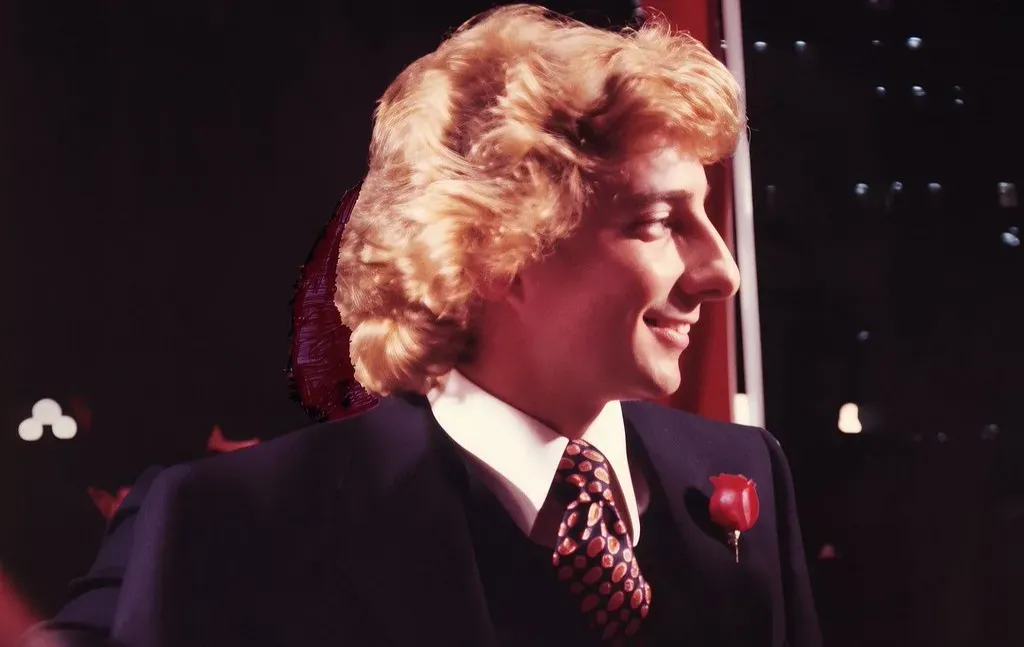
Barry Manilow had a very specific problem with the song that would eventually win him a Grammy: he didn’t write it, and the lyrics made him uncomfortable. He almost didn’t record “I Write the Songs,” penned by Bruce Johnston, because he felt lines like “I am music” came across as egotistical. Singing something so self-aggrandizing about his own artistry felt wrong to him.
It took some reframing before Manilow could commit to the recording. He worried the audience would think he was yelling about himself, until he figured out the song worked better as an anthem to the spirit of music itself. Once he found that angle, he could arrange it properly, and the song became one of his signature hits, even though the Grammy for it went to Johnston as the songwriter rather than to Manilow.
6. Carrie Underwood, “Before He Cheats”

Fresh off her American Idol win, Carrie Underwood worried that a song about keying someone’s truck didn’t match the image she’d built on television. She recalled conversations about whether the song was too aggressive, saying she’d been presented as a sweet farm girl on Idol and there was real hesitation about whether they should even do the song. It was a legitimate concern for a new artist trying to protect a carefully built public persona.
The team ultimately decided to go for it anyway. Underwood released “Before He Cheats” on her debut album, and two decades later she still loves that it remains an anthem among her fans, noting that everybody loved it so much that they went for it and it worked. It remains arguably the most recognizable song of her entire catalog.
7. Rihanna, “Work”
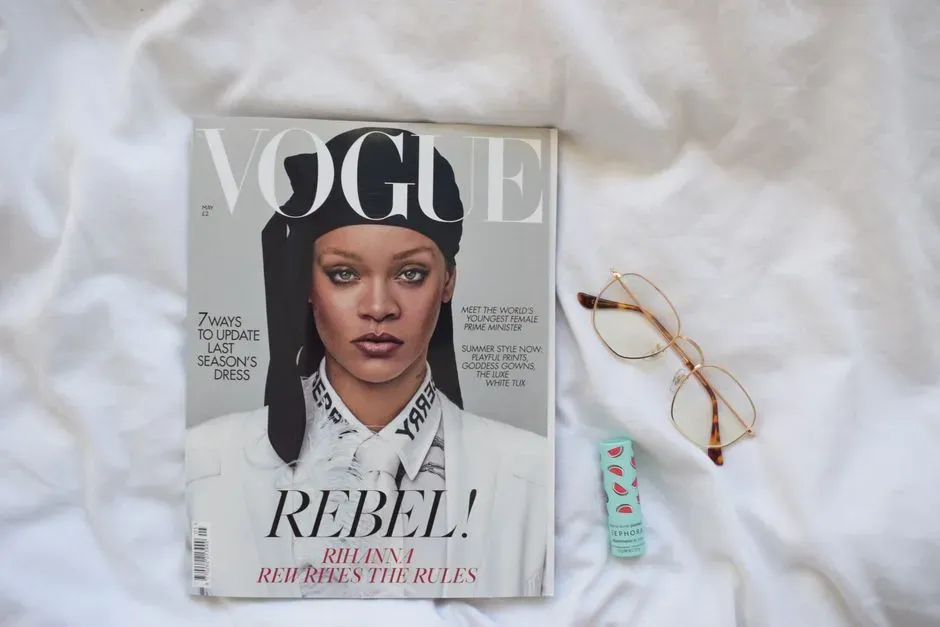
Rihanna’s chart topping single “Work” almost went to a different artist entirely because of internal resistance at her own label. Producer PartyNextDoor said her label didn’t care for Caribbean music at the time, and her team debated giving the tune to Alicia Keys instead. The song’s Caribbean patois and dancehall rhythm were considered a risk rather than a selling point.
Rihanna pushed back and insisted on keeping it for herself. PartyNextDoor recalled that she fought for it, telling her team it was her family’s favorite song. The gamble paid off, with “Work” climbing to number one and becoming one of the defining hits of her career.
8. David Cassidy, “Doesn’t Somebody Want to Be Wanted”
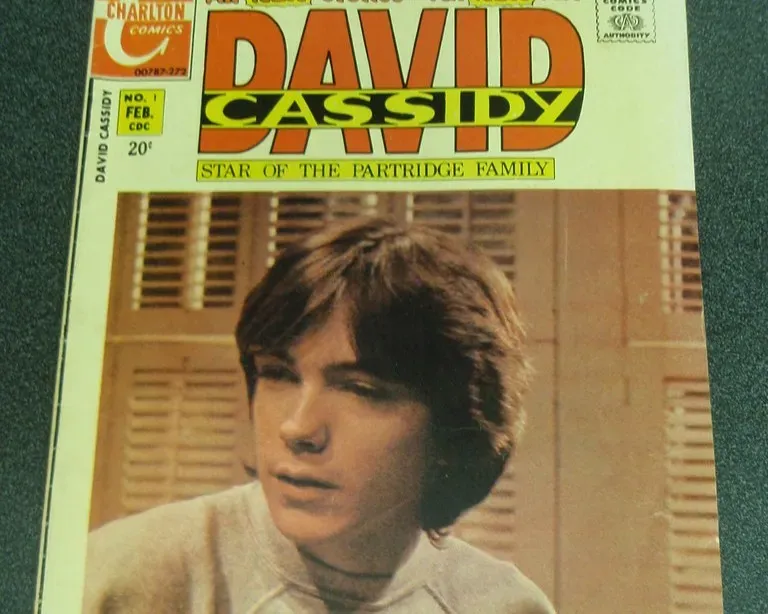
David Cassidy’s objection to this Partridge Family single wasn’t about the melody so much as a specific creative choice he found embarrassing. He didn’t think the song was good at all, and he hated the idea that producers wanted him to talk rather than sing in the middle of it. He considered the spoken word gimmick a step too far into manufactured pop territory.
His resistance escalated into something closer to a standoff with the show’s producers. He wrote that he had no say in what he was to perform, that he swore he’d never talk on a record, and that he almost quit the show over the issue before producers shut down production while they hashed it out. He eventually recorded it, and it became a commercial success despite his lasting discomfort with the final vocal take.
These stories share a common thread: instinct and commercial success don’t always line up. Sometimes the artist’s initial resistance came from real artistic concerns, and sometimes it was simple fatigue, image anxiety, or just personal taste clashing with a song they didn’t yet understand. Either way, the versions we ended up hearing were shaped as much by persuasion and compromise as they were by talent alone.Partner offer
Planning a trip to Vegas?
Compare hotel rates and show tickets on VEGAS.com.